A Conversation With Jena Malone And Cannons’ Michelle Joy

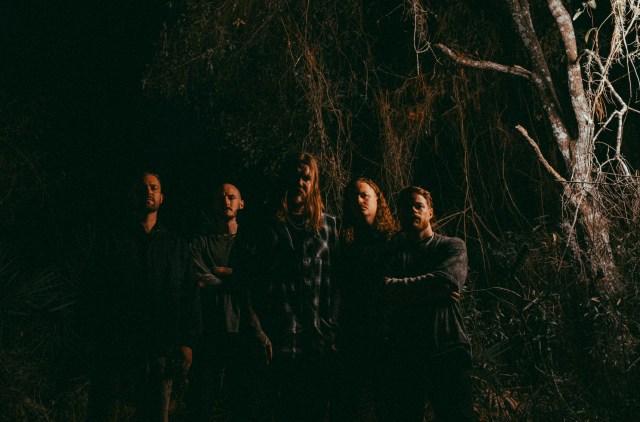
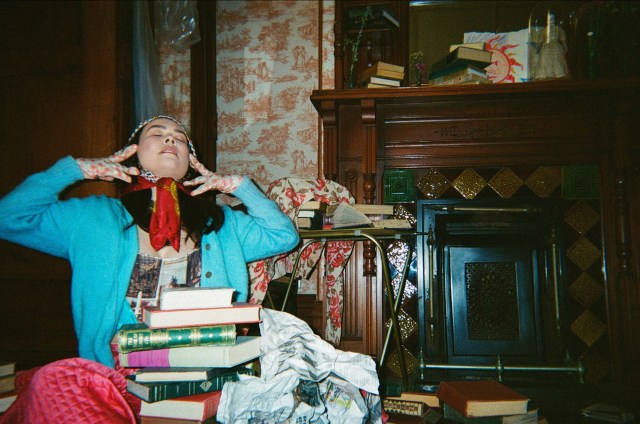
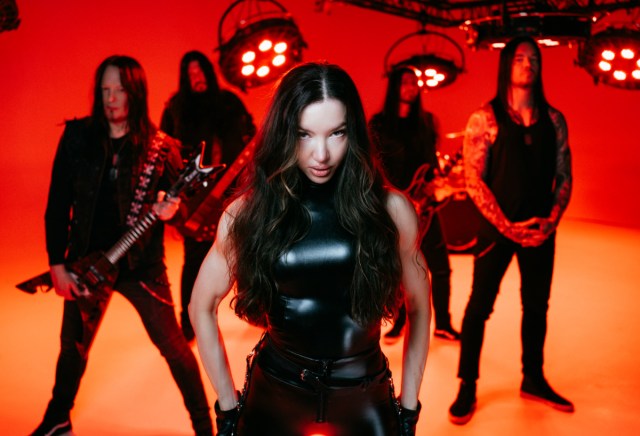
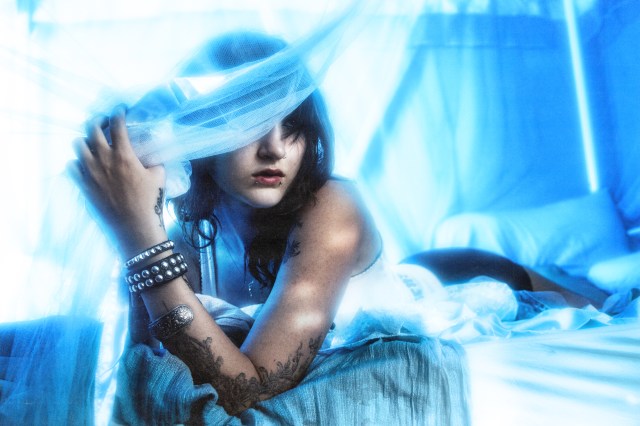
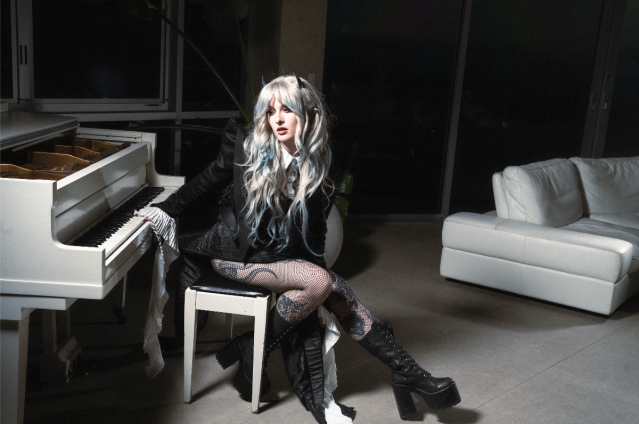
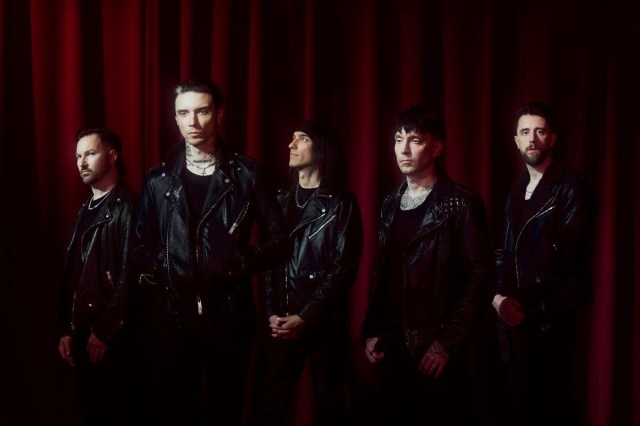
Acclaimed actress/musician Jena Malone and Cannons frontwoman Michelle Joy were mutual fans of each other who followed each other on social media. However, the two, who both live in L.A., had never connected until Hit Parader brought them together for this fascinating conversation.

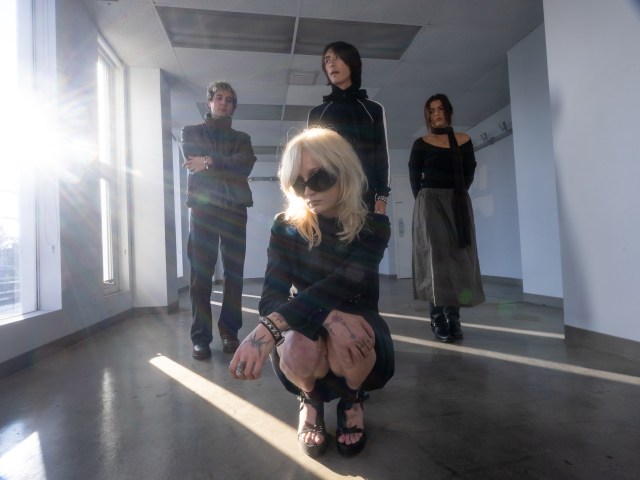
At the time of this interview, both have superb new albums on the way. Malone releasing Flowers for Men (out this Friday), her first music in over a decade, while Cannons was on the eave of unveiling the sterling Everything Glows (released March 27). Though different in sound and style – Flowers being folkier and more experimental leaning, and Everything having a fantastical 70s vibe reminiscent of Earth, Wind and Fire’s classic hit “Fantasy” – both possess a deep healing quality in these troubling times.

Hit Parader just turned the recorder on and let the two of them talk for over an hour. This is the result.

Photographer: Kristin Burns

Studio: OneOnOne

Digital Tech: Alicia Frew

Hair: Coco Alexander

Makeup: Gregory Arlt


Michelle Joy: So, you’re releasing a new album?

Jena Malone: In May.

Michelle: And you haven’t released music in quite some time? How long has that been?

Jena: Since I became a mom, which was 2016. So, I guess the last record I released was in 2014. Then we released a live something in 2015. It’s been an interesting recalibration of learning how to delegate time and shift time. Prior to having a child, I used to just sit in front of my computer and burn for weeks on music, writing, songs and collaborations. It would be three weeks later, I’d be like, “Oh, I guess I’ll leave my house now.” It’s been interesting trying to figure out how to schedule that spontaneity, that creative flow.

Michelle: How have you done that? Because I can’t imagine at this point, but I feel in my future soon, I hope to be able to start a family. And I don’t know how I’m going to tackle that space (chuckles).

Jena: Yeah. I don’t know how any woman tackles it. I find it to still be such a conundrum of like lack of support, lack of care and lack of real cheerleading. Everyone’s like, “Oh, it’s okay, hey, you don’t have to do everything.” Parenting is the most punk rock form of artistry you’ll ever engage in. It’s so wildly creative and no one talks about how many different things you have to create out of nothing spontaneously. Then also following someone else’s path, of predicting needs and whims and understandings. I feel like what I allow is like a little bit of writing time at the end of the day and whether it’s really angry or full of loss or lust or whatever it is that as a woman you’re containing at that moment I feel like as long as I allow myself to be like, “I’m so proud of the creation that we created today, whether it be like a Lego village that modeled a new form of democracy or whatever we’re doing.” I try to write poems and journal about it, which allows me a space to have some form of reflection and writing instead of just doing nothing and I think that’s where this new record came from. But I’m a weirdo. I don’t know how you are as a songwriter, but I’m constantly singing into my phone, different ideas and melodies and stuff like that. Do you have a similar process?

Michelle: Yeah, I’m always singing. I have a notes app, but my problem is that I don’t title. So, I’ll go through randomly, if I am sent a bunch of demos and I’m struggling for a melody, or I know I recorded something I really wanted to fit to music and I’ll sift through there and take a bunch of notes all day. If I just hear someone say a word or a phrase that really sticks with me, my notes app is crazy (laughs).

Jena: It’s such a sweet space because it’s always on us. We can do it in the car. So, all of the songs on the new record were while I was breast-feeding, crawling into a little closet while my son was sleeping, at the pick-up line at elementary school waiting in the car. It was all of those in-between moments. I went back and was like, “Okay, there are songs here that deserve to have attention.”

Michelle: How long did this album take to write?

Jena: We started last summer and then we pretty much finished last summer, 2025. But then all the finishing tiny little touches and mixes and things we pretty much finished in December.

Michelle: I watched the trailer video, which was so beautiful. I was listening to the words and was curious, writing from for this specific single or the album, what does this represent to you? Is that you or a different version of you that you are speaking to?

Jena: In “Create Your Name”? I think it’s both. I think a lot of this album, because I became single again when my son was one and it was a really interesting and heart-opening educational time of re-examining past patterns of things that had really failed me in the past. And I think because I was given an opportunity to see it from a new lens or a new perspective, it was really easy for me to be like, “Oh, wow, this is limerence, this is codependence, this is narcissism.” And I just wanted to do things differently. So, I started studying a lot of different intimacy styles and relationship styles and studying polyamory and relationship anarchy and was like a novice again in what my heart was wanting. So, I think a lot of the record became me navigating being a student at dating again but trying to push it in a more sacred way. If I had to redo it and was starting out again at 16, what books would I have wanted to be put in front of me and what would I want my elders to say to me? So, “Create Your Name” was talking about this divine lust and want that has nothing to do with sex sometimes. It’s more than just wanting a person’s body; it’s really wanting their spirit and wanting to collaborate with their mind. It was also at a time where I was discovering more of my sexuality. I came out as pansexual. I thought, “There are just not enough songs about like women thirsting after other women.” I wanted to at least have a space where the reveal is not talking about a man. But I’m so glad you liked it. That’s so sweet. I was actually looking through your trailer for the new record. What’s the title of the record, by the way?

Michelle: Everything Glows. It’s not a track, but it’s the idea behind the album as a whole. Once we finish the album, all of the songs revealed the title of the album, which is usually how it works for me, at least.

Jena: I loved the lore of your band where Craigslist was involved. What I wasn’t able to garner from just researching your band and the history was what you were doing musically before you put that Craigslist ad up.

Michelle: Originally, I grew up in Florida and spent enough time there to get to the point where I was like, “I need something new. I need to grow. I need to go somewhere new.” I had never spent time in Los Angeles, but I had been through some really intense things like growing up. My dad passed away. Both my parents had dealt with illness. My mom is better now, but my dad passed away. I just felt like I needed a fresh start in my life because everything was so heavy. So, I moved to Los Angeles, and one of my friends that lived out here was this sound designer for films. He taught me how to use Pro Tools. I remember going to see The Knife.

Jena: I love The Knife.

Michelle: Cool, I saw them and I was just so inspired by their music and electronic music and what you could do with a computer and a keyboard. So, I just started making my own songs on first GarageBand, then Ableton and Pro Tools and recording and not sharing them with anyone for a long time until I decided that I wanted to I guess grow with musicians because I felt like I didn’t know what I’m doing. I don’t know if this is good or bad. I have no perspective on what I’m doing because I’m doing because I haven’t shared it with anyone. So, I went to Craigslist because I didn’t know anyone out here to start a band with and I didn’t want to dive into this world on my own. It’s been like twelve years now since. And you started in a band as well? The Shoe, is that where you started?

Jena: I started in a really similar way to you. Being interested in music but not being educated in it necessarily. I grew up really poor, so college was never really on my radar. I love being a parent now where you realize giving them music lessons and things can really influence and help build skill sets that will only flourish in the future. But I always sung. I was constantly freestyling as a little kid and mostly everyone was like, “Okay could you please stop, it’s not for you.”

Michelle: (Laughing) I’m the same way.

Jena: It’s so interesting now having a child, as you see the things that they can’t help themselves but do. Whether it be good or bad or societally acceptable or a career choice it’s so beautiful to see those kinds of births. I love hearing that story of you had a friend and he taught you Pro Tools. I feel like that’s how young artists are able to bloom without mentors and free community that is not paid for and not gate kept. It really does hinder the flow of new emerging songwriters and storytellers to be able to emerge in their own way.

Michelle: And helps that confidence because it’s just like you said, being like, “I don’t know how to step into this world…”

Jena: But you want to try. And I love that you went, and you were making all these songs and learning as far as you could learn. I did the same thing where I just started growing. I started filming stuff when I was like 15 and as soon as I got into iMovie I realized, “Oh, I need sound and a score for this.” So, I opened up GarageBand and started playing and I never went back to video. I’ve been playing music since then. It’s been so fun because I think it’s also allowed me a space to take risks that acting hadn’t really offered me. It’s so structured. With music I love that I could be a four-year-old girl, I could be a leaf, I could be a man telling a story.

Michelle: That’s so cool.

Jena: Yeah, it was really fun. And I never would have done it without technology. It’s so interesting thinking about kids these days with TikTok, which is an amazing editing platform, and what SoundCloud offers. The small realm of having GarageBand and iMovie was enough to set me on a 20-year journey. I do think tech is such a beautiful thing to gift for free to emerging artists, but with mentors.

Michelle: I need teachers because I grew up and now looking back, I see why everything happened the way that it did happen. But I did wish that I took music lessons and learned how to play piano. Now I’m catching up. So, making all this music with my band over the past decade or so, we’ve reached a point where it was actually my worst nightmare to get on stage and sing in front of however many tens of thousands of people that we do, because I was the person that would sit in the back of the class and I wouldn’t raise my hand and I didn’t like attention or lights on me or anything. I found music; I liked writing. I liked singing like you. I couldn’t help it. It’s a relaxing thing for me. I feel like there’s a release that I get when I’m in my studio trying to write a song. And even if I didn’t share it with the world, I would still use my voice properly. I need to protect my instrument. I need to learn about it. So, this whole year I’ve actually been taking vocal lessons and going through the technical aspect. We toured for almost four years straight and I burnt myself out completely. And since I never took vocal lessons before stepping on stage, I didn’t know how to use my instrument properly. So, it was like, “I hope I hit these notes tonight. I hope I’m protecting my voice properly.” Now I’m finally catching up on like the technical stuff and trying to learn music theory and stuff. Very backwards experience (laughs).

Jena: I think learn it as it comes. It’s so cool that you’re doing this. When did you finish
writing your record?

Michelle: I think in August or September we finished. How do I shorten this story? I had a really intense year. Our song “Fire for You” blew up during COVID. Then we were asked to play literally right when COVID ended. It was the first festival, Lollapalooza. And we’d play main stage. I told you this was like my worst nightmare to get up on stage in front of a whole bunch of people. I’d only played shows in small venues in Los Angeles before that. But we did and since that moment, we toured for four years straight. When I got home from our last tour over a year ago, I was completely burnt out. I reached a point where I didn’t know what was wrong with me. I had no friends or anyone in my life that had done this job in the way that I had done it. I had no one to ask questions, especially as a woman because I was the only woman in the whole experience. So, I reached this point where I thought I was depressed because I couldn’t think positively. I couldn’t even breathe, honestly. I was out of breath, exhausted, and thought I was depressed, I saw a psychiatrist. They told me to get my blood work done. I found I was super anemic. Anemia can present itself as severe depression. So, I went through this in the worst shape ever, physically and mentally. I got my surgery in March. But I had been writing. I still went to the studio in January, February and March, I took a break. And then after I healed up a little bit, I just went hard with the album. It reflects this journey of me learning about what I need, paying attention to what my body is saying, connecting to my inner self and listening to my needs, which I had never done before. I’d been in survival mode; I guess is what it is. It’s cool to look back at this album and see how much transformation and growth has occurred over the past year. Because writing for me is, like I said, a therapeutic cathartic thing. I almost get scared that it’s so personal to me and so reflective of exactly what’s going on in my life that it makes me feel vulnerable and have a strange desire to have a separation from me and this person that’s going on stage and performing. I have a hard time separating that. Sometimes I think that’s fine, people want something raw and real and relatable. But sometimes I wish I had more of a separation because I feel like I’m sharing my diary and letting everyone read it. I’m still not used to that. This is all still new for me.

Jena: I really want to commend you for the work that you did this year because it’s so hard in the machine of industry to step back and advocate for yourself and learn how to become an ally to your journey. It’s one of the hardest journeys that any musician, artist, painter. Anyone that gets pushed into the machine, which is beautiful. The machine is a mechanism, it amplifies. But giving so much and not making receiving celebratory is so hard. So, I’m just so happy that you did that. Then to bring it back to what you were saying about vulnerability, it’s a muscle. It’s not something that people inherit; it’s not something you’re really good at. Some people might have a little bit more of the muscle work depending on how they were raised. The more you step into vulnerability the more you can receive from being vulnerable. A lot of people don’t take the risk to step into vulnerability, so it feels like too much giving. They’re not in the space of being able to receive. It’s like why does one song go cray and why does another song, you’ve only had one fan ever mention it or something? It’s because we’re all hungry for real experiences and vulnerability and when it hits us it we are able to give back, but it’s really hard to receive that when you’re not constantly practicing vulnerability. So I think the journey of taking time for yourself and then writing through that and then picking up a mic and being able to transmute it, I think potentially, and it’s just a hunch, hopefully we can check in when you’re on the tour. But I think that these songs might be tiny little torch songs of reminders to be like, “I’m not eating that. I’m going to say no to that. Not going to take that night flight.” They can burn brightly for you to be reminders you have the power to control your own story and how you navigate, you know. It’s just really commendable. I think it’s so hard, particularly as a woman in that space. I wish we all had more mentors and people to talk to because it is really rare. When I was younger, going to the Golden Globes at 15 or something who was I going to talk to about that? And if you don’t, you eat it. You swallow it and press it down.

Michelle: And you hope you’re doing everything properly. I have a voice in my head that existed forever and is very harsh. It’s gone away a lot this year after advocating for myself.

Jena: Isn’t that amazing? That there are other voices get to emerge.

Michelle: Yeah, it’s quieted itself because I didn’t have the support I needed. So, during the time where I didn’t even have oxygen going to my brain and I was depressed I knew I needed to revamp everything. This year I have a whole new management team. I have like four managers. I have new people at the label. Everything has been moved into a place that makes me feel safe and excited about this job. This album, entitling it Everything Glows, is because no matter what I have been through, there’s always a lesson to be learned in it. And there’s a light that comes from that. One of the first songs on the album, and one of the first songs we wrote, was called “These Nights.” That was me in that space where I felt like I was losing my soul or like it was being eaten up and there was nothing left when I came home.

Jena: I love that song by the way, that was one of them that I circled.

Michelle: Thank you. It’s cool to see that with music, at least when I’m in an awful place, I can go to my computer and start writing and singing and beauty can come from awful moments.

Jena: I love that.

Michelle: The title of your project, Flowers for Men. I just wanted to know what
that means to you and what kind of flowers are they.

Jena: The flower is a symbol of celebration of grief and the embodiment of holding space for someone whilst it’s also a celebration for a growth space; flowers for a job promotion, for a wedding, for a sickness. It’s all kinds of people wanting to hold space for a growth space. I think that this record, as I was saying, was me traversing a lot of my own reclamation of a feminine divine, of how to be a woman, how to be a mother, and also how to receive and give love in a new radical way that I had never really allowed myself to perceive or put into action or allowed myself to be clumsy and a student at. And I found that there was so much space in the masculine. Sometimes I feel more masculine, sometimes I feel more feminine, sometimes I feel bodiless, and just like an ever-flowing channel of energy. When I look into the masculine parts of myself, they’re often the ones that need the most healing. And the feminine parts are the ones that need more space and more celebration. So, it’s flowers for men as in yes, the gender of sex, the identity, but also flowers for the masculine for the feminine. But that was a little too clumsy to say.

Michelle: I feel like that’s really cool to think about. And I can relate to feeling like clearly having my parts of myself that feel very masculine, feminine and also completely bodiless.

Jena: This is so fun. I can’t wait. I can’t wait to come to a show.

Michelle: Our next hometown show is going to be at the Hollywood Bowl in July. You’re invited.


Exploring The Mysteries of Jazz Fest

Last Saturday, on the third day of the first of two weekends of the New Orleans Jazz and Heritage Festival, a crowd of 50, 60, perhaps 70,000 people was sardined around the big Festival Stage on one end of the Fair Grounds Race Course to see a triumphant Stevie Nicks seemingly bring on the rain, and then send it away. On the other end of the field at the same time, a good 30,000 or so packed the Gentilly Stage area to see twangy Tyler Childers. Between these two, tens of thousands more were taking in Nas’ hard-hitting set on the Congo Square stage, and near that a few thousand were seeing Bruce Hornsby at the Fais Do Do, while elsewhere Rhiannon Giddens in the Blues Tent and Dave Koz in the Jazz Tent had a few thousand fans each too.

Meanwhile, in the Economy Hall tent, named for a center of the city’s black culture from slavery through Jim Crow, just a few dozen people were watching a young ensemble known as Eight Dice Cloth do “Copenhagen,” as recorded by Fletcher Henderson and Louis Armstrong more than a century ago. There were JazzFest veterans, dedicated lovers of old-time jazz, three twenty-somethings shimmying in the aisle, some families with young kids looking for a nice spot to close the day.

Photo: Joshua Brasted

And sitting alone there was Adam, 23, visiting from Dallas, on a trip with his sister to mark her 21st birthday. They didn’t even know JazzFest was going on when they got to town, he said, and just came out on a whim. So of all the big-name choices he had at this star-power-packed day, why this?

“I don’t know much about Stevie Nicks,” he confessed. “So, beyond the bells and whistles I wanted to see what else was going on.”

He’d wandered around, heard the trumpet and trombone and guitar and washboard and vocals coming from the tent, and settled in, just as rain that would soon become a heavy, if brief, downpour, started.

“I’m a singer myself,” he said. “And I was taken with the ambience.” It was a perfect, quintessential New Orleans JazzFest moment, a discovery, an epiphany, a lovely bit of serendipity. This, exactly, is why JazzFest exists, this is what makes it what it is, what separates it from all the other big festivals that have come (and some gone), many inspired by this, in the decades this has been going on. This is the heart of the festival, beating since the first one in 1970, when as legend has it, there were at times more people on stage than in the audience. It’s the kind of thing long-timers crave. There are so many choices here — 13 stages, all going at once, from 11 a.m. until 7 p.m., jazz and blues and gospel and rock and soul and Cajun and zydeco and country and African and Latin American and klezmer even, and this year a lot of Jamaican, as that island is being celebrated as the focus of the annual cultural exchange spotlight, with a pavilion hosting performances and another with folk crafts.

All of it? It’s simply too much to take in. But that doesn’t stop some from trying. While many festers contend themselves camping out at one stage to catch a favorite headliner (which this weekend included Rod Stewart, Jon Batiste, David Byrne, Kings of Leon, Stephen Marley, Lorde, Raye, along with those listed at top), many others hop around trying to catch at least a bit of as much as they can. Some call it the smorgasbord approach, but really, it’s more like the shark imperative: Keep moving, keep feeding or perish.

Photo: Joshua Brasted

And speaking of feeding, the food! The food! Dozens of choices all calling to you, from cochon de lait po’boys (shredded roasted pork and coleslaw on a French roll), deep-fried soft-shell crab po’boys, rich quail-pheasant-andouille gumbo, buttery trout Baquet, frozen cafe au laits, key lime tarts, syrup-drenched sno-balls… where to even start?

Yes, it’s an obsession. But it’s a rewarding one, one that leads to moments to cherish, experiences that are precious.

Here’s how it goes: You rush on Sunday from Boyfriend — the R-rated gender warrior character of local performer Suzannah Powell — to try to make it to see jazz singer Catherine Russell, only to hear from a distance Powell turning sentimental as she talks about how she’s retiring the Boyfriend persona and then singing a sweet, heartfelt take on Mr. Rogers’ theme “Won’t You Be My Neighbor.” You pause on the track to take it in, then resume the quick pace. But on route you pass by the Children’s Tent, and inside a kids chorus, New Voices New Orleans, is doing Cat Stevens’ Harold and Maude anthem “If You Want to Sing Out.” It’s a segue that couldn’t have been better if it had been planned. You have to stop. You have to hear it.

And you can’t help thinking back to Friday, when hustling from Lorde on one end of the track back to Jon Batiste’s spectacle on the Festival Stage all the way over on the other end (stopping only to grab a tangy key lime tart — mmm, that graham cracker crust), you happened to get there just as he sang a snippet of the Sherman Brothers’ Mary Poppins classic “Chim Chim Che-ree” as prelude to his own funky-swinging “I Need You,” surrounded by a cast of buckjumper dancers. “As lucky as lucky can be?” Indeed, you are. Jungian synchronicity in the Crescent City? Quantum superposition on the fairgrounds, multiple particles spinning as one across vast distances? No, it’s just JazzFest.

Ultimately, it’s exposure therapy for the FOMOmaniac. You can’t see everything. You can’t eat everything. You just do your best, accept that you’ll miss more than you will experience, embrace the moments as they happen and consider the things you can’t do not as lost chances, but opportunities to take in something else, a door to the unknown.

Photo: Joshua Brasted

You can’t get in through the crush of people in the grandstands Thursday going to the Alison Miner Heritage Stage to see an interview with Jon Batiste — and you can’t get back down the stairs through the crush of people — so you sit on the balcony overlooking the small Lagniappe Stage and “discover” Yusa, a Havana-born New Orleans resident showcasing her scorching Cuban jazz. You can’t even conceive of getting through the 30-deep crowd outside the packed Gospel Tent where the Blind Boys of Alabama are about the sing, so you head to
Congo Square for another blistering set of Cuban funk, this from Cimafunk. But then you get rewarded by seeing the Blind Boys on Friday in the surprised opening of Batiste’s set with their powerful version of “Amazing Grace,” done to the tune we know as the New Orleans’ lament “House of the Rising Sun.”

You go from local trumpeter/keyboardist Nicholas Payton’s “A Supreme Blue” reinterpretations of Miles Davis and John Coltrane pieces in the Jazz Tent to mark each of their centennials this year to see English singer Raye, perhaps the buzz act of the fest, if not the whole pop music world right now, to be blown away by her talent and earthy charm, especially as she halts a song to signal security to help an audience member in distress, only resuming when people around the stricken person gave thumbs-up that all was okay. And later, after flitting around the grounds to see Texas-soul veteran Shinyribs at the Fais Do Do, then just happening to catch Sporty’s Brass Band doing a second-line take on “The Hokey Pokey” tearing back to Raye in time to see her, on a stage now set up as a quasi-supper club with tables and chairs, sandwich solid versions of “Fly Me To the Moon” and “It’s a Man’s World” around her own bopping testimony to overcoming insecurity, “I Hate the Way I Look Today.”

And you go from the David Bode Big Band in the Jazz Tent with a stunning Beatles medley of “Dear Prudence” and “Don’t Let Me Down,” followed a little later at the Lagniappe Stage by Mahmoud Chouki playing an electric cigar-box oud and leading his Middle Eastern jazz hybrid ensemble through Duke Ellington’s “Caravan.” And from New Orleans veteran fusion favorites Astral Project to Louis Michot’s frenetic electric Cajun experiments, but on the way stumble on Los Skarnales, a Texas ska-cumbia-rock outfit closing their set with “Pressure Drop,” evoking the Clash and the song’s originator, the late reggae star Toots Hibbert. And from Jason Isbell to Cajun-rockers the Pine Leaf Boys to soulful jazz singer John Boutté, whose “Tremé” was used as the theme for the David Simon New Orleans-after-the-flood HBO Series in the 2010s.

Photo: Joshua Brasted

Further on the international front, Mali’s Vieux Farka Touré was transfixing Thursday in the Blues Tent (which has become a home to West African guitarists, underscoring the origins of American blues), and for some he evoked memories of a 1994 JazzFest performance by his father, the titan Ali Farka Touré, with Ry Cooder. And while there was a lot of reggae, ska, mento, steel drums and other Jamaican sounds around, nothing could top the Rasta mystic power of Burning Spear, now 81, one of the last remaining giants of reggae’s glorious genesis and flowering. And Giddens, whose music has long cast a wide focus on African roots and the diaspora, featured singer-guitarist Niwel Tsumbu from the Democratic Republic of the Congo in her group here.

Sometimes you find the serendipity, sometimes it finds you. New Orleans-based singer-songwriter Dayna Kurtz was performing Friday in the cozy Rhythmpourium tent/wine bar with the couple Robert (guitar) and Candace (vocals) Maché. Just as she reached the deep, emotional center of her tender love song, “Like You’re Holding Me Now,” a second-line parade (one of several each day with drums and brass and chanting Mardi Gras Indians) loudly passed by. It’s always that way, she noted. “It’s a JazzFest rule.”

Juxtapositions are just as profound as the connections. Sunday, for example, opened with 16-year-old local piano prodigy River Eckert and closed with not just 81-year-old Rod Stewart on the Festival Stage, but double-bassist Ron Carter — who will turn 89 next week — leading his Foursight Quartet in the Jazz Tent. And that was just shortly after gospel great Shirley Caesar, 87, praised Jesus, paid honors to all mothers and told Satan a thing or two in the Gospel Tent.

Photo: Joshua Brasted

Stewart, by various accounts, was a delight, while Byrne and his blue-clad choreographed troupe thrilled as they ended the weekend at the Gentilly Stage on the other end (“Heaven is a place where nothing ever happens,” he sang to start, as ironic a statement as ever at JazzFest). But it was hard to beat Carter, with his six decades of jazz history (including anchoring Miles Davis’ essential ‘60s quintet) to serenade us with his and mastery and spirit as we closed out the four days and exited to Mystery Street. Yes, Mystery Street.

For some of us, all of JazzFest is Mystery Street and more mysteries will certainly manifest in the second weekend running this Thursday through Sunday, with Widespread Panic, Lake Street Dive, Laney Wilson, the Black Keys, Ziggy Marley, Eagles, Alabama Shakes, T-Pain, Herbie Hancock, Mavis Staples, Steve Earle, Tedeschi Trucks Band and Earth, Wind & Fire among the biggest names on tap, and of course the now-traditional closing set by local hero Trombone Shorty (who first appeared on a JazzFest stage in 1990 when he was four and Bo Diddley brought him out and is now 40). Sure, if you’re going, you could spend your time with some of them. But do yourself a favor and let young Adam from Dallas’ spirit guide you and savor wherever it leads.

Steve Hochman went to his first JazzFest in 1991 and has been to every one
since.

Armin Van Buuren and Adam Beyer on Coachella, The State of Electronic Music and More

As always, there were multiple Coachella’s happening this year. There was the mainstream pop one frequented by influencers and brands. But for those who wanted to avoid the crowds for Bieber, Sabrina and more, there was a vintage Coachella featuring some of the most elite old-school DJs, guys like Moby and Kaskade, who are a huge part of the legacy of Coachella.

One of the most anticipated and exciting sets of the second Coachella was the b2b (back to back) teaming of trance and techno, Armin Van Buuren and Adam Beyer. With a combined more than half a century atop their respective subgenres and championing the music they love via acclaimed radio shows, they are two of the true leaders of today’s dance music scene.

Before weekend two of Coachella, they sat down together with Hit Parader for an in-depth state of the scene conversation.

Photo: Bart Heemskerk

Hit Parader: Before we come on to Coachella, very important question. Adam, what’s your dog’s name?
Adam Beyer: My dog’s name is Kate. Quite unusual for a dog, for Rottweiler.


Photo: Bart Heemskerk

HP: I don’t know if you guys got to see, or at least you saw the highlight of David Guetta’s set this weekend when he saw his daughter in the crowd, which was a viral moment. The reason I bring that up is because I spoke to him during COVID, and he spoke about the fact that for him, he liked being home because it was the first time he had a summer vacation with his kids in 10 years. So, for you guys, both of you, I’m sure you love the thrill of playing live, but is there also that desire to be home more?
Armin Van Buuren: I’ve made a radical change in my life since six years ago. I really had, as they call a spiritual awakening, if you will, that I wasn’t happy doing like 130 shows a year. Being away from home for me, sometimes it’s not good. And I guess I started to believe in the fairy tale of DJing a little bit too much because it’s a surreal world that we create. And I decided to only do 70 shows a year. So, this August, you won’t find me doing any shows. I even said no to the Ibiza residency 14 weeks. I’m still playing Ibiza. I’m doing six shows, five in September, one in June, and I really enjoy it.
But it’s a conscious decision not to play every week anymore because, a, I don’t enjoy it, I feel I’m too much of a robot, and, b, I get to be with my family for at least a month just celebrating holiday season. I said yes to kids, but I have to admit on the other side that it’s very hard because I’m FOMOing a lot seeing him shine on all the big festivals and I’m not there. I really enjoy playing, I’m a DJ at heart but I found that I need to do 70 shows a year. That’s, for me, where the balance is so that means two weekends a month off and also just to give me more creative freedom. And I do normal people’s stuff — reading books, playing the piano, listening to jazz music, barbecuing, spending time with family. And I think for me, this is essential for still doing the DJ thing. As much as I love it, I can’t do 130 shows a year anymore.


Photo: Bart Heemskerk

HP: The reason I mentioned it is because I had a conversation with Guetta. But doing interviews during COVID was such a Rorschach test because I interviewed everyone from Stevie Nicks and Lenny Kravitz to Guetta and Willie Nelson. You had musicians, half of whom loved being at home because they’ve never had a break. And half were like, “I’m losing my fucking mind. Get me back on the road.” So which side were you?
Beyer: A bit of both. I can recognize myself in both sides. Like, when I’m full steam and in the mix of it all and I’m on the road, I love it. But then I do have moments where I’m like, cracking because I’ve been touring for 30 years professionally. I’ve gone full steam for 30 years pretty much without any longer break apart from COVID and obviously I have three kids at home and although divorced now after COVID and everything, I’m getting closer with my kids, and I want to stay with them but then I have to go again so it can be tough to make those decisions.
But at the end of the day, it’s a job and now at least they’re big enough to sometimes bring them. I brought them to Coachella last time I was here and they loved it. It’s all about balance and just like Armin I certainly cut down on the partying and the rock and roll style over the last few years and taking a lot more responsibility, not putting myself first all the time.


Photo: Bart Heemskerk

HP: When you do less shows, I imagine when you do something as massive as Coachella, do you appreciate it more?
Van Buuren: Well, it’s a big honor. I have a lot of gratitude for being here and playing back to back with one of my heroes, Adam Beyer. And the fact that I still get to do this after so many years is something to be … the only word that springs to mind is gratitude. I’m very grateful to be here and I realize it’s very special. I’m really trying to enjoy every moment, trying to be here, not only physically, but also mentally.
I don’t know if I’ll ever play Coachella again. This might be my last time. That’s what I tell myself. I don’t know if there’s going to be a next year, but we’ll see. I’m really having an amazing time also meeting all the people, feeling the vibe. And I guess when you’re an up-and-coming DJ, you don’t realize so much that what’s happening is actually something really unique. I had the pleasure of performing and DJing for 25 years and playing some of the world’s biggest stages. But you’re right, the older you get, the more appreciative you become. And I actually like being a little older now. I have less anxiety. I have more confidence walking on stage.
Another thing that I really like about this era is that I felt the first time I came to the US, I sometimes had nights where the crowd was really flat. I feel that that doesn’t happen anymore. I think the crowd is so much more educated, not only at Coachella, but festivals in general. People seem to have incorporated electronic music in their lives. When I first came to the US, the questions that they asked every interview was, “How long do you think this house music will be around?” Everybody thought it was going to be a temporary thing. And now we can acknowledge that it’s going to be around for probably forever. I don’t know what the future will bring, of course, but electronic music has fared out through all styles of music. Any type of music you listen to nowadays is made in an electronic way. Electronic music is now influencing all kinds of music. And I think it’s fantastic to be a small part of that.


Photo: Bart Heemskerk

HP: For you guys, did you get to enjoy it and see your peers like Moby and Kaskade?
Beyer: I walked around a little bit, but it’s so crowded this year. It’s almost a little bit intimidating to walk around too much. And the most popular shows are insanely busy. I went to see a little bit of Duke Dumont. And last time I was here, when I was here with my daughter, I went into the crowd and I watched. I really wanted to see Labrinth for example, a big hero of mine. It’s always those cool names that you’re never going to get to see anywhere else.


HP: For you guys how much fun is it just to have that camaraderie on stage and be able to interact and not just isolated as you so often are?
Beyer: For me it’s been something super great. Me and Armin haven’t actually known each other that long personally. I just always had huge respect for him, obviously with everything he’s accomplished. We come from different scenes; he’s doing a lot bigger things than myself in terms of scale and stages. So, for me to work with him and see how he works, it’s a huge learning curve. After 30 years in the industry, it’s something I treasure because I thirst for more knowledge and to meet people who are doing something that I’m not that I can so be inspired by.
Also, I think it gives me a lot of energy to go into this year now as a solo artist to have worked with him because when two minds meet like that and something new happens, it gives you inspiration and energy. Then we turn out to be really similar in the way we prepare, and we are the exact same age. There are a lot of similarities. So, there’s also some nice talks between the work stuff. That makes me realize how important it is to connect with other artists more and share.
Van Buuren: I think also with the situation in the world right now, you have to understand it’s almost like black and white, the worlds that we come from, trance and techno. Some techno fans hate trance; some trance fans hate techno. But the fact that we are coming together is also a statement. I’m still trance he’s still techno, that’s not changing. But to find common ground is a statement to the world, we need to embrace our differences and try to have an open mind. We don’t have to agree on everything; there are tracks of mine that he doesn’t like and it’s fine and vice versa. But it’s not about that, it’s about where we can find common ground and we found that common ground in “Techno Trance” and that’s super exciting.
It’s a new thing for him; it’s a new thing for me. And there’s more of a hostile atmosphere in the world right now and I think the music industry gives an answer to that by not staying in our own halls but trying to find where we can meet and where it is possible to have a sound. And I think it’s exciting for fans because we’re not walking the easy route. It would be so easy to walk in here and play a normal set solo. I would enjoy that for sure. But Coachella is also in a way challenging us to step a little bit outside our safe zone, which I think is super interesting.

Photo: Bart Heemskerk

Soaring Far Above The Flames with Illenium

Today, one of ILLENIUM’s favorite escapes is a (self-described) addiction to golf. When Hit Parader catches up with ILLENIM, a.k.a. Nick Miller, he has just left the exclusive Summit Club golf course in Henderson, Nevada. He is eager to talk about his debut of the Odyssey residency at the Las Vegas Sphere. To say he is very present in the conversation is an understatement.

If you rely on AI for intelligence, you may notice that it does not get it right when you search ILLENIUM. It incorrectly states that the beloved GRAMMY®-nominated EDM artist and producer did his Sphere residency in March and April 2026 “to support his sixth studio album Odyssey (Republic Records).” In truth, Miller set out to create an engrossing storyline designed specifically for the world’s most technologically advanced venue. The album’s 19 tracks simply support a live visual experience highlighting his much loved bass genre, hardcore and country influences. Odyssey’s music drives the narrative for an unprecedented immersive experience designed specifically for the space in partnership with Berlin-based visual animation studio Woodblock. Other artists appearing at Sphere have added visuals to existing songs (Dead & Company, U2, The Eagles) or designed visuals for specific unreleased tracks (Anyma). Yet no artist has created an entire album designed to be a full-on Sphere experience – until now.

Born in San Francisco and now living in Denver, ILLENIUM is most closely associated with the iconic symbol of the Phoenix rising from the flame. After kicking drug addiction in 2012 he became one of the biggest electronic music creators to emerge in the last decade. One of his most impressive attributes is his passionate, loyal following who resonate with the artist’s ability to transform pain into beauty through musical experiences they can escape into.

The tracks on Odyssey deliver on this promise as a storyline unfolds with different collaborators on each track including Ellie Goulding, Alok, Hayla, Bring Me The Horizon, Mako, Lauren Alaina and more. The immersive aspects of the show, including haptic seats and the spatial audio, set the dramatic stage, to bring ILLENIUM’s light and dark story to life in a manner that has never been done before. He explains, “I love the black and the white and different energetic fields of our lives coming together and how we captured it with the Odyssey production. When we first started our journey, no pun intended, it was in December 2024. In January and February, we were seriously writing the plot and I knew I wanted it all to be new in terms of a creative experience at the Sphere – unlike anything else in the entertainment world. We didn’t use any visuals we’ve used before or even anything similar. But the whole immersive aspects of the story were started from the ground up when I wrote the album and made the set before I finished the album. The Phoenix is always consistent in my brain – that’s what I love, and really how I feel. It connects me to music in my own life story.”

Adding, “We pretty much finished the album by October, and since then we’ve been spatially mixing it nonstop. I love how it sounds. It’s a really dynamic show, really intense and loud at points, but really huge with moving soundscapes and a lot of creativity. My brand doesn’t really revolve around deep visuals, so it was kind of tricky to announce the show and tease how amazing and beautiful it is. It’s much larger than just going to see an ILLENIUM concert. We went way deeper, which paid off. I am so proud of the show!”

You can acutely sense Miller’s obsession with gaming, films like Dune, and anime when experiencing Odyssey live. “It’s just nuts,” he says, “because Sphere is a place where you can brilliantly meld all those types of influences. Oh, man, I still freaking love The Witcher 3 games and all the Game of Thrones series, Lord of the Rings, Elden Ring. I play a lot of shooters and stuff but in terms of fascinating world building, those are definitely tops for me including Star Wars and Red Dead Redemption. I’ve done a lot of work with deadmau5, as well. Yeah, Joel’s the man!” In fact, Miller uses deadmau5’s OSC/Pilot GUI-Building Performance tool to create his onstage performance at Sphere.

Considering all of this, it may seem strange that the word most people use to describe ILLENIUM is “authentic.” British singer-songwriter Hayla, who co-wrote and sang Odyssey’s biggest hit, “In Your Arms,” claims “Honestly, it’s been a true honor to work with Nick and his team. I have to say they are probably some of the most wonderful people I’ve ever worked with. Everybody’s just so authentic and considering they’re in a show like the Sphere, everybody just has it sewn together, and there’s this calming atmosphere around them.” Hayla and ILLENIUM’s hit song has nearly 17 million plays on Spotify and was nominated for Best Dance Song of the Year by iHeart Music Awards.

When reading Reddit discussions, fans say, “Odyssey is exactly why ILLENIUM is the only EDM artist I have consistently followed for over a decade” and they thank him for always being “so open and personal with your music… your authenticity is inspiring and one of the reasons why we love all of your music.” Adding that the Sphere visuals blew their mind.

ILLENIUM has always scaled an innovative edge in Las Vegas, a city that has been a
transformative part of his journey. He was the first artist to play Allegiant Stadium after it was built for the Raiders football team in 2021 (ironically after Garth Brooks backed out), presenting his Trilogy Show where he performed three sets from his earlier albums Ashes, Awake and Ascend. He had one of the first residencies at Resorts World’s state-of-the-art club, Zouk, and prior to that he held residencies with the Tao Group at Hakkasan and Omnia. And now, the Sphere…

When asked if he has an even earlier history with the city, he tells us that his grandmother and mom’s grandparents lived in Vegas “for a long time but I didn’t visit much.” His grandfather had a full cattle ranch outside of Wells, Nevada and his family “was hardcore into country music.” Miller’s mom grew up in Reno but the first time he truly came to Vegas was for EDC in 2014. “The very first time I ever came to Vegas is kind of funny. I flew into the airport once. I went to this wilderness rehab, Freeman Center. It was an hour and a half outside of the city in between here and St. George. I spent 70 days out in the wilderness. It was actually awesome. I just needed to get out of San Francisco to remember what it was like to be human, you know? I’ve always loved the outdoors, and I felt like I found my sense of humor again. You have no temptations in the outdoors. It’s basic core survival… like building a fire. Thank God I got out of drugs before the whole fentanyl thing. It’s always been playing with fire, but it’s especially nowadays.”

So, at the end of the day, what impact does Nick Miller want to leave behind? As ILLENIUM, he feels like he’s doing it with the Sphere shows. “Anyone who I saw that went to the show in person had really remarkable comments about it. They said it was really emotional because some of the music really helped them get through whatever their struggle is. I want my work to be a place for humans to have a human experience and human connections. It’s meant for you to get some escape, and that can be as simple as being in Vegas for the weekend. You go and it’s super entertaining and it leaves an impact, you know? Anything on that scale is what I want to leave behind.”

As for the most emotional moment of the Sphere shows, ILLENIUM doesn’t hesitate to say, “Oh, man, it was that first night, getting to the encore. There’s a little medley where I go through the journey of my albums. And having six now, I knew it was gonna hit. But it really hit me emotionally realizing where I was standing and seeing all the fans reacting to it… understanding that everybody’s been on the journey with me, listening to me and following these six albums. And we’re now in this place that’s magical. At the end of a set, there was so much emotion and so many highs and lows!”

So, was it worth clearing his schedule and dedicating all those months to just a handful of
shows?

“Hell, yeah!”

Melissa Auf Der Maur Lived Through This

“The greatest stars, the ones that endure, are the ones, beautiful or not, who are generous with their spirits and faces in the images they present to us…” – Courtney Love “Beauty Manifesto DuJour” from 11/09/1998, reprinted in Melissa Auf
Der Maur’s Even the Good Girls Will Cry 

After Courtney Love appeared on Billy Corgan’s music podcast The Magnificent Others last month, people had a lot to say— about her, about him, about Kurt Cobain and Sonic Youth’s Kim Gordon, and about the 1990s in general. Whose band was better? What’s Dave Grohl’s deal? Are these rockstars mad narcissists, genius icons or both? 

There’s literally nobody who could answer these questions better than Melissa Auf der Maur, who played with both Hole and Smashing Pumpkins during one of the most pivotal — and currently most reconsidered — periods in music. 

If Auf der Maur’s new book Even the Good Girl’s Will Cry seems incredibly well-timed, prophetic even,  amid the culture’s current obsession with the 90’s, there’s a good reason for that. Approaching her 50th birthday and finding herself with free time during the COVID 19 pandemic, the Montreal, Canada native and current Hudson, New York resident, began reflecting as a lot of us did, about her life. 

As touring bass player alongside two of the most enigmatic characters in rock, she explores each band’s impact in the book, recalling interactions with them as an innocent 22-year-old young woman finding herself as she perfected her instrument. More significantly, she delves into a unique period of time that only Generation X can fully understand, as humanity transitioned from analog creation and communication to a digital dominance of basically everything. There was a lot to unpack.  

Sifting through her extensive archive of photographs, journals and other ephemera, the project took shape, though it was something she’d intended to revisit for years as she was just as much a “documentarian as a musician” back then. It was — like seemingly everything that happened to her in 1991-2001 — cosmically destined. Given the 30-year nostalgia pendulum, it was also the right time to dive in. 

“I always knew that I was documenting a time in history; in my personal history, in our cultural history, and in the history of rock music,” Auf der Maur tells me in the parking lot of a Koreatown cafe before her first LA book event at the nearby Dynasty Typewriter. “This is the history of women in culture and women in arts.”

Her story as it pertains to the scheme of feminism and music’s evolution is insightful, a bit juicy at times, but mostly unflinchingly real, especially for those of us who happen to be around her age and remember what it was like to be turned on by the visceral riffs of alternative music, and the imposing grandeur of her “grunge parents” Love and Corgan in their heyday. 

Beyond the pair’s own love triangle (Courtney left Billy for Kurt in 1991), both were polarizing all on their own, even back then. In Love’s case, there was a shadow of drugs and death to contend with as well as overall public disdain for her raw and outspoken ways, mostly rooted in misogyny. Defiant and dangerous, Hole challenged it all on stage and Auf der Maur not only contributed, she took notes and lived through it all.   

She initially said no when Corgan, who she met at an early SP gig in Montreal, suggested she join Hole. Kurt Cobain’s suicide was followed by Hole’s original bassist Kristen Pfaff dying of an overdose just as they were about to tour 1994’s Live Through This. She was stepping into a dark situation, but she was bringing light and she seemed to know it even back then. Things weren’t much easier when Love got sober, became a movie star and they began to record Celebrity Skin four years later, but the band had something to prove and despite the struggles, they made a great high-production value rock record. 

Auf der Maur’s time with Smashing Pumpkins came immediately afterward and lasted about a year, during which she honed her bass skills and saw more of the world. Her wild rockstar journey ended as the aughts began, but she continued with some stellar solo music, a Black Sabbath tribute band, more photography and years later, the creation of a thriving NY arts community (built with her husband Tony Stone) called Basilica Hudson. Then she became a mother, which changed her focus for years to come, but also inspired her to look at her past experiences through a modern female lens for the memoir. 

“We came through the birth canal of this new world and we weren’t submissive. We weren’t blind. We saw what was happening and we were angry, but we couldn’t stop it,” the author shares. “A big part of my book is trying to say to my daughter and her generation — she’s 14 — we saw this happen and I am so fucking sorry. I just want my story to be of help to understand… so that the future, the people who are living in this new future, can somehow put the pieces together. So, I wrote it for personal healing, but also as my offering to the cultural reflection of history books. It’s so disturbing where we’ve landed and we all are grieving what we’ve lost, you know?”

True, but with the exception of her father’s death and losing drummer Patty Schemel from the band in 1998, her story is not somber. Auf der Maur’s tales of tempestuous stage moments alongside Love, rocking the globe playing for tens of thousands nightly, doing fabulous fashion-focused photo shoots and big budget videos, working with the biggest producers in the music business and hob-nobbing with famous actors and fellow musicians (even making out with some of them, though she only references her ex-boyfriend Grohl by name) is a really fun, aspirational read. 

“I didn’t do this to just publish a book about the 90’s and go on podcasts,” the writer, who did her mentor’s pod before Love, explains of her motivations. “I did it because I needed to unpack the past that I went running from, to heal the wounds I hadn’t yet dealt with and to purge — to get the 90’s out of me, because it was such an intense time for all of us, especially those in rock bands, especially the ones in the nexus with all the levels of death, fame, talent, greatness, horrificness.”

It’s no tell-all, but it is honest, mostly on an introspective level. There’s also a contextual and mystical flair to her prose that makes it stand out amid other memoirs out there, not surprising considering her parents were celebrated journalists. Auf der Maur is an evocative storyteller. But did she have any trepidation writing about others in the book? Did she check with everyone first? 

“I emotionally, spiritually and personally checked in with every major character, Dave, Billy and Courtney. I reached out and I went to see each of them to discuss and say, ‘I’m doing this,’ to let them know, not ask for their approval but just simply to let them know I’m writing my story,” she shares. “I got a full thumbs up and ‘we love you and trust you’ from all three. They know I’m not in it for money, glory or fame. I just want to be true to who I am. I love them. There was no threat, and I did show all parts of them.” 

In particular, her examination of Love’s place in rock music and the influence it had — and can continue to have — on women, girls and culture itself, has a redemptive quality that’s been sorely missing on the media landscape. As Love prepares to release new music (Auf der Maur sings on a few songs and says “it’s incredible”) and a documentary about her unapologetic past and present that just premiered at Sundance, her bassist’s book couldn’t have been more prescient. 

The alignment was coincidental, but it all feels like it was meant to be. After a recent viral Instagram post that had the web buzzing about a Hole reunion, which quickly got quashed, the bassist still doesn’t rule out ever playing live with Love again in some capacity. 

“I’m not against it. I always say that Courtney is the most unpredictable, wild, wonderful force,” she says. “The fact that in 2026, we both are coming out of 15 years of a kind of hibernation — we could not have planned that. So you just have to trust in the magic of it.”

She clearly did just that with Even the Good Girls Will Cry. Its cathartic energy may have started with her, but it is for everyone. “The writing process was amazing, but to look back at that person and the painful parts; I could have lost a big part of myself permanently,” she says as we wrap up an inspiring conversation. “I finally grieved for my loss and the things our generation lost. A big part of writing the book was trying to celebrate and grieve what we lost, while hoping that we can bring some of it back.”

Info on Melissa Auf der Maur upcoming book events can be found here.

Sick New World 2026: Community, Chaos, and the Power of Nostalgia

There’s a moment early in Cypress Hill’s set that crystallizes everything Sick New World is about. B-Real steps to the mic, the opening chords of Rage Against the Machine’s “Bombtrack” ring out across the field, and he leans into it with a simple explanation: “Because of all the fucked-up shit happening in the world right now, this song is needed.” The crowd erupts in cheers, a shared exhale from the thousands of people who came here dressed up in their finest alt gear, to feel something real together.

That sense of communal catharsis was the throughline of this year’s Sick New World. Through long merch lines and some frustrating sound issues, the festival delivered on the thing that matters most: the feeling that you are exactly where you’re supposed to be surrounded by people who get it. I attended this festival with my mom who (thankfully) introduced me to all the ALT, metal, and rock bands at a young age. As soon as we stepped foot onto festival grounds, we immediately felt that sense of pride and belonging to such an amazing community of people.

Entry was Successful!


Entry and security, a pain point I’ve heard from the past years, ran surprisingly smoothly. It was a small but appreciated upgrade that set the right tone before a single note was played. The crowd arrived eager and dressed to the nines: corsets, platform boots, face paint, band tees, and patched vests. The energy before the gates even opened was high and had me buzzing.

We had GA+ tickets and overall, the experience wasn’t anything to write home about. It offered a middle-ground upgrade with a small area in the back that hosted a few bar and food stalls and private bathrooms. The designated area, with a modest shaded patch of grass and some water misters, lacked meaningful sightlines to the stage and left those who paid for the tier feeling somewhat shortchanged. The weather was a breezy 70 degrees but if it was that hotter Vegas weather, I do think GA+ would’ve felt more significant in value. VIP, by contrast, offered ample real estate, and did seem worth the price. Although the GA crowds far surpassed the overall energy of VIP, which is often the case at music festivals.

The Performance Nitty Gritty


Lords of Acid, one of my mom’s favorites, kicked off the day with the kind of unhinged energy you want from an opener. Dressed in a leather red dress with an ACID choker, the frontwoman Carla Harvey wasted no time by hair flipping, running through the barrier, holding hands with the crowd, and announcing simply: “The lords are here.” They were.

Cypress Hill sounded phenomenal and brought an energy that matched their legacy. Classics like “Insane in the Brain” and “How I Could Just Kill a Man” landed exactly as expected, but the surprise was the closing stretch with a cover of “Bombtrack” in solidarity with the current climate. They ended their set with House of Pain’s “Jump”, the crowd dropping low in unison before exploding upward at the drop. It was a genuinely joyful ending from a group who you can always count on to fully show up and deliver.

AFI brought a different kind of spectacle. The band’s lead singer Davey Havok was in full glamorous rock star mode, jumping across the stage and working every corner of the crowd. The girls near me were losing their minds, my mom included! The highlight was the famous crowd walk, the audience lifting him up and carrying him in the tradition that AFI shows have always honored. It was theatrical and earnest all at once.

Then there was Knocked Loose who, and I cannot stress this enough, should 1000% be headlining festivals. Playing midday, they somehow generated one of the most electric crowds of the entire day. They encouraged crowd surfing from the start and called for a wall of death during “Everything is Quiet Now,” but what struck me most wasn’t the chaos, it was the care. Fans were picking up lost phones and hats; kids on parents’ shoulders watching the mosh pits with wide eyes; everyone smiling and laughing. “Hive Mind” had the crowd screaming every word back at them. My mom and I successfully started a mosh pit, much to the happiness of everyone around us. We pushed, shoved, spun it around, leading to a memorable shared experience with strangers…who no longer felt like strangers once the set concluded. Knocked Loose understands something essential, communal chaos done right is an act of community. I hope everyone is lucky enough to witness one of their shows at least once!

She Wants Revenge was a dance party for both old and new fans alike. “These Things” and “Tear You Apart” were perfect, and the moment the singer Warfield shed his jacket and adjusted his beanie mid-set, the crowd screamed like it was 2006. The biggest news being they announced they’re working on a new album, their first in over a decade. As someone who is a huge longtime fan and has been quietly hoping for exactly this, it was the cherry on top of their performance. They even previewed a new track which did not disappoint. I’m keeping my fingers crossed for a tour!

Evanescence filled the festival with one of the largest crowds of the evening. Amy Lee’s voice remains devastating in the best sense. She is melodic and effortless, a true legend. They moved through the hits and wove in new material from their latest album without losing the room. If “dreamy rock” can be a descriptor for something with this much weight, that’s what it was.

Korn was everything. Opening with “Blind”, always the right call in my opinion, they immediately recalibrated the entire atmosphere. They live-debuted “Reward the Scars,” performed “Dirty” and “Proud” (last played live in 2011), and the crowd knew every word of “Y’all Want a Single”. One of my favorite moments is when they brought out the bagpipes for “Shoots and Ladders”, hyping the crowd up even more. The sound was clean, the energy was raw and watching Jonathan Davis command that stage felt like witnessing something legendary. Korn was a bucket list band for my mom and I, and they delivered a set that went beyond our expectations.

System of a Down: A Complicated Closer


The final act of the night went to System of a Down and the conditions set up something magical: “Radio/Video” began just as rain started to fall, and the lasers scattered across the wet air made the sky look like it was sparkling. At one point during the set, Serj Tankian paused to address the crowd “Stop letting the government and the media divide you”, which earned a thundering roar from the crowd. They ran through a greatest hits set with favorites like “ATWA,” “Chop Suey!,” “Lonely Day,” “B.Y.O.B.,” “Prison Song,” and “Aerials”. We sang and screamed our hearts along to all of it.

And yet there was a sound problem that sadly undercut the whole thing. For a headlining closer, the microphones were muted in a way that left us wanting more, instead of pulling us in. I’ve seen SOAD at Golden Gate Park in 2024, where their sound was crisp and clean and you could feel the songs in your chest. This wasn’t that and while we did enjoy the set for what it was, it felt like a slightly disappointing close. Sound seems to have been a problem in past runs of the festival and being such a solvable problem, they should prioritize fixing for future years. For a band of this magnitude closing out a festival, not having perfect sound felt like a disservice.

The Bigger Picture

Walking out of Sick New World, what stayed with me is a feeling. Watching band after band with a crowd of people across generations, each set delivered some version of the same message, “the world is heavy right now, things are strange and difficult, but we are all here together”. That sentiment landed because it was true, and because the crowd embodied it.

Sick New World has found something genuine, a festival with real soul. I hope it continues for years to come, and I will definitely be attending again for more moshs and headbanging.

Sick New World: Home Away From Home

At long last, for avid nu metal and alternative music fans alike, after the cancellation of the festival in 2025, Sick New World once again returned to the Las Vegas Festival grounds for the festival’s third instalment, which took place April 25th. Lucky enough, fans of the festival also got an extra treat this year – with an addition of a new location for the festival, happening October 24th of this year in Fort Worth, Texas, with a slightly different yet all familiar lineup to the Sick New World brand. However, we will just be focusing on Vegas, and at some time will shift to Texas. For now, let’s have a chat about this year’s installment, and see how it has grown since its first installment on May 13th of 2023.

My first year attending Sick New World I had come in as a fan ravenous to see the artists that had been influencing my early 20s, such as acts like Death Grips, Machine Girl, and 100 Gecs. This year the main shift in lineup (which we see in both dates for the 2026 installments) is that it mainly brought back the artists who made the first year so special (including 2024, even though I did not attend) with acts at the Vegas location including Korn, Evanescence, and Bring Me The Horizon, while Texas offering the other half of that initial lineup, with Deftones being its biggest pull. Both dates share their main headliner, and the reason we are all so in love with the brand, System of a Down. The Vegas lineup had many familiar faces such as Alien Ant farm, Melvins, and Orgy. I am happy it was done this way, since many were returning fans of the festival, giving them a chance to see the new acts on the bill, and an opportunity for new attendees to see why the show is so well loved in the community. 

Sick New World is a one-day festival. Since its start, there have been a few major shifts implemented so the show could run as smoothly as possible, with satisfaction for all fans. Since its debut in 2023, the festival has moved the middle of May to the tail end of April. This may not seem like a major date difference, however, being also from the desert, living in Phoenix, Arizona myself, those few weeks can be a massive shift in terms of the weather. The first year hit almost 91 degrees and dropped to about 56, while this year was gorgeously overcast, with a high of 76 and low of 55. The overcast did bring in some wind, but absolutely nothing compared to the damage it did during another major Vegas festival, When We Were Young, back in 2022 causing the first date of the first installment of the festival to be cancelled. Since then, the fest has done a great job in terms of fan safety, and most importantly, artist safety. During its first year, Korn was hit with the wind during their set (they had the same exact time slot and stage this year) and had a large, sheeted metal cage come down in front of them. This way they were protected yet still giving fans a view. Personally, I thought this actually made their set even more entertaining since I had never seen anything like it. Luckily, it didn’t have to happen this year (even though selfishly, I would have been stoked to see it happen again). 

Another major difference was how cabanas and VIP were set up. I had general admission my first year, and media with VIP this year. I remember that GA was filtered out on the side the first year, and VIP in the front, but this year VIP was on the sides with GA filtering more towards the middle. I am not sure if there was a cabana the first year, even though When We Were Young did, but it was on the right side and not the left. I feel that the flow of traffic was perfect, it was easy to move to one stage to another pretty quickly, at least only about 10 minutes of walking max (not including getting in closer, but also easily doable in under 10, especially if you know how to cheat the system by crowd surfing to get in further). The food and drink options stayed relatively the same, including the return of my favorite, the magnificent lobster roll truck, but that could be a whole three-page review in itself. It puts even east coast rolls to shame. Some of the other food and beverage returns included Beatbox Beverages, who you may know from dominating the festival beverage scene, Korn Coffee, and even Deftones signature IPA, Phantom Bride. I would strongly recommend this beer for anyone who is not too sure about IPAs, it is not too powerful to where it feels difficult or too heavy to complete. Drink prices were also reasonable for the festival, even including the specialty cocktails from the Rockstar Energy tent. All of our bartenders were lovely and fantastic; the staff was an absolute standout this year! 

The other change I would like to highlight was its photo opportunities and exhibits. They had limited the amount of them in the middle of the festival, making it easier to float from set to set. This made a massive difference, especially during its first year having a massive metal fire shooting cage situation, that ate up probably almost 500 attendee spaces. I was happy with the change to the two highlight exhibits, being Rockstar Energy’s half pipe (which had even gotten Tony Hawk to come out and attend the show) and System of a Down’s 25th anniversary interactive museum, celebrating the initial release of Toxicity, which will turn 25 on September 4, 2026. The museum was filled with art and instruments, even a fun photo opportunity with a table filled with sunflower seeds referencing the lyrics of “Toxicity” (yes, they were edible) and a massive “System Of A Down” Hollywood styled sign, similar to the cover of the record. At the end, you were able to write a message to the band, or other attendees. I had written my wishes to other fans for beautiful futures in music and my thanks to Serj, Daron, Shavo, and John. While small, and short, only lasting about five minutes, it made enough impact in those short seconds to be a very moving moment in my life, especially as a fan.

Now, let’s get into what everyone’s curious to know, who was the best act at the gig? Before I reveal my pick, I would like to highlight other acts that I see having a bright future being a headliner on their own tours or even maybe a festival of their own, but with my hopes they will return to headline Sick New World once again. Showing Teeth, who is powered by the 26-year-old Nashville screaming sweetheart, Addison, was everything I could want to open the day up for the festival. Not only was it the collective’s first festival show, but only their fourth show to date. While they have minimal music released, they were able to use this opening slot to show everyone what they’re about – and teased demos and new releases.

My other favorite act who I was so ecstatic to see, especially becoming a newer post punk fan myself, was the magnetizing Texas based darkwave duo Twin Tribes. The group only contains two members, Luis Navarro on vocal duties, while Joel Nino Jr. is mainly responsible for his bass efforts. Despite it only being two bodies on stage, the sound and storytelling of the band made it feel as if a whole orchestra was present on stage. I was extremely happy to see my personal favorite track from them, “Monolith”, and I am so happy to report the performance made me dive deeper into the world of the song and now has me even more hooked and on the edge of my seat to see where the band goes next. 

The set of the weekend might not be who you were thinking. Most would assume one of the three headliners, but no one can ever compare to the energy and performance brought on by the Oldham county legends, Knocked Loose. This was my sixth time seeing them, with my first time being back in 2017 at the full sail stage at Warped tour. It’s been almost a decade since that set, but my excitement for the set and enthusiasm remained the same, if not, more.

Bryan Garris, the frontman of the Kentucky hardcore group, is one of the most magnetic vocalists of the 21st century. Not only does Garris always come forward to do a flawless performance, identical to their recordings, but has a firm grip on the crowd. The encouragement to get up, get rowdy, crowd surf, and most importantly, to let loose and to have fun, charmed everyone in the crowd. Everyone was under the trance of Garris’ crowd control – not a single body was still.

Isaac Hale, the youngest member of the group, is a star of his own, responsible for his guitar duties and deeper vocals that beautifully complement his fellow bandmate Garris, like the two of them were always meant to share the stage in every lifetime. Isaac, himself, also did a wonderful job of building almost a sense of fear that snowballed into an energy spike that made the crowd continue to keep growing in amplification throughout the whole set.

The group’s drummer, Kevin “Pacsun” Kaine held both of his members grounded with his engaging performance and crowd interaction, which for any drummer is difficult to do and usually is not their main duty, but Kaine is a completely different story. His eye engagement with the crowd while playing these rambunctious yet technical breakdowns made me somewhat emotional – this is a guy who clearly loves what he does, and he wears it strongly on his chest (and the magnificent 24 inches of hair).

Kevin Otten, bass, and Nicko Calderon on rhythm, were wonderful with their duties as well. Watching these two move so gracefully yet with so much power was exciting to be a part of and helped balance out the rest of the chaos happening, even though this is the kind of chaos that isn’t something we avoid, we get drawn into it. While the band does a great job of ensuing this feeling of fear, or even a sense of impending doom, it’s the type of fear that makes you want to fly, fight, jump, and be consumed by all the action the Kentucky-based quintet has always successfully been able to give us.

My favorite part of it all – aside from the pyros and stage smoke, was the graceful and extremely emotional tribute to Bo Luedens, a very important member of the scene, who had tragically passed away April 3 this year. It was a beautiful sight to see him honored on such a massive stage. While I didn’t get to know Bo or his contributions outside of his band Harm’s Way, you could tell that while it has been a dark and challenging past few weeks for the hardcore scene, the crowd gave exactly what Bo would have wanted, a pit of a lifetime.

I was so pleased by the third installment of the Las Vegas Sick New World. I am so grateful I got to see this show in my early twenties at 23 and returned back this year at 26. It feels like I have another home and community outside my hometown of Phoenix that I get to grow up with and share these memories for years to come. Sick New World, thank you for giving me the gift of community and freedom, and I cannot wait for its first installment this October in Texas. 

Dinner Menu: Udo Belew

When the Plate Has a Soundtrack

Chef Udo Belew, who works at Jason Scoppa’s Electric Jane in Nashville, has a very interesting and unique take on the marriage of music and food. That is to be expected, though, when your father is iconic guitarist Adrian Belew, best known as the guitarist for King Crimson.

Unsurprisingly, while Udo had five choices, he whittled his selection down to his final pick, which was an easy one.


“I really keep hitting on an album my dad wrote when I was a little kid, Mr. Music Head. It’s a great record, and it’s something I’ve had stuck in my head pretty much my whole life. It’s got this strange part of my soul just because I remember when he wrote it, I remember being in the studio, I remember him doing the cover artwork, and the songs are about my mom and us as kids,” he explains. “That album was the developmental stages of my life. I was trying to find out who I was. I didn’t obviously want to be a chef back then. I wanted to ride my bicycle off of big dirt jumps and stuff. But it definitely shaped something in my mind, and I think the process that he goes through as an artist is similar to what I go through trying to find something new to show people, and I just hope they like it. So I kind of attribute my culinary adventures to that part of my childhood, and that album really represents it.”

As one would imagine, the album and food are intertwined in his mind.

“We lived in this house. Actually, the album cover on the back has a picture of my dad on the piano in the house that we lived in at the time. And we had this big old antique table that we’d have dinner at. At the time, it felt more mandatory to have dinner with the family. But I know now that it really just brought us together,” he says. “I remember a lot of things that happened at that table, like eggs and toast. Every day we’d have toast with scrambled eggs. And we had cockatiels and parakeets that we’d let fly around the house. Sounds weird, but they would land on the table, and we could feed them eggs and whatnot. My mom would always cook spaghetti. And we had birthdays there. There are tons of memories. We would cook out and play volleyball. My dad’s friends would come over, and I didn’t know they were cool at the time. I thought they were dorks, but they were all really cool people.

This is the menu inspired by the album that was the soundtrack to my childhood: cooking out with the family and friends, riding BMX bikes off homemade death traps, eating wild berries, and drinking garden hose water.


Option I: Salad Days

Compressed watermelon & wild berries · ancho reyes verde · toasted cumin and pepita · sunflower sprout salad


Option II: Hot Zoo

Soda pop short ribs · guava demi · warm baby potato salad · mint and cilantro gremolata · charred cebollitas asadas.


Option III: The Simple Life is Complicated

Saffron liquor-soaked pound cake · macerated urban strawberries · sweet cardamom cream · orange zest.


Victory Boyd Finds The Darkness and Glory

In terms of American cities and the most prestigious music histories, Detroit is right up there with any city. Motown – which includes Aretha Franklin, Stevie Wonder, the Temptations, the Four Tops and Diana Ross – Eminem, Madonna, Alice Cooper, Bob Seger, Jack White, techno, Iggy Pop, the MC5, the Stooges, the list goes on and on.

Now the next potentially great artist to come from the Motor City is the impossible to define Victory Boyd, an extremely promising singer who melds soul and folk into a superbly vulnerable and powerful hybrid of genres. The result is the beautiful debut album, Confessions of a Lonely Girl, an emo, folk and soul collection.

As Boyd told us when we spoke recently, Detroit is not just in her music, but in her
blood.


“I think Detroit is just one of those classic American cities that has a lot of unique aspects that are different. A lot of really classic American cities have manufacturing in common or something that drew families from all different parts of America. For Detroit it was the motor industry, and it drew a lot of people from the south. My grandparents talk about when they migrated to Detroit and it drew a lot of people of all different persuasions to these industries. But that was because of all these various people having this promise of a better life if they move to Detroit,” she says. “Because of that, you attracted a lot of extremely hard workers, a lot of culture and all of these aspects.


You had my grandmother for example, she was a sharecropper and she was one of 14 siblings and they grew up working the fields down south but then they migrated to Detroit and then they worked in the motor industry, but they came with music too. It was never just coming to do nine to five jobs. It was bringing the entire culture. And then that culture became what we know as Detroit today. It’s the melting pot of all of these things.


So, I’m a product of that exact storyline. It’s not just a product of music but a product in in family values and all the things that come from that from that lineage of life. With that comes a particular sound. There are all sorts of things that come from that origin story. I’m one of those individuals.”


While Confessions might be difficult to categorize musically, Boyd can easily explain her thinking behind the record’s sound and feel.


“The biggest influence, sonically speaking, is I have this theory called darkness and glory,” she says. “Basically if you want people to feel the triumph and the beauty of glory then you have to show them the darkness that came before. For example, every morning we see a sunrise we can appreciate as beautiful because it came after nighttime. Or if you knew that they used to be in prison for 20 years and now they’re walking free, you can celebrate the fact that they’re just simply walking around outside and that’s a point of glory, not just a mundane moot point. With that theory I always try to contrast things with my storytelling both sonically and lyrically.”


A large part of what makes the album so effective is that Boyd had a clear idea of what both darkness and glory sound like to her. And she was determined to make sure listeners understood the sound of those feelings as well.


“This album starts with loneliness. How does loneliness sound? I re-recorded that first song, ‘’Confessions of a Lonely Girl,’ with at least five different productions. And I landed on a version where I recorded it together with a vibraphone player, because the sound of a vibraphone feels so warm, sad and comforting. It’s not just in theory that I try to capture the darkness and sadness, but in sound. You have to really feel and be immersed in this sad experience so when we get to the end, and the last song on the album is called ‘Steady,’ and it’s just so much joy, so much life, it’s the joy of marriage and the joy of finally realizing and coming into love after experiencing such dark and sad feelings of loneliness. I want people to experience the miracle of love and recognize that it is a miracle and not just mundane, everyday life that everyone gets. So, the album is contrasted heavily from how it starts and how it ends. And the sound is always bending towards painting.”


When she says painting, she is referring to the idea of painting a story, art as a medium. Something she learned as a child from C.S. Lewis. “His writings are very profound for me and specifically as a child going to watch the movie Chronicles of Narnia, it resonated strongly with me and even as a child moved me to tears. And I wanted to create stories like C.S. Lewis, create art pieces like Chronicles of Narnia that would resonate so strongly. So after when I got a little older, I was maybe seven years old when I saw that, I started writing stories that appear to be fictional because they’re whimsical and they’re not exactly something that you would see as real life but behind these whimsical fictional stories is truth. Having that flexibility as an artist to invent and to create things that are not real for the purpose of being able to communicate through entertainment, through a fun story, universal truths that could really help empower people and even save their lives. And so sometimes you have to meet people where they are. In America, especially, many people are seeking to be entertained.”


Inspired by movies like Chronicles and the 2012 version of Les Miserables, starring Anne Hathaway, Russell Crowe and Hugh Jackman, Boyd learned a valuable lesson about creating art in America. If you want to include a message you need to wrap that message in candy coating. And Boyd says yes, this album absolutely includes a message she wants everyone to hear and understand.

“I always have a key thesis for all of my albums and for this specific one it is it is the message of divine love. It’s a type of love that that comes to find you and reaches out to you and a lot of times it’s written from a woman’s perspective, but the woman in this story is representative of the whole world. Everyone in this world desires the kind of love that is steadfast, that is unconditional and not going anywhere, even if you fall, this divine love that transcends all of the limits that human love can give,” she says. “I personally had to walk through and test this theory of this divine love. When I started writing this album, I thought that this divine love was when a man would come into my life and be the love of my life and cherish me and protect me and provide for me and do all the things that a wonderful husband would do. I never had that experience, but I finally got to have that experience. I thought that this was the pinnacle destination that answered all of these desires and hopes. Dreams about finally being one of those chosen ones that is loved. I found that human love can only go so far. Seeing that fall apart, going through divorce and finding myself on the other side, that I am still loved by God. That’s really where this album leads to in the end. The whole idea is that your faith, hope and love is never in vain because there will always be a divine love that is always there with you.”

SOMBR Levels Up With Massive You Are the Reason Arena Tour

Fresh off his Coachella set (dubbed Sombrchella) that had critics scrambling for superlatives, SOMBR is scaling up again. The 20-year-old breakout has announced his You Are the Reason North American arena tour, a sprawling fall run that cements his transition from buzzy upstart to full-fledged headliner.

The 37-date trek kicks off July 22 in Mexico City before weaving through major markets and landing at Madison Square Garden on November 23 (his hometown). Along the way, he’ll hit iconic venues including Red Rocks Amphitheatre and Bridgestone Arena, backed by a rotating and notably eclectic slate of support: Interpol, The Last Dinner Party, Tom Odell, Dove Cameron, King Princess, The Hellp, Hannah Jadagu, and more.

The announcement lands just days after SOMBR’s much-hyped debut at the aforementioned Coachella, where he drew one of the weekend’s largest crowds. Mid-set, Billy Corgan joined him onstage for a performance of the The Smashing Pumpkins classic “1979,” a passing-of-the-torch cameo that critics seized on. Rolling Stone praised the set’s “undeniable rock star energy,” while the Los Angeles Times noted fans spilling “to the outer edges of the field.”

Timing-wise, SOMBR isn’t letting the momentum cool. His new single “Potential” drops April 16 alongside an official video, following the chart surge of “Homewrecker,” which marked another strong showing on the Billboard Global 200 and Hot 100. That run builds on the long tail of his 2025 breakout “Back to Friends,” a track that camped out on the charts for over a year and helped define his hybrid of indie-rock moodiness and arena-pop scale.

Tickets for the You Are the Reason tour go on artist presale April 14, with general on-sale beginning April 17. Between a packed festival calendar — Lollapalooza, Reading Festival, and Leeds Festival among them — and a fall arena sweep, SOMBR’s 2026 is shaping up less like a victory lap and more like a full-blown takeover, and we’re so here for it.


2026 FESTIVAL DATES
April 18—Coachella (Weekend Two)—Indio, CA
May 24—BottleRock Napa Valley—Napa, CA
July 30 – Lollapalooza Festival – Chicago, IL
August 1 – Osheaga Festival – Montreal, QC
August 11—Sziget Festival—Budapest, Hungary
August 13 – Syd For Solen – Denmark, Copenhagen
August 14—Øyafestivalen—Oslo, Norway
August 15 – Way Out West – Gothenburg, Sweden
August 16 – Flow – Helsinki, Finland
August 20 – Openair Gampel – Gampel, Switzerland
August 22 –  Lowlands – Biddingghuizen, Netherlands
August 23 – Pukkelpop – Hasselt – Belgium
August 26 – Rock En Seine – Paris, France
August 28 – Electric Picnic – Stradbally, Ireland
August 29—Reading Festival—Reading, UK
August 30 – Leeds Festival – Leeds, UK
September 1 – Superbloom – Munich, Germany
September 11 – Fono Festival – Quebec City, QC
September 12—Sommo Festival—New Glasgow, NS


NEWLY ANNOUNCED NORTH AMERICAN YOU ARE THE REASON ARENA TOUR DATES
July 22 – Mexico City, MX – Pepsi Center **
July 26 – Morrison, CO – Red Rocks Amphitheater **
Sep 29 – Vancouver, BC – Rogers Arena +#
Oct 1 – Seattle, WA – Climate Pledge Arena +§
Oct 2 – Portland, OR – Moda Center +§
Oct 6 – Sacramento, CA – Golden 1 Center +‡
Oct 7 – San Jose, CA – SAP Center +‡
Oct 9 – Anaheim, CA – Honda Center +‡
Oct 10 – Los Angeles, CA – The Kia Forum +‡
Oct 13 – San Diego, CA – Pechanga Arena +‡
Oct 14 – Glendale, AZ – Desert Diamond Arena +‡
Oct 16 – Oklahoma City, OK – Paycom Center +*
Oct 17 – Houston, TX – Toyota Center +*
Oct 18 – Dallas, TX – American Airlines Center +*
Oct 20 – Austin, TX – Moody Center +*
Oct 22 – Atlanta, GA – State Farm Arena +*
Oct 24 – Sunrise, FL – Amerant Bank Arena +*
Oct 25 – Orlando, FL – Kia Center +*
Oct 27 – Charlotte, NC – Spectrum Center +*
Oct 28 – Nashville, TN – Bridgestone Arena+* 
Oct 30 – St. Louis, MO – Enterprise Center =* 
Oct 31 – Kansas City, MO – T-Mobile Center =*
Nov 1 – Minneapolis, MN – Target Center =* 
Nov 3 – Milwaukee, WI – Fiserv Forum =*  
Nov 4 – Chicago, IL – United Center =*  
Nov 6 – Indianapolis, IN – Gainbridge Fieldhouse =^ 
Nov 7 – Detroit, MI – Little Caesars Arena =^ 
Sun Nov 8 – Columbus, OH – Nationwide Arena =^ 
Nov 10 – Washington, DC – Capital One Arena =^
Nov 12 – Pittsburgh, PA – PPG Paints Arena =^ 
Nov 13 – Cleveland, OH – Rocket Arena =^
Nov 14 – Buffalo, NY – KeyBank Center =^ 
Nov 16 – Toronto, ON – Scotiabank Arena =^ 
Nov 18 – Boston, MA – TD Garden =^ 
Nov 19 – Philadelphia, PA – Xfinity Mobile Arena =^ 
Nov 21 – Newark, NJ – Prudential Center =^ 
Nov 23 – New York, NY – Madison Square Garden =^
Support
# Interpol

* The Last Dinner Party
‡Tom Odell
^ Dove Cameron
§ Balu Brigada
** King Princess
+ The Hellp
= Hannah Jadagu