Newport Folk Festival Reviewed: Treasured Tradition, Fresh Star Power, and Protest Music

Newport, Rhode Island holds a special place in my heart. Every summer, I traveled with my parents and younger brother from our home in Colorado to visit my grandparents in Tiverton, R.I. 

We always embarked on a day trip to Newport to take in the water views and indulge in some seafood. Of course, it wasn’t a trip to the coastal city without touring one of the Newport Mansions and learning about the exorbitant generational wealth that led to enormous vacation homes used for mere weeks out of the year. 

When I was an elementary schooler, I relished in the majesty of the scenery and fun touristy shops with knick-knacks shipped from overseas. I didn’t realize that Newport was also the birthplace of crucial activism and counterculture movements catalyzed by music. 

Founded by music producer George Wein, the first Newport Folk Festival took place in July of 1959. Originally located at Freebody Park, the festival was established to highlight and uplift American folk artists. At the historic event, the legendary folk singer and activist Joan Baez made her debut at only 18 years old. 

During the Newport Folk Festival in 1963, musical and activist quartet The Freedom Singers performed “We Shall Overcome,” with Baez, Peter Seeger, Theodore Bikel, Bob Dylan and Peter, Paul, and Mary. They crossed arms and joined hands as a sign of solidarity during the Civil Rights Movement

In 1965, Dylan played a highly controversial set. People widely recognized folk music as acoustic-driven, so when Dylan brought out an electric guitar for “Like a Rolling Stone,” they were shocked. Some audience members cheered; others booed. Regardless, it was a monumental moment for the popularization of folk-rock.  

I attended the 67th annual Newport Folk Festival this year with around 10,000 other people each day from Friday, July 24 through Sunday, July 26 at Fort Adams State Park. 

It’s a local and environmentally conscious affair. There’s a whole lane leading into the park that’s sectioned off for the thousands of people who bike to the festival. Newport Folk Festival reserves free parking for bikes close to the gates as well as daily $10 parking for motorcycles and $38 parking for cars. 

The festival continues its sustainability efforts with designated bins for recycling, compost and landfills with volunteers who help you place items into the correct bins. There’s also the Bike Stage where audience members can ride stationary bicycles that literally power the stage. 

Entering the festival, a sign hangs with a quote by Seeger: “We’re stronger when we sing together.” That’s the energy this festival brings. The staff is super friendly and welcoming. Many festivalgoers encapsulate the free-spirit vibe with varieties of bandanas tied in their hair or around their necks, wearing Tevas or no shoes at all. 

Newport Folk Festival draws in diehard fans who come every year and snatch up tickets as soon as they’re available. Tickets consistently sell out before the lineup is announced because the artist curation is that good. People even paddle and drive their paddle boards, row boats, sail boats and speed boats to the harbor to listen to the music from the water. 

I love how the festival has opened up to genres beyond folk music. For example, on Friday, festivalgoers could check out soft rock band Infinity Song, swing over to folk-pop trio Tiny Habits, hit blues rock band Hot Tuna, and end with alt-rock and synth-pop singer-songwriter Hayley Williams. 

Infinity Song – Cred. @adamkissick

As per my suggested schedule, I began my Friday by checking out Infinity Song at the Harbor Stage. They performed “Haters Anthem,” a cheeky song about relishing in being a hater and feeling superior to someone. Their haunting harmonies were tight — they’ve fostered their connection truly from the beginning as a band of siblings. 

Boston-founded folk-pop trio Tiny Habits played a lovely acoustic set on the Fort Stage, the largest of the festival’s performance areas. “This is very full circle for us. About three years ago, we were playing that little tent over there,” said band member Cinya Khan. 

Tiny Habits created a cozy environment, giggling together between songs. Catering to their Bostonian fans, they played “hemenway,” a heartbreaking track inspired by a street in Beantown. 

And they casually showed off James Taylor’s signature on their guitars from when they opened for him on tour. 

One of my favorite parts of Newport Folk Festival is the surprise onstage collaborations. Tiny Habits brought out indie-pop artist Medium Build for their new single “Anything He Was” off their upcoming album Keepers. Medium Build popped up with a bucket hat and cheesy grin for a verse and even more layered harmonies. 

Tiny Habits ended their set with the adorable love song “tiny things” off their debut EP of the same name. A man in the audience said, “That was very sweet. That was very light and airy,” and he was exactly right. Tiny Habits is a calming reset on a hot day. 

With history tracing back to the ‘60s, Hot Tuna was a legendary pull for the festival. Guitarist Jorma Kaukonen and bassist Jack Casady began their musical collaboration with psychedelic rock band Jefferson Airplane. They were pioneers of the genre and were inducted into The Rock & Roll Hall of Fame. 

Lifelong friends Kaukonen and Casady developed Hot Tuna as an acoustic side project in 1969 and have been writing and performing as the duo ever since. At the festival, Kaukonen sang his single “Barbeque King” with smoky vocals and intricate fingerpicking. Hot Tuna had the audience under their spell with their bluesy, soulful performance. 

As people began to clap, an audience member remarked, “I’ve never seen more white people in my life.” They weren’t wrong.

By this point, I rationalized purchasing a Del’s lemonade for $10. I was sweating profusely, and the cool frozen treat saved me from the heat. 

As a female singer-songwriter enthusiast, I headed over to Lucy Dacus’ set. She gazed across the stage to take in the crowd with a bashful expression. Dacus began with “Hot & Heavy,” showcasing delicate vocals and introspective storytelling. 

Lucy Dacus and Hayley Williams – Cred. @bosconcertphoto

“I’m so happy to be here. I have dreams that are set right here,” she said of the festival’s Fort Stage. Her crew brought out a blue velvet settee for the guest portion of the performance, which included a duet of “Bullseye” with Hayley Williams, “Heavy Metal” with Madi Diaz, and a cover of “Time in a Bottle” by Jim Croce with Brandon Flowers of The Killers. 

Matt Quinn — frontman and songwriter of indie rock and folk band Mt. Joy — had his Jack Johnson moment playing a solo acoustic set. Seagulls soared overhead as a couple held each other and swayed to the music. Quinn performed Mt. Joy’s crowd pleaser “Julia” and the band’s pandemic-inspired track “Bang.” “I wish it was ‘Stick Season’ but I really like that song,” Quinn joked, referencing his friend Noah Kahan’s viral hit. 

I attempted to catch Ms. Lauryn Hill’s set, but she was late – audience members talked about how they weren’t surprised. After 15 minutes of waiting, I left to watch badass punk princess Hayley Williams. 

Miss Paramore did not disappoint. She kicked off with “Kill Me” from her latest solo album Ego Death At A Bachelorette Party. Williams bounced around from piano to guitar to synths and impressed the crowd with powerful angsty belting. 

It was sweet watching Dacus act as Williams’ most hyped fan on the side stage. She jumped in the air with a huge smile as everyone else nodded along to the music. 

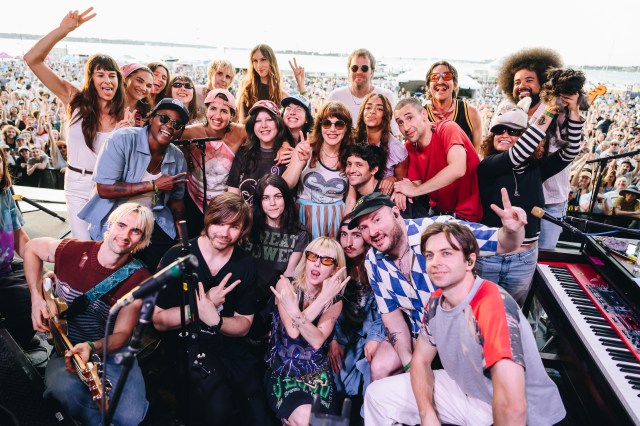
Since she was booked as Hayley Williams & Friends, Williams brought out a clown car’s worth of incredible musicians. 

Hayley Williams & Friends – Cred. @adamkissick

“Hi everybody, this is probably one of the highlights of my life,” said folk and rock singer-songwriter Joy Oladokun. Williams and Oladokun both grew up in Nashville and shared a special moment singing Oladokun’s bittersweet track “I’D MISS THE BIRDS.” They gently reminisced, crafting a love letter to the place they both knew they needed to leave. 

Wearing a fluffy wolf head hat, Remi Wolf premiered her new song “Twiggy” with Williams. She stomped around to her funky pop track about simple daily moments with a loved one. 

On Saturday, a mom sported a Trousdale shirt while anxiously awaiting the folk-pop trio’s set with her two young children. 

The group came out in their classic Powerpuff Girls-inspired green, pink, and blue outfits. They dealt with microphone issues on “Any Day Now,” and you could feel that they were a little rattled. However, they worked through it and had the crowd dancing at 11:30 a.m. 

Their latest album Growing Pains leans into Americana, country, pop and rock with a fun Journey riff on “Lonely Night.” A woman in front of me kept shaking her head and pulling out her phone to record another song because she couldn’t help it. 

Trousdale – Cred. @adamkissick

Trousdale closed out their set with their playful, yearning track “If I’m Honest.” While the front section of the crowd had seats, most people stood up to clap and dance along. 

When I attended Newport Folk Festival in 2024, the Bike Stage was a more chill spot to casually snag a place to sit on the ground. This year, people sardined to get as close as possible. 

Indie-folk singer-songwriter Madi Diaz played an intimate acoustic set with clear, controlled vocals and raw storytelling. She explored the dangers of falling in love on “Same Risk” while a shade sail rippled in the wind above her. 

When Diaz dealt with feedback issues, she joked, “This is like real music. This is not AI. Can you believe?”

Some of the sets encouraged diverse groups of people. Ahead of Lizzy McAlpine’s performance, a sea of girls with wavy hair and white tiered skirts stood near the stage in anticipation. McAlpine also channeled ethereal Clairo vibes with a white shift dress and loose claw clip holding up her long brown hair. 

She played “The Light in the Painting,” the first single off of her forthcoming album Angel. Her band constructed an eerie, echoing soundscape almost like a purposeful version of an orchestra tuning their instruments at once. The single felt simple yet vast, like rays of sunshine streaking through a skylight. 

Lizzy McAlpine – Cred. @adamkissick

Tiny Habits and McAlpine have been friends for years, so the trio came out to sing harmonies on “Pushing It Down Praying.” McAlpine performed her unreleased single “Over Country,” explaining that it was inspired by legendary Newport Folk Festival performers James Taylor and Joni Mitchell. It’s a sweet folky ballad about loving someone who accepts you as you are. 

Before I headed to my final day at Fort Adams State Park, I discovered an Instagram account dedicated to documenting people napping at the festival. The account’s bio states, “The most expensive nap these people will ever take.” It was hilarious to parse through photos of people all cozy on their picnic blanket or even face down in the grass. 

I didn’t dwell on the hourly cost of those naps for too long before checking out Brittany Davis & Black Thunder. “Big black blind and loud up in here. If I can’t hear ya, I can’t see ya,” said Davis. They are a Black and blind artist who describes that they “see” the world through sound and music in their artist bio. 

Their debut album Image Issues was improvised in 72 hours, an impressive feat. Davis returned to the festival’s roots in protest music with their song “All You Get.” Growling into the mic and bouncing across the keyboard, they sang about society failing to progress and uplift minorities. It was jazzy and experimental while still refined. Davis’ words quieted and slurred at the end as they seemed to lose faith in humanity. 

Self-categorizing her music as “bootgaze,” Clover County is an up-and-coming singer-songwriter inspired by Sheryl Crow and The Chicks. The 24-year-old artist writes about coming-of-age themes and was excited to make her Newport Folk Festival debut. 

She explained that her dad was born in Providence, so being back in Rhode Island felt like home. Since her dad couldn’t make it to the show, she dedicated “Paradise Road” to him. The bittersweet track details her journey becoming a “good long distance daughter.” 

strongboi, lo-fi duo Alice Phoebe Lou and Ziv Yamin, performed their groovy, synth-driven track “flame.” They even had some high-energy cowbell action going. 

I took a brief break to treat myself to a lobster roll from MatuNuck Oyster Bar to complete my New England festival experience. Given the $10 lemonades, I was shocked that they sold for only $25 a pop. 

CMAT – Cred. @richfury

There was nothing better than eating the buttery roll while dancing along to Irish country-pop singer-songwriter CMAT. She definitely won for most engaging performance of the weekend.

As a white cape trailed down her body, she bounded onstage singing her campy single “The Jamie Oliver Petrol Station.”  

CMAT leaned into the theatrics, striking a fainting pose and waiting for applause. She and her band coordinated their outfits in different variations of black and white gingham, which was quite adorable. 

Her joy was infectious. CMAT explained that some people comment mean things about her physical appearance online, and she theatrically collapsed onto the ground. “This is crazy because I’m very sexy,” she said before launching into “Take a Sexy Picture of Me.”

There’s something so magical about queer women singing together. Bowing to the lesbian icon, CMAT brought out Brandi Carlile. The duo sang “I’d Want U,” which CMAT described as a “sapphic torch song.” CMAT leapt into the crowd for “Stay for Something” and engaged with as many fans as possible before her time was up. 

Tom Morello encompassed the ethos of the festival. The Grammy winning guitarist from Rage Against the Machine is known for calling out injustice. He performed the rock track “Soldier in the Army of Love” with thrashing guitar. He also dedicated a cover of Bruce Springsteen’s folk-rock song “The Ghost of Tom Joad” to his late mother Mary Morello who was an activist until she passed away at 102 years old earlier this month. 

I wrapped up my weekend by admiring Carlile’s soaring vocals and enchanting melodies. “It’s heaven to be here,” she said before singing her beautiful love song “The Story.” 

Carlile said some of the most amazing times of her life have happened at this festival. 

There’s something magical about this specific place and people. While often reaching stifling temperatures, the festival sits on a serene location overlooking the ocean. People have the freedom to lounge in lawn chairs or dance near stages. Music artists feel like old friends reconnecting with their community. 

Rhode Island will always be one of my favorite places in the world. I love the sprawling greenery and the fact that people stop in the middle of the street to let you turn left. It’s remarkable how much rich musical history lives within decades of idyllic weekends in Newport, and I’m lucky to have experienced part of it. 

Bob Dylan Live: “Today and Tomorrow and Yesterday Too.”

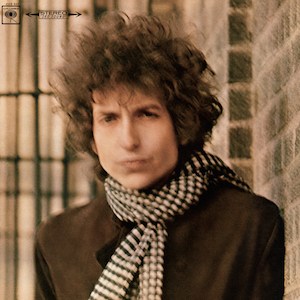
It just so happened that I found myself in Palm Desert to see Dylan on June 20th, 2026 – the day that also marks the 60th anniversary of his masterful seventh studio album, Blonde on Blonde, the home to my personal favorite “Just Like a Woman.” So, as you might imagine, I’m holding my breath, praying he’ll play it just for me.

However, I’m no stranger to Dylan’s style. I knew deep down he wouldn’t play a single song off that record, or any of the big cuts for that matter. Would I have loved to lose my entire goddamn mind hearing him mumble his way through “It’s All Over Now, Baby Blue,” “Like A Rolling Stone,” or the entire 10 minutes of “Desolation Row”? Absolutely.

Growing up I knew Dylan’s hits, but it wasn’t until 2020 that I decided to take a deep dive into his discography, and I immediately fell under his spell. At that particular time in my life, I had a bad case of the blues, and my head was rarely quiet. Those were the times when I’d reach for Dylan’s live records and be fully swept off my feet, away from my circumstances and into the crowd at Royal Albert Hall in 1966. Hearing Dylan play the essentials would have been profoundly healing for me to say the least.

But that’s what makes Dylan a very different rock ‘n’ roll legend. This tour, and every tour that came before, is by no means a victory lap or some sort of reach for ‘60s nostalgia. Word on the street (Twitter) is that he’s mostly playing songs from Rough and Rowdy Ways and cherry-picking deep cuts from the massive catalog. As a big fan myself, I was absolutely honored to see whatever it was Mr. Dylan wanted to do up there. It is his stage after all; we are all just guests.

Dylan’s longstanding “no photography” policy left for a refreshing darkness in a sold-out arena. He had the whole room in the palm of his hand despite being tucked away behind his piano, bundled up in a black zip with the hoodie all the way up. He approached his set with the air of an up-and coming singer/songwriter that nobody’s heard of but delivered classic cuts like “To Be Alone With You” and “All Along The Watchtower” like the Nobel Prize-winning folk legend that he is. Fleeting, simplified, understated, and with the grit everyone came to hear.

I am curious about the band’s re-approach to the electric bluesy shuffle of “Goodbye Jimmy Reed” and “False Prophet” that I was very much dying to hear live. I feel as though the band could be setting up Bob in a more dynamic way, something a little closer to the original pockets to give those songs more live legs. In a way that could maybe even inspire audiences who might be slightly unfamiliar with the deep cuts to leave the show with a new Dylan to dive into.

Much to my dismay, halfway into the show, I started to see attendees in my section walk out of their very expensive seats, shaking their heads, one by one, group by group. Many left long before Dylan had the crowd swooning with one of the show’s few harmonica solos during “Every Grain of Sand”. I suppose they were thinking they’d hear “Mr. Tambourine Man” or “Knocking on Heaven’s Door” and relive their glory days or something. But that’s what makes Dylan so dope. He’s put out 40 studio albums over the course of seven decades and has continued to tour as so much more than just a legacy act. He remains authentic to the artist he’s always been and never stopped. The glory days are not behind him. In his words, they’re “today and tomorrow and yesterday too.”


See Bob Dylan live here.

Ivor Awards CEO Roberto Neri on Celebrating The Art of Songwriting

I remember interviewing the late, great Tom Petty years ago at a BMI event where he was being honored for his songwriting. I asked him what it meant to be honored for his songwriting, and he said, “It means everything.” Then he joked, “It’s my job and what the guys keep me around for, to write the songs. Without them, the Heartbreakers would trade me in for Bruce,” referring, of course, to Springsteen.

Songwriting isn’t the most glamorous side of making music. But talk to a hundred singer/songwriters, and I promise you, at least 90 percent will talk about how much the songwriting means to them. As an artist, being recognized for your songs is one of the greatest honors there is, which is why artists like Elton John, Rosalia, Radiohead’s Thom Yorke, Lola Young, Harry Styles, a special guest to present Yorke with his honor,  and more showed up in person Thursday, May 21, 2026, in London for the 71st Ivor Awards, dedicated to songwriting.

Hit Parader spoke with Ivor CEO Roberto Neri about the awards, the mysterious art of songwriting, and more.    


Hit Parader: Do you feel like you have a little insight into the mystery of songwriting?

LONDON, ENGLAND – MAY 21: Cred. Vianney Le Caer/Dave Benett/Getty Images for The Ivors

Roberto Neri: I think the creation of songs is something that is totally underappreciated by everyone. And it’s something that needs to be better recognized. And the Ivors Academy managed to do that in the most efficient way possible by putting on the Ivor Novello Awards and actually elevating and celebrating the incredible songwriters that we’re able to represent. We’ve been doing it for over 70 years. But to your point, yeah, the creation itself that’s within the blessed human that can conceive the incredible art that comes from them, whether that’s the lyric, the musical elements, or the production; for some, they have to think about it, others it just flows through them.

HP: How did you first get interested in the art of songwriting?

Neri: I started writing myself from a very early age. It’s always been there for me to get me through the darkest times of my life. And then I went to have this amazing career in music representing songwriters by way of being a music publisher, working at different organizations, downtown Believe, and others, and represented some of the greatest songwriters. And it was a blessing to represent them. Now I’ve been at the Ivors Academy just over two years, where we represent over 14,000 songwriters and composers. We can protect their interests by lobbying and having strong advocacy, and then we can empower them to make sure they’re equipped for the music industry, which is very challenging, as we know. And then lastly, the celebration side is the awards, where we celebrate songwriters and put them on the platform, and then later in the year, we do something separate for composers. I’m very fortunate to represent them. There are so many different partners you can have as a songwriter and composer, but we are fortunate to be that real force for good to ensure their interests are being looked after to make sure they can actually push themselves forward and equally be awarded appropriately. We’re fortunate to do that well.

HP: Talk about the importance of honoring those who create the songs.

Neri: You have some artist-songwriters, Bruce Springsteen, Prince, Joni Mitchell, where their own song creation and their interpretation of their own music is something exceptional. There are, of course, artists who manage to pull off that authenticity of feeling in every lyric. And we’ve got some incredible greats like Adele and others who do write music but have had big assistance with co-writes. They managed to pull off those works as their own, even though they didn’t completely create it. Yeah, songwriting is the most important ingredient that doesn’t always get the appreciation, like I was saying earlier, but people see the artist, they hear what’s coming out from the artist, the voice, but maybe need to think more about where that was conceived and its true meaning and how it lives on in many different guises outside of that one particular snapshot. 

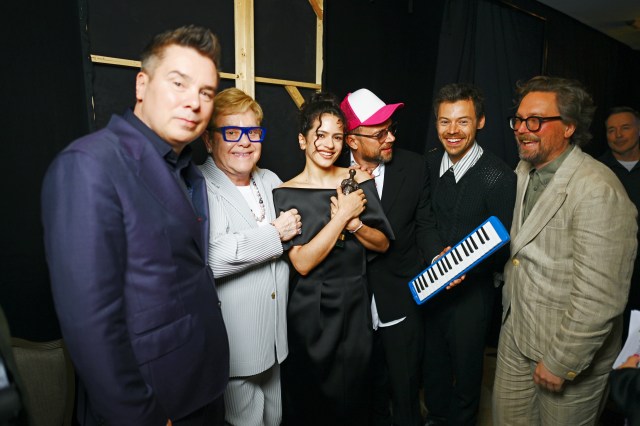
LONDON, ENGLAND – MAY 21: (L to R) Lauren Laverne, David Furnish, Sir Elton John, Roberto Neri and Sam Fender.
Cred. Vianney Le Caer/Dave Benett Agency

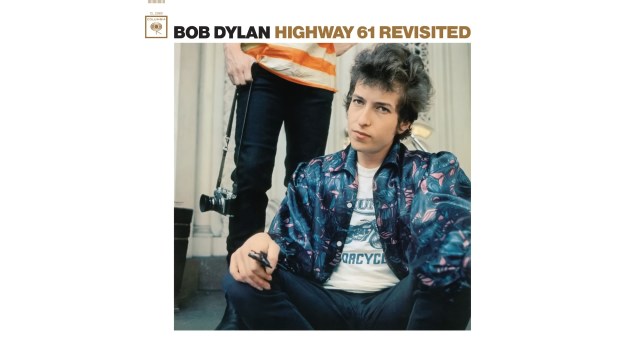
HP: I was just looking at an article the other day that mentioned the number of people who think that Adele wrote “To Make You Feel My Love.” Adele is amazing, but that should be credited to Bob Dylan, who is the only person to win the Nobel Prize for literature. So, talk about the importance of educating people on the art form that comes behind it. 

Neri: Completely, and for 71 years, the Ivor Novellos have been doing just that. The thing we need to do now is to make sure the whole world really understands that these exist. Bruce Springsteen picking up the fellowship two years ago, being seen as a songwriter, being proud to be a songwriter. We’ve got other names like that coming in the room this year doing exactly the same. They’re known to the public as artists, but they really are these geniuses and they’re so proud to be recognized for their songwriting and the craft of it. So that’s why we’re very fortunate to be at the Ivors Academy delivering these awards and showing that respect.

HP: Do you hear from the artists how much it means to them when they get recognized for their songwriting?

Neri: Absolutely. And one example of one songwriter/artist we are recognizing is Rosalía, whose Lux album has blown up globally. She really considered carefully how she would approach the album. She spent a year writing the lyrics in 13 different languages. She then worked on the music and in the third year, bringing it all together by way of production and just making it a body of work, which is cohesive. There was a lot of thought and consideration, and she’s so proud that we are recognizing her as International Songwriter of the Year this year, where everyone else is just seeing her as this magnificent artist. She’s going to be turning up next week, picking up International Songwriter of the Year, and extremely proud. This is the Oscar equivalent in music. And there isn’t an actor out there who doesn’t want an Oscar. 

LONDON, ENGLAND – MAY 21: Roberto Neri and Sir Elton John.
Cred. Jed Cullen/Dave Benett Agency

HP: How do you deal with AI?

Neri: I think there is a genuine threat for some of the sound bed music you have out there. I don’t think John Williams has got anything to worry about, but there are some real concerns around how music’s used within the score. For your songwriters, though, for your Joni Mitchell’s, for your Bonnie Raitt’s, this is something that just can’t be replaced. The soul within the lyrics and the music and the way it’s conveyed is just something I can’t see being replaced by AI. And I think already, most of the public is starting to recognize, “I need to lean in further into human creativity now and try to avoid what’s being pushed towards them.” No one asked for this creation of AI. No one asked for a replacement of artists and songwriters. So, it’s being pushed on the public, but I think the public is already starting to push back, and I think people are going to go and see more concerts. I think they’re going to buy more physical products again. I think people are starting to rediscover what they were taking for granted as they started to get everything in their pockets. They’re starting to reverse that trend; the next generation, between 13 and 20, is already starting to disregard what those in their early 20s have taken as the normal way of consumption. I think this threat of replacing your average songwriter is something we shouldn’t be too overly concerned about. That said, of course, we are doing everything we can to fight back on the policy level and to ensure we’re safeguarding their rights at all times.