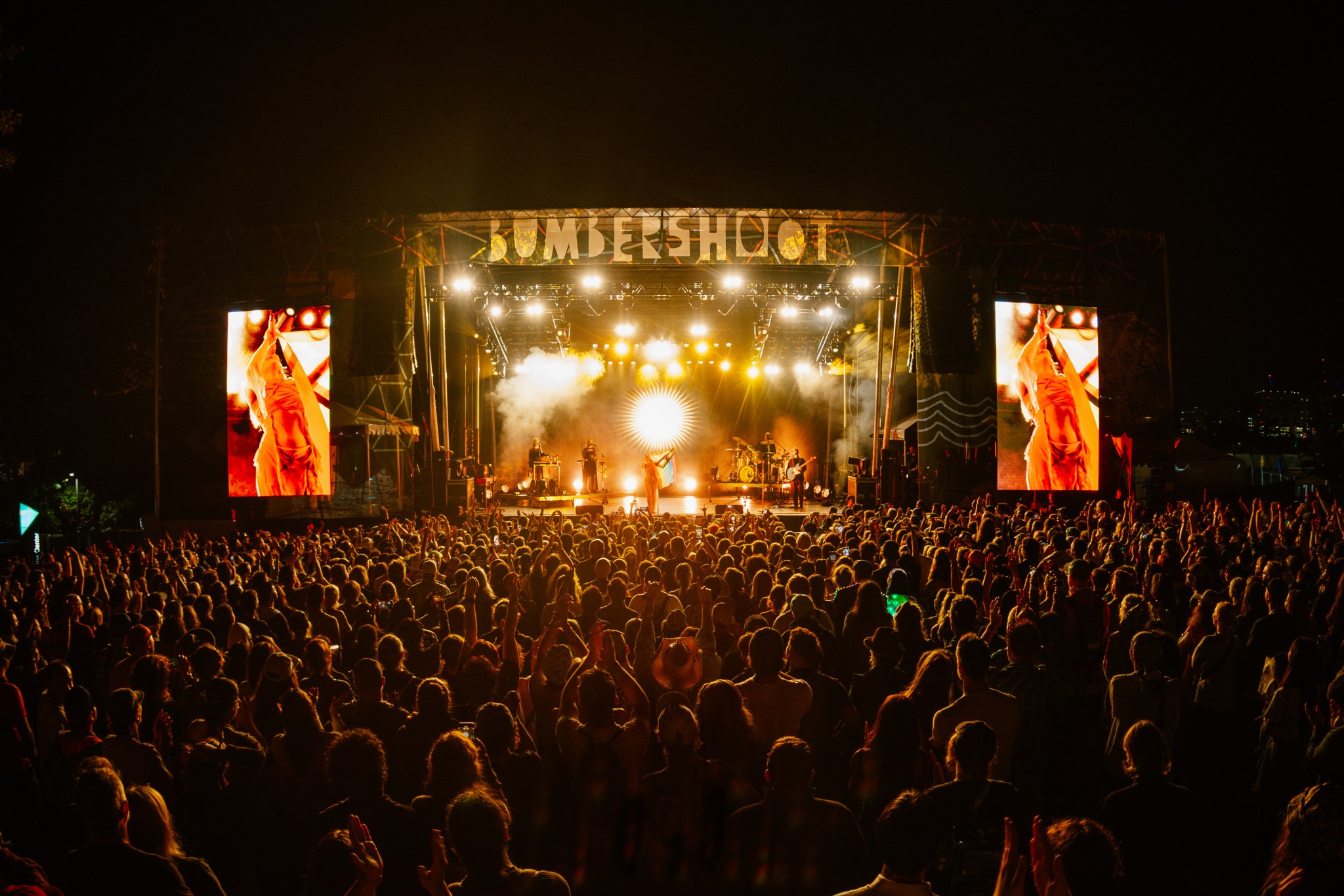
“There’s nothing I’m more grateful for that I spent some time in the trenches, was given an opportunity to present a plan for Bumbershoot that the city said yes to, that a number of great people who work at the company are by my side, who will do whatever it takes to get the job done,” Bumbershoot’s Joe Paganelli says. “And we get to create that lineup. It’s really something that doesn’t exist on paper, but it exists down deep in all of us.”
Paganelli, who took over the iconic Seattle festival Bumbershoot, happening this upcoming weekend, September 5 and 6, is a perfect choice to lead the next chapter of the event. Both Paganelli and Bumbershoot have long, storied histories leading up to their teaming together.
Bumbershoot, which began in 1971, has been an annual event at the Seattle Center for over 50 years. Paganelli has a background steeped in as much lore and history as he began his music career working at the legendary Bill Graham Presents. For those unfamiliar, Bill Graham is the first name in concert promotion. He is the Elvis Presley/Chuck Berry of the concert business.
That began Paganelli’s 30-plus year journey in live music that eventually led him to the “Emerald City.”
We spoke with Paganelli about this year’s event, which is headlined by Death Cab for Cutie and Turnstile, his vision for the event and more.
Hit Parader: What do you look for in people you bring on the bill?
Joe Paganelli: It’s a really exciting part of the festival process is the booking and the lineup. There are multiple lenses that we use to look into it. “Have they played the festival before? Have they never played the festival? Are we welcoming back a veteran or not?” Equity or equality issues of making sure that we have diverse set of voices, ethnicities and genres in there is a huge piece of it getting excited about acts that you love but understanding there are times where there’s acts that you love that will never play the festival. If we booked festivals just based on our personal preferences we’d have gone out of business 25 years ago. So, you have creative sacrifices and compromises that you make that you have to come to terms with. There are acts that you’d love to see that just don’t play anymore. Like, “How do we get the Swans on the bill? I haven’t seen or heard the Swans in so long, so you want to get them on there.” and you just realize it may never happen again, that opportunity may never present itself. So, it helps for me to have these meetings where we’re all in the room having conversations about where we’re trying to go. It’s not one person, one lens because you can get trapped inside your own bubble Then there’s collaborating with the agencies who can be helpful, letting us know who the new artists are that they are representing. So that is also a way of tapping into great new music. And then for us, because of everything we just talked about during the interview, it’s matching up surprises across eras, like finding acts…putting Boy George in the festival would be perfect because it’s such an old gangster from another era that’s still relevant today. And so many people probably owe something to Boy George for helping them be able to show up and represent and dress and present in the way that they want to. So, all of these things go into it. I’m super excited.

HP: Talk specifically about this year’s bill.
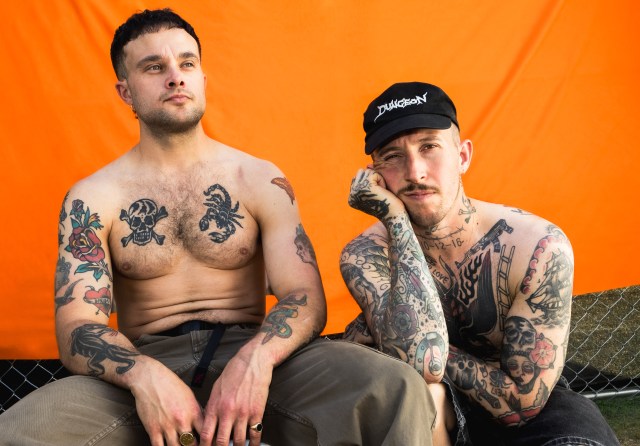
Paganelli: Turnstile is having a moment right now and Death Cab is an established act. So, we got anchors on both sides there. And Die Spitz is one of the bands that are the nightclub level bands that are coming up or that they recently played KEXP and you get to see that. They’re female fronted and you it’s straight-ahead killer rock and roll. To get to find a slot for them is a special moment. And Atarashi Gakko from Japan, it’s exciting to introduce people to that type of music from another place. With Bikini Kill you get to draw from Seattle’s legacy of rock and grunge uh we also have KEXP as an influencer and they’ve kind of created culture in our community. We sometimes turn to those inspirations, as well as Sub Pop has a great history here. So, it comes from different places and there are a lot of iterations before the final thing comes out. We thought we lost Orville Peck on the lineup this year and we’d have to replace him, but Orville ended up coming back to the lineup. So, some acts drop off. How it starts out in November before the August thing looks one way. And it evolves very much by February, March, when you’re putting it on sale and then it evolves just a tiny bit more once you’re on sale. It’s kind of an animal. I look at it as a living creature, right? And it’s sort of like nothing exists. Nothing exists right now for next year’s festival, but yet there’s still a spirit underlying it crawling around. You know, some spirit is wafting around that wants to become something that will be 2027’s lineup.
HP: Was there an early experience that gave you the concert bug?
Paganelli: We had an Ozzy Osbourne show when I was in like sixth grade. I was going to this Catholic school. It was going to close soon for lack of students and tuition. It was just getting smaller and more broken. But Ozzy Osbourne came to Glens Falls, New York, and the nuns literally locked the fucking doors because they knew that some character who dresses like the devil and eats the heads off of a bat was coming. So, they locked the doors and had us preparing as if it was earthquake. We had to get under our desk, we had to line up in the hall wearing our uniforms. This crazy, frightening creature named Ozzy Osbourne, whose name even sounds scary if you’re a fifth grader and you’re being misinformed by nuns was coming to enter the building. They want to get in, and they want to do harm to us, right? It turns out they’re all just RPI and Skidmore college students who need to use the bathroom because they’re waiting online for buying Ticketmaster tickets to see a concert at the little mini hockey arena down the street. You’re like, “Who are all these people and what do they know that I don’t know? I’ve got to figure out why they all know something.” You get drawn to it like a siren and want to be a part of this thing,
HP: Is there a festival Bumbershoot reminded you of when you were outside the festival?
Paganelli: Bumbershoot is interesting because when we were doing an interview for Pollstar in the first year, they were like, “What kind of festival model is this anyway? It’s 50 years old.” And I was saying, “Well, I think the DNA is maybe most similar to Glastonbury. They’re both independent. They’ve always stayed independent. They both have a 50-year history. They both have major eras of success and major eras of destitution. And they’re both multi-genre, multi-discipline, visual art and experiential. And there’s not many left of these.” I called it in that moment, I was like, “Oh, it’s the community engaged model. We want to create a new model for festivals where we implore and work with and collaborate and invite Seattle and the Pacific Northwest influential business and community leaders to support something that can and did become and continue to be part of the cultural and institutional fabric of the city, not unlike Seattle Opera, not unlike Pacific Northwest Ballet or the Space Needle or Pike’s Place Market.” And that’s what the great people before us who put their time and effort into the festival made it. The city owns Bumbershoot. It owns the brand name and it doles out periods of stewardship. But it’s our job to just shine a light under that stained glass and let the creativity and the work that people did for generations before us.