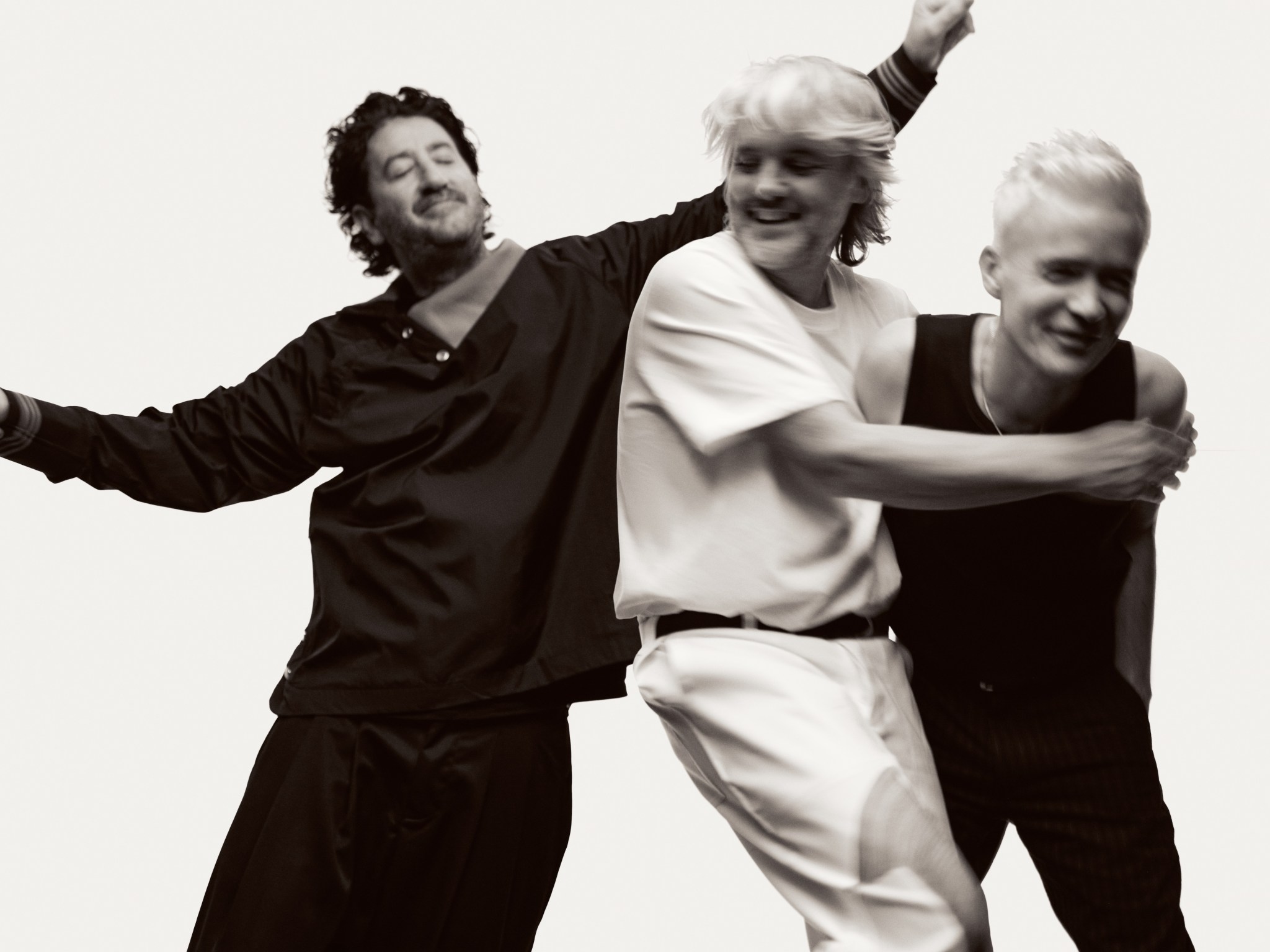
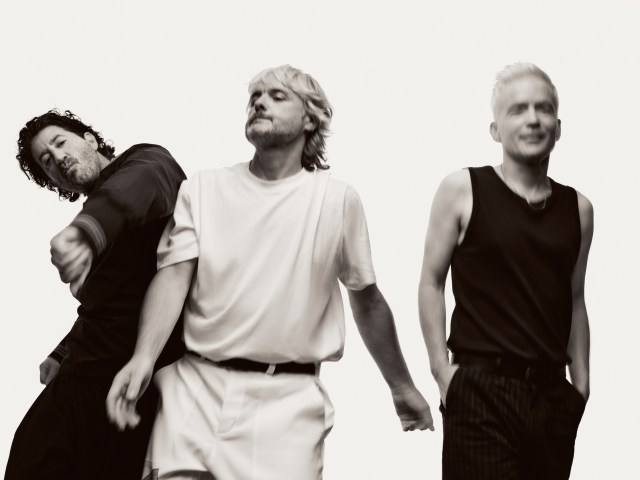
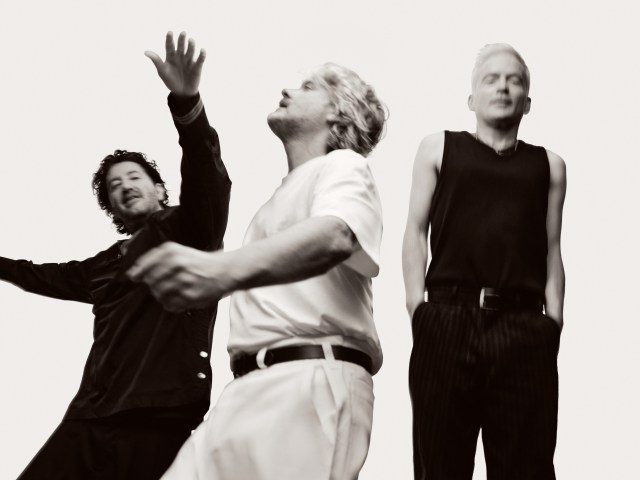
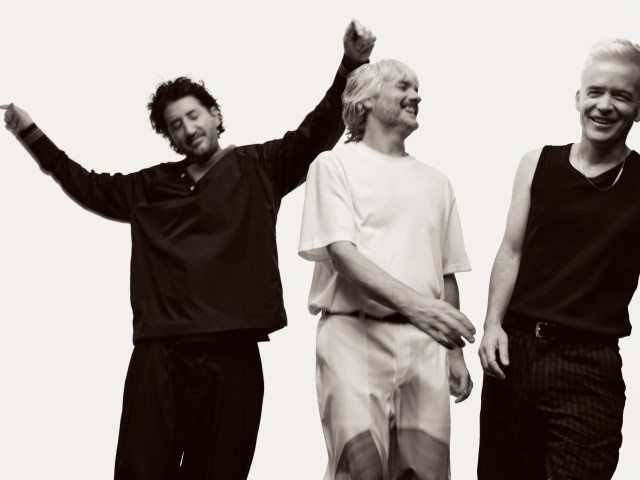
In the electronic music sphere, very, very few artists have come close to being as influential and innovative as the Melbourne-born band The Avalanches. Active for nearly three decades, the group is made up of lifelong friends Robbie Chater and Tony Di Blasi, along with longtime collaborator Andy Szekeres, who joined more recently. Their sample-forward sound has always pushed the boundaries of the electronic music scene and put them straight into the limelight with their critically acclaimed debut LP, Since I Left You. Twenty-six years, many awards, and many charting tracks later, the group is gearing up to drop their fourth studio LP, with a core question and thought that ties the 31 songs together: If a jingle or piece of advertising music gets stuck in your head the way a traditional song does, does it still carry the same weight?
The group has always found innovative ways to draw beauty, positivity, sometimes tension, and usually new and unconventional emotions from preexisting works through sampling, and their new LP, No Bad Memories, might be the strongest example of that to date. From unconventional samples you might find in the back of a dusty local record shop, not a second on the LP goes by without feeling incredibly intentional. And there isn’t a second worth missing on this record.
Hit Parader had the opportunity to sit down with Robbie Chater ahead of the record’s release to talk about everything that went into No Bad Memories: the most unique way they found samples, the bucket-list collaborations they checked off and friends they made, and what it means to be in The Avalanches after all these years.
HP: What media are you currently consuming, music aside, that is affecting you in a creative sense?
RC: Well, that’s really interesting. I take a lot of inspiration from other mediums. When we’re making an album, we’re diving so deeply into music that I don’t really listen to much other current music. With sampling, but I’ll be often be inspired by any other form of vibrant creativity. I watch the McQueen documentary, and that was incredibly inspiring, inspiring Alexander McQueen. His really punky, fiery attitude to his creativity, or something like a beautiful piece of filmmaking, like Chungking Express, or old films that will really inspire me as well. So it can be different things.
HP: And those things cross over a lot into the visuals that surround the album cycle as well, which is really cool.
RC: Yeah, they do, they do. And the visual world is a big part of the creative process for us.
HP: 100%. Congrats on No Bad Memories coming out soon, by the way! I’d love for you to take me back to the earliest stage of the album, when the songs started to take shape as a collective entity versus just a couple of things you were throwing around.
RC: Yeah, I think we’re always writing material. Sometimes more than others, if we’re touring, maybe a bit less, but then about two years ago, this idea of exploring ourselves and our own identity through the advertising we consume during our lifetimes began to really take shape. And we began to become really interested in sampling, not what we would traditionally sample, which was dusty old records, but exploring this whole different language of advertising, and it was really interesting, because this is music and sounds that are made to sell products. They’re made for an intended purpose, but we still found lots of beautiful moments within them, and were able to make this joyous pop music, even though it was sampling material that was made for commercial purposes.
HP: Super cool. With the sampling of those commercial advertising sounds, and their almost nostalgic quality, at what point did you know those sounds carried the weight and feeling they did, and that they would be the core of this album?
RC: I think after a few months of experimenting. Because at first, you’re not sure when an idea is new if it does have that weight that you’re speaking about. But then after a few months of experimenting, we began to realize this is a really rewarding area to explore, because we all grow up in this capitalist world, and we’re all consuming advertising. So it’s very, actually very relatable. We can all relate to it. And we all have to navigate that world and be bombarded by all this advertising. And so it was, as we began to talk to some of our collaborators and friends, we realized, “Oh, everybody shares this experience,” and that it was a very rich vein of creativity to explore.
HP: What sort of lens did you want that message to be viewed through? A positive, a nostalgic, a neutral lens?
RC: That’s a really good question. I think ultimately our music is about connection and positivity and, yeah, it’s a positive outlook. It was great to take some material that maybe had an ulterior motive and put a positive spin on it. Actually, find the value in all these old ads; I’m sure you’re the same. There’s this amazing music we hold very dear to our hearts, music that means so much to us, whether it’s our favorite records of all time, but then, we began to ask ourselves the question, “Well, is there a beautifully written jingle that has stuck in my head for 20 years? Is that any less of a brilliant piece of creativity just because it was for a brand?” They were very interesting things to think about.
HP: Yeah, and they’re also questions that are left almost up to the listener, rather than something that you are solving. It’s a question that’s presented.
RC: Exactly, exactly, and I think that what we’ve learned over the years is we want to create enough of an experience that it’s a world for them. The music goes out into the world, and people have their own experiences with it, their own meanings, their own lived experiences, and we’re not telling people what to think. It’s sort of like an open question.
HP: Yeah, I love songwriting that builds around the concept of archetypes, just being able to leave enough room between the artist and the music that they’re creating so that there is also room for the listener to put themselves in it.
RC: Yeah, it’s really awesome, and I think over the time of making our albums, we will meet people at shows or somewhere, and they will say what the album means to them, and it is so much more wonderful and brilliant than anything I could have dreamed up, and that’s the beauty when you leave that distance.
HP: 100%. With the sampling, and both just with the more traditional samples that you dug for on the record, as well as the advertising-based ones, I’m curious as to what the most unconventional sample that ended up getting on the record was .
RC: Oh, there are a few, but the artist Cornelius, he’s an amazing Japanese artist, and he’s become a dear friend over the years, and he has a little parrot, Bunchy, in his house with a Japanese accent that speaks English. They’ve trained it to say “Avalanches,” so… It’s a sample of his bird saying “Avalanches” that opens the record, so that’s probably the craziest sample.
HP: That’s insane. You should lead with that more!
RC: [laughs]
HP: That’s so cool. What about some of the… What about some of the songs that are repurposed in the record, what are some of your favorite uses of those samples?
RC: I think one of the ones is the vocal sample in “Together,” which is from an old British TV show called The Famous Five. And that came about because our bandmate Andy, his kids were watching this show, and he heard it in the background, and he thought, “Oh, that’s a sample.” And I actually didn’t know that story until he told me the other week. So it’s really interesting how things can just be a nice coincidence.
HP: Really cool. Out of curiosity, what does a good Avalanches interlude track need to feel like for you?
RC: That’s really interesting. I think something that wakes you up out of the mood you were in, and gets you ready to go somewhere new, or something like that. But also, we often have little interludes that become really annoying. So it’s hard to make the ones that stick with you, and stand up to a lot of listens, and they’re the ones that actually make the album.
HP: I feel like the way you approach it is a much more interesting approach than a lot of other modern music, where it’s treated as an afterthought, but it seems very intentional for you guys.
RC: Yeah, it really is. And they’re actually just as important as the songs, and they allow us to tell more of the story in a different way, I think.
HP: Very cool. I’d love to talk a little about the collaborations on the LP and your favorite additions to the record, off the top of your head.
RC: Portraits of Tracy is one, she’s just such an incredible talent, and reminds me of Prince or something, that she can play every instrument, she writes all these songs herself, and that song, “Can’t Get Over Losing You,” is actually quite dreamy. It was cool, but it was almost a little boring or something, and then she took it and added these big rock drums and obviously, her brilliant vocals. And it’s just become this whole new thing, and one of the beautiful things about what we do is getting to meet and sometimes become really close friends with some of these people, and Tracy’s just become a dear friend, and she’s just such a beautiful spirit and beautiful shining light, and I’m just really grateful that music allows us to connect with people in that way. Karen O is another one, that song, “Blue Shadows,” I just could never imagine anybody ever singing on that. She just somehow did this amazing vocal, and just her as a person, and how supportive she’s been of what we do is just something else that’s really special to me. Ryoji Ikeda, I’ve loved his work for a long time, so being able to work with him was a real life goal for me. It’s really cool.
HP: Checking off your bucket list with these features!
RC: Exactly.
HP: And the Portraits of Tracy feature I thought was especially amazing, because I was reading the comments on the music video, and every single one of them was just like, “I can’t believe this collaboration is happening, but I’m crying right now, and this is the most incredible thing that’s ever happened,” and it must be a surreal feeling to have a fan base that is so intertwined between these two artists, and then being able to also just bring that vision to life, and have your fan base be so supportive of that as well.
RC: Yeah, it’s absolutely wonderful. I feel like I didn’t really realize until more recently that Tracy was saying, “Oh, I learned about production by figuring out how to recreate Since I Left You or something, from all the samples that were on the internet,” and I had no idea that our music meant that much to Tracy, and then her fan base seems to really embrace our music and vice versa, and it’s just beautiful. It’s just a beautiful thing.
HP: It seems like the entire record is full of collaboration where the joy is mutual between both of you, because you want them on the record, and they’re stoked to be on the record.
RC: Yeah, yeah, it really is. It really is.
HP: I love that. And this might be too broad, but I’m curious: what did this album allow you and the Avalanches to explore that you hadn’t found the right way to explore on previous projects or records?
RC: I think it allowed us to be braver and crazier, and that was really refreshing, I think to make shorter songs and have these nutty interludes, which allowed me to just express this. I never want to get stale or boring. So it was really fun to make something that was a bit more chaotic, and almost in the spirit of our first album, in a way. So that was good, and I think a lot of the synth work we got to do, and really explore what the synthesizer can do alongside sampling was really cool. Because we’re exploring a lot of sounds from that era, that was a lot of fun, and that was new for us as well. And Andy, our bandmate, that’s his forte, so that was a really lovely way of him being able to really shine on this record.
HP: Super exciting. So, going back to your roots, but also pushing yourself a bit further.
RC: Definitely, definitely.
HP: What are you most excited about bringing the record to the live stage in a couple of weeks? Tell me more about that.
RC: Oh, I’m excited! Just to be doing it, because we’re so grateful to still be doing this after all this time. It’s amazing to think we’re still doing shows and people want to come along. I love that communal shared experience of music, where it’s all just about the music and all of us sharing it in the room. That’s just an incredible feeling. And I think I’m also excited to figure out a new way to do a live show where we’re actually pulling the songs apart and the samples apart, and showing people the different elements of how a song was constructed, and trying to make it just a unique experience of sampling as well.
HP: Very cool. Not just a traditional DJ set of sorts, just actually showing the stems and actually what went into the production.
RC: And using the samplers and doing it properly, doing it for real.
HP: I love that. To start to wrap up, the band’s story is sometimes told through your previous records, the sampling, and the innovation in the electronic space. In your opinion, what do you think gets missed about your legacy when people see it through these lenses?
RC: I don’t know if it gets missed, but I think it’s been a beautiful, long friendship between Tony and me that really is at the core of it, and it’s very unique. We’ve had this incredible journey together through some really hard times, and what we’ve learned about ourselves on the journey, when you face challenges and overcome them, I think that’s been the whole point, in a way, and we get to make this art and express ourselves, and we’re very grateful for that. I think that’s just been the most wonderful thing, because I’ve been given so many gifts and learned so much about myself, and I feel in a really good place in the world, and that’s because of what I’ve learned along the way.
HP: The music’s almost a byproduct.
RC: Yeah, exactly. That’s just this beautiful expression that I feel very joyful to do.
HP: Okay. For the last question, very broad, what was one recent moment that reminded you why you still do this? Why you do this?
RC: Oh, I think it’s just about connection. I think we’ve done a series of pop-up parties recently that are just free gigs in little bars in London and Sydney and LA, and it’s just being in a room with people and playing some new music for the first time, and just feeling that connection. And I really love when you’ll see maybe a couple in the room, and “Since I Left You” comes on, and they hug, and it’s their song, and it has all this meaning in their life, and it’s not really about me. It’s just this beautiful cycle of music, and I think that reminds me of what it’s all about, and I just get to be part of this big cycle of music like we all are; that’s just so special.