I Hope They Find Us As Funny As We Do: An Interview with Panic Shack

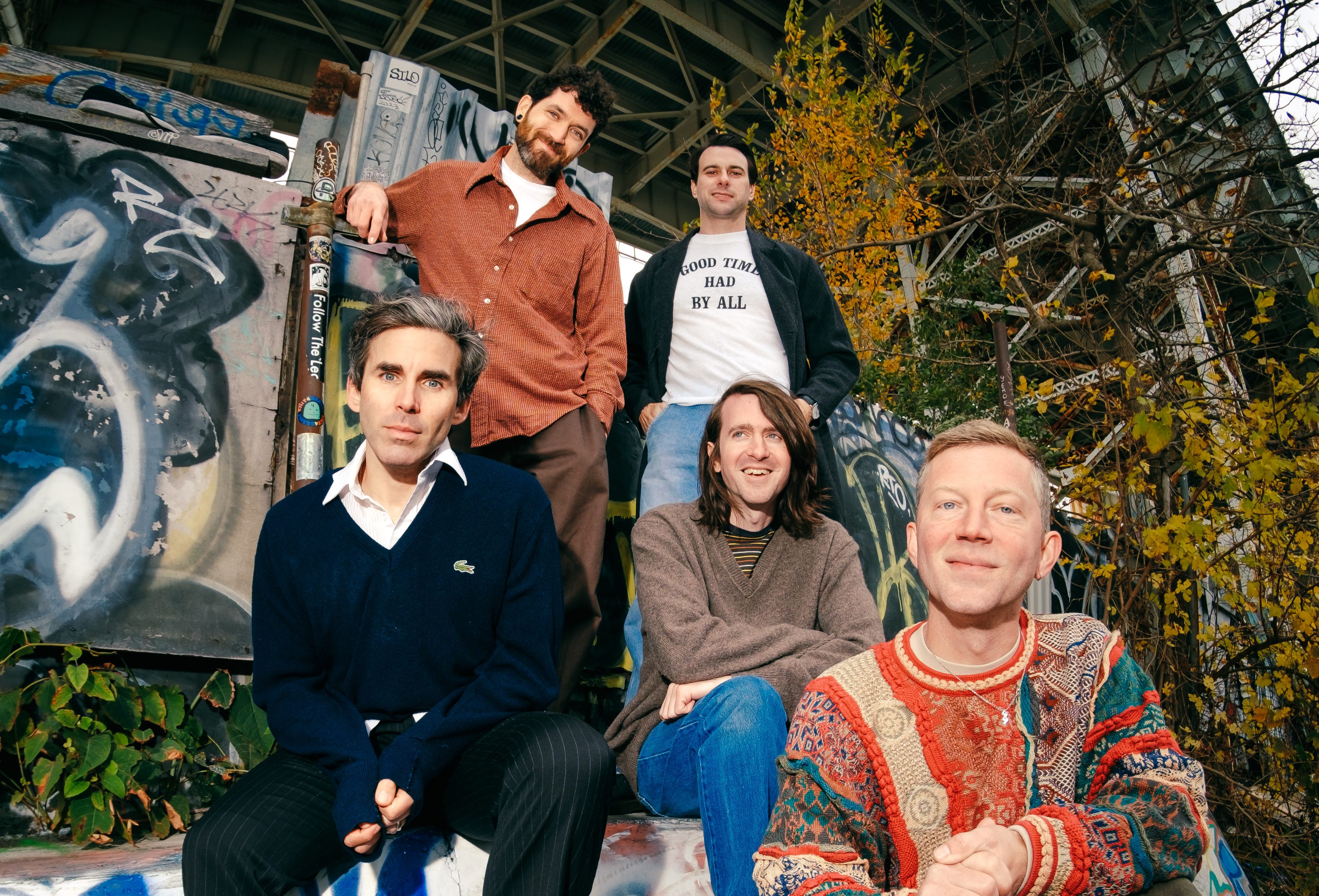
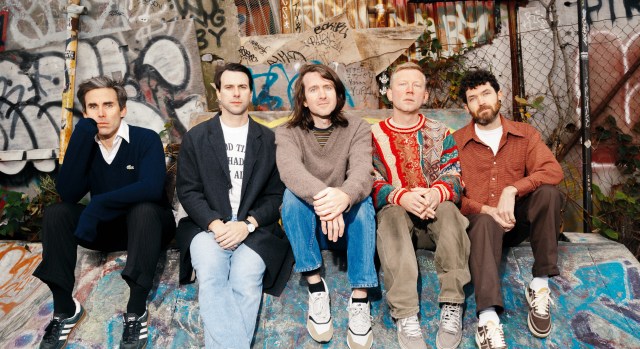
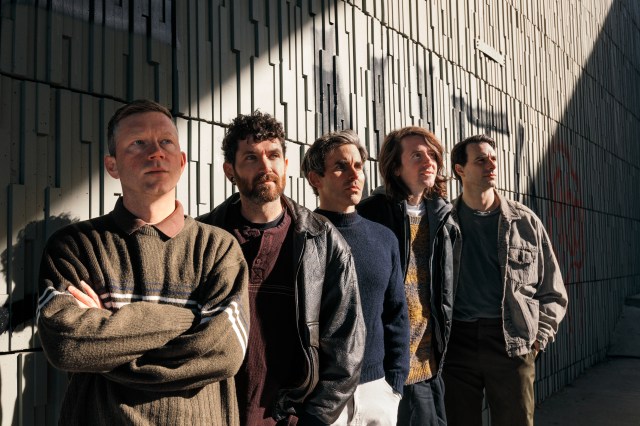
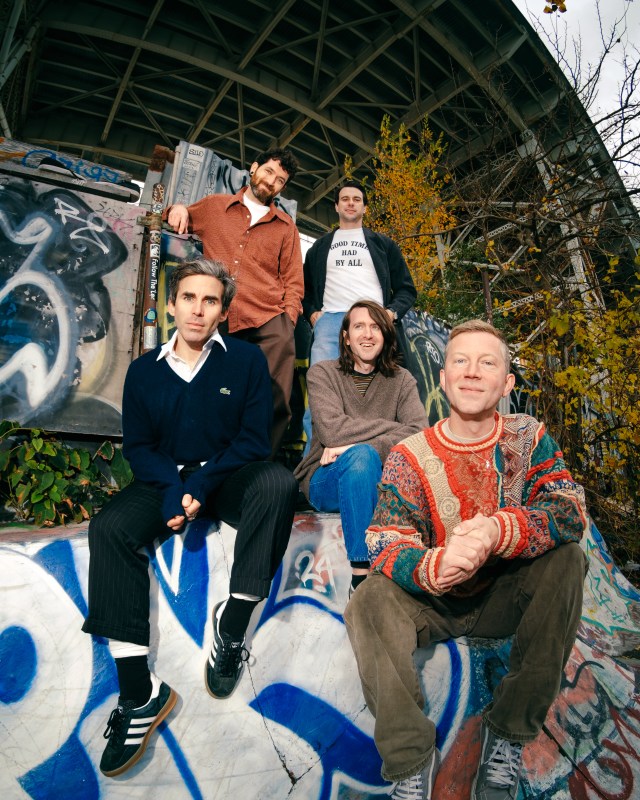
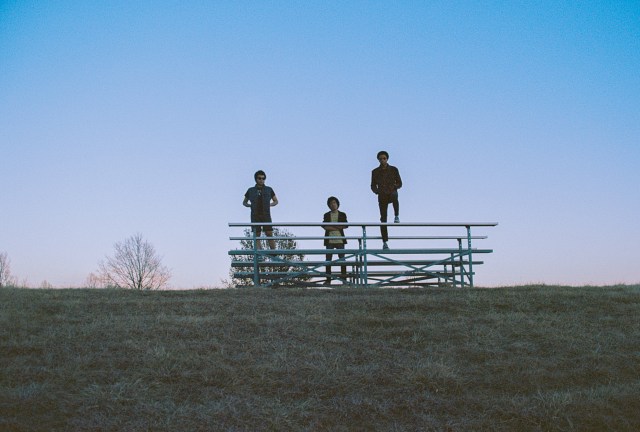
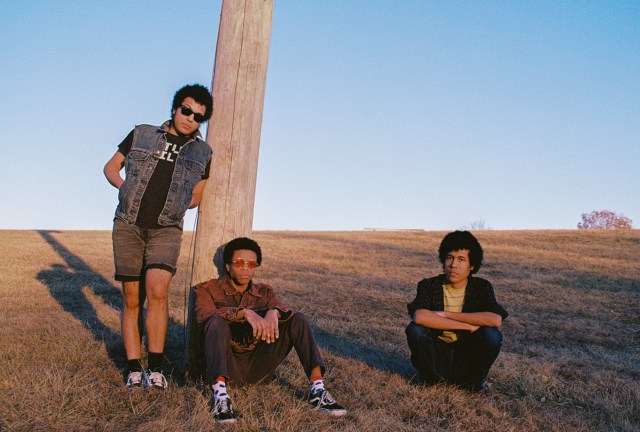
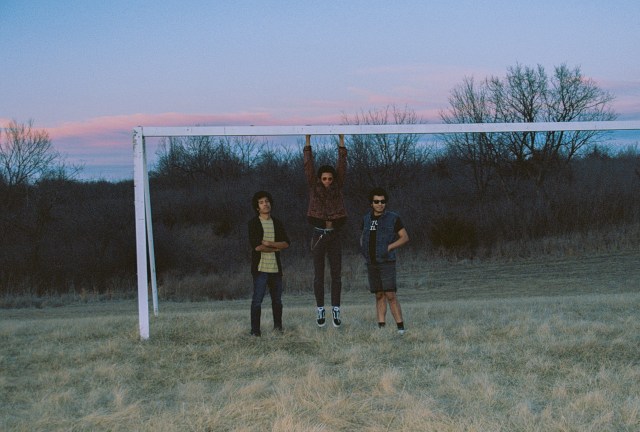
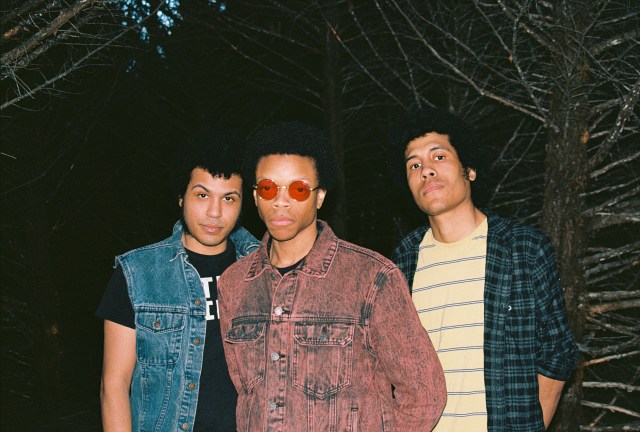
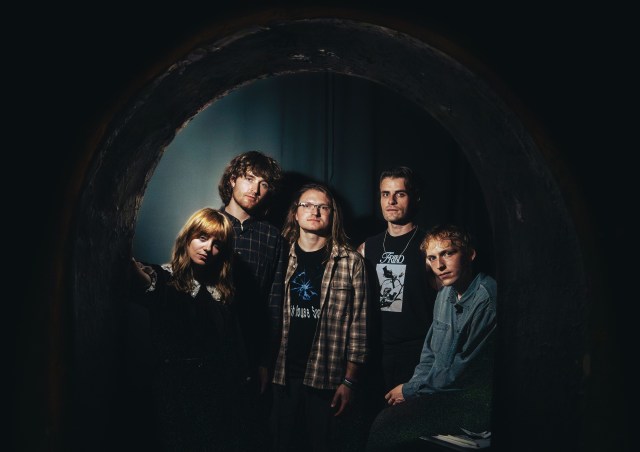
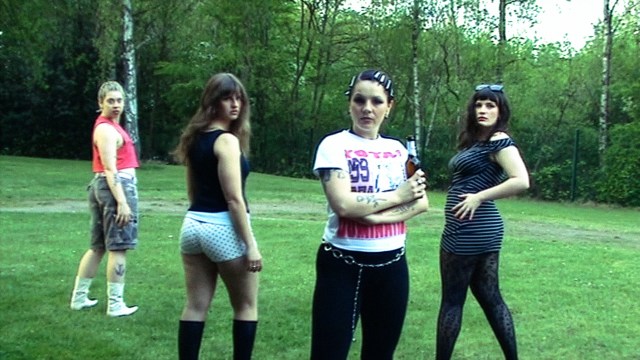
If you’re not performing music with your best friends and having a blast doing so, you might just be doing it wrong, and nowhere is this clearer than in the riot grrrl group Panic Shack. Formed in 2018, the Cardiff-based group, consisting of Sarah Harvey on lead vocals, Meg Fretwell and Romi Lawrence on guitar and backing vocals, Em Smith holding down the low end and singing, and Nick Williams on drums, earned a respected reputation for their highly entertaining live shows, witty lyricism, and an obvious enjoyment of their craft. Their sound is rooted in the punk classics that came before them, but having grown up on music far from it, the tongue-in-cheek powerhouse of a band has been building one of the best modern punk catalogs over the past few years, culminating in their highly acclaimed self-titled debut, Panic Shack, released last year, and earning a deserving stamp of approval from UK legends Sex Pistols by opening the US leg of their upcoming tour. 

Not that they need that endorsement, as Panic Shack’s ethos makes one thing abundantly clear: They love making music, they love putting on a memorable live show, and they are not slowing down. On the cusp of their first headline run of US shows, the group is ready to bring their chaotic, humorous, hard-hitting set to the other side of the Atlantic. Before Panic Shack packs their bags and brings their Welsh energy to the US, Hit Parader sat down with Meg and Emily to chat about their fantastic single “grin & bear it”, the North American shows (and the dangerously long drives in between), my obvious lack of understanding of Welsh slang, and much more. 

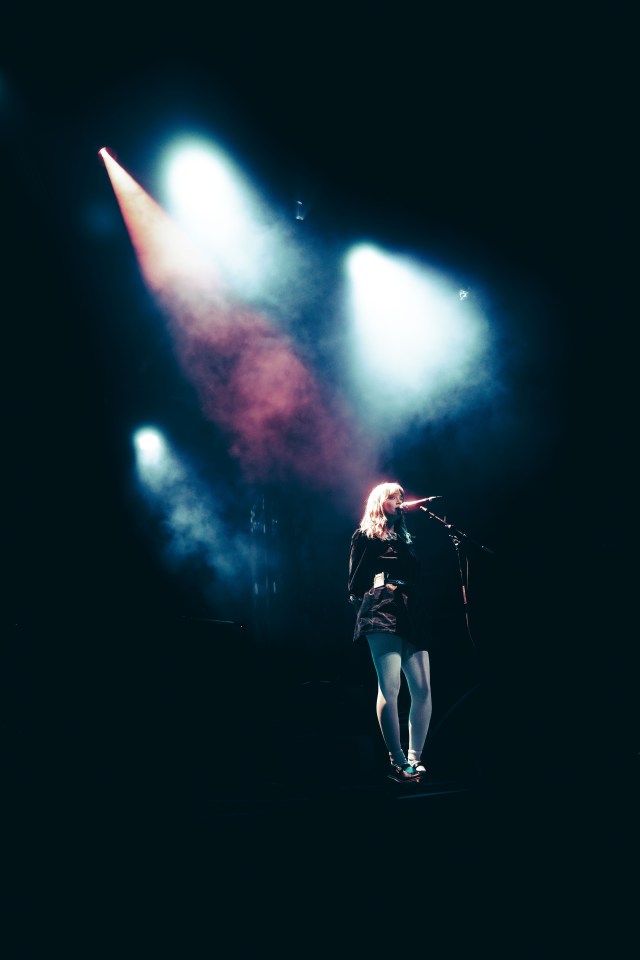
Cred. Panic Shack

Hit Parader: Just for an icebreaker, if you had to give your top three favorite things that have happened to you as a band this year, what would they be, and why?

Meg Fretwell: One is this single coming out, “grin & bear it”, because I love it. I just love it, I think it’s class, and another one was announcing the tour, the North American dates, because that feels like the biggest thing in our career.

Emily Smith: Going to Texas as well. Going to Texas was great – the second time we’ve been, so fun. 

HP: Love that. Congrats on “grin & bear it” coming out; that’s super exciting! I read that the track was sparked during a night shift in 2023. I’d love to know what was going through your mind that led you to get those lyrics out in that scenario?

ES: I think it was at the time; it was over lockdown, so everything was so fucking stagnant, and nothing was going on. You just kind of felt like jobs, there were no gigs, literally working overtime, still skint (broke), so yeah, I think it’s just been a theme of ours forever. We’ve always just been a bit skint and worked really hard, and it’s getting more and more challenging, juggling a successful band and working too. So yeah, it’s about struggles.

MF: Yeah, it feels super poignant now. It feels like the perfect time to drop the track. It’s had many versions, but it feels like the right time.

HP: And with it having a lot of versions before landing on the final version that came out, what changed between those versions, and what changed the most since the first iteration?

ES: The music, the vibe.

MF: It sounds a lot darker now, heavier, grittier, angrier.

ES: Yeah, your feelings just get stronger and stronger the more fed up you are. So I think we really channeled some rage into this.

HP: That’s fair. Out of curiosity, what was the signifier that the track was on its final iteration, and you finally got it to the point where you were ready to put it out?

ES: We didn’t finish writing until probably the day before. We were changing things up. I think the main “you’ve got to get this done” thing was we needed to release a single, and we work really well under pressure.

MF: I mean, we always work best under pressure. We need someone to give us a deadline. Otherwise, we will procrastinate.

ES: Dilly dally a little bit.
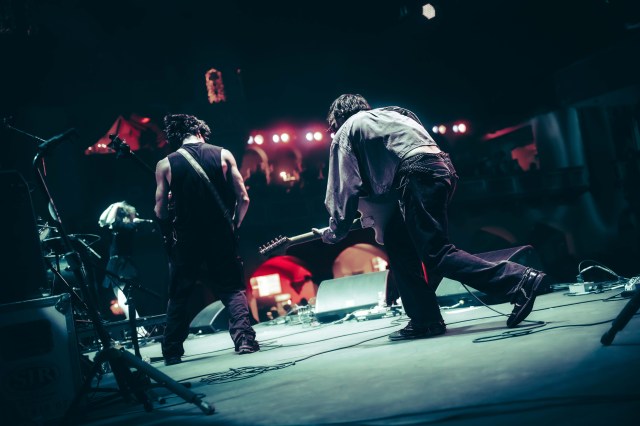
Cred. Panic Shack

HP: And we all do that. I understand that so much as well. I mean, completely fair. I’d love to know a little bit more about working with Ross [Orton] on the track as well.

MF: Yeah. It was kind of funny because we had been reworking the song on GarageBand. We’re kind of novices in our own production realm. Emily’s actually really good; Emily can set up a really sick Kyle drums on GarageBand, which we use for all of our projects really, until we can get Nick on them, or we put an 808 down. So we sent it to our management, and we had no idea they had sent it out to Ross, because we always wanted to work with Ross, and we didn’t know he’d been sent it. He came back and said he really liked the sound of it. And we were ultimately just embarrassed but also chuffed (excited) because he liked it, and then when we got to the studio in Sheffield it just went so smoothly and it was so chill, and we just clicked. We just really got on with him. 

HP: Out of curiosity, you said that on your debut self-titled album, you consciously moved away from the label of just being in the category of punk. I’d love to know what genres, sounds, or other forms of inspiration you drew from that might surprise fans and that you haven’t discussed before.

ES: I think we all just really don’t want to put ourselves in a box, and I guess we call ourselves a punk band, or other people call us that because of the way that we write songs, and the Riot Grrrl movement. But we all love dance tracks and girl bands, like Sugababes, Confidence Man, we love little dance-y tracks.

MF: Yeah. We like to party and dance, and we really wanted to experiment, adding synths and stuff to the record. We got to do that, and yeah, it is very ‘us’, but we wouldn’t really have been able to do that outside of the studio, because we just don’t have the means. We have our guitars, and that’s it, so it was fun to go in and experiment with more dance-y stuff.

HP: That’s awesome, and I would argue that genre lines are blurring more than ever in today’s music industry as well.

MF: Yeah, I think so. I don’t even like some of the genres that people come up with. They’ve come up with “indie punk” and stuff like that. We were raised on indie guitar music. We totally collectively bonded over that when we first got together, aside from going on nights out and listening to dance music, we love classic indie rock.

HP: What originally drew you towards Riot Grrrl and that sort of cathartic form of emotional expression?

MF: I think it’s just that we happen to be women making music. But if we’re speaking actual Riot Grrrl inspiration, there’s a film about Bikini Kill and Kathleen Hanna called The Punk Singer, and this was before I was even in a band, that was so inspirational to me. You can watch it on YouTube still, and that pretty much changed my life, before band stuff. I think we just get lumped into that category because we’re women who are angry and making music. But specifically, yeah, Bikini Kill and Kathleen Hanna.

ES: Yeah, I remember listening to The Slits for the first time when I was 15 and I’d never heard anything like it, and I was obsessed. I thought it was so fucking cool. 

HP: So you formed in 2018 as a metaphorical middle finger to exclusionary music scenes, and you’ve been vocal about making it feel more accessible to play music, especially for women. What’s one concrete change that you would wish could happen, either socially or structurally, that could help people wanting to make art take that first step?

ES: I think I didn’t even know that being a sound engineer or being a tour manager was even a possibility until I started gigging. I was like, being a lighting person or a sound person is such a cool job, but you don’t see many women doing that. I just think you’re not exposed to it, or you don’t see the representation, so maybe some programs where you can get into those things, because it’s not just about being on stage and being a performer, it’s everything that goes with it as well.

MF: And particularly people from working-class backgrounds, those jobs or being in the arts and creative industries, you don’t even know about them. So, like Em said, more programs, more resources, free resources for people to get into the creative industries and be able to express themselves creatively, and those being taken seriously as a job. Because in our working-class communities, it’s not taken as seriously, and that sucks. So you’re always pushed into doing something that makes you money. I think it’s just about accessibility and realizing that you can do that. 
Cred. Panic Shack

HP: Completely agree. And you have some shows coming up in the US! What about Cardiff, Wales, or the UK music scene do you want American audiences to understand through your music and live performances?

ES: I just want them to have a good time.

MF: Obviously, I hope they get our sense of humor, because we don’t take ourselves very seriously, and I hope the people in North America find us as funny as we find ourselves. I hope that doesn’t get lost in translation.

ES: I don’t think I’ll be talking much on the mic. I’m gonna say that. Nobody ever knows what I’m saying [laughs]. They don’t in the UK really, to be honest.

HP: Has that ever been an issue, from the touring that you’ve been doing through different parts of Europe, with the Welsh accents? 

ES: Yeah, I’d say so. It’s crickets a lot of the time when I’m talking. I’m either seriously not funny, or they’ve got no clue what I’m saying.

MF: That’s crazy. You are seriously funny to me, I’d be pissing myself. I’ll have to translate Emily’s accent sometimes for people, but it’s funny. I think just double down on it. I understand the Irish, there’s a lot of Irish bands out at the moment, I can always understand them, so I don’t get why people can’t understand the Welsh accent. 

HP: Oh man, that’s great. Out of curiosity, what aspect are you most excited for, and what are you most nervous about, for the upcoming shows?

MF: I am most excited to play the shows and connect with people and figure out who is turning up to a Panic Shack show. We’ve got an idea here and in Europe, but I’m really excited to be able to connect with people. The thing I’m most nervous about is the long drives. We’ve never experienced doing a 10-hour drive, that’s not happened before. 

ES: Yeah, I agree, that’s the same as me.

HP: To start to wrap up, if you could keep one thing about how Panic Shack is remembered 15, 20, 25 years from now, beyond chart positions, songs, accolades, what would you wish that to be?

ES: When people see us, they can tell that we’re best friends, and I think it would be nice for them to remember that we’re real tight mates who just love each other.

MF: Like girlhood, just a representation of that, and that being something to be remembered, and also just how fit we are.

ES: Yeah, like how bangin’ our asses are.

MF: Yeah, it would be nice to be remembered for people thinking we’re funny and best mates, and that against all odds we managed to do this.

HP: If you’re not making music with your best friends, then you’re not doing it right.

ES: Exactly.

Catch Panic Shack on tour here.


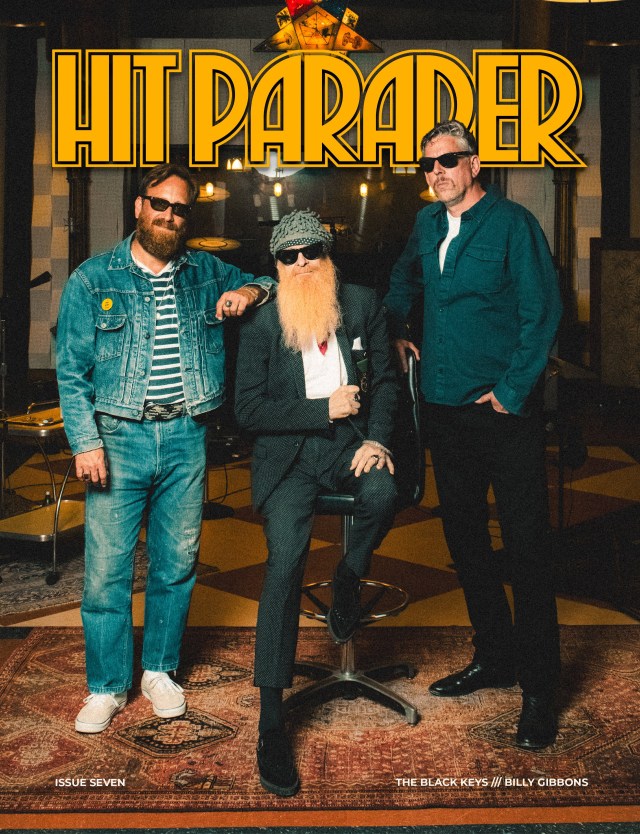
See Panic Shack + much more in this month’s issue of Hit Parader Magazine.
Radio Free Alice’s New Single “Kick in the Shins” Pulses With Dramatic Energy

Post-Punk Australian band Radio Free Alice released a new single today called “Kick in the Shins”. The vocalist, Noah Learmonth, shared that “at its core, [Kick in the Shins] explores the feeling of being confused by the culture around you, and the isolation that often comes with that confusion.” Learmonth also shared that “‘Kick in the Shins’ is a fusion of two songs that never felt all the way complete. We loved the verse of one of them and the chorus of the other, and it worked when we combined the two.” The track was produced by familiar names, Ewan Pearson and Peter Katis. Pearson has worked with Depeche Mode and Franz Ferdinand, while Katis has worked with Interpol and The National. Radio Free Alice noted that they “wanted to create a song you could jump around to.” This is evident through the driving bass lines and energetic drums that are paired with hooky electric guitar riffs and rhythmic acoustic strumming. “Kick in the Shins” pulses with dramatic energy, dragging the listener along for a wild ride. You can stream the song today and watch the visualizer to fully jump into Radio Free Alice’s new release.

Radio Free Alice has been busy with constant shows and releases this past year. “Kick in the Shins” follows Radio Free Alice’s debut single under Atlantic Records from last month called “Lunch Money” along with other recent releases within the past year, their EP Empty Worlds and their breakout single “Rule 31”. They have been playing summer festivals in Europe and the UK recently, including playing at Rock Werchter and Bilbao last weekend. RFA has been recently added to Chicago’s Riot Fest for September 18th. Look below to see all future tour dates, and buy tickets here.


★ RADIO FREE ALICE LIVE 2026 ★
JULY
24 – Sheffield, UK – Tramlines Festival
25 – Abingdon, UK – Truck Festival
31 – Derbyshire Dales, UK – Y Not Festival
AUGUST
8 – Newquay, UK – Boardmasters Festival
14- Gothenburg, SE – Way Out West Festival
22 – Saint Pölten, AT – Frequency Festival
23 – Istanbul, TR – Babylon Soundgarden Festival
27 – Oost-Vlieland, NL – Into The Great Wide Open Festival
29 – Reading, UK – Reading Festival
SEPTEMBER
18 — Chicago, IL — Riot Fest

Remembering Ozzy Osbourne One Year Following His Death

Ozzy Osbourne” by Ted Van Pelt is licensed under CC BY 2.0.

Today, July 22, tragically marks one year since we lost arguably the greatest figure heavy metal will ever see, the “Prince of Darkness,” Ozzy Osbourne.

If there is one artist who best epitomized Hit Parader, it is Osbourne, who appeared on over a dozen covers from the start of his solo career in the ‘80s to the end of the original Hit Parader run in 2008.

Just like the magazine, Osbourne was loud, brash, irreverent, hilarious, edgy, and unapologetically himself. We remember the “Prince of Darkness” today with an interview he did with Hit Parader 19 years ago.


Hit Parader Archive

Ozzy Osbourne: The Godfather Returns

July 2007 – By Andy Secher

Hit Parader: Does it surprise you that six years have passed since you released your last solo album?

Ozzy Osbourne: It is a little hard to believe that so much time has passed. But it’s not like I’ve been sitting on my ass all that time doing nothing. I toured behind that album for a long time, and then the Sabbath stuff came along, and that kept me very busy. Then we had the TV show in the middle of it all, and there’s always been Ozzfest. So it’s been a busy time, but it’s nice to finally have this album done. This is the first album in my life that I’ve recorded while being completely clean and sober. I’m very proud of that, especially when I consider how satisfied I am with the results.

HP: It traditionally takes you a long time in the studio to complete a solo disc. Why?

OO: It’s hard work! (laughs) If you don’t include the first few albums with Sabbath, which we usually did in a day or two, I’ve never been the fastest worker in the studio, and thankfully at this point in my life I don’t have to be. But I do work at it as hard as I can. I know some fans think that I’m just relaxing around the pool, but what they don’t know is that I’m actually out back, in my new studio, working on music. It did take a long time to finish this album, over a year of on-and-off work, but the key thing is that this music is exactly what I wanted it to be.

HP: You mentioned your new home studio, how did that work out for this album?

OO: It was wonderful! The only “negative” was that Sharon could drop by unannounced at any time to see if we were all focused on what we were supposed to be doing. That really kept us on our toes! But it really worked out better than I could have imagined. Any time I had a bit of inspiration, I could just run out to the studio and work on it. I did a lot of the recording of this album with Kevin Churko, who used to work with (legendary producer) Mutt Lange, and he was so important in getting the songs together and making them sound right. We have a full-size mixing board out there, and it’s outfitted with the latest ProTools gear so my studio is totally state-of-the-art. Kevin knows exactly how to work with all that stuff… I don’t have a clue about it.

HP: The album has already gotten an incredible response. How satisfying has that been for you?

OO: You know, despite all the good things that have happened to me over the years thanks to rock and roll, I’m still a very insecure person a lot of the time. When I finish an album I go back and forth from thinking it’s the best thing I’ve ever done to thinking it’s a total piece of rubbish. Having fans respond to it the way they have means more to me than they’ll ever know. It’s the proof that I’m still doing this at this stage of my life.

HP: Let’s talk about some of the songs on the album. Is there one particular track that stands out for you?

OO: Maybe it would be Lay Your World On Me. Some people think it’s about my relationship with Sharon, and her battle with cancer a few years ago, but that’s not totally true. While it may have been originally inspired by Sharon, I think it’s a message that many people can relate to. Then I imagine the song that has drawn the most attention is Countdown’s Begin, which takes a look at the war in Iraq. I’ve never been very political in my music, and I don’t see a reason to start now. But just as the events of 9/11 impacted me greatly, watching what’s gone on during this war and seeing first-hand how it has affected the lives of so many soldiers and their families is something that I felt I wanted to address in my own way.

HP: The title Black Rain seems to have a rather ominous tone. Was that the intent?

OO: That seems to be a theme running through a lot of the songs, from Black Rain to Silver to The Almighty Dollar to Countdown’s Begin, which take a look at the world around us. It’s not a very pretty picture, is it? I’m not trying to preach to anyone… just make them aware of what I see happening. Actually, Black Rain was inspired by footage I’ve seen of the original nuclear tests back in the 1940s. They’d blow up a bomb, and a few hours later it would rain and it would be black with fallout and everything else. People who didn’t know better back then would just stand out in the open and let it fall down on them.

HP: Your recording and touring band now consists of Zakk Wylde on guitar, Mike Bordin on drums and Blasko on bass. How does this unit compare to some of your previous solo units?

OO: I don’t particularly like to compare bands I’ve had as a solo performer because they’ve all been wonderful in their own way. But this one is excellent. I mean working with Zakk is always a pleasure, he’s there for me whenever I need him. He truly is my right arm. And I think that he’s done some of his best playing on this album. Zakk and I just have to be careful in the studio because we can just sit around telling old war stories and never get enough work done. And we know that Sharon will walk in right in the middle of that.

HP: How much of the new album do you figure you’ll put in your live set once you hit the road?

OO: That’s hard to say at this point. I mean there is so much material to cover… so many albums. What I might do this time is shy away a bit from the Black Sabbath material. Sharon has suggested that I don’t play any of the Sabbath songs this time, but I don’t know if that will work. The fans still want to hear “War Pigs.” I may just wait until that band tours again to play those songs, but I’m not sure at the moment. I have more than enough material from my solo albums to make a great set. I imagine we’ll bring in a number of the new songs, but it’s too early to know exactly how many.

HP: You bring up the name of Black Sabbath. Earlier in the year, a statement came out from your camp indicating that you wanted to record and tour with Sabbath during 2007. Is that possible?

OO: I imagine anything is possible. But with this album coming out in early summer, then with me scheduled to tour for months after that, I don’t see much time for that to happen. I hope Sabbath will come back together at some point, and I look forward to that happening, but I just can’t see it happening this year.

HP: How did you feel about Tony Iommi and Geezer Butler reteaming with Ronnie James Dio as Heaven and Hell?

OO: Even when Sharon and I first heard about that, and it did catch us a bit by surprise, we wished everyone involved the best of luck. It’s not really fair to expect Tony and Geezer to sit around waiting for me. They knew that I was heavily involved in getting this solo album completed, and that Sabbath wasn’t going to be my priority for a while. So they did what they felt they needed to do. Good for them!

HP: But you and Sharon made a big deal out of making sure that everyone knew that Heaven and Hell had nothing to do with Black Sabbath.

OO: Well, I would like to have people think that Sabbath is Tony, Geezer, Bill (Ward) and myself. We’ve worked hard over the last few years to reestablish that idea. I know that fans enjoy the music they made with Ronnie and that’s fine. But it really doesn’t have anything directly to do with Black Sabbath as it stands today. I think calling it Heaven and Hell was a very clever idea on their part.

HP: When would you imagine that you might consider doing something with Sabbath, and might that finally mean recording a new album?

OO: For some reason I feel more pressure doing an album with Sabbath than on my own. There would be so many expectations surrounding that… especially since we haven’t really done a full album together in something like 27 years. I would like to think that we’ll eventually do that album, and that it will live up to the Sabbath legacy, but of course, that remains to be seen.

HP: Let’s change subjects. What made you and Sharon decide to make Ozzfest a free festival this year?

OO: It was all Sharon’s idea, and I think it’s brilliant. Ticket prices have gone through the roof for most rock and roll concerts. We think it’s time that we gave something back to the fans, and this is the best way we could think of doing it. Not only will they get to experience a great day of music, but a lot of young bands will be exposed to the audience they need in order to grow. So it’s a situation that works for everyone involved.

HP: You only played 10 shows at last summer’s Ozzfest. Do you plan on performing at all of them this year?

OO: That is the plan… At least it’s Sharon’s plan! (laughs) She keeps adding new dates in Europe and America, and she just says, “You’ll play them!” I guess I will! Actually, I’m looking forward to it. I’m feeling really good these days, so I’m up for it. We’ve got a very exciting bill, with bands like Lamb of God and Lordi, so I’m excited about getting back on the main stage this year after headlining the second stage last year.

HP: One last question. How do you view the current state of the heavy metal form?

OO: You know, each year at Ozzfest I have the chance to see and hear a lot of new bands. Some of them I may have heard before, and a lot of them that I haven’t. I must say that I’m almost always impressed by the degree of originality and inspiration that they bring to their music. It makes me feel proud to know that I may have served as an influence on so many great, young musicians.

It Just Fell Into Place: Mayday Parade On Their Toughest Project Yet

It is, and will always be, a major undertaking to write, record, mix, master, market, and release a full-length album to the public. The emotions, the lyrics, the musicianship, all the audio work, and the business side are an incredibly time-consuming process and will leave even the most well-oiled machine of an artist or band exhausted. 

Imagine going into the studio to record half of an album, only to leave hellbent on going through the entire process of releasing an album, three whole times in succession, as part of a continuous trilogy of albums, all within a two-year period, all after being over two decades into their career, and all while playing countless shows on the road. What was once a very difficult and arduous process became a task that would drain even the most passionate of their craft, but even that wasn’t enough to slow down the face of third-wave emo, Tallahassee mainstays Mayday Parade

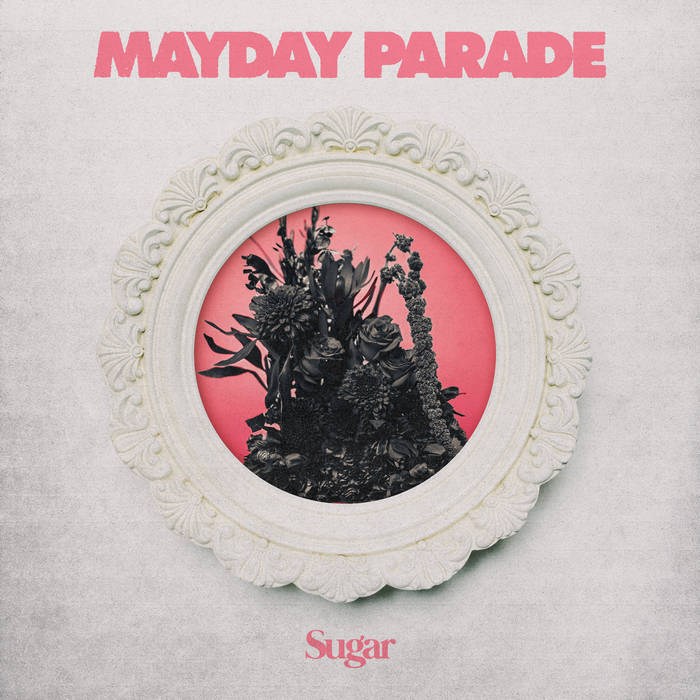
It is just as obvious now as it was all those years ago, with all those records and tours, how committed they are to their craft and how in love with it they are. No better place to find proof than the first two installments of the trilogy, Sweet (released April 18th, 2025) and Sad (released October 3rd, 2025). The trilogy’s final chapter, Sugar, arrives on July 24th, 2026, and while bringing the tri-body work to a close, and being written after both Sweet and Sad, even lead singer and emo cornerstone Derek Sanders admits it: Sugar might be his favorite of the three releases. Hit Parader sat down with Derek to chat about the record, what it took to make the trilogy a reality, and what is happening next. Whatever they do after this, it’s a pretty sweet place to start.


Cred. Eli Ritter, @eazyeli

Hit Parader: The final part of the trilogy is coming out in approximately a month, which is super exciting. Congratulations. You’ve said that the three-part concept didn’t fully materialize until everything for Sweet was tracked. What kind of conversations or realizations during that period convinced you that the projects had to become a trilogy, and how did the themes of each project evolve from that starting point?

Derek Sanders: We were in the studio recording what would become Sweet Part One, and at the time our intention was to record basically half of an album, roughly seven songs, and then go back into the studio later and record another seven or so, and put together an album and B-sides out of that. That’s typically how we would have operated up until that point. We were actually discussing the album title early on, and at the time, there was a lyric with “Sweet Sad Sugar” as a line in a song. Somebody suggested that as an album title, and that just kind of sparked something. On top of that, we had the realization that this body of music was going to come out on our 20th anniversary, so it was like, what if we did Sweet Sad Sugar and made it a trilogy, a three-part release? There were a lot of things that were appealing about that. It was something bigger and grander than we had ever done before. It felt like the right time to do something like that, to celebrate 20 years as a band. It also meant that the seven or eight songs we were already recording could just be Part One, that’s Sweet. There’s something I really enjoy about going in, doing a whole project, wrapping it up, and it being done, versus coming back to it months later and trying to add to it and build upon it. So that was really appealing as well. It just kind of fell into place. It took a little bit of convincing for everybody; we were a little hesitant to fully commit to something as big as that, but I’m so happy and so proud of how it’s all turned out. I’m very excited about Sugar. It’s just cool to be able to switch it up and do something different. It can start to feel, especially after 20 years, like you just repeat these cycles of writing an album, recording it, releasing it, touring for a year or a year and a half, and then starting the whole cycle over again. It’s refreshing to break out of that a little bit and try something new.

Cred. Eli Ritter, @eazyeli

HP: And while you were going through the process of recording these three records, it’s not like you had an off year by any means. You were doing a lot of shows, playing with All Time Low, doing the North American Tour, returning to Warped [Tour], all of that. How did playing all those shows and doing all that work on top of working on nearly 30 songs sonically and lyrically affect what went into those three projects?

DS: It was tough, I’ll be honest. Right now things have finally chilled out and slowed down after what feels like at least two years of pretty consistently touring and playing shows, writing and recording, releasing music, shooting music videos, conference calls, brainstorming creative and artistic ideas, it’s been pretty go, go, go. When we started Part Three, Sugar, I was a little worried that we were just too burnt out. At that point, we probably didn’t have as much material going into the studio that we felt strong about as we typically would like to, and I was nervous about that. But we tend to, in those moments, pull it together , a handful of last-minute ideas came together that were really strong, that we all felt great about, and it kind of all worked out really well. To the point where Sugar might be my favorite of the three releases. It definitely pushed us and tested us, but that was part of the appeal; we wanted that challenge. It’s nice to get through it and know that we can do that, that we did do that. Now we get to take the rest of this year and have a little more downtime, a little more family time, while still going out and doing weekend shows and festivals and gearing up for this release. Then next year we’ll jump into all of the 20-year A Lesson in Romantics stuff, and I’m sure it’ll be a pretty busy year with everything that entails, and then we’ll kind of see what happens from there.

HP: That’s super exciting. With you talking about how the ideas felt a little wrung dry by the time you got to Sugar, apart from ‘Weekend Music’, which you mentioned was kind of a catalyst that made you realize things were still happening and still possible, were there other turning points during the recording process that made it clear in your mind that you were still ready to finish the trilogy?

DS: Yeah, for sure, I’d say there were a couple. ‘Weekend Music’ was one. ‘Blame It on the Youth’ was kind of a late idea that came in, and then there’s a song called ‘What Happens Next’ that is the last song on Sugar that didn’t exist at all on day one in the studio. We had listened to what we had and felt good about everything, but I had the realization that we did not have a piano ballad across Sweet, Sad, or Sugar. That first day in the studio, after we wrapped up around six, I just spent the rest of the afternoon and into late that night sitting at the piano, thinking I had to write some kind of piano ballad. By around two in the morning, I had the demo finished for ‘What Happens Next’, showed the guys, and it made it onto the album. It was a handful of those moments, right at the final moment, things came in and pulled it together, and sometimes that’s just how it operates. Maybe it’s the pressure, or whatever it is, but all of that together helped put me at ease, because I didn’t want the quality to suffer. I didn’t want it to be noticeable by the time we put out Sugar that the steam wasn’t there. It’s really nice that it all came together in a good way.

Cred. Eli Ritter, @eazyeli

HP: Out of curiosity, how do the singles, ‘Weekend Music’ and ‘Blame It on the Youth’, show fans what to expect from Sugar, and how do they not fully paint the picture of what Sugar is as a complete project?

DS: In a lot of ways, ‘Weekend Music’ just kind of checks the boxes of a Mayday Parade song, hopefully a strong Mayday Parade song. Blame It on the Youth feels like a little bit of a venture into different territory. It feels very Green Day to me, a little different than what we’d usually do , just a very straightforward pop-punk song. It’s such a catchy song, and when the idea came in, it just immediately raised its hand, like there’s something good there, something special. There’s more of that Mayday Parade brand, what we’ve established and identified as just a Mayday Parade song, but there are also things where we’re incorporating new elements. Even the piano ballad, ‘What Happens Next’, when I sat down, my thought was something like ‘Miserable at Best’ or ‘Stay’, something in that wheelhouse, but it almost has this Adele-like quality, at least in the music. So yeah, that’s kind of always what we’re attempting to do, have those check-the-box Mayday Parade songs, and then not get too stuck within that. Always trying out new ideas, taking off down different paths, seeing what works, refining it. That’s kind of the idea.

HP: That’s awesome. With Sugar being described as a blend of that nostalgic Mayday Parade sound, forward momentum, and lyrical and career reflection, which of those three do you see as most prominent, and how do you hope that comes through to fans?

DS: It’s tough to say, honestly. I feel like we’re just trying to do our best with all of it. We can have ideas of what we want it to feel like, what we want it to say, but at the end of the day, it always just comes together how it comes together. When I or we collectively do have something in mind for what it’s supposed to be, it usually isn’t going to come together exactly how you imagined. There are going to be a lot of left turns; it’s a collaborative group effort between us and between Zach and Ken, the producers. It kind of just becomes what it becomes. It’s tough to answer that one.

HP: Fair enough! For a fun one, can you tell me a little about the evolution of the flowers across the album covers of the trilogy?

DS: I wish I knew more about all of it. We had Benjamin Lieber as our creative director artistically; he did all the album artwork across all three releases, and we kind of let him run with it. Once we started talking about the three-part release, I was brainstorming what that could look like artistically for the album covers. I really liked the idea of what we ended up with, this circle motif, with the pink background for Sweet, black for Sad, and white for Sugar, with something different within each circle. Originally, it was a very different concept: flowers in one, maybe someone with an umbrella in another, and I think I had a black cat or something. We presented that to Benjamin, and he took it and ran with it, coming up with the theme of the flowers. I know there’s meaning behind what each flower represents, but at this point it was so long ago I couldn’t tell you what type of flowers are on each one or what they’re meant to convey. I feel bad for not being able to articulate that better, but I know there was intention behind it and a real effort to capture a vibe.

Cred. Eli Ritter, @eazyeli

HP: Don’t feel bad at all, It’s still very cool, and I love the way it all ties in. To wrap up, with all of the work you’ve been doing live, as well as putting out three albums in two years, how has juggling all of that helped you see what’s still possible for the band after 20 years, and how is it influencing what you want to do next, whether in music or shows or something else?

DS: I think it just solidifies things. We’ve been doing this for so long, and for a while, especially in the first 10 years, it felt so fast-paced. We were constantly working, putting out music and touring, and it felt like we were in this race where we had to pour everything into it, or it was going to fail. At a certain point, it felt like we had established strong enough roots that it wasn’t just going to fall apart overnight. There have been several things since then that have anchored that idea even more, and doing this trilogy feels like part of that. It was a challenge; there was uncertainty about whether it was the right thing to do or whether we’d be able to pull it off in a way that felt good. But the fact that we did just kind of solidifies the idea that we’ve built something meaningful, to us, and hopefully to a lot of people. It’s really cool to finish projects like this and take a step back and feel great about it. As I mentioned, we know what our focus is next year, but we really have no idea what comes after 2027, and 2028 feels like this wide-open future.

HP: A blank slate of sorts.

DS: Yeah, whatever we want to do, as much or as little as that might be. And knowing that, after 20 years, we’ve seen a lot of bands come up and go, and the fact that we can still play these big rock festivals alongside bands like Taking Back Sunday, Jimmy Eat World, and New Found Glory, bands that have been doing it even a little longer than us, and have our place there, and that it hopefully isn’t going anywhere anytime soon. It’s a really nice feeling.

HP: Super exciting! Thank you so much for taking the time to do this; it means a lot, seriously.

DS: Of course. Thank you for having me, it was a lot of fun.

Mayday Parade’s new album Sugar is out July 24th, 2026, distributed via Many Hats Endeavors. 


See Mayday Parade + much more in this month’s issue of Hit Parader Magazine.

Honoring Chris Cornell: The “Architect of Grunge”

Today, July 20, 2026, is Chris Cornell’s birthday. The legendary frontman of Soundgarden, Temple of the Dog, and Audioslave, as well as a successful solo artist, would have been 62 today.

As grunge exploded in the 90s and Hit Parader became a major chronicle of the scene, Cornell was an unmistakable presence in the mag, appearing both on covers, like August of ’94, and frequently inside the pages.

It was impossible to document the grunge scene without Cornell, who basically co-founded the scene with his Soundgarden bandmates.

While Nirvana are thought of as the instigators of the grunge movement, the reality is Soundgarden was the first act signed to the legendary Sub Pop label in 1986. In fact, Sub Pop co-founder Jonathan Poneman was so impressed with Soundgarden he offered $20,000 in funding to Bruce Pavitt, turning Sub Pop into an actual label.

That was just the first of many firsts in Soundgarden’s run to the Rock and Roll Hall of Fame last year. After Sub Pop, they then were the first of the big four to sign with a major label (A&M in 1989) and the first of the quartet to get a Grammy nod (Best Metal Performance in 1990). Soundgarden paved the way in creating the interest from the music industry in what would go on to become the grunge scene. 

How big was Cornell’s influence on the scene? He founded Temple of the Dog as a tribute to his late roommate Andrew Wood. Temple was the band that united Eddie Vedder with the members of Pearl Jam. And rock photographer Greg Watermann, who shot Nirvana’s first national cover for Spin, and Stephen Webster, former art director of the mag, recounted how it was Cornell recommending Nirvana to listen to during his photo shoot that led them to the cover.  

“I remember this vividly, Chris Cornell walked over to his army duffle bag – digs around, comes back to me with a CD in his hand – it’s a CD with a naked baby floating underwater. He casually says, ‘This is a brand-new album from our buddies in Seattle, they rock and you guys should check them out,”” Webster told me.

Simply, you cannot write about grunge or the mark it made on music without acknowledging Chris Cornell as the true catalyst for the movement that changed music.  


Hit Parader Magazine – September 1995

By Steve Atkins

It’s a little hard for Chris Cornell to accept the level of public acclaim that now surrounds his band, Soundgarden. No longer are these quintessential Seattle rockers the “underground” sensations they were when albums like Louder Than Love created an international uproar back in 1989. And no longer are they a force struggling to make their mark on the rock world. Today every sound they make, every word they speak, seems to set new precedents for rock and roll; every musical utterance issued by Cornell and bandmates Kim Thayil, Ben Shepherd and Matt Cameron is studied, analyzed and dissected by their rabid horde of followers, all of whom are on a continual search for any hidden meanings behind the band’s Holy Grail of fire-breathing tunes. Even mainstream rock society, most of which didn’t even know of Soundgarden’s existence prior to the platinum success of their most recent release, Superunknown, has started casting votes of recognition the group’s way, going so far as to bestow upon them a prestigious Grammy Award for top heavy metal song. Even if Cornell finds such recognition a bit humorous, he’s still more than happy to accept any awards that might come Soundgarden’s way.

“I don’t know if | really feel comfortable with being classified as a heavy metal band,” the vocalist said. “But if that’s what they wanted to do, we won’t argue with them. We were proud to even be nominated, and we were glad to win. Hey, we got the chance to stand up on national television and say a few words. That was kind of interesting. Maybe in a couple of years we’ll get the chance to be nominated for best ‘rock’ act. That would really be something special.”

Whether or not Soundgarden’s hard-edged rock attack is truly “metal”, that is of course, if metal as we’ve long known and loved it still even exists in these ever-shifting musical times, the fact is that they have now solidified their position as one of the hard rock form’s premier exponents. Lacking the moody selfishness of Pearl Jam or the quirky unreliability of Alice In Chains, Soundgarden has established itself as a “music first” juggernaut that seems designed both for immediate success and long-term stability. Having already spent nearly a decade slowly cementing their credibility and creating a smoothly functioning internal chemistry, Cornell and company are something of an anachronism in present-day rock society, a band whose members actually seem to like one another and who appear to enjoy what they’re doing. In fact, guitarist Thayil can’t help but note the irony when he contrasts the relatively sedate inner workings of Soundgarden with the turmoil that characterizes so many of his band’s Emerald City rock brethren.

“Obviously a lot of those guys are our friends,” he said. “We know them, and we know what’s up with their bands. One of the best things about being part of what happened in Seattle during the late ‘80s is that you share a real camaraderie with all the musicians you hung out with in those clubs. You all want everyone to do well and be happy. It’s too bad that not everyone we grew up with in a musical sense has been able to stay happy, or even stay alive. Back in the early days | think we were all pretty happy. We just enjoyed playing music. We didn’t know which of us, or if any of us, would make it. And we certainly didn’t know how we’d react if we did.”

While success proved to be too much for the likes of Nirvana’s Kurt Cobain to handle, and seems to be the continual bane of Pearl Jam’s Eddie Vedder and Alice In Chains’ Layne Staley, Soundgarden has begun to almost relish their ever-expanding role as rock and roll superstars. If, in fact, Cornell’s vocal problems hadn’t forced the band prematurely off the road last summer, sales for Superunknown may have exceeded the double platinum sales status the album still managed to attain. And now, with the band making plans to release their next album by year’s end, it appears as if Soundgarden is perfectly positioned to emerge as hard rock’s Band Of The ‘90s, the group most responsible for providing shape, style and sound to an entire era. What Nirvana may have started back in 1991, and Pearl Jam expanded a year later, Soundgarden now seems prepared to take to the next horizon, a lasting place in the rock history books. While Cornell acknowledges that it’s usually only one band that emerges as the flag-bearer for their era (as Led Zeppelin was for the ‘70s and Motley Crue for the ‘80s), the singer’s still not sure that his outfit is destined to hoist the ‘90s banner to its greatest height.

“I’m not the one who’s gonna guess how history might view Soundgarden,” he said. “That would really be kind of silly to me. When you start thinking like that, you’re destined for a big fall. All we can do is make sure we make the best records we can, and then hope that people like them. We’ve always made records to please ourselves, and that attitude isn’t going to change. Just because more people may know who we are and what we’re about doesn’t mean we’re gonna start changing the way we work. To me that sounds like a very dangerous way of working.”

It’s still a bit too early to let anyone in on the “secrets” contained on Soundgarden’s upcoming album, but according to Thayil it seems safe to say that if you enjoyed Superunknown or its platinum predecessor, Badmotorfinger, you’ll probably like the new one too. That’s not to say, however, that the new disc won’t be radically different in some ways from its illustrious forbearers, in fact, you can count on that. The success Soundgarden has enjoyed in recent years has spurred the band to strive for new creative heights, motivating them to continually reach deeper into their musical bag of tricks in the hopes of pulling out even more radical and stimulating rock musings. Quite honestly, they couldn’t care less about their future role in the rock history books; all they want is to keep making some of the best music the rock world has ever heard, and maybe pick up another Grammy Award or two along the way.

“Being given credit for your work is fun,” Cornell said. “I may not have felt particularly comfortable standing on stage thanking people for our award, but it was the right thing to do. My wife (the band’s manager, Susan Silver) is always good at advising us about the right things to do in those situations. You’ve got to get out there and let the people know you appreciate the fact that they like your music. It might seem cool to just stay at home and ignore them, but it’s not smart, and as we get older we’re trying to be cool and smart.”

Radkey: The Art of Doing Whatever It Takes

The rock trio Radkey has always occupied a space in the rock sphere that falls between reverence for those who came before and pushing the genre they grew up on further and further. The Missouri-raised brothers built their signature sound on a solid foundation of heavy riffs, hard-hitting melodies and solos, and a flexible ‘anything goes’ philosophy that takes even the most unexpected idea seeds into something that will rock, and rock HARD. With their new project Bedroom Sand, that opportunistic mindset was put on full display by Dee, Isaiah, and Solomon Radke, as a golden opportunity was dangled in front of them in an unconventional manner: a window of time to record their new record, as fast as possible, in a studio they’re not supposed to be in. That spontaneity is a defining characteristic of the band, showing that they will do whatever it takes to create, produce, and record, and to share the art they believe in so deeply with the world. It’s evidently working, as the group has earned co-signs from some of the biggest names in rock, such as Foo Fighters, Jack White, and Living Colour, to name just a few.

In this conversation with Hit Parader, the three brothers open up about the incredible circumstances behind their new record, how their upbringing led them to the music they love today, and the concrete mindset that helps them keep moving forward. Because for Dee, Isaiah, and Solomon, it’s never truly been about sticking to a script, following a formula, or staying inside the lines: it’s about chasing what feels honest, loud, unmistakably their own. 


Cred. Sarah Jaben

Hit Parader: With y’all growing up in the Kansas City area all together, what was it like making music as brothers under the same household, and how did that upbringing affect the way that you approached making music together?

Isaiah Radke: Man, it was really a really easy thing, because we were homeschooled, and we all listened to the same music. We all had our own preferences. We all liked the same music, but some of us were into other genres as well, and it really helped. We always liked each other’s ideas, which was cool, because they were all coming from different things that we enjoyed. And we were just home all the time watching movies. We love Led Zeppelin, and they wrote about Lord of the Rings, so we thought, well, we could write about Megamind, or superheroes, or write about Tom and Jerry, and if it’s vague enough, then it just sounds scary or serious, because our song “Evil Doer” is based on this story of Megamind, how the villain kills the superhero, then his life has no meaning. You take that story and make it serious.

HP: But if you don’t say a lot of specifics, it completely takes on a new meaning.

Dee Radke: Yeah, people interpret it.

HP: That’s super cool. Out of curiosity, what were the main artists that you listened to growing up, and how did those different influences affect the way that you approached making music together?

IR: For me, I loved Van Halen, Metallica, and I was absolutely into Iron Maiden and Elvis Costello as well; those are big ones. 

DR: Yeah. For me, Weezer was a big influence, and Nirvana, especially with how they do their guitar solos. I really take influence from that, and I like to have the guitar solo call back to a chorus melody or something like that in some way. There’s still some shredding, but at some point it ties into that.

Solomon Radke: Yeah, and my favorite was Weezer, listening to them probably more than anything, and [The] Offspring, and Local H is a big one for us too.

HP: Out of curiosity, I read that a lot of your father’s punk and metal records were a big part of your upbringing. If you had to choose three records that your father introduced you to that had a major influence on the music you create today, what would they be?

IR: I think Weezer’s Maladroit is one for sure. For me, Ride the Lightning (Metallica) and This Year’s Model, by Elvis Costello.

DR: Nevermind (Nirvana), and The Color and the Shape by Foo Fighters.

SR: Yeah, I’d say Blue Album (Weezer), Maladroit, and Dookie (Green Day).

HP: Yeah, can’t go wrong with that. To pivot a little bit toward the recording process of your new record, Bedroom Sand, how did you guys end up recording the record at Syracuse [University] in upstate New York as a band from Missouri?

IR: It’s wild, because sometimes you’re looking for a New York show and you don’t get one, so you do upstate, you do Syracuse, you do Rochester. We were in Syracuse, and we met this professor of Sound Recording and Technology, and they had a state-of-the-art recording studio on campus. It was like, we need to make a record, we have all these songs, maybe we should do it there. We’ll come in while the students are away and blast through the album, while also experimenting with arrangements, which was wild for us because we usually come in with everything locked in. This time we were loose with it. It was a challenge, but it was cool.

HP: So you’re producing and recording all at the same time in a time crunch.

IR: Right, and in a crazy environment as well. The studio was cool, though.

Cred. Sarah Jaben

HP: How did you first connect with that professor?

IR: He does gigs and sound engineering, too. He wasn’t working that night, but we met at a show, and he was into what we were doing. Usually, you meet people and don’t follow up, but this time it was like, we’re behind on albums, we need to do one fast [laughs].

HP: How did the day-to-day look for that recording, and how long were you in the studio?

SR: It was about a week.

IR: Yeah, and it was a pretty inspiring environment too, because we’d never been to that campus.

HP: What did the day-to-day look like, and did the pressure of not really being supposed to be there influence the creation/production of the record?

IR: The time crunch was definitely an influence. We didn’t feel too much pressure about being there, because we had the professor. We didn’t look too crazy [laughs]. Yeah, it made it fun. Some people had never seen us before and heard rock music going on in there, since they usually use it for archiving and some jazz, so it was completely different. 

HP: That’s so cool. How much production versus tracking did you do?

IR: A lot was dedicated to tracking. Post-production came later. We were doing experimental stuff and had to commit and be happy with it in the moment. We were adding the last synthesizer to “Falling Out of Grace” in the last 20 minutes while things were getting packed. Yeah, we were cutting it close [laughs].

HP: Wow. You said the record is about doing “whatever it takes” to make the music happen. How did the Syracuse session embody that?

IR: It was just unorthodox. We usually work in the same studio in Kansas City, but this time we did something pretty different.

SR: We had to just go for it and hope it turned out fine.

IR: I was listening the other day and couldn’t believe we got it to sound like that in the time we had.

Cred. Sarah Jaben

HP: For the record, being called Bedroom Sand, how did you land on that title, and what does it mean to you guys?

IR: It’s an interesting concept; we’re going to make it into a music video. It’s like an hourglass with magical sand, with stars and moons in it. You take a Q-tip, dip it in the sand, put it in your ear, and it makes everything psychedelic. We might do the Bedroom Sandman [laughs]. It’s a way to make a psychedelic video without getting parental advisory issues. It’s a made-up thing.

HP: How does this project feel different from previous releases, whether it’s the sound, the songwriting, or the mindset going in?

IR: We were trying to go backwards in some ways. With Victory, we had gone crazy on arrangements before, so this time we wanted to simplify, go back to hard rock melodic stuff with some punk influence.

SR: But we also tried new things, like our longest guitar solo.

IR: I clocked it, it’s a minute and seven seconds.

HP: That’s super cool. People say your live show is where Radkey ‘clicks’. What do you want people to feel after seeing you live?

IR: I want people to remember why rock exists and why people love to go to rock shows. Being free, being silly, doing whatever you want, being loud, going nuts, but there’s a reason why for everything going on on stage. It’s tight but free. I want people to think, “I want to be a rock musician.”

HP: And if a new listener only had the ability to listen to one song off Bedroom Sand, what would you recommend?

IR: I think “Victory” is a really good one, and we actually lead the record with that, because it is really fun to hit people with that song; it’s got the falsettos in there, it’s got the solo, it’s got the screaming, it’s got everything. 

HP: Just to wrap up, what are you most excited about for the rest of the year? 

IR: For me, it’s getting on the road.

DR: Yeah, getting on the road, playing a bunch of shows in front of big crowds. 

SR: Yep, and I’m excited to see the response to the album from the fans. 

Bedroom Sand by Radkey is out now. 

See Radkey + More in Issue 7 of Hit Parader Magazine

Royel Otis Captivate at L.A.’s Greek Theatre

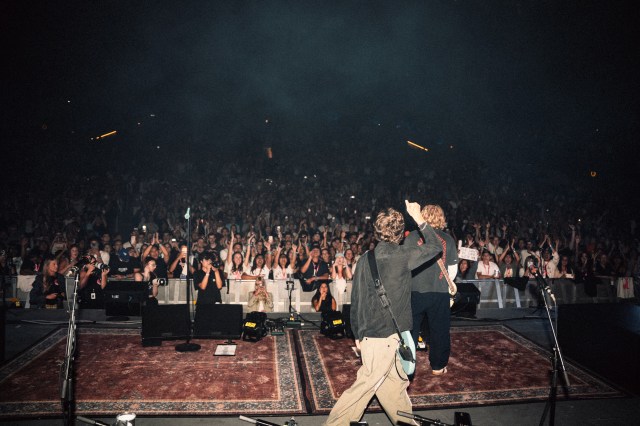
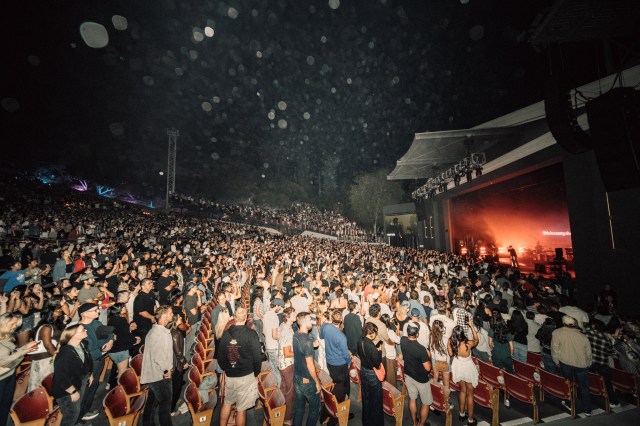
Open on a quintessential LA summer night at The Greek Theatre – The absolute perfect backdrop for the Australian duo, Royel Otis, giving us their signature brand of indie-pop rock, with catchy guitar riffs and melodies. They take a look around at the massive sold-out crowd and are in obvious awe of how epic it feels to be on this stage on this Wednesday night. 

Just as I had expected, they opened the night with their first song from their sophomore album Hickey, “I Hate This Tune.”  The band didn’t spend a lot of time chatting up the crowd but instead let the music and guitars do all of the talking, launching back-to-back songs which kept the momentum going and the crowd on their feet.

The crowd spanned multiple generations – which was intriguing to see. The sheer fact that these musicians connected all of these people with a blend of both old and new influences in their own unique sound. And they delivered for the fans. They gave us all that we were there to see, music and more music. Oh, and some dancing and singing along, naturally. 

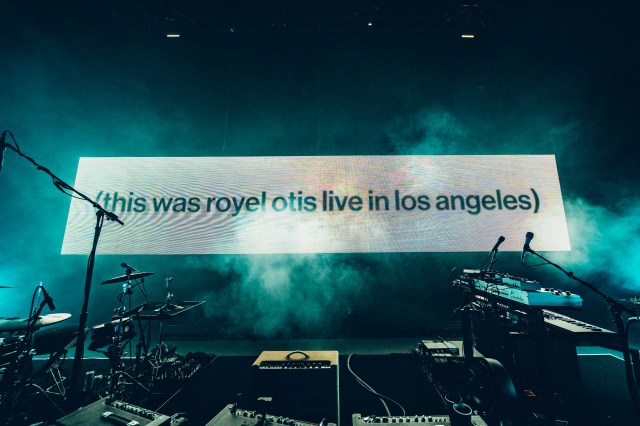
As each song played, the projection screen in the background was being fed context of their story told in the duo’s songwriting. The song “Shut Up” had the words, “This is a song about not wanting someone” projected on the screen while playing. 

Whether it was the text or edited videos playing, it invoked nostalgic feelings of being young, in love, and being young and in and out of love. 

Cred. Jamieson Kerr

About halfway through their set, the duo left the stage and started walking up the aisles, Royel with guitar in hand, giving off Kurt Cobain vibes, and they performed two of their more stripped-down songs, one being their infamous hit cover song “Linger,” from the great Irish band The Cranberries. This was just the cherry on top for the fans that are further back in the crowd. A move like this makes me feel like they care deeply about their fan base and want them to have something iconic to remember. We all know where the real fans are usually sitting. Deeper in the back : ) 

What made the night unforgettable, though, was the sheer chemistry between the band and the crowd. Fans smiling with hands in the air, Otis would come around and high-five fans in the crowd in the pit. The band had no shortage of smiles and feelings of gratitude, being blown away by the size of the sold-out crowd. They would say several times, “This is crazy” 

The band announced the show was finished and walked off. And we all know that no show is complete without their iconic “Oysters” song, which the crowd was screaming and clapping, yelling the word “OYSTERS!” 

And they gave the people what they wanted; they came back to the stage to leave us with two songs — their latest single “Sweet Hallelujah” and finished the night off with “Oysters in My Pocket” 

As a big fan that has spent the last few years singing along to Royel Otis in my car during my work commute in rush hour traffic, seeing them step on the stage at my favorite venue in LA will never not be magic. As we all shuffled out of the venue with our ears ringing and legs heavy from all of the dancing, I look around and can’t help but feel the infectious energy and I smile to the people all around me. We had all shared something so fleeting and electric in a moment in time, all together at The Greek, that will never happen exactly that way again. I felt that for our one night together, we were all connected and fueled by the magic of the music. 

Catch Royel Otis on tour here.

Cred. Jamieson Kerr

She’s Green’s Deserved Rise Culminates in ‘Swallowtail’ EP

In just a few short years, grinding out shows in sweaty basements has turned into sold-out venues twenty times the size, and Minneapolis-based self-described “moss music” quintet she’s green isn’t planning on slowing down its meteoric rise at all. Having been active since 2022, the band’s ethereal blend of shoegaze, dream pop, and slowcore has drawn in fans drawn to their unique sound, with tracks like “Mandy,” “Smile Again,” and “river” as major catalysts for their success. Cutting their teeth on the road, followed by tours with Slow Pulp, Glixen, Hotline TNT and many more, showed the band and the world one glaring thing: she’s green is made for the big stage, but their hearts are still in those communal Minneapolis basements where they honed their craft. 

“We approach every show the same, playing-wise. When we’re all five on stage, it could be in a basement or a big arena, but we try to bring the same energy to every show, a house show or a big gig,” says drummer Kevin Seebeck, a testament to the earlier days of the band and what makes a she’s green show what it is. Their personal approach to their live show and careers in general is apparent, and that continued hands-on approach to the art they care so deeply about makes them symbiotic with the fans that propelled them there. In regard to what they’re trying to portray through their shows, guitarist Liam Armstrong says, “I think we’re also bringing the sense of intimacy that a basement can give you with the audience, and you’re all on the same level in the same room, getting really sweaty, just that same fun spirit of moving around, and the catharsis of letting everything out.” Everyone needs a community, and everyone needs to let out a bit of steam, and what better concert to do it than a show where the artist cares just as deeply about the art as they do the fans who made their career with their art possible. 

Cred. @coffeebreatth

This ethos is quintessential to the shoegaze community, a genre built not just on shimmery guitar effects but equally on the enthusiasm of the crowds. But for them, while they are classed as a shoegaze group by their own supporters, it is not necessarily a label they are consciously aware of on a day-to-day basis, one they play into or otherwise care much about, for lack of a better term. Guitarist Liam Armstrong says enthusiastically, ”I just think genres, or saying an artist is one genre, kind of pigeonholes them, but it also doesn’t speak to how multifaceted artists can be, but we’ve never felt really pigeonholed by being called a shoegaze band, but I just think that we’re just writing songs [laughs].” This feeling is even more obvious to guitarist Raines Lucas regarding their brand-new EP swallowtail, stating that the label of shoegaze didn’t shape their sound in any way, shape or form; rather, it made them stray away even further, bluntly stating “how can we make this not sound like every other shoegaze record?” What emerges from this atmosphere is a project that is genre-bending yet sonically accessible, screamingly loud yet delicate, and, by far, their most cohesive and polished to date. 

A lot of firsts for the group made swallowtail different from past projects: one being the ability to take that tube-screaming, drum-wailing, full-band live energy and translate it into the record by recording the album’s instrumentals all at the same time, which was something the group had not been able to do prior to this project. “The songs were live-tracked for the instrumental, and I was in the room too for those, so it felt like we were playing a show, and we have never done that because we haven’t had the proper resources to do it. So it’s really cool to actually go in and play together and have it be recorded, and then hear that in a way where it’s not just audio from a house show,” says lead vocalist Zofia Smith, a testament to the cohesiveness of their sound across all mediums; whether you see them live or listen to their music at home, that infectious energy translates. The new project was also “the first time we worked a lot with a producer [Sonny DiPerri], and it’s also the most time and energy we’ve spent on a project, so I think that hopefully translates to people. This really wasn’t something we just threw together; it was a big effort for us,” says Raines, and that dedication conveys seamlessly after listening. That effort also comes from kicking these songs around in a live setting for a long time before recording. Evolving tracks via their live show fits the group’s mindset to a T, slowly evolving the tracks in various ways until the final version seems, frankly, obvious. The single release ‘Close Your Eyes’ is a perfect instance, because “it literally came from a live jam that we were kicking around, just a couple of chords before practice, and I was just like, ‘Wow, this is really cool, there’s something here, this is a song starter.’ Then, month after month after month, Raines eventually figured out a really cool chorus set of chords. We figured out a rough arrangement, and we started testing it live a little bit. It felt like it needed more, so we kept trying stuff, removing stuff, changing the tempo, and adding a big middle section where there’s a bridge in the middle,” describes bassist Teddy Nordvold.

Cred. @coffeebreatth

The fact that the track has been “kicking around for two and a half years now” (TN) is fully on display; you can hear how tailored every imaginable aspect is, and another example of their live show shaping the record is the sparse, yet hauntingly gorgeous sonic lull in the project titled Empty House’. “The original demo I made was fully dream-poppy and really different.” Liam states, “We had played an acoustic set on the Mississippi, and in the way we translated that song into what it became on that beach, we wanted to convey more than what it was before.” The sonics described above almost make the listener feel encompassed in a lush forest dreamscape, and, not coincidentally, forest imagery is a driving force behind Zofia’s equally lush vocals, while simultaneously Trojan-horsing pertinent themes through the new EP that need discussion today. 

“I think [the lyrics] are a lot about being held, and I think because of everything that we have to deal with recently, with all the political bullshit, and the world that we live in right now… that sense of being held, that everything’s okay, everything is going to be fine, was the big thing for me,” says Smith. This feeling meshes flawlessly with the instrumentation, as a sense of yearning, yet delicate reassurance and comfort, can easily be felt even if a listener chooses not to listen to Smith’s wordsmith mastery through the project. Smith explains, “There are themes of hope, and also reminiscing on the past, and figuring out what things you could do differently, or a lot of introspection going on, but it’s definitely themes of reassurance,” all themes that we need to internalize just a little bit more, now more than ever. The pertinent lyrics, ethereal vocal delivery, washed-out guitars, delicate bass work, and hard-hitting drums blend together in a way I have never witnessed before; 5 highly talented musicians, but friends first, fully understand their sound and serve it perfectly to create one of the most cohesive and sonically logical pieces I have heard to date. It makes sense to attribute that to one of the factors of their rapid growth. 

she’s green has had nothing short of a monumental few years, but that doesn’t mean the values that got them there are outgrowing them in parallel with the sweaty basements and grungy rooms they used to play in back in Minneapolis. Smith says that, by saying, if nothing else, they are adamant about preserving “that connection to the audience. I think a lot of bigger bands probably feel a little bit detached from them, but I perceive our fans differently, like we’re here together experiencing this.” Armstrong adds laughingly by saying, “We’re also in the crowd watching the other bands too. So we kind of do treat every show like it’s a house show.” 

Cred. @coffeebreatth

It is evident how ‘at one’ the group feels with the fans who have supported them and provided them with this platform. That sense of community, togetherness, sheer selflessness, and gratitude is etched into their identity with every action. At the beginning of my time talking with them, the question of “what’s one moment that really made all of this success feel real?” came up, with Liam replying with everything that is encompassed above: Playing a sold-out Slide Away Fest in Chicago with Hum, Nothing, and Chapterhouse just a week before the interview.

“I think the moment for me was honestly playing Aragon Ballroom last week, and I think just meeting all these super nice people and all these amazing bands that we looked up to for so long, that was a specific moment very recently that just kind of woke us up, and really made us realize, whoa, we started out covering [random] songs, and looking up to all these bands, and now we’re able to play shows with them and just hang out with them. It’s crazy,” says Armstrong. 

With the unrelenting effort, pure passion, and unwavering vision she’s green has put into their craft, the hit songs that stick in your ear like your shirt clings to your body at their shows, and the swallowtail EP bringing more and more to a table you thought was already full, it’s really not that crazy, is it?

It was just bound to happen. 

she’s green’s new EP swallowtail is out now on Photo Finish Records.

See she’s green + More in Issue 7 of Hit Parader Magazine

PRESIDENT announces ‘Blood Of Your Empire’

UK-based collective PRESIDENT, known for their intersection of metalcore, electronic elements, atmospheric choruses, and much more, has announced their debut full-length LP ‘Blood Of Your Empire’, set to be released September 4th via Atlantic Records. Regarding the announcement, PRESIDENT states…

“Blood Of Your Empire was born out of my own struggle with existential crisis and trying to make sense of belief, mortality, and humanity’s relationship with faith. Religion has inspired incredible compassion, purpose, and beauty in the world — but it has also been responsible for unimaginable suffering and bloodshed throughout history. This album lives in the tension between those two truths. Writing it became a way for me to confront the fear, confusion, and questions I’ve carried for years, and turn them into something I’m truly proud of.”

PRESIDENT has consistently prioritized intent over image, minimalism over being overly eccentric, and quality over quantity. Blood Of Your Empire seems to be a continuation of this, and PRESIDENT does not seem to be slowing down any time soon.

View PRESIDENT’s sold-out tour dates here.

Read more interviews, editorials, and rock news in this month’s issue of Hit Parader Magazine.

Baby Rose Turns Yearning Into an Art Form and Impending Superstardom 

I remember in the ’80s seeing U2 and The Police share stages on the Amnesty International tour. A couple of years after U2 had their first commercial success with “New Year’s Day,” one could sense U2 was poised for superstardom, and it felt like a passing of the torch. A year later, U2 released The Joshua Tree and became the biggest band in the world.

Three years ago, I was fortunate to interview a really promising new British artist by the name of Olivia Dean, who, of course, won a Grammy for Best New Artist and is now headlining arenas. Dean now gets to carry on this long-standing tradition and pass the torch to the next great R&B superstar, Baby Rose, who is opening for Dean on her current arena run. 

I absolutely promise you that you will see Rose at the Grammys next year, guaranteed. Her Yearnalism album is one of those records so true, so honest, and so vulnerable, it seeps slowly into your blood and lives there. The album completely solidifies the fact Rose will be a major force on the scene for decades to come. We spoke about what yearning means to her.  


Hit Parader: I love the name of the album, Yearnalism, because yearn is such a strong poetic word. What was the first thing you remember really yearning over?

Cred. Louisa Meng

Baby Rose: That’s a great, great question. As a child, when I first started making music, and I met the piano for the first time, I do remember those first poems and songs being something that was a lot heavier. And so I think the first thing that I’ve ever yearned for was just a sense of being understood. Yeah, just trying to be understood and yearning and longing to understand the world a little bit better.

HP: So, that started at a young age, and as a musician, that’s probably still why you make music today.

Rose: Absolutely, I would say so. Just being a sponge in my environment, taking in a lot of things and not really knowing what to do with all of that. Finding a place in music, it’s always been a safe space for me. But maybe more so than me trying to be understood, it was just me trying to understand what was going on around me. Because I would be writing songs from my mom’s perspective of things, just taking in different dramas that were happening and trying to put those emotions into a single song or poem.

HP: Do you remember getting these musical messages from the universe when you were young?

Rose: I don’t remember a lot from childhood, but there are certain core memories. And they still define me in a lot of ways today. I think that I started receiving those strong urges or pushes towards ultimately what my purpose was like five or six years old. And I’ll say my dad and my mom had a lot to do with it, as well as my great-aunt, who was a figure in the household. Because my dad was such a music head. And he would do this thing while we were on the way to school. Where he was like, “I want you to pick out every instrument that’s in the song.” And he would be playing some old school Shalamar or SOS Band and things like that. I’ll be naming each instrument, and he’s like, “Oh, there’s more or whatever.” He would always put in my head, “I don’t want you to just sing; I want you to create the music. I want you to produce.” Before I even knew exactly what that was, and then my mom had producers in the house making beats and things like that. For an artist, these are little glimpses and flashes of memories, and then having an artist that she managed back in the day, it was a hip-hop artist. Then my great-aunt would always hum hymns around the house, and her biggest pride in life was just being in the choir at this massive church in New York. She was from the Deep South, so moving to New York and getting away was a huge deal. So, all of those things, I think, created this core around me. These are just very impactful things. 

HP: Isn’t the point of writing and making music to learn things that you don’t know? 

Cred. Louisa Meng

Rose: Oh, absolutely, it is. I suck at journaling. I have so many unfinished journals because I think it’s important to study yourself and to question yourself. And to ask yourself, “Where are some of these ideas coming from that I believe so strongly in?” I want to question everything that I have a very strong belief in because I think the strongest person is the one that’s the most flexible and the one that’s the most empathetic and understanding. We’re in that day and age where I think people are trying to make it black and white, and we’re realizing in real time how detrimental that is. It’s much better to just be open to the fact that you don’t know anything. You don’t know everything, at least.

HP: So, what did you learn about yourself making this record?

Rose: Man, I learned so much, like little details. I learned how important it is for me, even when I don’t feel good, when I feel sad or whatever, to put something nice on and get out of the house. It makes me feel a lot better when I’m out and I’ve got something a little cute on. Because I would dress up and go to the studio, which was so cool. I was looking at mood board pictures of what Aretha Franklin would show up to in the studio. And it was always like, “Damn, you got that shit on; turtlenecks and the mod fashions and things like that.” I was just putting things on and just embodying the environment and looking like I wanted the music to feel almost. And I learned that. I learned so much about my process, everything that I’ve learned along the way, even from Slow Burn, shout out to Bad Bad Not Good, like the importance of cohesion, because I like a record that you could put on and you don’t stop. You don’t have to skip to your favorite song. It just feels like you’re in a world.

With Slow Burn, we created that in a week; it was a time capsule, and it was easy to have that cohesion throughout with this. I’m pulling records from different producers and different times and everything and so me as an executive producer I had to go to each of the producers and be like, “Listen, with your blessing, I need to take this song into my court and finish it.” and having their blessing and their grace and creating a wrecking crew, like how they did back in the day with the Muscle Shoals sound of some of the producers, Ryan James Carr on drums, Biako on bass and Joe Harrison on ancillary keys, guitar, lap still, flute. He could play everything. And being able to finish those records and run those things through tape and create this journey. They have unique elements, but the foundation of bass and drums, really the heartbeat of it, is done in one place. So, I learned a lot about that cheat code and just the beauty of community in real time. Having those folks all come together from different places and then we would eat dinner together. I would order food to the studio even after the project was done. Everybody became friends after the fact. I just feel like that is so important. It’s so key because we’re not in school anymore. So, we don’t get the privilege of seeing people every day, or if you’re not in a nine-to-five or whatever, you don’t get the opportunity to just see the same cast of characters every day. We have to make a choice. And the cost of community is inconvenience, especially after COVID. I feel like it did a number on people, the whole protect your peace movement and isolation and vibes. But we thrive when we’re together. 

Cred. Louisa Meng

HP: What does it mean to you to go on this tour with Olivia Dean? 

Rose: I’m about to go on the greatest tour of all time with this music. And her audience is yearners. They love songs. But she’s really one of those classic singer/songwriters. And I’m like, “Damn, I get to go on the bill with your ass, this is crazy.” Yeah, I think right now what pushes me is the desire to expand and just go and stretch. Even when I think I’m all stretched out, I go a little bit more. In the big spaces and even after the show, because we are about to do some little pop-ups and shit like Yearners Anonymous that are very intimate. So, making sure that it’s huge and then also insulated, so I can create domino effects. What I hope to do is see this experience and you recreate it. These tiny rooms are where big things happen, big movements happen. And so just give that encouragement by leading by example on the small and the big scale. 

Catch Baby Rose on Tour this Summer here.

Get the latest music news, exclusive interviews, and editorials in this month’s issue of Hit Parader Magazine.