I remember in the ’80s seeing U2 and The Police share stages on the Amnesty International tour. A couple of years after U2 had their first commercial success with “New Year’s Day,” one could sense U2 was poised for superstardom, and it felt like a passing of the torch. A year later, U2 released The Joshua Tree and became the biggest band in the world.
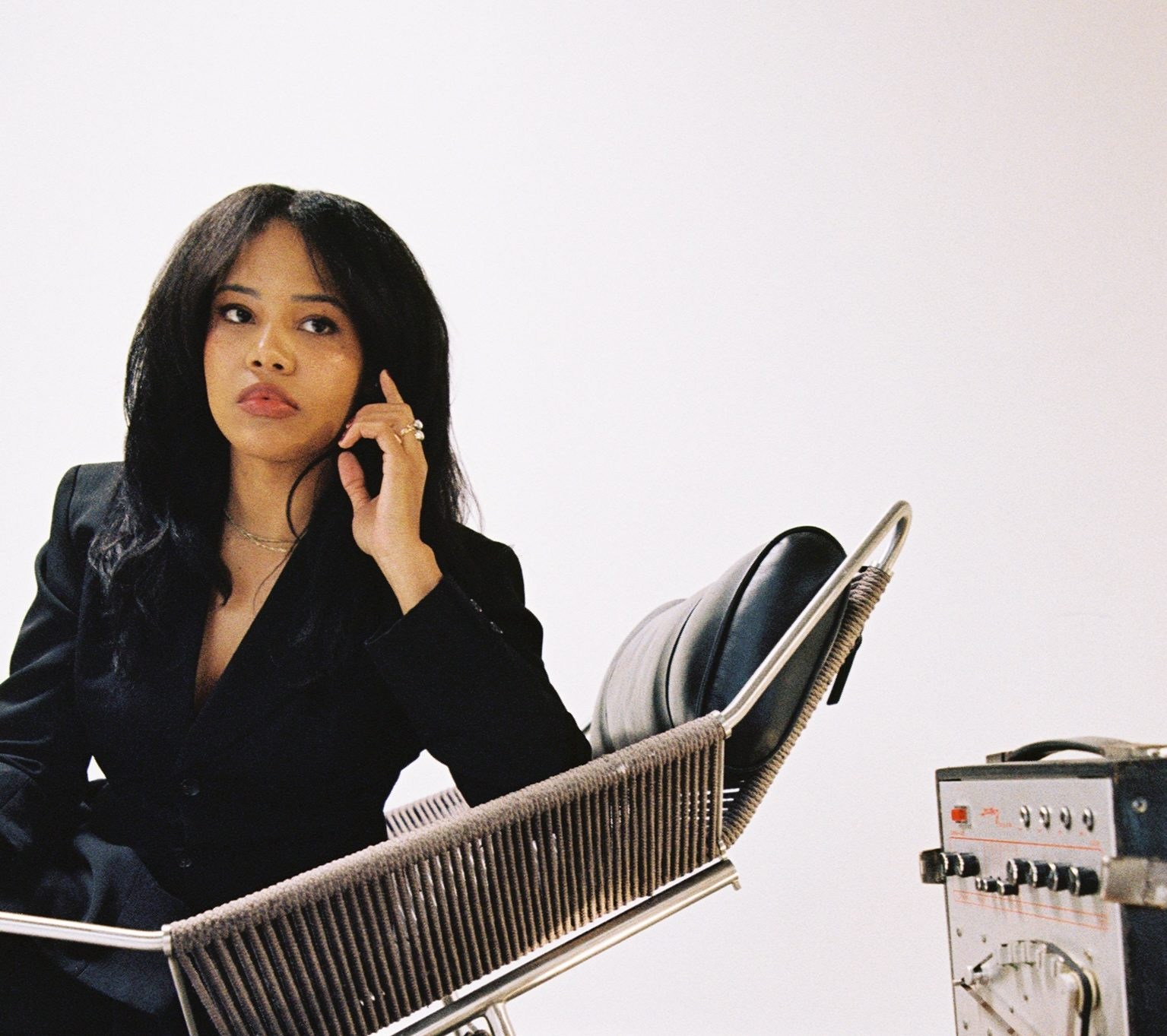
Three years ago, I was fortunate to interview a really promising new British artist by the name of Olivia Dean, who, of course, won a Grammy for Best New Artist and is now headlining arenas. Dean now gets to carry on this long-standing tradition and pass the torch to the next great R&B superstar, Baby Rose, who is opening for Dean on her current arena run.
I absolutely promise you that you will see Rose at the Grammys next year, guaranteed. Her Yearnalism album is one of those records so true, so honest, and so vulnerable, it seeps slowly into your blood and lives there. The album completely solidifies the fact Rose will be a major force on the scene for decades to come. We spoke about what yearning means to her.
Hit Parader: I love the name of the album, Yearnalism, because yearn is such a strong poetic word. What was the first thing you remember really yearning over?
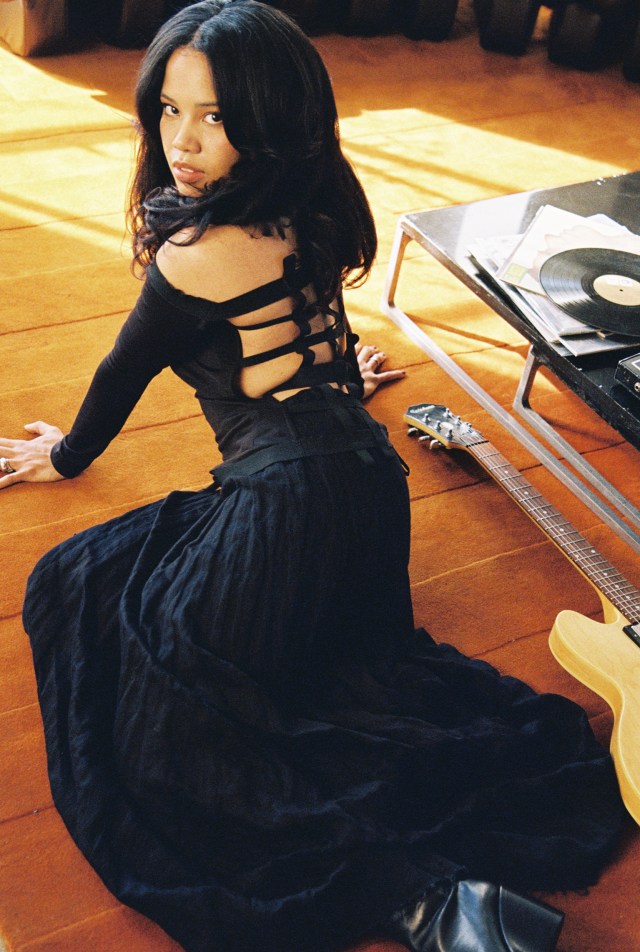
Baby Rose: That’s a great, great question. As a child, when I first started making music, and I met the piano for the first time, I do remember those first poems and songs being something that was a lot heavier. And so I think the first thing that I’ve ever yearned for was just a sense of being understood. Yeah, just trying to be understood and yearning and longing to understand the world a little bit better.
HP: So, that started at a young age, and as a musician, that’s probably still why you make music today.
Rose: Absolutely, I would say so. Just being a sponge in my environment, taking in a lot of things and not really knowing what to do with all of that. Finding a place in music, it’s always been a safe space for me. But maybe more so than me trying to be understood, it was just me trying to understand what was going on around me. Because I would be writing songs from my mom’s perspective of things, just taking in different dramas that were happening and trying to put those emotions into a single song or poem.
HP: Do you remember getting these musical messages from the universe when you were young?
Rose: I don’t remember a lot from childhood, but there are certain core memories. And they still define me in a lot of ways today. I think that I started receiving those strong urges or pushes towards ultimately what my purpose was like five or six years old. And I’ll say my dad and my mom had a lot to do with it, as well as my great-aunt, who was a figure in the household. Because my dad was such a music head. And he would do this thing while we were on the way to school. Where he was like, “I want you to pick out every instrument that’s in the song.” And he would be playing some old school Shalamar or SOS Band and things like that. I’ll be naming each instrument, and he’s like, “Oh, there’s more or whatever.” He would always put in my head, “I don’t want you to just sing; I want you to create the music. I want you to produce.” Before I even knew exactly what that was, and then my mom had producers in the house making beats and things like that. For an artist, these are little glimpses and flashes of memories, and then having an artist that she managed back in the day, it was a hip-hop artist. Then my great-aunt would always hum hymns around the house, and her biggest pride in life was just being in the choir at this massive church in New York. She was from the Deep South, so moving to New York and getting away was a huge deal. So, all of those things, I think, created this core around me. These are just very impactful things.
HP: Isn’t the point of writing and making music to learn things that you don’t know?
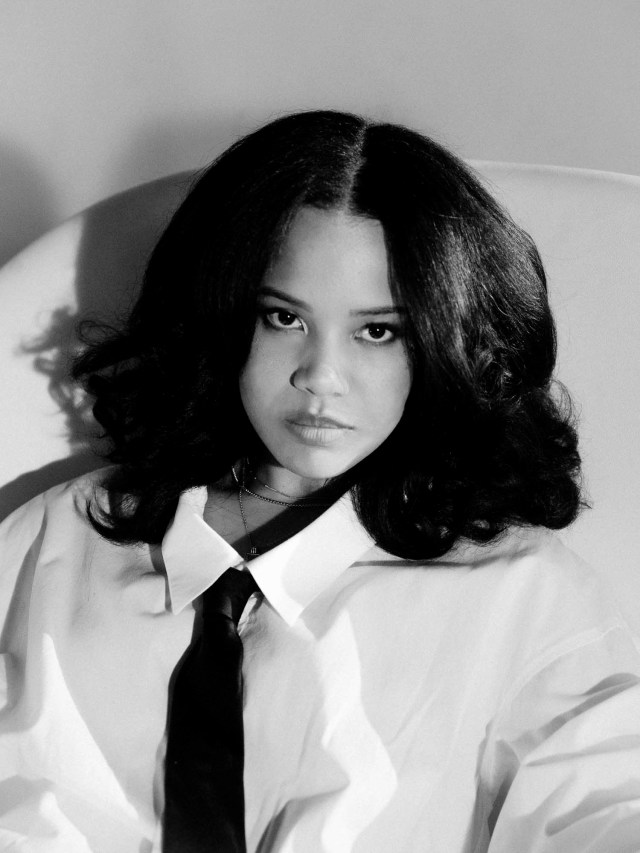
Rose: Oh, absolutely, it is. I suck at journaling. I have so many unfinished journals because I think it’s important to study yourself and to question yourself. And to ask yourself, “Where are some of these ideas coming from that I believe so strongly in?” I want to question everything that I have a very strong belief in because I think the strongest person is the one that’s the most flexible and the one that’s the most empathetic and understanding. We’re in that day and age where I think people are trying to make it black and white, and we’re realizing in real time how detrimental that is. It’s much better to just be open to the fact that you don’t know anything. You don’t know everything, at least.
HP: So, what did you learn about yourself making this record?
Rose: Man, I learned so much, like little details. I learned how important it is for me, even when I don’t feel good, when I feel sad or whatever, to put something nice on and get out of the house. It makes me feel a lot better when I’m out and I’ve got something a little cute on. Because I would dress up and go to the studio, which was so cool. I was looking at mood board pictures of what Aretha Franklin would show up to in the studio. And it was always like, “Damn, you got that shit on; turtlenecks and the mod fashions and things like that.” I was just putting things on and just embodying the environment and looking like I wanted the music to feel almost. And I learned that. I learned so much about my process, everything that I’ve learned along the way, even from Slow Burn, shout out to Bad Bad Not Good, like the importance of cohesion, because I like a record that you could put on and you don’t stop. You don’t have to skip to your favorite song. It just feels like you’re in a world.
With Slow Burn, we created that in a week; it was a time capsule, and it was easy to have that cohesion throughout with this. I’m pulling records from different producers and different times and everything and so me as an executive producer I had to go to each of the producers and be like, “Listen, with your blessing, I need to take this song into my court and finish it.” and having their blessing and their grace and creating a wrecking crew, like how they did back in the day with the Muscle Shoals sound of some of the producers, Ryan James Carr on drums, Biako on bass and Joe Harrison on ancillary keys, guitar, lap still, flute. He could play everything. And being able to finish those records and run those things through tape and create this journey. They have unique elements, but the foundation of bass and drums, really the heartbeat of it, is done in one place. So, I learned a lot about that cheat code and just the beauty of community in real time. Having those folks all come together from different places and then we would eat dinner together. I would order food to the studio even after the project was done. Everybody became friends after the fact. I just feel like that is so important. It’s so key because we’re not in school anymore. So, we don’t get the privilege of seeing people every day, or if you’re not in a nine-to-five or whatever, you don’t get the opportunity to just see the same cast of characters every day. We have to make a choice. And the cost of community is inconvenience, especially after COVID. I feel like it did a number on people, the whole protect your peace movement and isolation and vibes. But we thrive when we’re together.
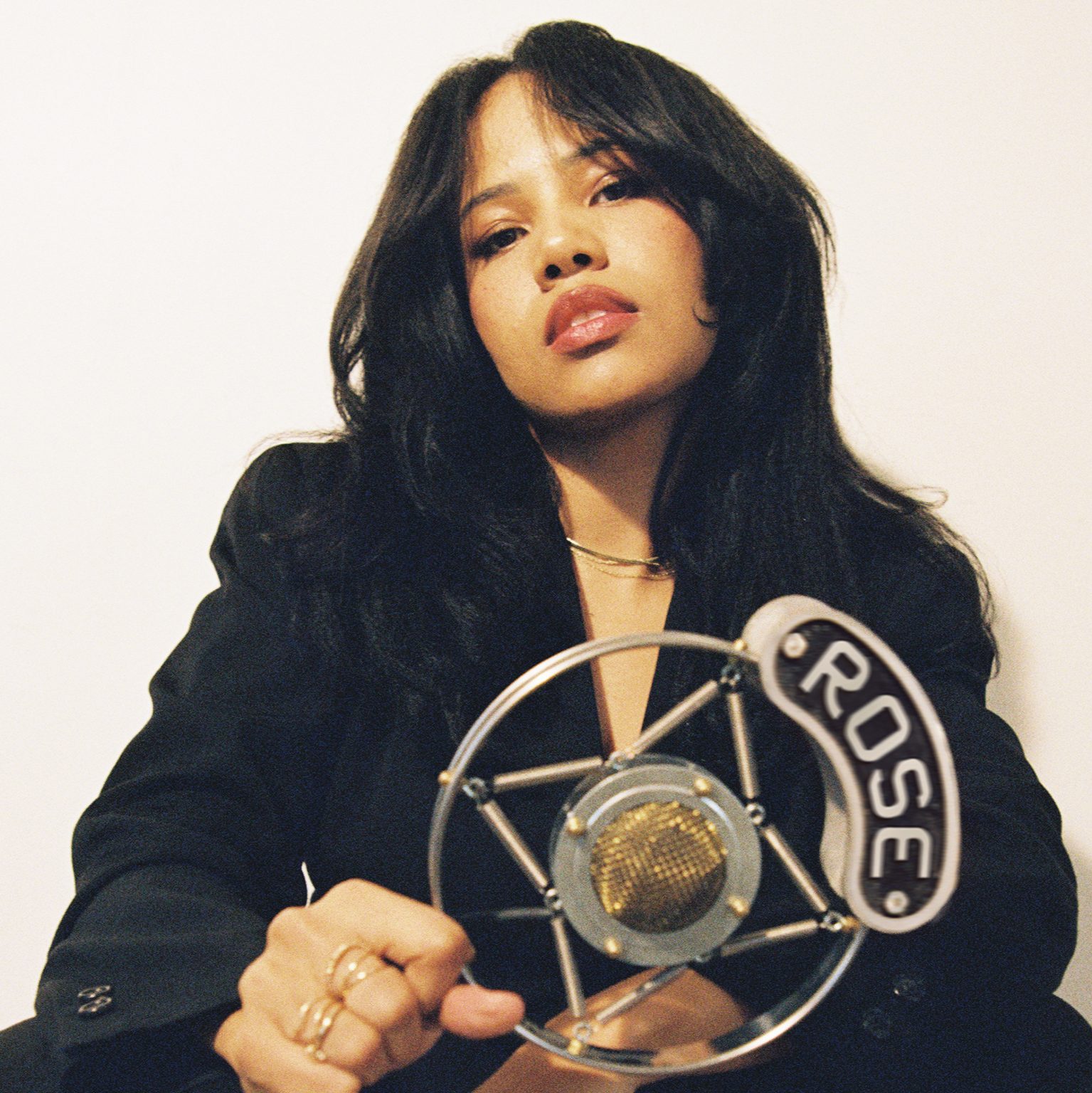
HP: What does it mean to you to go on this tour with Olivia Dean?
Rose: I’m about to go on the greatest tour of all time with this music. And her audience is yearners. They love songs. But she’s really one of those classic singer/songwriters. And I’m like, “Damn, I get to go on the bill with your ass, this is crazy.” Yeah, I think right now what pushes me is the desire to expand and just go and stretch. Even when I think I’m all stretched out, I go a little bit more. In the big spaces and even after the show, because we are about to do some little pop-ups and shit like Yearners Anonymous that are very intimate. So, making sure that it’s huge and then also insulated, so I can create domino effects. What I hope to do is see this experience and you recreate it. These tiny rooms are where big things happen, big movements happen. And so just give that encouragement by leading by example on the small and the big scale.
Catch Baby Rose on Tour this Summer here.
Get the latest music news, exclusive interviews, and editorials in this month’s issue of Hit Parader Magazine.
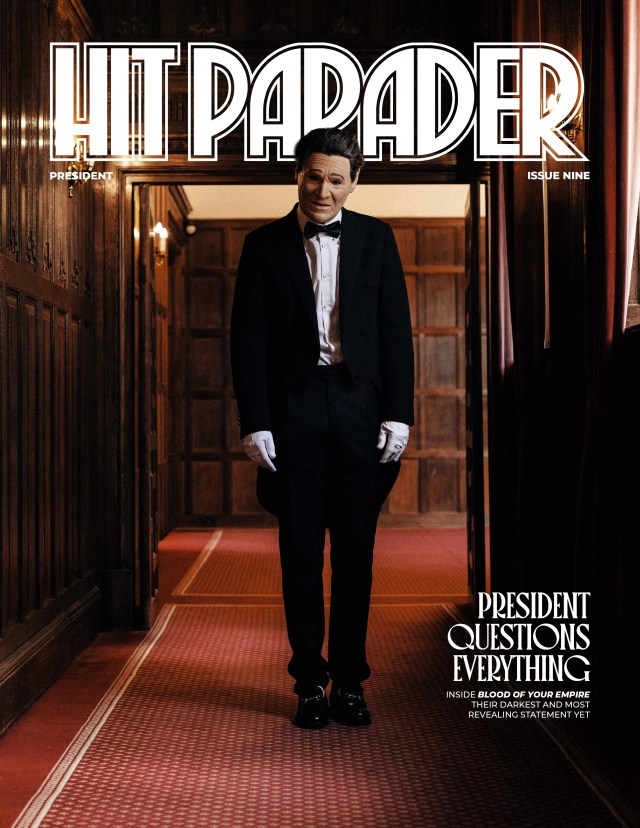
Hit Parader #9: President
October 2026 — $12.99