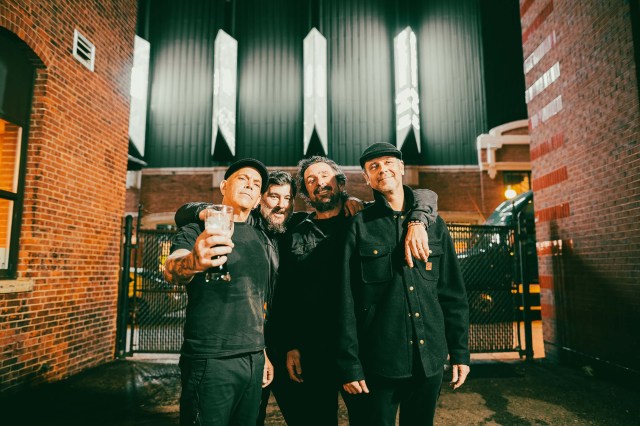
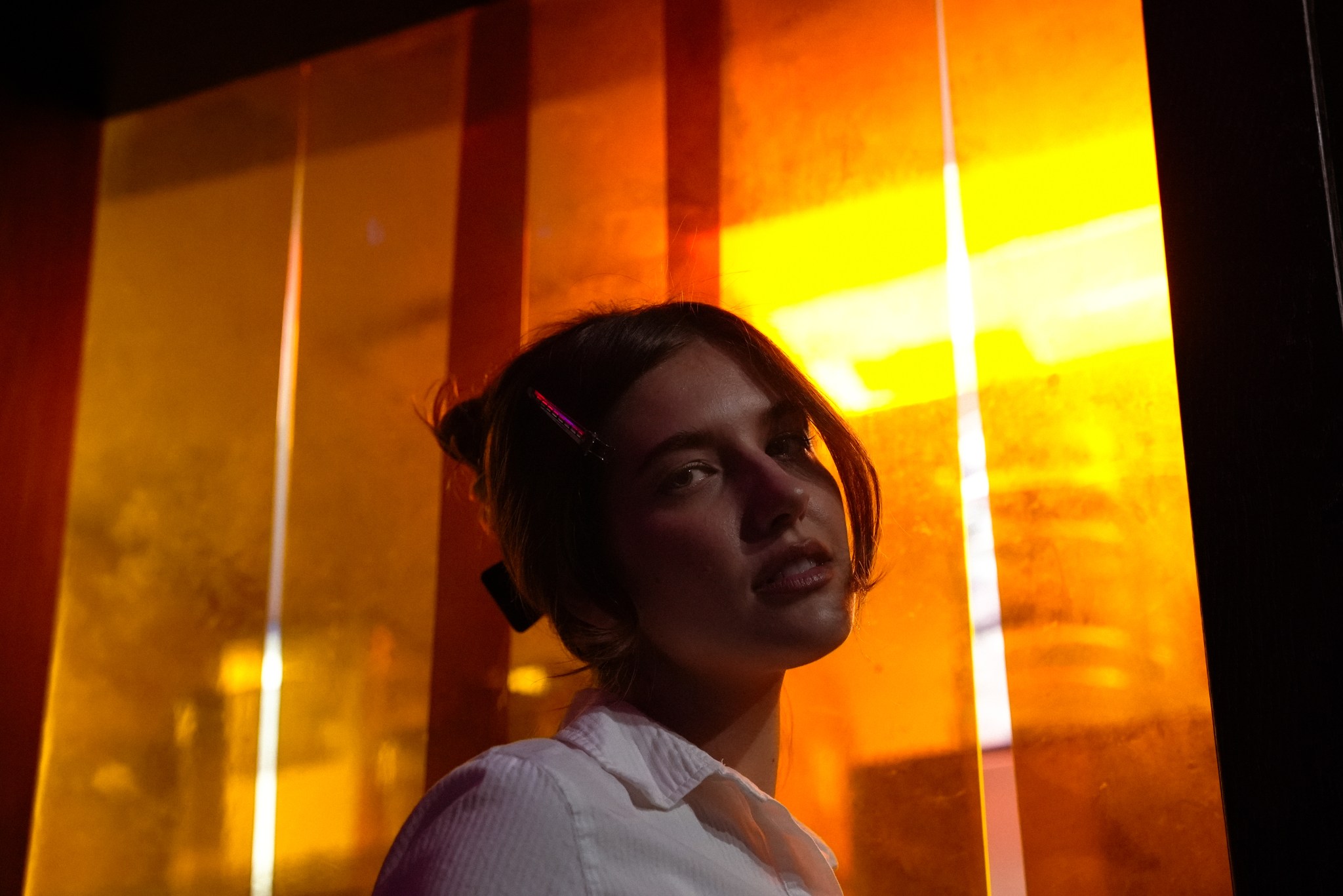
Focusing on the journey instead of the destination is only easy if you know the way, but we rarely do. Hannah Cole, just like the rest of us, is scared of the path she now walks. Instead of staying stagnant, she chooses to put one foot in front of the other and see where it leads her. This time it has resulted in a debut album that bleeds through the distorted guitars into the forefront of shoegaze. The guitars carry a nostalgic hum. The vocals slice through the haze, leaving the feeling of surprising certainty for the genre. The album lives true to the title of a passion project, as it was created completely with Hannah’s partner. Working hand in hand, there is a layer of comfort created from this process. The most important part of the recording process for her was bringing back the wonder and magic for the music. This elastic energy reverberates through the entire record as more and more of Hannah’s personality spills over as it progresses. She sat down with us in person to discuss her origins, the album, and her frustrations with the industry.
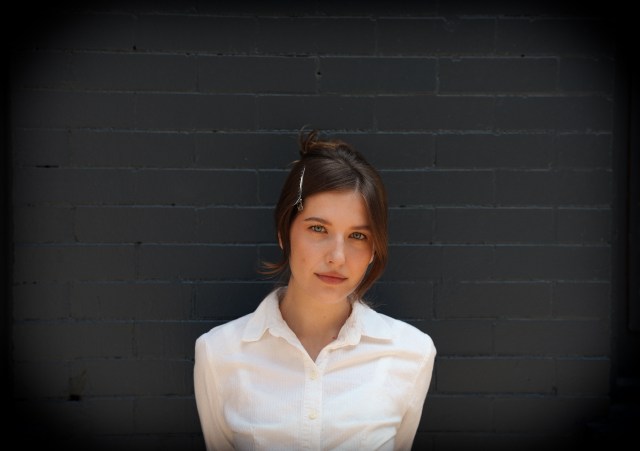
HP: If you were to describe your origin story as an artist, how would you do that?
Hannah Cole: I would say I started writing music at a really young age. I started playing the piano first and foremost when I was six years old. I kind of hated it at first. Then I had a really awesome piano teacher. I told her, “I hate reading sheet music. This feels like homework to me. It doesn’t feel fun.” She realized that I was a kid who wanted to be a little bit more creative. Instead of being like, “Sorry, I’m not going to work with you. You’re never going to be great at this.” She taught me the chords on a piano. She told me, “I can also teach you songs you hear on the radio and ones you like instead of classical music.” Which was awesome. Classical music is great, and having that foundation is important for a lot of people. But for me, That’s where my artistry started, having someone give me permission to explore an instrument and be free. Learning how to have fun and not feel the stress. That piqued my interest in being an artist at a really young age. From there, I continued to write songs through my life, but I didn’t ever realize, “Oh, I can move to a place where people write songs and just get paid to write songs for other people.” I noticed as I was writing or submitting songs for class they’re all very personal. So I had to train my brain to do both. That was when I realized that people really liked them. They resonated with the themes of the songs and how personal they were. I was like, “Oh, I feel like my perspective is important.” Some people just have a knack for putting that into songs. I recognized the way people responded to music, and that helped me realize that I was going to do the artist thing now.
HP: It’s interesting about the piano teaching story because in your bio it was talking about how important it was to find that childlike whimsy in the recording process. How was the experience of trying to refine that feeling into a recording process?
HC: It was tough, to be honest. Especially in the beginning of making a record, your standing in front of this giant beast of a project. I’d only ever made EPs in the past—pretty short projects. I was wondering, “Wow, how am I going to tackle something so massive?” I am also someone who wants to come out of the gate doing something really well. I hate being bad at stuff. I want to put out a great debut record, and I tried my best to make that. With that pressure came a lot of perfectionism and a lot of stress. I felt like a kid being constrained, which is interesting because I think sometimes constraints are good. Even for myself, I have a fairly limited knowledge of certain instruments. I can make my way around a couple of instruments, but I wouldn’t consider myself the best guitarist, drummer, or even pianist. But having limitations in that way can actually make you more creative. Having the concept of tackling something so huge made me—you know, fight, fly, or freeze? I froze a little bit. I think it wasn’t until I channeled that same feeling that I had when I was younger. This is supposed to be fun. Music is supposed to be fun. It’s not supposed to be this absolutely soul-crushing thing. I want to have fun when I’m making it. I want people to hear it and you to feel that it was fun to make and feel that. Obviously, it’s emotional, and the stuff I made in the past was very emotion-forward. But I wanted this record to be really fun to listen to in my own kind of way. I was talking to NandiNandi, who did write the bio. She asked me a similar question. I went back and watched some videos of myself when I was a kid. I had piano recital videos that are out there. I wondered, “Where did that spark go?” Thankfully, it wasn’t until we made the “MMA” video that I was like, “Okay, I see the direction. Now it’s full speed ahead; just going to go for it.”
Even having that perfectionism actually influenced some of the record.
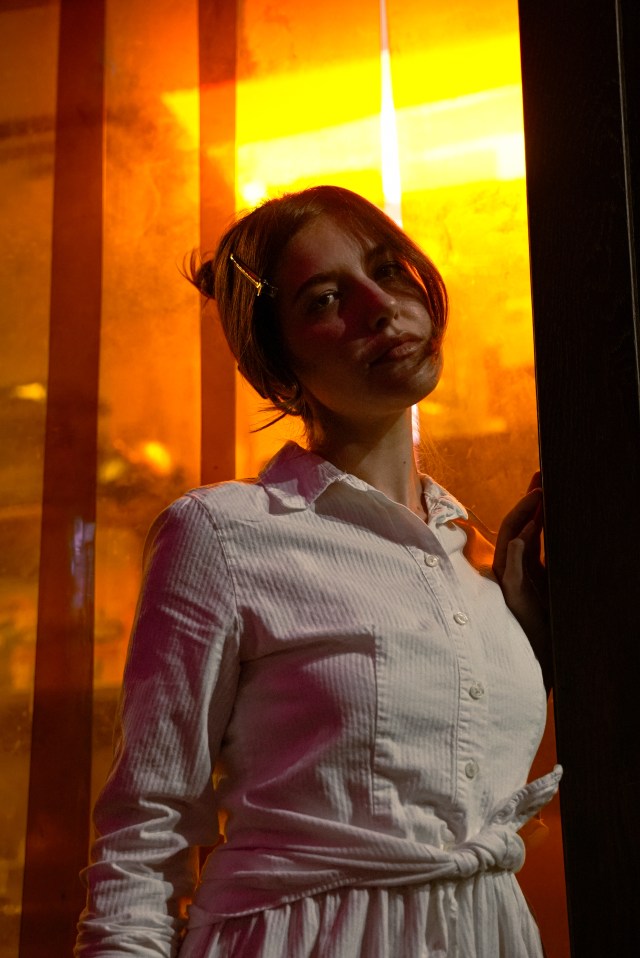
HP: Also, removing limitations from others tends to be easier than removing the limitations you place on yourself. At least for me, when I give myself limitations, it feels more like a law than a suggestion. I also found it interesting that you were talking about not being the best at all these things because you and your partner (Joseph) made virtually the entire project. How was that process of figuring it out together?
HC: That was really fun. Of course, working with your partner has its own complexities. You experience some ups and downs. I think that we share a deep love for music and for each other. Not everyone gets the opportunity to make music with people who speak your own language. I felt really lucky to have that, and working in our home gave us more freedom to explore. That’s such a privilege as well. We have such an interesting dynamic because Joseph, who’s my co-producer and partner, has much wider music theory knowledge than I do. He played drums his whole life, plays every single instrument, and is quite literally a prodigy at production engineering. We bring the same love of music and a similar style of music together, but we also bring different perspectives on how we learned to play music. How to hear music. How do we hear different sounds within the production? Having someone who knows you so well gave me a lot more confidence to try really weird ideas. To have someone be like, “That’s great. That’s weird. Keep going. Isn’t it like, “That’s a little off-putting or strange”? He’s not like that at all. He’s very supportive of my ideas. On this project, I really wanted to have a bigger hand in the production. In the past, I haven’t been as confident in my ideas or my perspective. This time on the record, it really sounds like me. That was something that was very important to me going into it. I know a lot of people who know Jos, and I work together on a lot of stuff. I wouldn’t want someone to think that, “Oh yeah, Hannah writes the song, and Jos does the music.” It’s hard to explain, but having someone as genius as Jos in my corner and also using that genius to propel someone else and their ideas, lifting them up. That is a really special thing. I just want people to know how collaborative the project was both on the production side and the writing side.
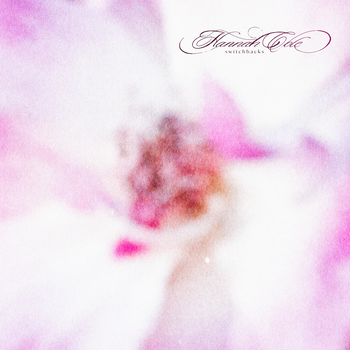
HP: Getting into the project, there seems to be a theme of attempting to find your path even though the future is obscured. Even the cover art is this contorted and distorted image. Talking to you, it seems like you feel a lot more confident in where you’re headed since then.
HC: Yes, I would say so. That’s what the theme of the record is and how Switchbacks, the title, came to be. These winding roads lead up to this mountain. You don’t really know what’s on the other side, or you don’t even know if you’ll reach the top necessarily. You can just try your best and see what happens. That’s kind of the whole point. I think making, finishing the record, finishing the record, and seeing the response so far. Knowing what I wanted to say was so important. Making sure every choice was mine. Even if it were, say, Jos came up with something, or another friend who was playing guitar on the record came up with a suggestion. Having every single little detail be so perfectly curated. That’s what made me so confident towards the end and now. I’m also just older and know a little bit more about myself. Especially about my place in the world and the industry too.
HP: One lyric that stuck out to me was on “MMA.” It was “I like to see myself as someone who puts money in a slot machine.” It’s not that I would like to take a risk, but I would like to see myself as someone who can take a risk.
HC: That’s an interesting perspective because I’ll tell you. I like that perspective. In my head, when I wrote that, I was thinking that I wish I could see myself screwing myself over a little bit. But I think that’s an interesting perspective. That’s what I really wanted. I wanted it to be on the table to see how people took that. Whether it was, I really wish I could see myself doing things that put me in harm’s way or put me in a risky decision. But I really appreciate that different perspective.
HP: What was the inspiration for that lyric?
HC: That whole song is about needing to look from the outside in on something. Even towards the end, when there’s the desert imagery. You need to be in this desert nothingness to look out on the city of Vegas to see the grimness or the sliminess of it from a distance. The reality of fame and success is really interesting to me. How fame or success can be this thing outside of reality. Going with that imagery, I wish I could be outside of this. I wish I could be outside of myself and see myself from a different perspective. Putting myself in a situation or putting myself at risk of failing. At risk of being hurt by an industry that’s hurtful and terrifying. I think that towards the end of the song. I open my eyes, take off the rose-colored glasses, and see the industry for what it is. I wanted to toy with that concept of reality and success. What is real? What is not?
HP: Finding your definition of that early on is really important. Especially when you’re just exiting school and entering the industry. It’s a terrifying beast that can propel some people and then others; it’s just eating alive.
HC: Yeah, and realizing early on that success is not this state of being. You know, they say you can be successful. I don’t know if I can be successful. I think you can experience success, and that makes sense. I just don’t think it’s something that you can be. Even the people that are at the top of their industry and their careers are still always wanting more. There’s no first-place award in the music industry. You can win a Grammy or whatever. It doesn’t matter. Even those people still want more and more and more. Just navigating that feeling of, “Okay, if there’s no top achievement, what am I striving for?” How can I live just in the present moment and enjoy what I’m making? If it doesn’t pan out in the way that I want, that’s fine. I’m making stuff right now that I feel like people can relate to, listen to in their cars, or use in their headphones. That’s enough.
HP: The process that allows for a lower chance of you regretting it in the future. You tried what you wanted to do, not what was implanted in you that you should have done.
HC: That’s what I wanted to do on this record too. In the past, I would try things that I knew would work right now or were trendy. Now I just want to make what I like. If I think a decision is cool and it sounds good to me, then there’s bound to be someone else out there who agrees and thinks the same thing. I think people appreciate risk. The right people, people with good taste. There’s even riskier music out there. But personally, I think there are some fun decisions on this record that make it unique to me.
HP: Your personality on this record really bleeds through, or maybe who you and your partner are together bleeds through this project. It feels like you can gain insights from this project that I didn’t necessarily feel like I’d gain from the other earlier singles.
HC: That makes me really happy. A part of that comes from having a bigger hand in the production process. There was never a time when I was not in the room working on the music with Jos. This record had personality. In the past, that was something I struggled with. Figuring out how to convey my personality. What would be the point? Why do you listen to a certain artist over another? Everyone has different reasons for listening to different people. Right now, especially in pop/mainstream music, there is a huge emphasis on falling in love with the person, sometimes over the music. When a certain artist puts out an album, all the fans are going to love it just because they love that person so much. Obviously, you want to be loved, and you want people to love you as a person. But I want people to love the music because they love the music. Then hear my own personal perspective and lie, “I hear this girl, and I relate to that.” Personality, just in anything, is important. You want someone to hear your music and know that it’s you.
HP: What’s the song off the album that took the most out of you creatively?
HC: That’s a good question. Probably “Mechanical Bull.” I feel like it’s a pretty weird song. I was trying to navigate this complex feeling of having the same career path as your partner. Having experienced some situations within the music industry. Specifically, men in the industry who could not care less about me or fail to see me as equal to my partner. Which sucks because my partner’s awesome and is the most supportive person. He sees me as an equal. That can be a complicated feeling to navigate. Lyrically, that was challenging. How do I convey that in a way that shows my perspective on my experience of some level of sexism in the music industry? Also making it known that making music with my partner is the thing that pulls me out of that. It makes me feel awesome, important, and special. The musical choices in that song are really interesting. We actually had our friend James Eichmann come play a riff on that song that I think is really catchy and awesome. It has an interesting twang to it.
HP: It’s very country-shoegaze.
HC: Yes, which I really wanted and thought was super, super awesome. I knew I wanted the record to be really dynamic. With that song specifically, I wanted the verse and the choruses to be less dynamic and then have this huge bridge that really explodes. I think we did that on that song for sure. It was a challenge. We had like two or three versions of the song.
HP: There was a lyric I was considering asking you about on that track. It’s about you falling off the mechanical bull, and it’s something along the lines of, “You reach for me, but they’ll never reach me.” Was that about the people who didn’t see you as an equal, “reaching” to help for the optics more than to help?
HC: Exactly, you nailed it. The exact lyric is, “I look up just to see you watching from a balcony, extending your hand, but we both know you’ll never reach.” It’s when they see they got me, but they aren’t actually going to reach for you and pick you up in the same way.
HP: The social part of what looking like they are helping you gives them.
HC: Sometimes I feel like that’s the industry too. This place is really supportive of women. Then why are 90% of signed songwriters male?
(The latest report I could find was a study done by USC Anneberg in 2024. The percentage of women songwriters hovered around 18-19%. Nevertheless, her point still stands. Along with songwriters, women make up only 6.5% of credited producers. Both of these numbers are based on all songs that charted on the Billboard Hot 100 in a specific period of time, but this is the only credible data available currently.)
HP: I saw you talking about the book Play It as It Lays By Joan Didion. What about that book that opened your eyes to the ways of the industry?
HC: It wasn’t so much it opening my eyes to the industry as it was the imagery of the book or that concept of reality. Things look different from what they actually are. This concept of nothing really matters. It’s kind of a nihilistic book, but I think that the imagery of that book really inspired me. There is also this quote in the book where the main character talks about her dad telling her to “Play it as it lays.” I can’t remember it exactly, but something like, “You never know if you’re going to lift up a rock and see a rattlesnake.” Something about “You don’t really know what’s going to happen in the game, but you just have to play the cards as they lay.” I took that from the book and tried to implement it into the record. That idea that you don’t really know what’s going to happen to you. So, you might as well just do what you think and let people know that you’re there.
HP: Starting in the industry, it feels like there are these illusory rules that you aren’t sure of. You’re just kind of feeling your way around, praying you don’t run into a rattlesnake.
HC: Exactly. Just see what happens; that’s all you can do. For me personally, it was, “All I can do is make my music and do the best I can.” If things happen for you, they happen. If they don’t, then they don’t. Just got to play it.
HP: If someone were to take away one theme or lesson from the project, what would it likely be?
HC: The whole thing is about this pursuit of success. I would say that you don’t know what’s coming next. You just have to go for your dreams. That sounds really cheesy, but I think it’s true. Success comes from enjoying your life and having a good time. Personally, in my pursuit of success with music and the industry, I found that joy from my past was the only thing that could help me move forward. That’s a huge theme on the record. This concept is that in order to go forwards, you have to go backwards. I wanted to in dreams as a goal and dreams as this memory that you feel when you go to sleep. I wanted the production to feel that kind of dreamy nostalgia from a memory. I wanted the lyrics to reflect my dreams as goals for the future. I wanted to combine those two things.
HP: Any last message to the fans, readers, or listeners?
HC: I really appreciate the people that have listened to my music since the beginning and have understood my progression as an artist. The ones who have grown up with me and made the same realizations. Hopefully, they still relate to the music. The support means a lot. I hope that they really enjoy this record and understand me a little bit more. I really want to play this record live.
Listen to Switchbacks by Hannah Cole, out 9/4 here.