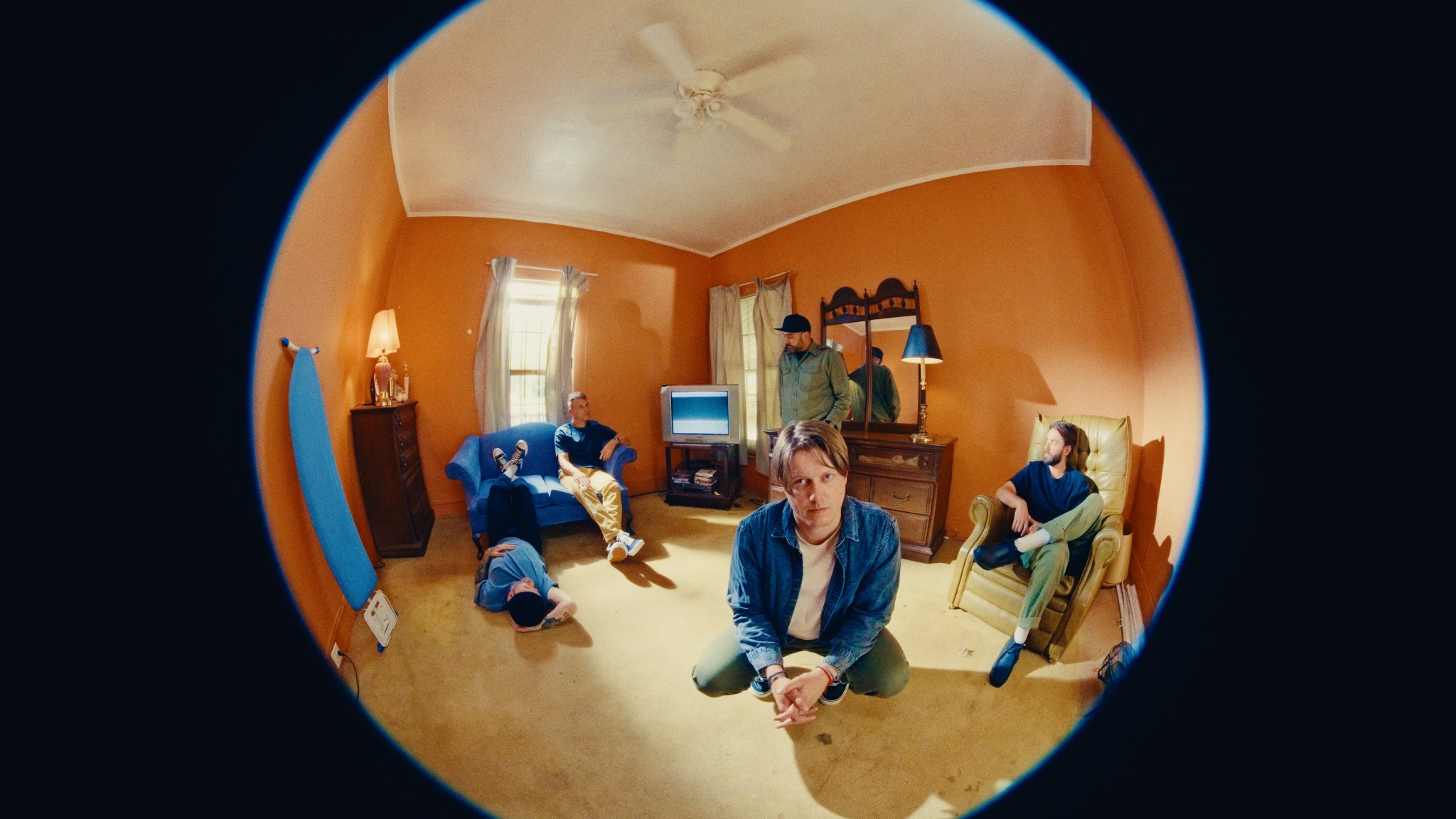
Thirteen whole years between releases sometimes make bands feel like they’re blowing the dust off the cover of a book they swore they’d read for years. Cartel’s Learning How to Cope is the exact opposite: a reinvented sound, not a continuation, with charged lyrics pointed straight at the listener, telling them now’s not the time to sit still. The Georgia-bred pop-punk outfit, which formed in 2003, got its first break with its debut LP Chroma, propelling it into the 2000s emo scene, touring alongside The Starting Line and New Found Glory, and playing a distinct role in the golden years of Vans Warped Tour. The act, fronted by Will Pugh, cemented itself as one of the unsung heroes of the scene, but with the release of its first LP in over a decade, the outfit is unsung no more: they’re louder, heavier, unafraid to speak their truth, and it shows. Hit Parader got the opportunity to sit down with Pugh, and chat about everything that led up to their comeback on Learning How to Cope.
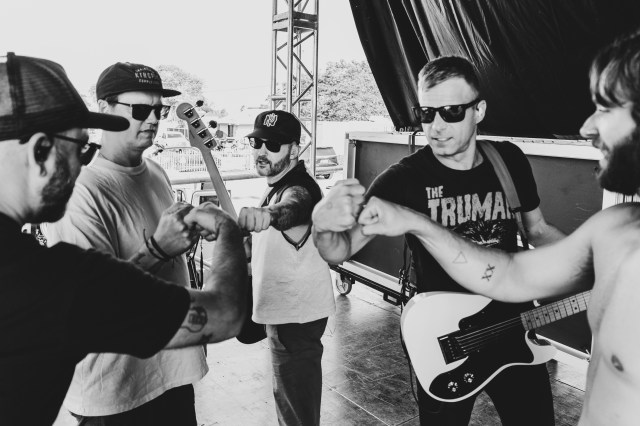
Hit Parader: So, dude, first record in 13 years! The sound is the loudest I’ve heard you guys and it sounds phenomenal. What was it that made this the right time to release something new?
Will Pugh: It really was just that I won’t just write songs for the sake of writing songs. I want to feel like there’s a reason behind what I’m doing, and it was like a confluence of starting to be inspired, musically, like just you know Sans vocals or lyrics or anything like that, but just you know feeling like I could hear what Cartel should sound like now. Over the 13 years it’s been, we released a couple songs, and I wouldn’t say that those are indicative. We’re still kind of finding what we should sound like now, and you know, you kind of come around to different things like, oh yeah, we’re adults, we’re 40 and got kids. Like, are we gonna write heavy stuff? Are we gonna write softer? What are we doing? So you know, you finish some things, you sit back and go, yeah, it’s cool, but that’s not really like the vibe.
I wrote the record last January or February. So I would say the couple years preceding that, I had sort of started to get into some different bands, like kind of fall back in love with a lot of the heavier music that I used to listen to when we were 17-18 years old. Not the same bands, but just like the new versions of them, and kind of finding like, oh, this is what this stuff sounds like now. It started to really get the gears churning, and as a writer, it feels challenging. It’s like, oh, I need to go out there and try to beat that. Like, I can write a riff that feels cooler. And it’s not really that subjective or judgmental, it’s more just personal. Like, I want to write something that makes me want to jump around the way that these other songs are making me want to jump around, so finding that like really started to open up, well, now that I feel that, what now, you know? I can sing on top of this. It feels good. It’s touching all the right points where I want to have authenticity and believe what I’m saying, but also feel like I’m delivering it in an authentic way at the same time. And then, yeah, obviously, with the world’s political climate, the socio-economic injustice, all those things that I’ve always been very outspoken about and cared about. It’s like part of my being of trying to be compassionate, but also kind of more like your rage against the machine. You know, it’s like that sort of thing where it’s like that that’s always been like a through line of my conscience. But like Cartel has talked about that stuff more in vague ways, and I think there was a lot of self censorship going on between friends and family and things like that. It’s like oh, I don’t want my mom to see this or read this or hear this and start clutching pearls, shit like that. You know what I mean? You feel like you owe it to everyone else to not make them feel uncomfortable with what you do by just expressing your own truth and being authentic. So, circling back around and being you know what I was 40 when I was writing it. So, you get to that age and get to a period of our career where no one is sitting around waiting on the next Cartel record, you know.
So, it was like we can do whatever we want, and kind of feel like we’re starting over, but starting over well into our career, obviously. So it felt like all the gloves were off. You can write about whatever you want, and just put your heart on paper. I wrote the album from the music to the lyrics in probably five or six weeks. It’s the fastest I’ve ever done anything because I just didn’t care anymore.
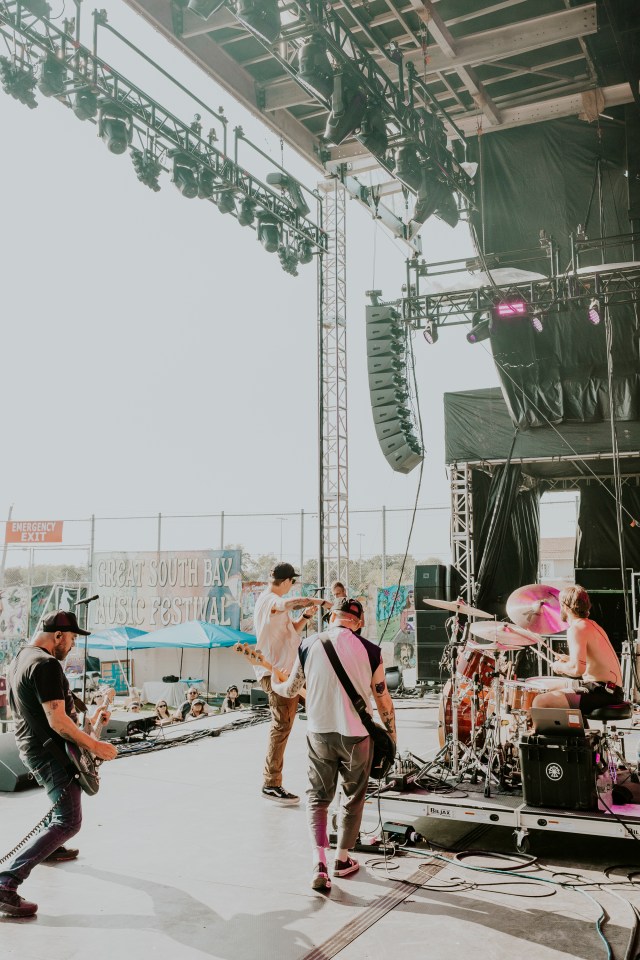
HP: Yeah, dude. Once the filter’s off, you just feel you can let loose now.
WP: Yeah, yeah, and just through everything that was going on because that’s like right when Trump was starting to take office and all the fucking shenanigans started. I mean, with Doge it was like, okay, cool. Elon Musk runs the government now. This is crazy. So, there’s a lot of pointed language in the album as a whole, and there’s definitely an antagonist to the whole thing. I would say it’s archetypal, but there’s also very real people that those songs are being spoken to. I would say most of the time there in all of the songs there is like a very real person that I’ve known in my life, and not just the same person, but you know multiple different people. But they’re people that I’ve known in my life that I’m directing these lyrics at because that’s where I’m pulling from it personally. But also they are, you know, they represent the archetypes of the people in charge and things doing that.
It’s like micro/macrocosm sort of stuff, and so I’m able to bring a lot of personal angst and vitriol into the delivery because it’s real and I feel it, while at the same time also being kind of tapped into the empath side and recognizing when innocent people are being harmed and you know for no fucking good reason at all, and use that energy and that aggression, I guess, for lack of a better word, to kind of put the words down and just take the filter off. It’s yeah, it’s the most free I’ve ever felt in music. So that’s where this album came from.
HP: That’s fantastic! That’s gotta be one of the best feelings. As a band, while you guys have matured in your writing, you still stay true to your roots. So, what are some certain qualities in creating your music that have always felt comfortable to you, or really make you feel at home when you’re writing?
WP: Home base is when the melody, lyrics and the actual music are in sync and feel cohesive. I’ve grown up being musical, you know, since I was – I’d probably say 13. That was kind of my musical awakening where “I know how to play guitar and I know how to play songs that are on the radio.” Now I’m starting to figure out how the sausage is made, and you start to learn some things, and you’re taking little things here and there, like when Cobain sang, “here’s the one who likes all our pretty songs,” like that. If you just sing that out loud, it’s very poppy. You could almost do a little play school piano in the background of that, and no one’s gonna think that doesn’t sound right. But then you add in the big dissonant chord changes and things like that, and you have this juxtaposition. While also he’s like graveling it, and it’s just like, oh, you can do things like that that like make you feel like it’s very catchy and easy to sing and memorable, but then also have the fucking rock hands going up. I grew up listening to the radio with my mom, who listened to soft rock, so I grew up knowing these songs that I had no idea who the artist was until I was older, but I would I would remember being in the car and listening to music on the radio, and and being able to predict what the next word was going to be, and I mean, you know, like the psychologist would be like, “Well, yeah, because you’ve been hearing that song for like seven years, you know, like since you were a baby, it’s rooted in your subconscious. But like that repetition starts to turn into instinct and awareness. So subconsciously, I’d been developing that based off of like you know 70s and 80s like soft rock you know Genesis and Journey and Phil Collins and Peter Gabriel and all of those guys and really getting rooted in that.
Then, all of a sudden, the 90s happen and I’m kind of having my teenage awakening, and at the same, it’s the era when grunge is happening, and it’s just this big upswell of heavier guitar-based music. Then punk and hardcore started coming more to the forefront. So I’m getting like all of those influences kind of thrown in on top of those more pop instinctual songwriting things, and then you hear bands like Newfound Glory, Blink 182, and Green Day who put it all together. You know, you’re catching all of that while also having the grunge side of things where there are twisting and cool tritone chord changes, and there are no rules, but there’s still a rule. All of that is sort of where my musical background came from. So with Cartel, anything that I’m gonna do that feels authentic to me and natural without being forced is always gonna kind of be rooted around: can I do something cool in the vocals? Can I make you have that moment that I hear in other music graders go, “Yeah, that was perfect. That’s sick, you know, like because there’s a million bands out there, right? And like you can hear the same repetitive thing throughout, and we’re guilty of it too. It just happens. It just is what it is. You can’t be groundbreaking on every second of recorded music that you put out. Otherwise, no one listens. It’s essentially what happens. So, that’s kind of always what we’re striving for, I think. Over the years, regardless of sonic influence or what types of songs we’re writing or outside influence, whatever it may be, I’ve always tried to keep that as they get through live.
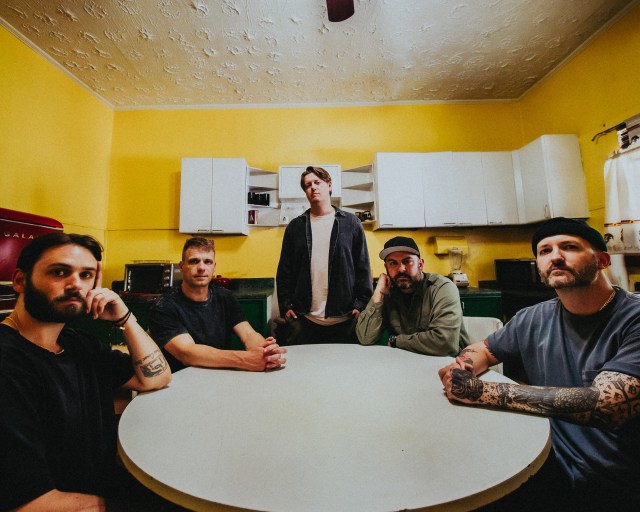
HP: You recently said in an interview that you praise writers that can take very harsh subjects and put them into words in a song to further illustrate the experiences they’ve had. That being said, have any other artists really influenced your writing in Learning How to Cope specifically that you can think of?
WP: I came back and rediscovered The Story So Far and I’d heard a couple songs. I’m like, man, that kind of scratches the itch. Those (songs) do some cool things, guitar wise and I feel like I would write them like that too. With the way that there’s a little dissonance, but it’s still musical and melodic. But then, diving into the lyrics, Parker talks about substance abuse in a couple songs, and I feel like that’s just real. Obviously, plenty of artists have done that, but I like it. Really stuck with me there, and then like Rustin Kelly on his Dying Star record had some of that going on, where you’re just like, yeah, that’s real. You just self deprecated, like you just told me. I know more about you than I know about most artists because you just told me in the song, you know? That sort of like vulnerability and putting yourself out there, it’s inspiring. I mean, I never have had a substance abuse problem, so that’s not a direct corollary. But just being able to bear the parts of your soul is what being human is about, and I think that’s what people relate to in music.
HP: On this new record you have the song “Shirts and Skins”. With politics being so forefront in a song like this, does writing for it come naturally, or was it from a need to express a current feeling about the world that you just had to get out?
WP: It’s both. If you ask my wife, she would tell you that like it’s probably four or five days a week that we have a pretty lengthy diatribe on how fucking broken the world is, and how it’s not hard to be empathetic and compassionate towards every human, and that our socio-economic systems are specifically derived to keep us in a constant competitive state. There’s a lack of general compassion around everyone. We’re just trying to survive. That’s all life on this planet ever is and we’ve put all these fucking stupid rules around it in order for some people to win and some people to lose. It’s such a silly fucking thing. I could write 100 albums just taking the world order as it is to task, there is no shortage of vitriol for that. To me, I feel like that has to be paired with a musical component that brings the subconscious energy out of the listener, to then be able to mix it up with the lyrics and delivery that work to hit the whole thing as a piece of art, versus starting to write another manifesto and never finishing it. When it comes to “Shirts and skins”, I had had that music, that riff for a minute, and had never really thought about what would go over the top of it because when I wrote it, I wasn’t unlocked in the sense of writing a political song, and political is the wrong word because that puts it in a box. But you can write a liberation type song and not be disingenuous or out of place.
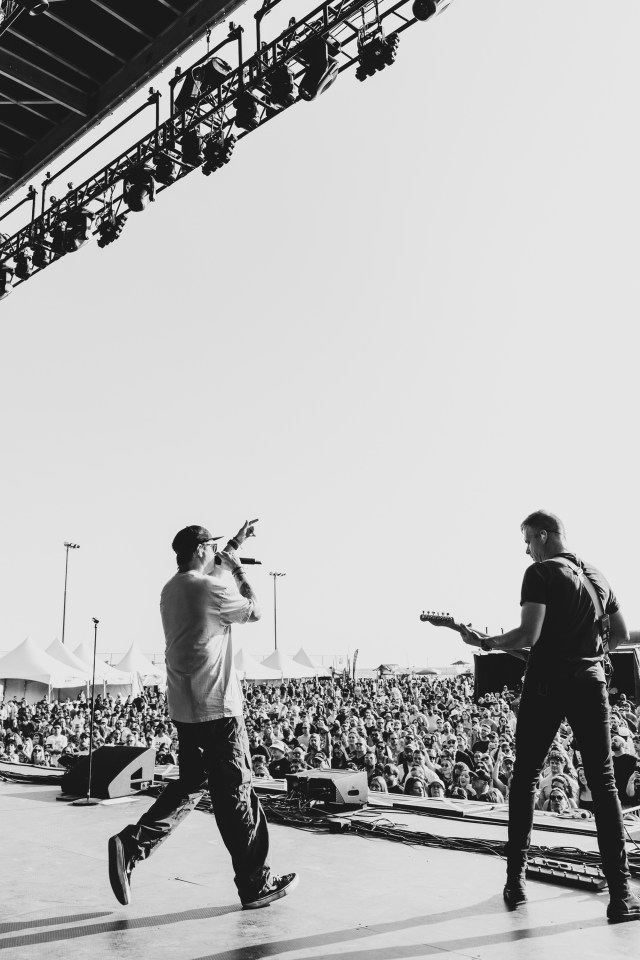
At the time when I wrote the music, I didn’t know where it was going to go, but the riff was fucking cool, so I held on to it. And then, as this record started to develop, I was like, oh, this riff can exist now. And then like all the ICE stuff started happening, and I was like, “oh yeah, fuck this shit”, because shirts and skins is actually short for brown shirts and skinheads. It’s also a throwback to when we were in high school. We did an alternative version of the band that we were in and called it Shirts and Skins. We only [played] once, but when we played a show, on the last song, we all switched instruments. I went to play drums and we all took our shirts off and started playing a hardcore song. It was just teenage ridiculousness, but a lot of fun, and so it was a little bit of a throwback to that. That was Shirts and Skins, so it’s a little bit like a gear shift for the band, but brown shirts and skinheads is what that actually refers to.
HP: On the subject of political punk/pop-punk music, looking back to the music from the Dead Kennedys, Sex Pistols, Bad Brains, etc, how would you say that politically driven punk music has evolved, or stayed the same?
WP: I think “evolved” is an interesting word. I feel like the DNA of the original inception of punk, Minor Threat would be in there as well, is still there. I wouldn’t say that for bands right now. I would be hard pressed to think that bands playing punk music, like new bands in their 20s and teens, probably don’t know that those bands exist. I mean, they might have heard the name, but they’re not familiar with the music, but they’ve listened to and been influenced by bands who were directly influenced by them, you know? It’s like how rock and roll is just old school Delta blues music. You would never say that the Foo Fighters are a blues band. They’re a rock band. Yeah, it’s turned into something else, but it started from the DNA roots.
So there’s the political part of punk. Can it be punk and not be political? I think it’s not pure punk if it’s not, and I think that takes a pretty broad liberal definition of the words punk or political. But there’s always that energy and that angst, that vitriol, that fundamental dissatisfaction with the way things are, and if you go back to that sort of idea, not necessarily like you know, that could come down to anything. Any trivial situation can turn into a punk song that still has all the classic roots of punk music, and just the fact that it has a rebellious attitude that gets translated into music. It’s hard to pinpoint any specific band now that’s doing it “right” or anything like that. But it’s just it’s cool to watch music evolve in ways like that, but still you know have bands like Foo Fighters that have never called themselves a blues band, but you have other bands that would still call themselves a punk band. We would probably be thrown into a pop punk thing. I mean, it’s not not, but I wouldn’t say that we’re a punk band. Not because I don’t want to be [laughs] I’m definitely into it, but I don’t want to create a false similarity that might not be there.

HP: All the subgenres of everything nowadays just get me so confused [laughs], so it’s still punk to me.
WP: [Laughs] Our guitar player, Joseph, we were doing a Q & A thing on the Chroma Tour last year, and somebody asked him like, “What are you listening to right now? He has the most varied music taste of anyone I’ve ever met personally. And he said, “Yeah, you know, earlier I was listening to like post-Civil War Nigerian funk music”, and I was like, ‘What the fuck did you just say? That’s a genre? Wait, post-our civil war or their civil war?’ He’s like, “oh, their civil war”. This is like the 70s. Where do you even start to find stuff like that?
HP: That sounds like a prog metal fan describing their favorite band.
WP: Exactly. Anything you can think of. Let the people describe the music however they will.
HP: I love that, dude. To close things up here, I saw you guys have an upcoming tour! What stage are you most looking forward to playing?
WP: Shaky Knees, because we’re Atlanta boys. We’ve grown up in Atlanta. Shaky Knees is very much a homegrown festival, where it started in a much smaller situation and has now gotten to the size where it can sell out the biggest festival setup there is in Atlanta. It’s really cool to have seen that festival grow while we were basically on hiatus. That festival has been growing over the last 10 to however many years. I don’t know exactly how long it’s been going right off the top of my head, but it’s been a while, and we’ve never been able to play it, and I’ve seen lineups and never actually been able to go. I’ve either been out of town or we didn’t live there yet. That’s because I lived in Nashville for like almost 10 years. So, when we moved back three years ago, I hadn’t been able to go since we’ve been back, and there’s been some really cool lineups and we’ve had some connections where I could have gone, but it just it didn’t work out and so I’ve always wanted to go because it’s been a cool festival that’s shown up and we know some of the people. The guy who essentially is in charge of Shaky Knees used to book us at the Masquerade which was a smaller club here in Atlanta where we still play shows now, but it’s a different location.
So, to see that guy go from just promoting and buying shows at the local punk venue to booking and running the biggest festival in Atlanta is sick as hell. It’s cool that there are still a lot of Atlanta roots in there. Finally, being able to perform at Shaky Knees, especially since that’s the day we release the album, is a really cool full circle moment. The festival is obviously like a huge part of that, and getting to play the hometown at the festival site, where it’s right in the middle of downtown is really cool. On top of releasing the new album, which feels very much like a new beginning for the band, because there’s a lot of songs that are about to be retired from live performance in favor of everything moving forward, it’s just such a fresh start, and I’m really looking forward to feeling that.
Presave Learning How to Cope, out Sept. 18th.
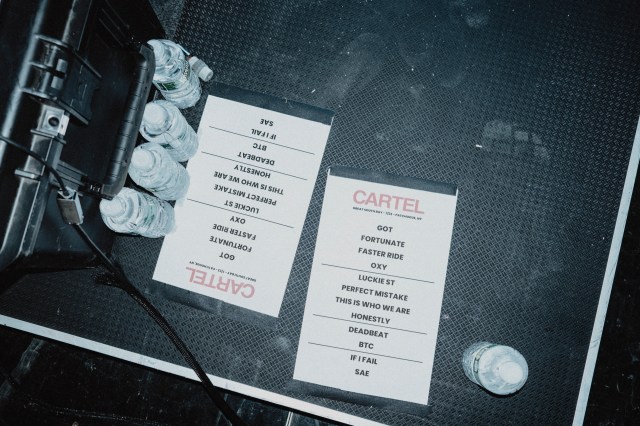
See Cartel + more in Issue 9 of Hit Parader Magazine

Hit Parader #9: The Beaches
September 2026 — $12.99