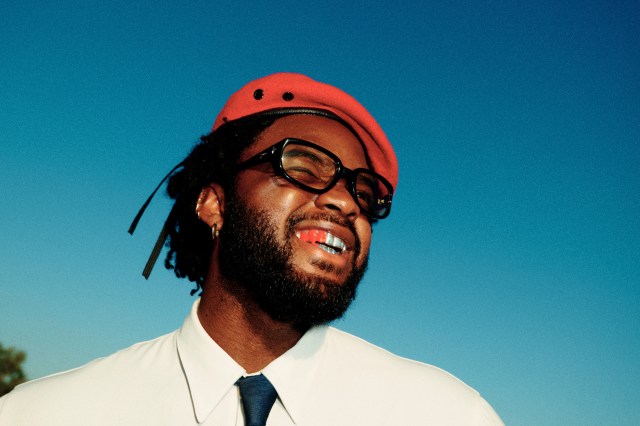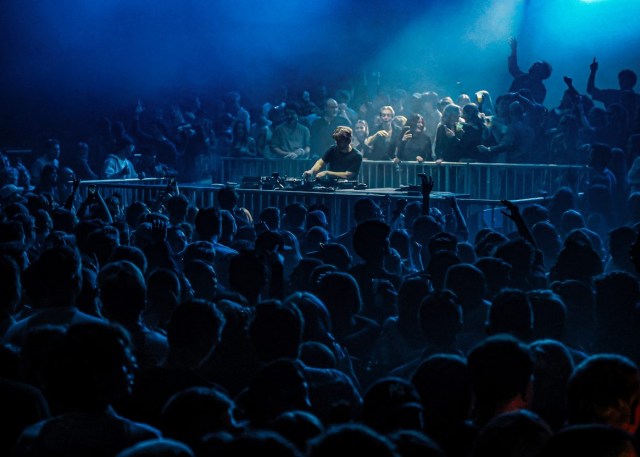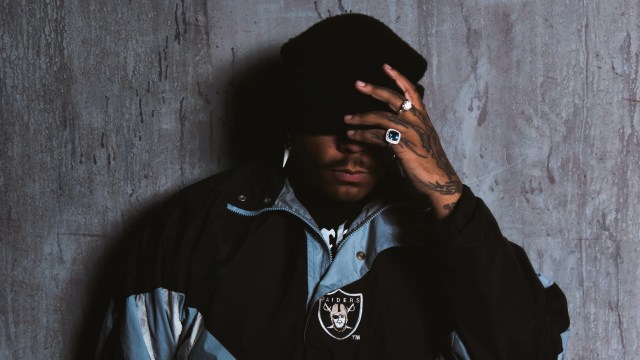
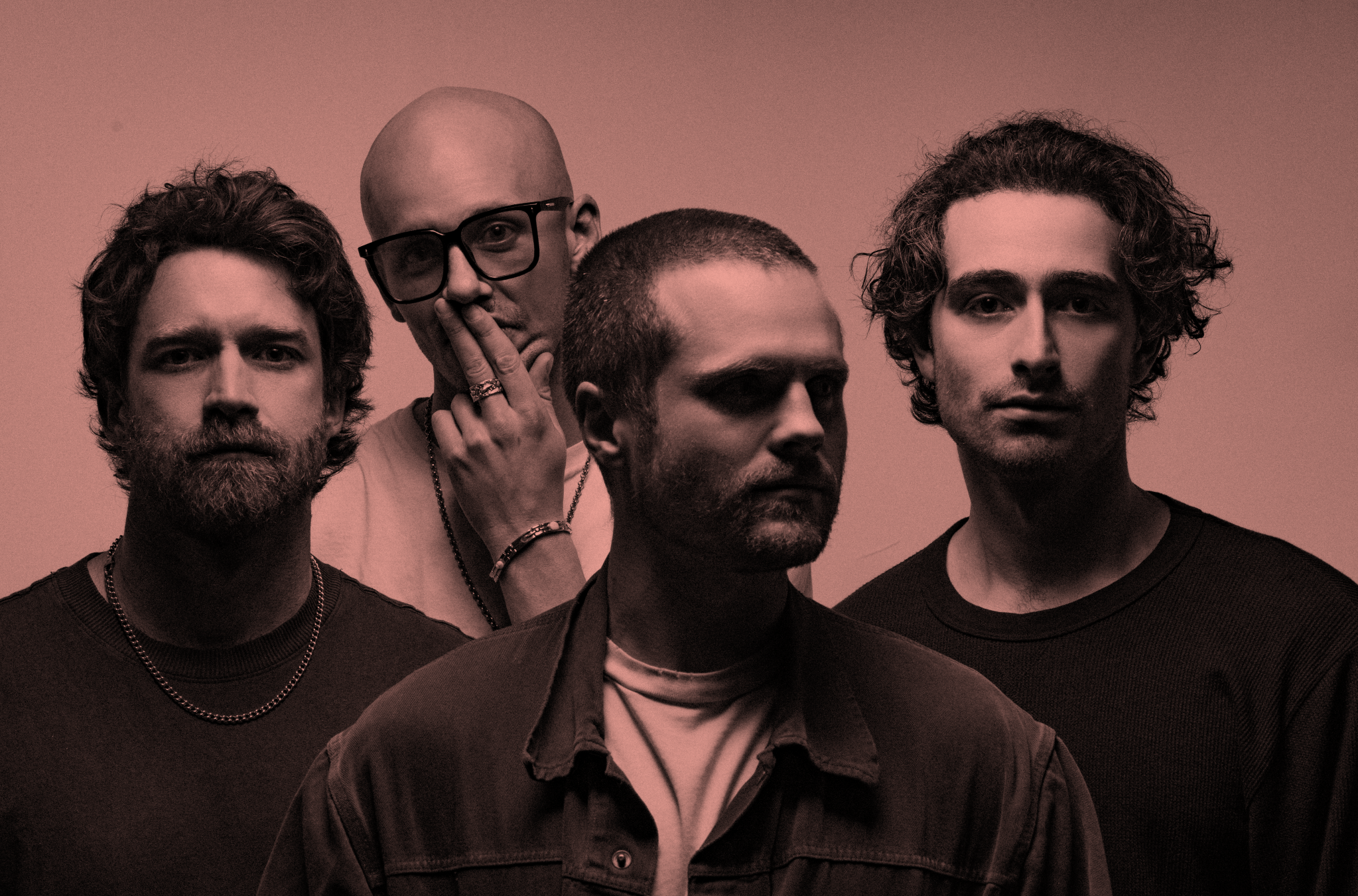
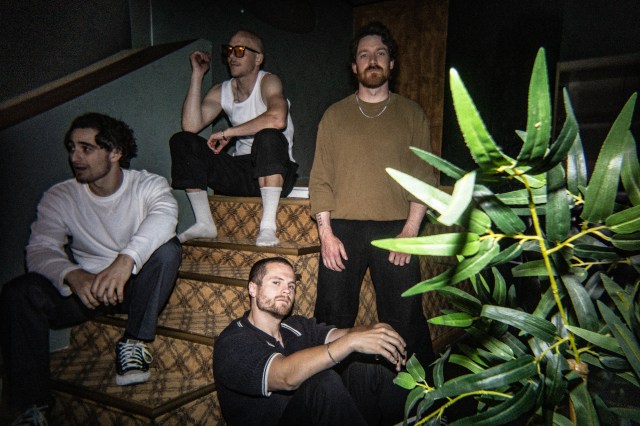
Careful consideration is required when you are an artist talking about your art. Dead Poets Society takes a cautious approach in doing so to ensure they don’t dilute the message. This isn’t to say they are unafraid to get to the point when it comes to lyrics. The band, composed of Jack Underkolfer, Dylan Brenner, Jack Collins, and Will Goodroad, enters this fall season with their third studio album, Monarch. Aiming to melt away the excess and get to the core of the band. This project is all that has stood out since the band’s inception evolved to it best form yet. Being measured but not prudent, the album is the next step in maturation thematically from FISSION. Not only is the subject matter elevated, but the entire project is also steeped in thematics that create an environment, not an LP. Jack sat down with us to discuss the new project and the work behind the scenes.
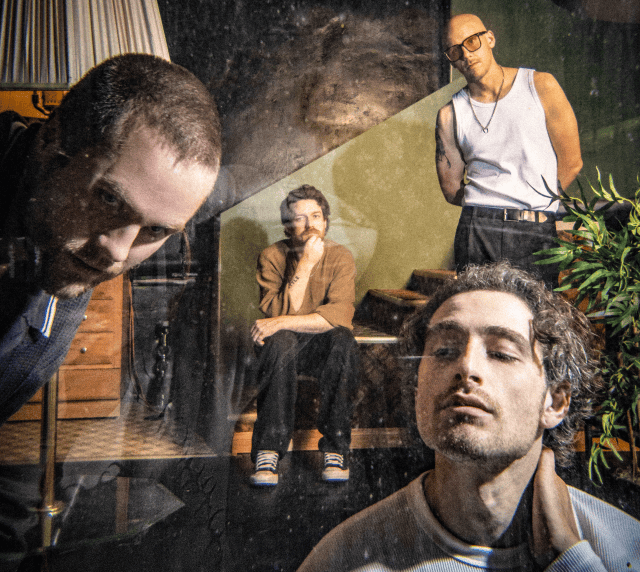
HP: How is your year going so far?
Jack Underkofler: It’s going good, dude.
HP: Your guys’ album drops on October 2nd. How does it feel being so close to the release date?
JU: It is nerve-wracking and exciting. I’m stoked to finally be done with this; just get it out there and start touring. I’m excited to show people what they don’t hear and know yet.
HP: I’ve always imagined the wait as the most exhausting part of the rollout.
JU: I don’t know if it’s exhausting. The thing about being in a band is that it’s a ton of work all at once and then absolutely no work at all. By the time you get exhausted of something, you’re back to doing absolutely nothing. When you’re doing nothing, you’re like, “I want to be doing something.” Then it flips again. Making the album was way more exhausting than figuring out the rollout. It’s just putting ideas together and working with your team to get stuff down. Music videos are a lot of work. That’s what I would say takes the most work out of all of it.
HP: I was going to ask you about your music videos. What really stuck out to me was the color palettes. It seemed very meticulous and thorough. How much extra effort goes into the little details like that?
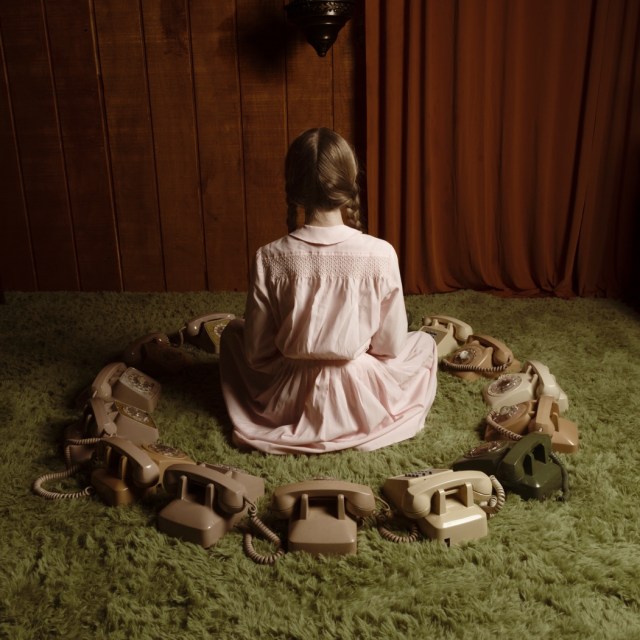
JU: A lot of preparation and then not much thought in the execution. Alex was the one who originally chose that color palette. Alex is Blackwolf Imaging, which is the company we worked with. He produced and co-directed “Roach” and “Cold.” We worked on that together, and he made it feel like there wasn’t much effort because of how good he is at hiring teams and organizing things. It’s less about the color palette and more about the feel of it. How dark everything felt and the shadows. I really love playing with shadows and light to really draw your eyes in certain directions. We just wanted this uncanny feeling, an uncomfortable feeling of nothingness wrong, but something is dangerous.
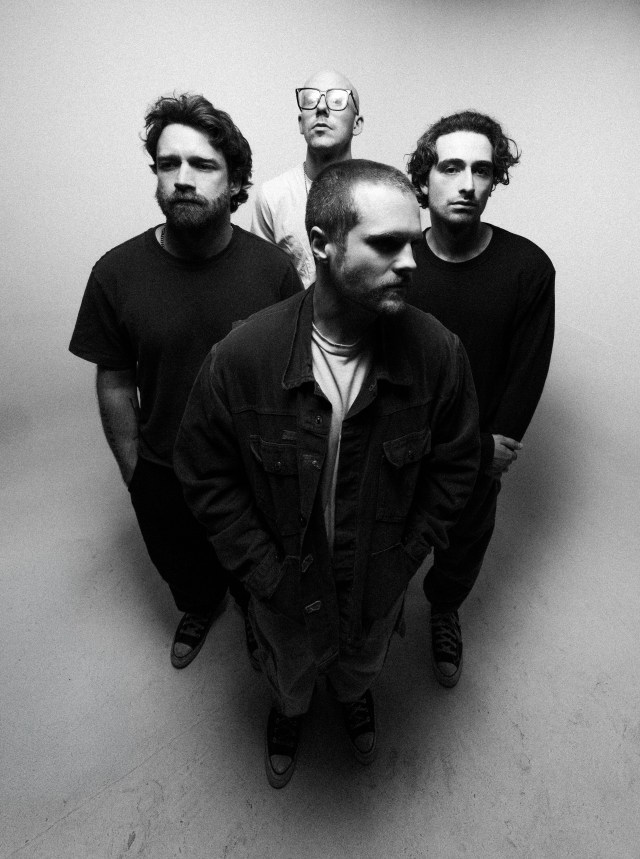
HP: Even with their backs turned, it feels like something is being hidden.
JU: I don’t want to define the feeling for you because you clearly felt something from watching these videos. I really like the backs being tuned. It’s a play on part of what the album is about, which is resentment and anger. There is something cold about somebody not looking at you. It’s almost dismissive.
HP: I know you are going to get asked this a lot, but when talking about the album early in this rollout. You mentioned you wanted to boil everything down to the band’s essence. What were the main points you really wanted to hone in on?
JU: We discovered a sound in the early days of the band that unlocked this emotional heaviness that felt like the heaviest thing you’ve heard. At the same time it didn’t sound heavy at all. That really sparked from us listening to this song by Lightning Hopkins, which is this old Delta Blue artist called “Bring Me My Shotgun.” When you listen to it, it feels like doom. That feeling that the song gave us in the band sparked that search for this uncanny darkness. We started to find it with the song called “Low Air.” Then we had the song called “Salt” on our first album. When we started writing this third album, there was this sense of, “Do you want to make a statement with our art? Do we want to be another rock band, or do we want to really push ourselves to make something unique to us?” That feeling had always been there without a band, but we haven’t really explored it to an extreme amount. Something that feels like when you step into that is us. We should focus on that wholeheartedly through and through. Figure out and define what that is. That’s what we did on this album.
HP: You guys have been on record talking about how the band can fight sometimes. How do you allow the space to fight without going too far and affecting the ability to create together?
JU: It’s getting too far too many times, and you learn where the limits are. You’re like, “Oh, if I say it this way, it’s going to end in our annual blowout.” So I’m going to say it this way. Everybody over the years of doing that and being like, “Well, arguing as that sucks, so let’s avoid that.” You learn to allow yourself to be passionate about your opinion and fight for it. To be upset, upset at others, but still get to a point where even if your idea didn’t win, the song ended up in a better spot.
HP: You can’t just fight all the time, but having the comfort to fight when it really matters is important for a band.
JU: It’s tough to fight, though, because it requires a certain level of certainty on your end that can be good or bad. Because that level of certainty comes with a sense of natural human ego of wanting to be right. That can cause you to sometimes not listen and ignore an answer that might be better. When Dylan joined the band, something I told him was, “It doesn’t matter how long you’ve been writing. When somebody tells you your idea sucks, it hurts just as much as the first time somebody said it to you.” It’s just that you get better at responding and reacting to that. So you learn when to pick your battles. Some things you just know with your gut that, “No, it needs to be like this, and I’m going to fight to the death.” Hopefully, I can fight longer than anybody else can, and they relent. Sometimes you’ll love an idea, and then somebody presents something, and you don’t want to admit it, but you’re like, “Shit, that’s better.”
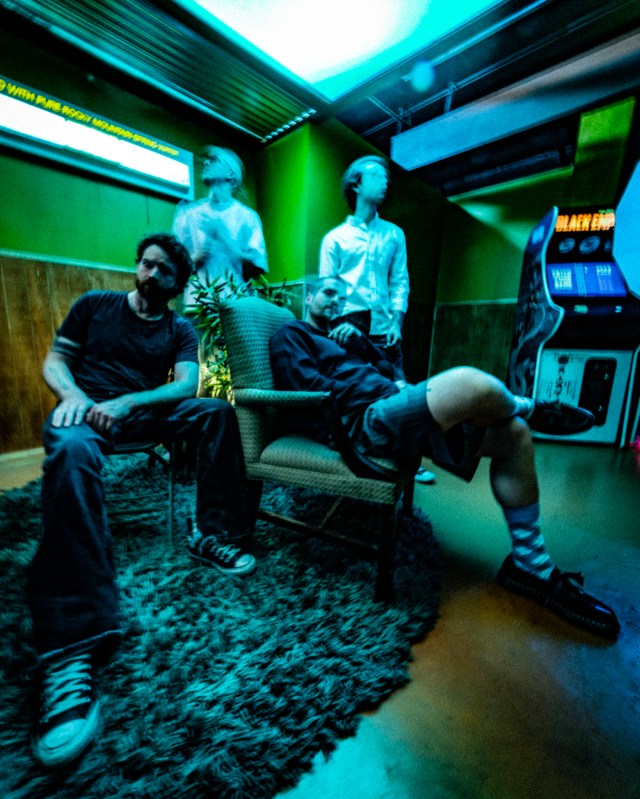
HP: Is there something from a previous album that at first you hated but now with time you’re like, “Shit, that was a good idea”?
JU: Off of this album, actually, “Cold.” That song took a direction that I was vehemently against. As I have been able to with it for a while, I’m actually like, “Okay, I like this song.” I thought that was going to be one song that I would hate. It turned out so different from what we had originally done. Now that it’s out, I can look back and see this version is pretty great.
HP: For your writing, you have mentioned how you like keeping thoughts of the past and future and only worrying about the moment. How do you guys remind yourselves of that?
JU: It’s just a practice of having done those things before. Then being like, “That wasn’t it. That wasn’t the mark.” When you’re making art, it’s particularly important, but also very difficult to remind yourself that you do it for you and nobody else. When you look back at things you’ve done that people like. When you first have something, and you’re fortunate enough to have a fan base, they like something that you did. It can be very tough to get it out of your head that you just have to forget them again. I think a lot of people want to say that they are like, “Fuck everything.” But it gets to people, and it got to me more than I wanted to admit because I was the same way. I tried not to care, but I did; I just didn’t want to. For this album, having gone through that already, it was nice being able to look at that and be like, “Okay, well, I know for a fact that I don’t want to write, and I don’t truly be writing for me.” There is a freedom in being able to know exactly how to write for me. That part has been super nice. Just being like, “I don’t give a shit if this does well.: All I want to know is that I think it’s great looking back on it.
HP: If you let the fans decide, they’re just going to want another continuation of their favorite project. That can only fathom some variation of the same. You have to let the artist lead where they want to lead you.
JU: I can’t remember who was talking about that. Somebody was saying the audience has no idea what they want. You think they want the same, and you make the same. I remember when Mumford & Sons released their second album, and it was identical to their first. It did really well. But I remember listening to it and being like, “Is this the same exact album?” I guess that’s countering my point because it did work for them.
HP: For them, playing and touring the same thing had to be tiring.
JU: Right? Where’s the growth in that? Not to shit on Mumford & Sons, I think they made some amazing music. But for me personally, I can’t imagine writing the same exact shit twice. That seems grueling.

HP: The track “Psalm 136” was a standout for me. It’s been a little while since I was in church, so excuse my lack of depth in theology, but the passage it references is about giving thanks for the love that He provides. But the song is a reflection of the other side of that. How life can cause you to question that supposed unending love. How do you guys go about the writing process for a song with such heavy emotions?
JU: The reason I picked that passage was that the song mostly comes from me, and the irony of the constant broadcasting of religious propaganda. That God is this almighty, all-loving, all-good being, but He’s murdered every single person that has ever existed. He created death. He created disease. He created pain, and He’s all-knowing. Yet he creates psychopaths who kill thousands of people in wars. For some reason, he made that guy. He didn’t have to make that guy who murdered all these people, whom he says he loves. I don’t believe in God, but I feel like if God were to exist, he would be the most sadistic psychopath to ever exist. Imagine if you met him in a coffee shop and you were like, “Dude, what do you do?” and he was like, “Oh well, I make these little creatures, and then I torture them to death. “You’d be like, “What?” It’s just the concept of God is so contradictory in so many different ways. I felt very strongly about writing this song.
HP: Every second line of the passage is “His love endures forever.” The way it repeats is almost threatening. It’s almost like it’s reminding us there is no escape. The song does a good job of not combating that message but using the context of the religion.
JU: That was pretty international. I grew up Catholic, and that to me is one of the most evil religions that has ever existed. It’s an archaic form of government surveillance and self-censorship that eventually stopped getting updates. It just lingered around forever for people to straggle along with. It appears to me that Catholicism was used as a solution to, “How do I control that guy 500 miles away that takes me three months to get to?” “How am I supposed to exert control over him?” Well, you create a mass sense of insecurity and paranoia in that guy. That there’s a dude that’s watching everything he fucking does. He’s going to send you to hell and he wants to send you to hell if you fuck up. If you step out of line a little bit. It created all of these fucking tangible rules to keep you in this constant state of insecurity and panic. So that you follow what that dude 500 miles away is saying to you. It’s a religion based in creating weak people that strive to create weak people. I have a lot of resentment toward it because it caused a lot of damage to me growing up. I grew up in a psycho-religious family. My extended family takes it to a cult-like level. It wasn’t until I was 18 and moved away that I really had the opportunity to reflect on that. Just looking back like, “What the fuck was my childhood?” I don’t like talking about the exact meanings of songs, but this one, I think, is pretty overt; it’s about the relationship I have with God. Told in part by the passing of my mom, and I felt/still feel a lot of anger in that.
HP: That part makes it very relatable. Even if someone is religious, I think most people can relate, whether they admit it or not, to having questions about why it pops up when you lose someone. We’ve all been like, “Why? Why was it them? Why now?” You just mentioned you don’t like talking about the meaning of songs. Is that because you don’t want to determine the meaning, or do you feel like that’s too much sharing?
JU: That’s exactly it. When you put out a song, you can have all the context you want in the song applied to why you wrote it and whatnot. But that context is applicable to you and only you. When you put out a piece of music, and somebody listens to it. There’s an analytical side that might want to break down what that song means. Then there’s your lizard brain that just feels and doesn’t have any sort of thought attached to that or context. That feeling that you get is what you start applying meaning to. If somebody’s telling you what the song’s about. You don’t get the opportunity to apply that context yourself. I remember one time with the song “Salt,” one of my buddies was telling them how much he liked that song. We were on tour with him, and he was like, “What’s the song about?” I told him that it was about, and we both knew that person. He was like, “Oh, that kind of ruins it.” We both didn’t like them. After that moment, I realized I had to stop doing that because the song meant so much to him before I said that. Now it’s kind of ruined it for him. It’s like telling him what makes chocolate cake taste so good.
HP: Do you sometimes wish you could without breaking that experience? I imagine sometimes you just want to explain this one piece of context.
JU: Yes, in a certain sense, because it’s just fun to talk about what you were doing. You’re excited to show people what you created. But something much cooler than that is when somebody comes up to me and tells me what the song means to them. They bring context I had never applied to the song. They bring a perspective that is unique to them. That, to me, is so much cooler than the meaning of the song.
HP: That’s what music is about, at least for me. In its simplest form, it’s a place where two people can meet and feel different emotions based on the same thing.
JU: That’s the cool human aspect about songwriting in general. Everybody has an individual experience. There is only one person who has ever existed, and that is you. But at the same time, the thing you experience is deeply personal and unique in the fact that the thing has never happened before because it is playing out in time right now. At the same time, everything you experience is something that everybody experiences. You get this weird dichotomy of this having never happened before physically because it is happening right now. That is very, extremely unique and personal. But at the same time, the concept of what you’re going through is universal. If you can play exactly into your own person when you’re writing, it’s going to translate. The more exact to you that you get it, the more it translates into that universal experience. That’s why people connect so much when you come from a personal place instead of some corporate explanation of something.
HP: Any last message to the fans, readers, or listeners?
JU: Go listen to Monarch when it comes out on October 2nd. We put a lot of effort into this, and it’s by far the most excited I’ve been to share a piece of art.
Listen to Monarch, out now.