August 26 is Women’s Equality Day. That means many different things to people. But, to women artists it means taking control of their careers and stories. Here, eleven very diverse women in all styles of music share their stories, in their own words, on the paths they took to finding their own way in music.
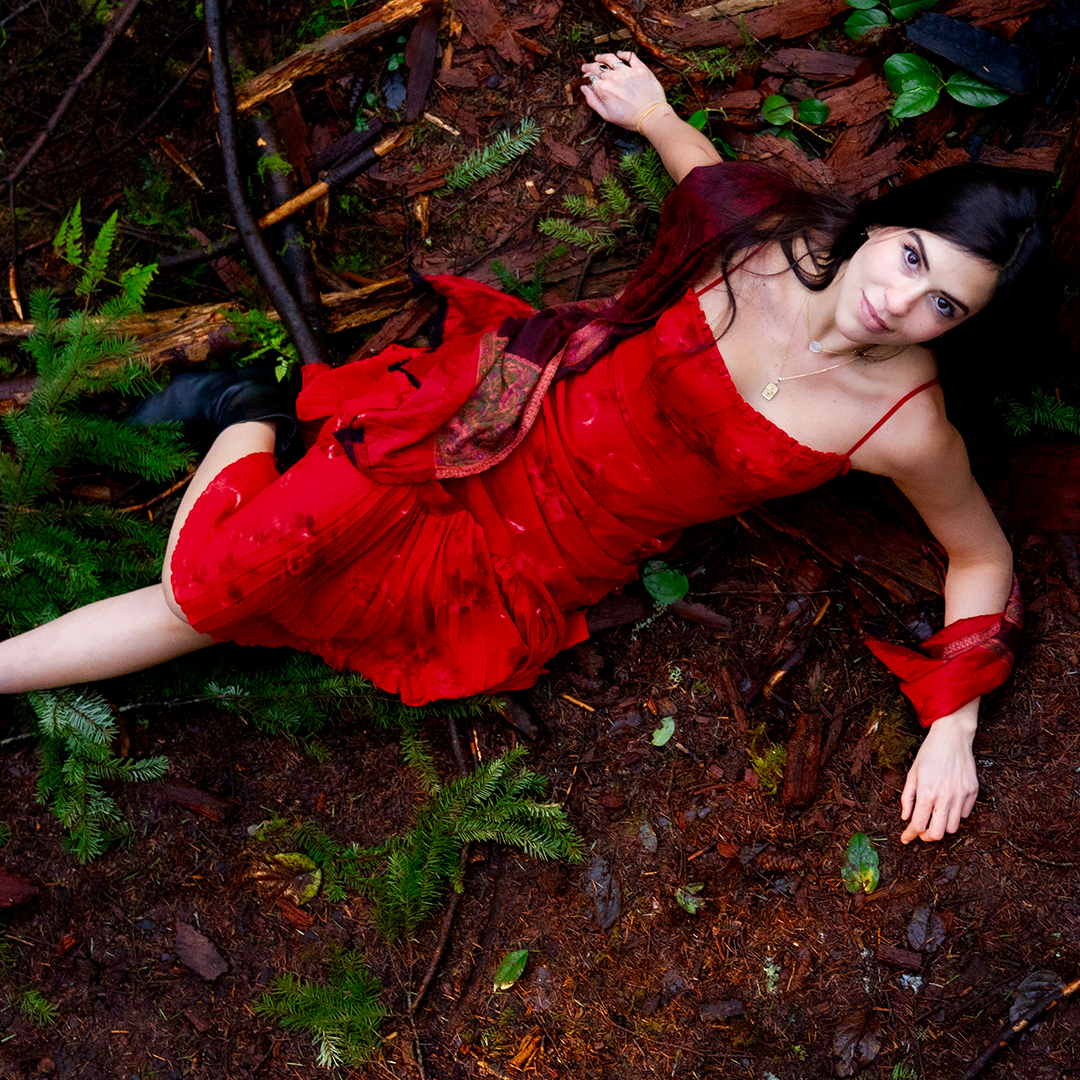
SAGE BAVA
Long before I found my voice in music, I found it in nature. In the parts of myself that grow wild when no one’s trying to shape or control them. That’s where this album was born. I’m so excited to share my debut, In Whose Eyes, which explores the feminine reconnecting to the wild. That wildness is where I find freedom, and to me, freedom is what equality means. The freedom to grow your skills without fear. To be in a studio, in a collaboration, and just create, without being pressured or controlled. This is the equality women have been fighting for, and I hold deep gratitude for those who’ve gone against the grain to make spaces safer for women. Like a lot of women, I’ve faced some pretty gnarly experiences throughout my growth at the hands of men who wanted control, and those experiences created a real rift in my path. A North Star for me has been learning as much of the process as I can. Arranging, writing, producing, picking up instruments, collaborating, wearing as many hats as possible. I’m grateful, too, for the male allies doing this work alongside us, in community. This album started with me writing and building out sessions, slowly finding collaborators along the way, and eventually convincing heroes of mine to help me finish it. Larry Klein, Christian McBride, and Braxton Cook among them. I’m so inspired by the women who came before me. Women who hold incredible warmth, strength, and wisdom, like my mother. And by mother earth herself, whose resilience and generosity remind me to keep growing, keep giving, even to those who take without permission. To keep collaborating toward more equality and more freedom.
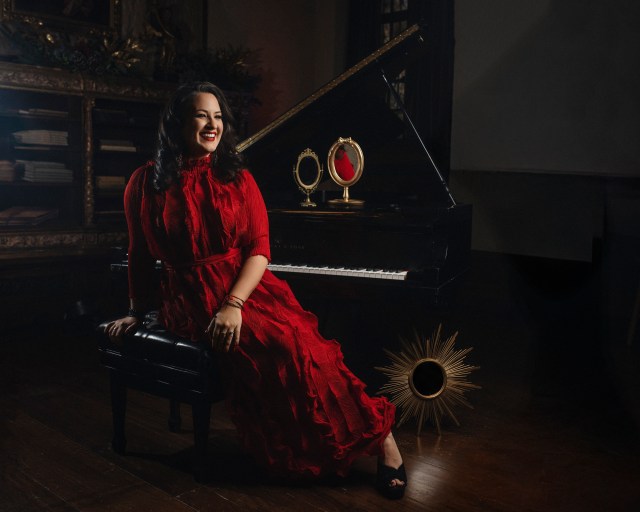
NICOLE ZURAITIS
I was told by men in the music business that I would never have a seat at the table; that I was pushing too hard, expecting too much, and generally taking up too much space.
So I stopped waiting for an invitation and I took up carpentry and built my own table. Then of course, I invited everyone over for spaghetti.
That’s become a pretty good metaphor for how I approach my career. A rising tide lifts all boats- and the gatekeepers don’t want you to know that. The bigger the community I built, the more people I invited to my table, the better my career got. I write, arrange, perform, produce, play piano, and make decisions about the music because I love being deeply involved in the process of bringing an idea to life. My latest album, The Devil I Knew, is an extension of that philosophy: a record rooted in the jazz tradition but built from my own modern songbook songs, stories, arrangements, and experiences, or as I like to call it, jazzlore. I built a community table and launched it this year – The Modern Songbook Society, which uplifts living jazz singers and songwriters as we all work together to extend the canon of jazz. My album is original music, but how amazing would it be if jazz singers started covering each others songs?? The purpose of Modern Songbook Society is to encourage community, sharing, cowriting, and lifting the tide together.
Being a woman in music has taught me that sometimes the most radical thing you can do is trust your own voice and ignore the negative Nancy’s. I’ve learned from the women who came before me, from the women beside me, and from the women who refuse to make themselves smaller to make other people comfortable. Being unique is the key, but also the hardest thing you can do. If you are singular, you have to bust down the path yourself so everyone can follow.
There is room at the table when we build it ourselves—and there’s always room for more spaghetti, of course.
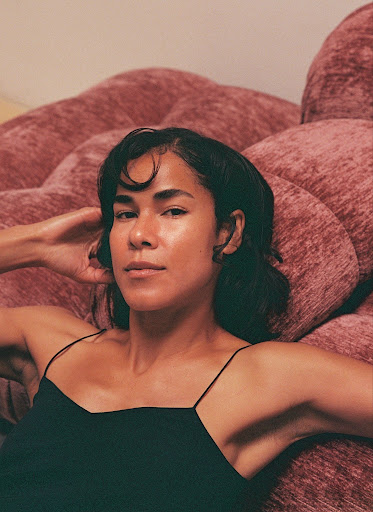
MALIA
Having ownership over my creative process is really important to me because I know I make my best work when I feel free to follow my instincts. If I’m not being fully myself, it becomes harder for me to open up and receive whatever is trying to come through.
I usually start with a concept. I like to spend time thinking about what I’m actually trying to say before I begin writing, so there’s some kind of direction for me to follow. A lot of the time I’m pulling from things I’ve lived through, but sometimes I’m writing about things I want to experience too. In that way, music has become a place where I can process what’s happened, but also imagine what might be possible.
That’s a big part of why I care so much about being involved in shaping every part of the music. I know what’s in my head, even when it’s hard to explain it to someone else. And there’s usually a lot going on in there. I’ve learned that when I’m able to steer creatively, I’m more open, more connected, and more willing to go somewhere vulnerable.
Being a woman in music has made me even more protective of that. There are always going to be opinions about what you should sound like, how you should look, what you should say, or what might make you more successful. I’ve become much more interested in listening to what feels true to me.
For me, carving out my own path has really just meant trusting myself more. Following what lights me up. Letting myself change. And believing that if something feels honest when I make it, that honesty is what people will connect to.
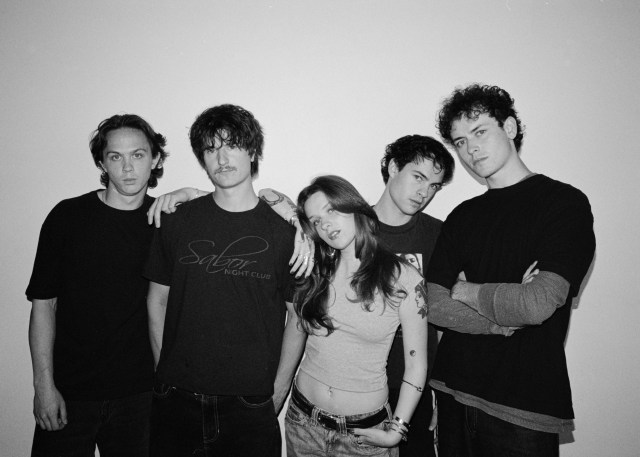
PORCH LIGHT
“Being a woman in rock music has been quite a whirlwind of a journey. I’m fortunate to have amazing men in my band that support and encourage me to write anything and everything I need to say. There’s a stigma in this industry, especially in rock, about the type of music women should be making, the type of sound that “suits my voice”, the things I should and shouldn’t be. I’ve found myself feeling like I constantly need to prove that I’m worthy of being where I am because women are held to a higher standard. Looking back as a young girl to the powerful women I admired growing up, Hayley Williams, Stevie Nicks, Miley Cyrus, they all carried themselves with such passion and fortitude, it’s something I strive to emulate as I figure out where I stand in the sea of musical creatives. I hope to inspire the next generation of young women to take up space, make noise, and be whoever they want to be. Women doing whatever the fuck they want says enough, you don’t have to prove yourself to anyone.” – Jackie Uhas
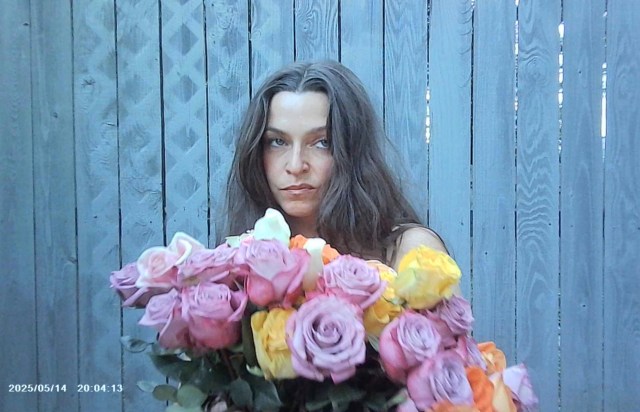
ANNABELLE CHAIRLEGS
“I remember reading Just Kids by Patti Smith when I was 22. She was 23 in the book and had just started playing the guitar. I was singing in a band at the time, and I was unsure of what to do creatively or where to go. I felt I wasn’t able to contribute like all of the creatives around me because I couldn’t play guitar, I had stage fright, and I didn’t have a lot of experience. But I did have a burning desire to keep exploring music. I would go to shows, and my stomach would flip, and I’d want to cry. I was so desperate but felt it was impossible or too late to learn. It wasn’t. It was actually the perfect time to learn from everyone around me. I later found myself starting to record demos and try to make songs using a single chord, hums, and individual drums, layering them together to make it sound like I could play the whole kit. I guess my point is that we can do so much more than we think we can if we wake up and decide to go for it. I am thankful to Patti Smith for giving me that nudge at 22, when I felt like I was already behind. She reminded me that there isn’t really a timeline for becoming an artist, and that sometimes you just have to start before you feel ready. Now I have a home studio filled with tape machines, a full drum set, and a collection of instruments I never imagined I’d own, let alone know how to play. I’m still learning always, still figuring things out, and probably always will be. But that is the part that I love most. The things that once made me feel like I didn’t belong in music are now some of the things that make me feel most connected to it.” – Lindsey Mackin of Annabelle Chairlegs
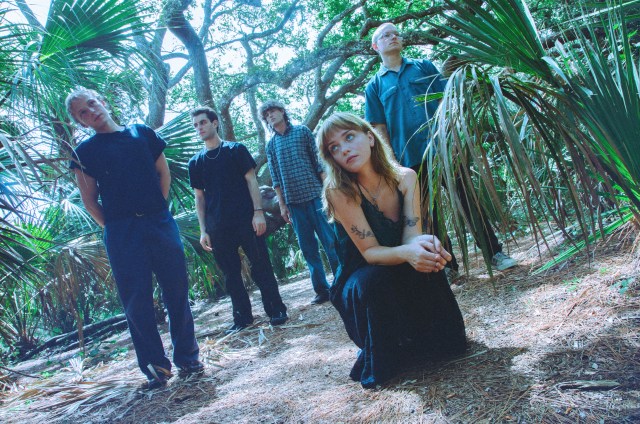
SHE’S GREEN
I never expected to be an artist in the music industry, but I’ve always known I can’t go without creating. Listening to artists like Cass Elliot, Stevie Nicks, Joni Mitchell, Victoria Legrand, and many more women have been a big part in shaping my world. They helped me gain confidence in myself and my voice at a young age and helped me understand my emotions – to stay grounded in my surroundings. I’ve forever taken these vivid listening experiences with me and could only hope to make other women feel that same way when creating my own world.
When I create, I imagine myself in a different world and take inspiration from elements of nature. This world we live in is so constructed, and it’s not always friendly to women. It’s important to me to stay connected to elements of ourselves rather than fully accept the pressure of detachment. When I’m sitting under a canopy of trees, I can look back on my past and accept what’s happened and learn from it. When I’m swimming in a river, I feel strong and beautiful; no one can tell me otherwise. I hope the art I’m creating can take people there for a little bit for their own self-realization. Hopefully it also inspires people to help protect these natural spaces so beloved that are being threatened daily. – Zofia Smith of she’s green.
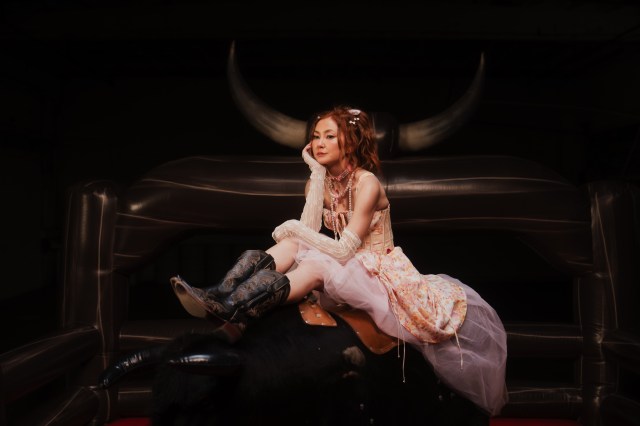
KIMIKO
I have always been a singer, and I would argue I was pursuing that before I was even acting. It’s always been a passion of mine, and during a breakup in 2014, I wrote a song to get out my feelings. I sat back and was like, ‘hm… that’s not bad.’ I’ve been writing songs in private for over a decade now because I loved how therapeutic it felt, and it wasn’t until very recently that I started sharing these songs with people and actually getting them produced. The production aspect is so new to me, but I feel very clear and communicative on the things I respond to, and don’t respond to. I felt self-conscious for a while because I never was really going for a ‘sound’, and I frankly still don’t know how to pitch myself. I’m pop, but every song is giving a totally different vibe. I don’t really want to box myself in by what I think people are expecting or what the audience wants. I think ultimately, people respond to honesty and authenticity. The pop girlies of today have inspired me greatly because everyone has been so lyrically candid and often musically experimental, despite having huge commercial success. It pushes me to be less general or relatable and to actually let people in on my truth. It’s far more rich and interesting that way.
This entire endeavor has been a lesson in ownership over my process! I specifically set out to have this be a creative expression; I didn’t pursue a label or want to be a pop star. I wanted something that was fully mine. I’ve been an actor since I was a kid, and in that industry you are largely a vessel for about 10 other people’s vision, and you only have so much power. In this current project, I’ve been deeply enjoying all the behind the scenes work of conceptualizing, directing, editing, producing, writing—all of it. It takes all my skillsets and really allows me to have agency over exactly how the story is told, and it has been so incredibly empowering.
To be honest, I haven’t exactly been a woman in music for very long; I can hardly claim it. But I know the experience of being a woman in this world and in the entertainment industry. We are continually being told to shrink ourselves, to quiet down, to be more modest, and it requires a tremendous amount of bravery to say, ‘actually no. I don’t exist to be palatable so the insecure men of this world can feel more cozy.’ To push past societal expectations and to be fully embodied in who you actually are feels like Neo in The Matrix where he’s bending backwards and evading all those bullets. Women are absolutely superhuman, and I think it is becoming more and more apparent that we are profoundly intimidating to men.
KATE NASH
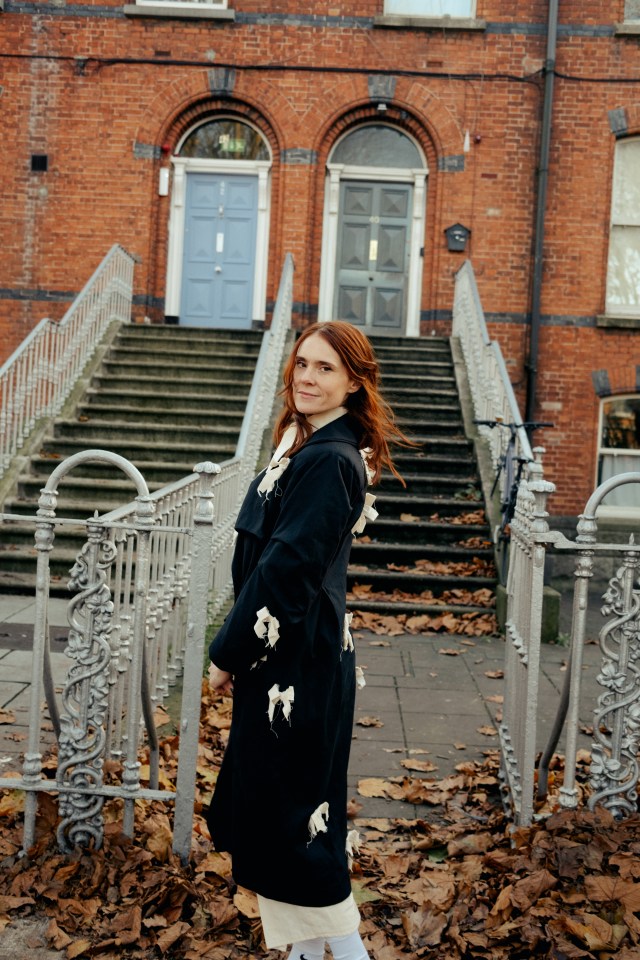
When I won the BRIT Award for Best Female Artist in 2008, I acknowledged in my speech all the other nominees for making their own music on their own terms and for helping to eradicate the misconception that female is a genre. Being a woman in the music industry is a specific and unique experience. My experience of sexism in the industry ranges from being completely underestimated, talked down to, infantilised, treated like a girlfriend instead of an artist, to how I look being constantly dissected, being sexually assaulted, receiving death and rape threats. On top of this, the music industry is completely unstable and unpredictable. All of this has made me extremely adaptable, capable and protective of my art. Keeping joy and love for what I do has been absolutely key to carrying on and to having ownership over my music.
Four moments that have heavily shaped my career are making Made of Bricks, getting dropped by a major label, being stolen from by a manager and getting cast in GLOW on Netflix. Having Made of Bricks in my catalogue has continuously financially supported me and is also an entry point for young people to my music so my fanbase always brings in the new. Getting dropped set me free from the major record label world which didn’t suit me. Going independent taught me huge lessons and gave me self-determination. Getting stolen from gave me the drive I have now to change the industry. Getting cast in GLOW gave me a career win and a team of 14 female comedians, we learnt to wrestle together with Chavo Guerrero, I couldn’t recommend it enough for a boost of self-worth.
I feel like this current moment is the most exciting of my career, I have been working on a record that explores my heritage and I am on the precipice of a totally new era, it’s the end of a cycle and the beginning of a new one. I have a supportive, hardworking and stable team and I think my work as a writer and performer is getting better. I’m still inspired and that’s the key to everything for me.
FARAYI
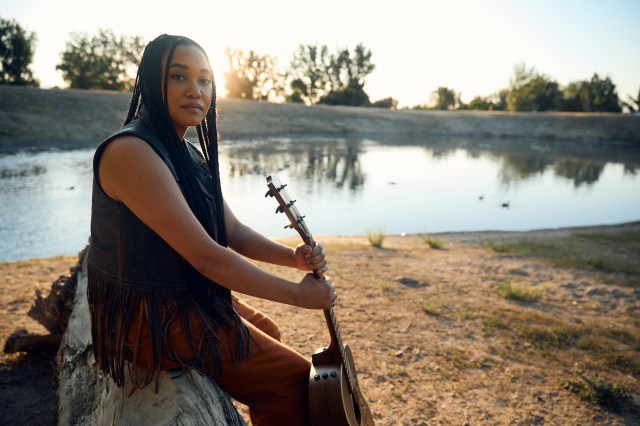
I’m an American Roots singer-songwriter pursuing an artist career, playing and performing my original music. I took the time in my twenties to steep myself in my musical influences going back to my childhood, such as country, bluegrass, gospel, jazz, and blues in order to present something that feels truly authentic. Now that I’m closer to that ideal, it’s incredibly important for me to have an active role in the production and arranging of my original music. I often write from a personal perspective which include topics that can be sensitive such as faith, race, and womanhood. While I don’t view myself as a political artist, being a woman of color in the American Roots music space can at times feel inherently political. This is why it’s so important for me to have control over my creative self-expression. For my Songs of U.S. session, it was important for me to highlight a woman’s voice in modern Americana. Kacey Musgraves was a clear choice for me because she writes about themes I care about and relate to on such a deep level. “The Architect” is a song co-written by Musgraves with Josh Osborne and Shane McAnally, inspired by the aftermath of the 2023 Nashville school shooting. The song asks the listener how a creator that is responsible for the beauty in the world, allows for tragedy to strike, and as I hear it, where do our responsibilities lie? “This life that we make, is it random or fate? Can I speak to The Architect?”.
RAYE ZARAGOZA
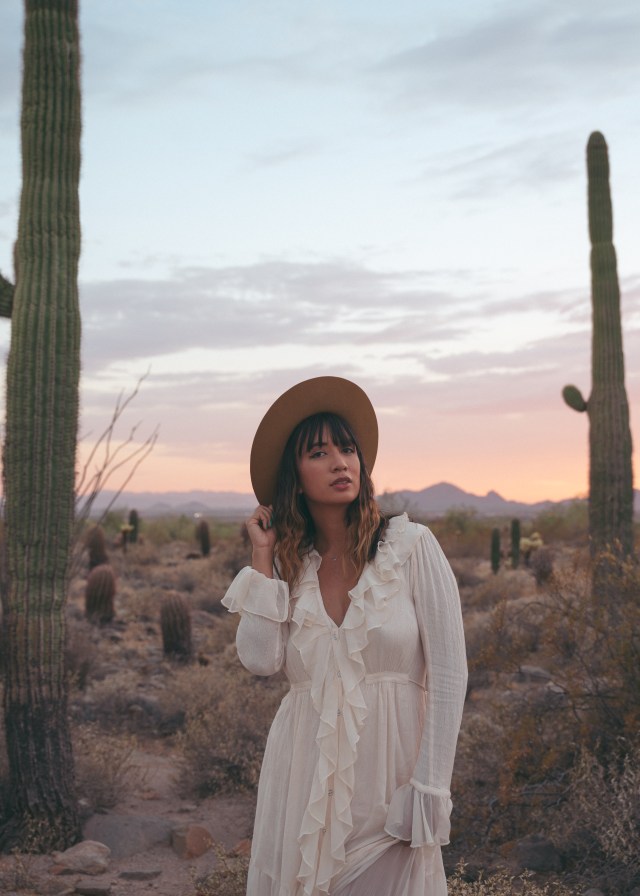
Being an indie DIY artist has been so incredibly fulfilling, but has definitely had its challenges along the way. I have been a full-time independent artist for the past ten years, and it’s felt like a lot of trial and error. Every day looks different from the last, and every season and every year has its own triumphs and hardships.
It’s always been very important to me to remain independent and in as much control of my creativity as possible. Having the ability to write something and put it out immediately if I want to is very important to my authenticity as an artist who writes protest and social justice music.
Even though I am independent, I am definitely not alone. Over the past ten years, I have built an amazing team and collaborated with so many amazing producers. I recently had the opportunity to collaborate with Salt Lick Incubator on their Songs of U.S. series and reimagine some classic American songs. In a time when our country is so divided, music is such a beautiful way to remember what is universal and what brings us together. As someone with a diverse upbringing—being first generation on one side and of Indigenous descent on the other—it was really powerful to reimagine classic American songs and bring my perspective to them.
I am releasing my fourth studio album, Original Cowboy, early next year, produced by Anna Schulze. We’ve been working together since 2021, but this is our first record together. I’m really excited to share new music soon and to celebrate 10 years as a full time indie artist this fall!
CHERRY BOMB
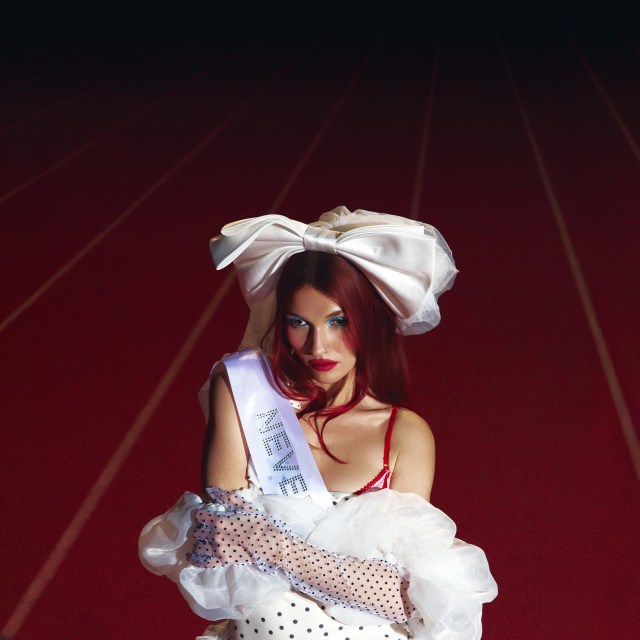
Cherry Bomb is an ode to the little firecracker whose first time ever stepping on a stage was decorated in sequins, sunglasses and boas emulating my favorite divas singing “You Don’t Own Me” and “Respect”. Somehow that little 5 year old knew how big of a role declaring autonomy would be in every chapter that followed. From that point on, there was never a plan B; it was always music. The moment I saved up for a thrifted piano, skipped classes to play shows in venues I was too young to frequent, and started a band I was fortunate enough to tour with for 15 years- that little girl is who I turned to when faced with every cliché of an industry designed to judge, objectify and scrutinize women. When I was told to zig by whatever label at whatever point in time, I zagged. Through that, I sharpened my voice writing, directing, performing, and producing music how I saw fit and not contorting to fit into whatever box was expected of me. Luckily, I had Goliaths to look up to when made to feel small. Legends like Madonna, who owned her confidence and embodiment when everyone wanted her to apologize for both and Debbie Harry, who disrupted a scene run by men and made it hers without asking, were and still are my North Star when navigating Cherry Bomb as an independent artist.
To be a woman in music is to constantly waver between too much or not enough, being called “difficult” when you know what you want and every other sexist ageist trope under the sun. But it is also to be strong and soft, gritty and glamorous, full of joy and full of rage and despite years of hearing “no” still knowing nothing compares to the power of music.