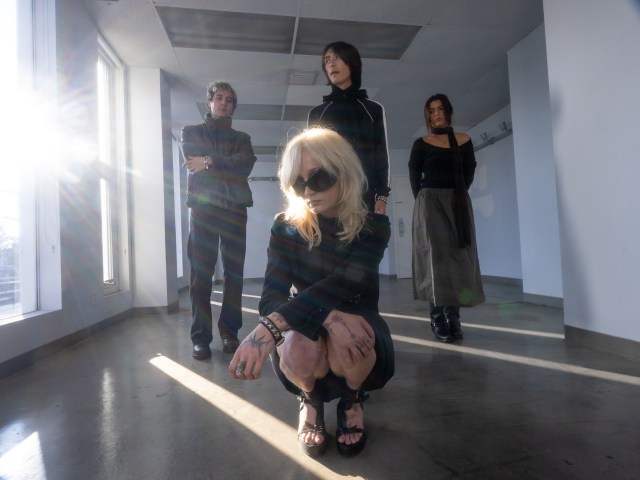
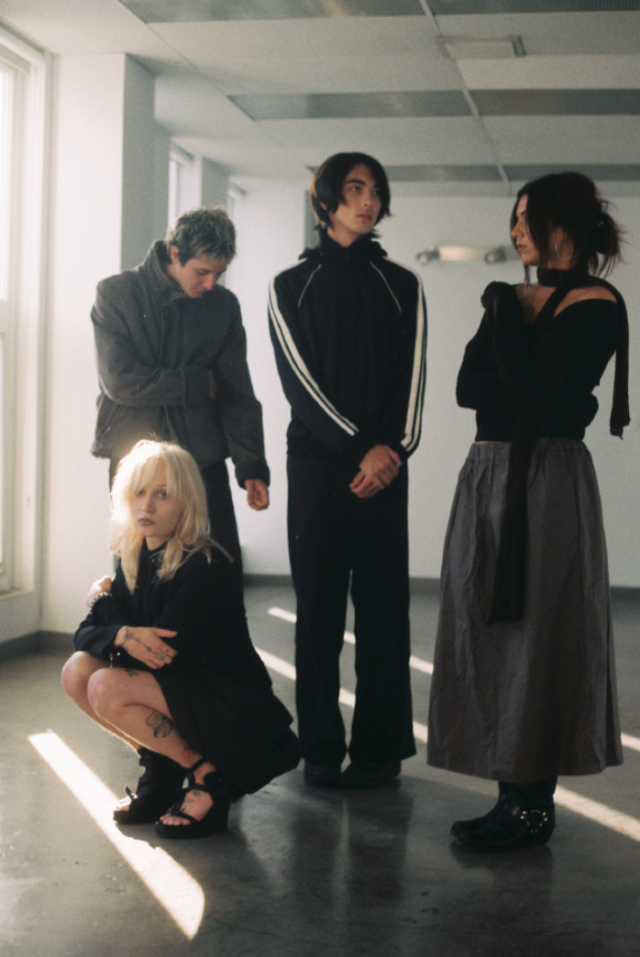
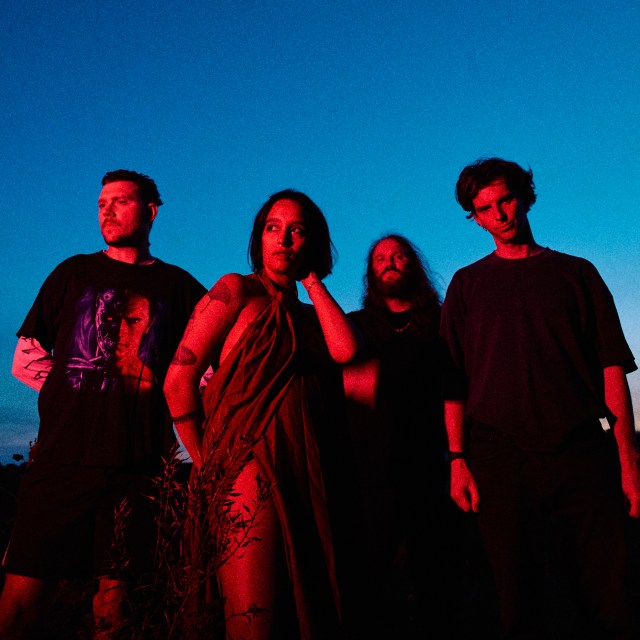
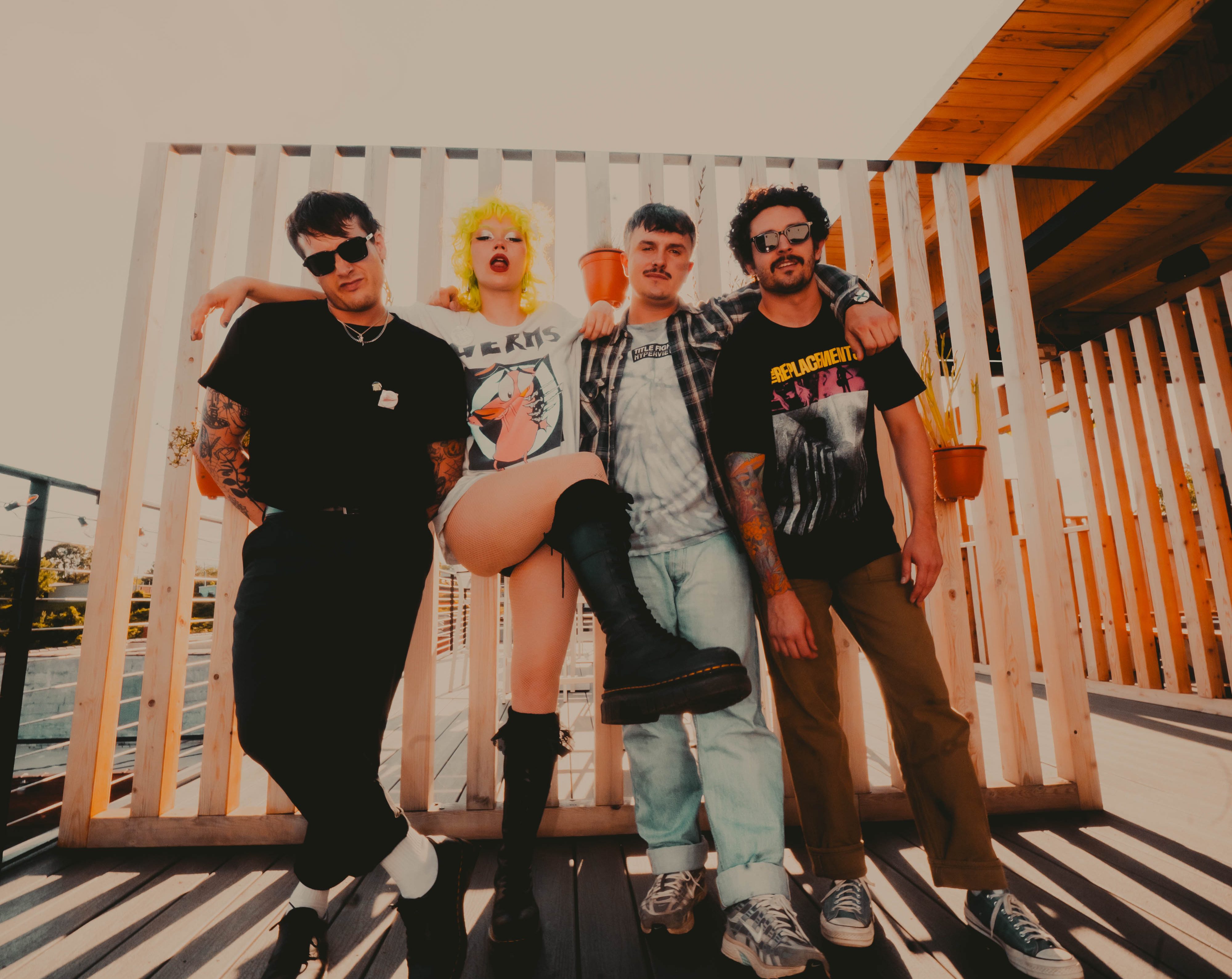
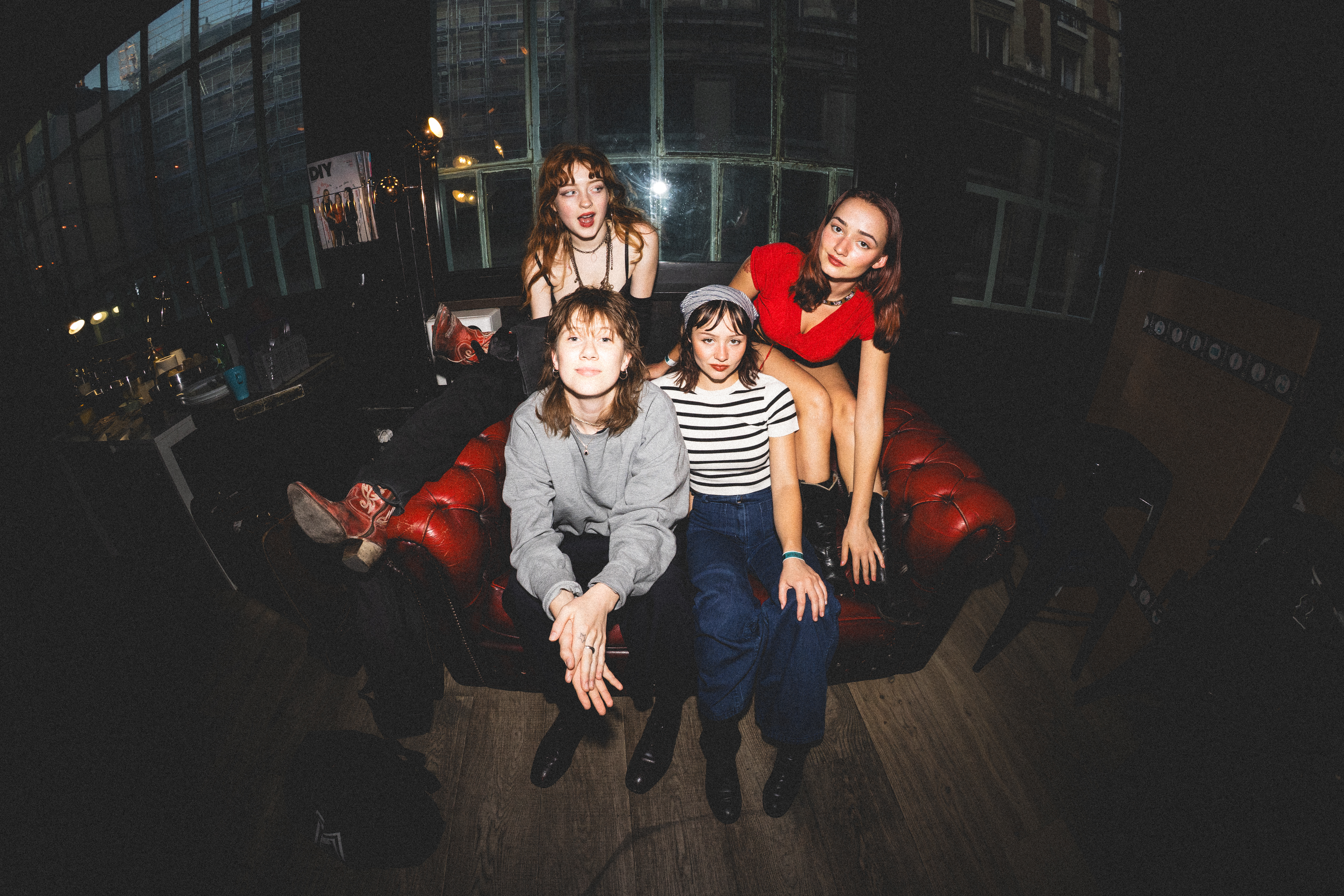
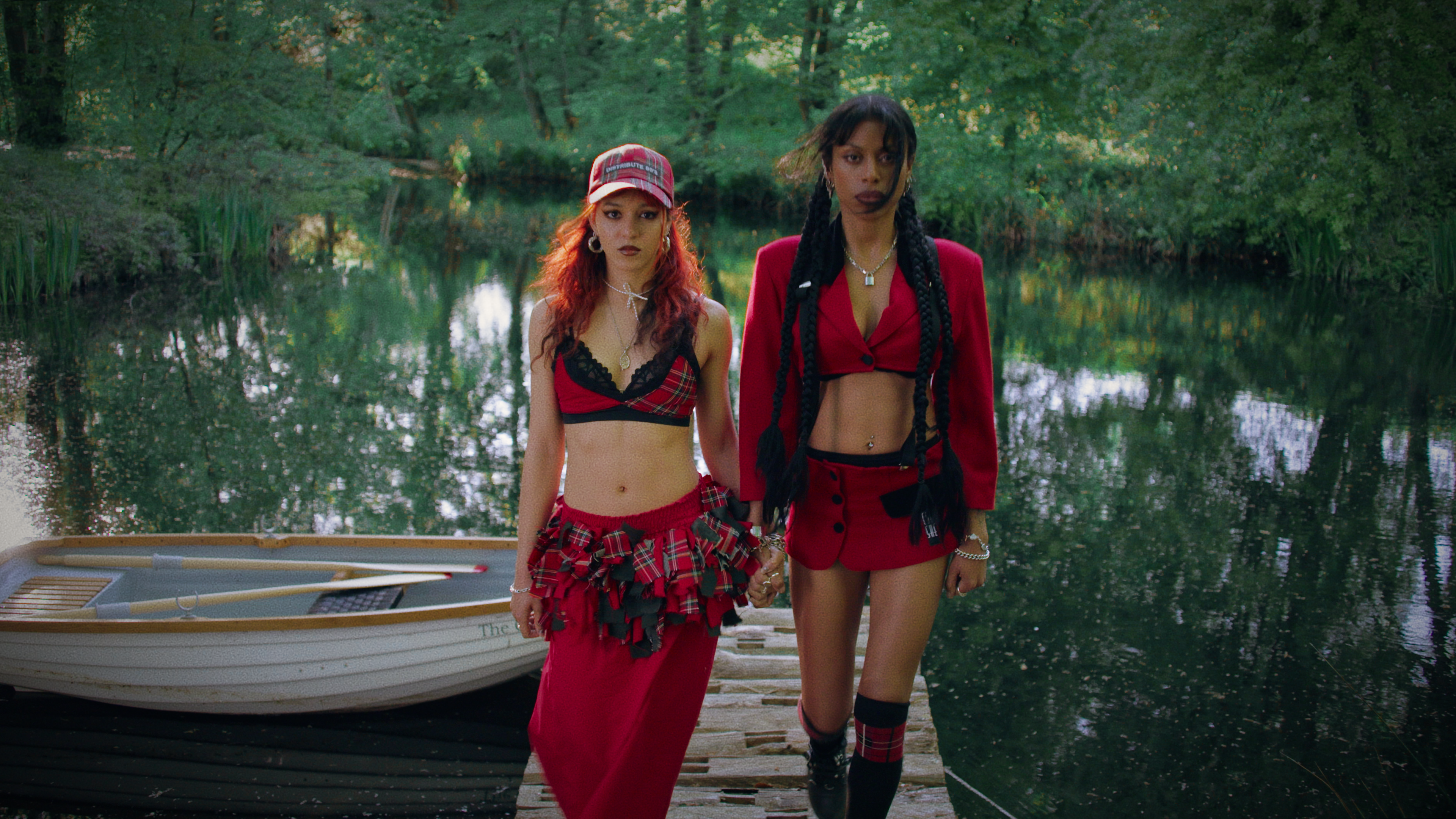
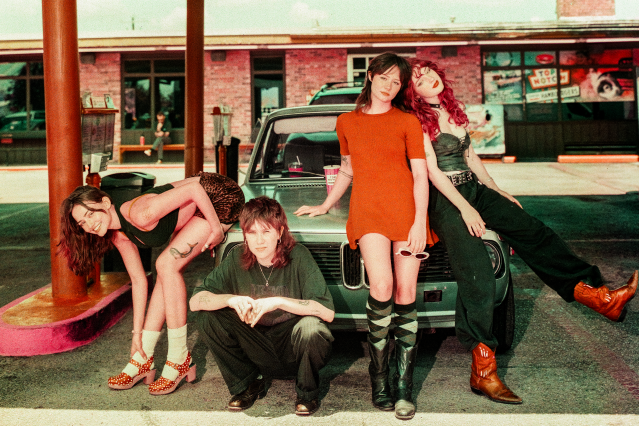
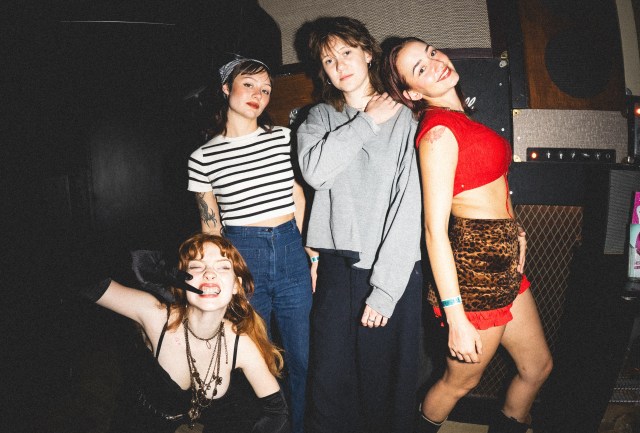
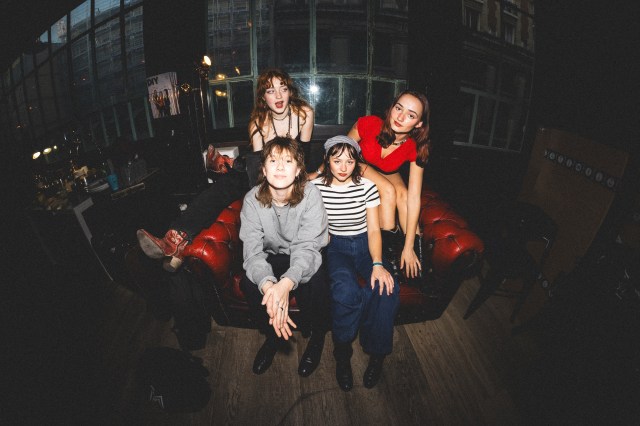
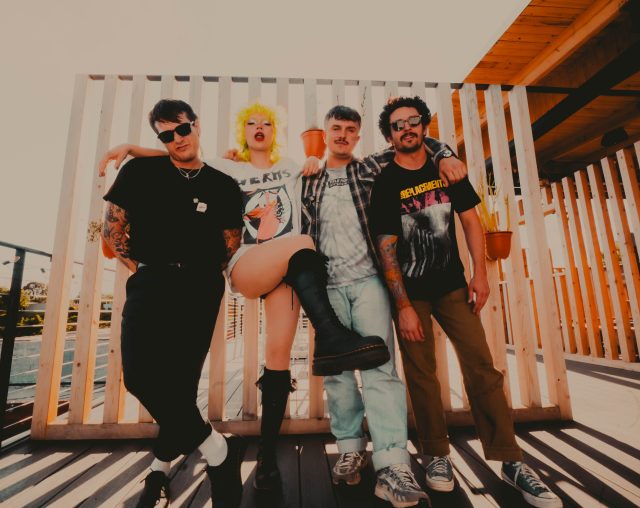
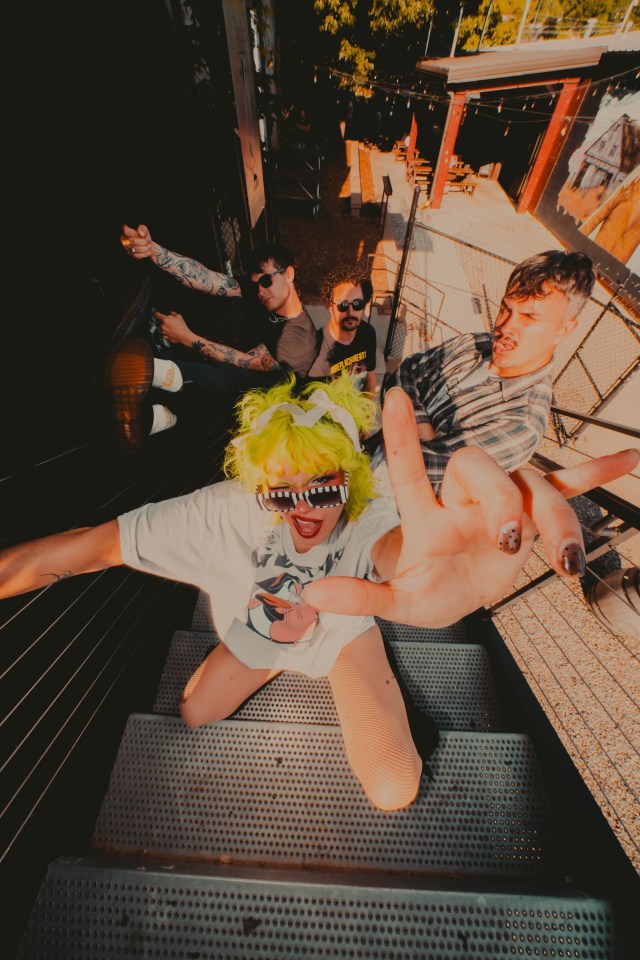
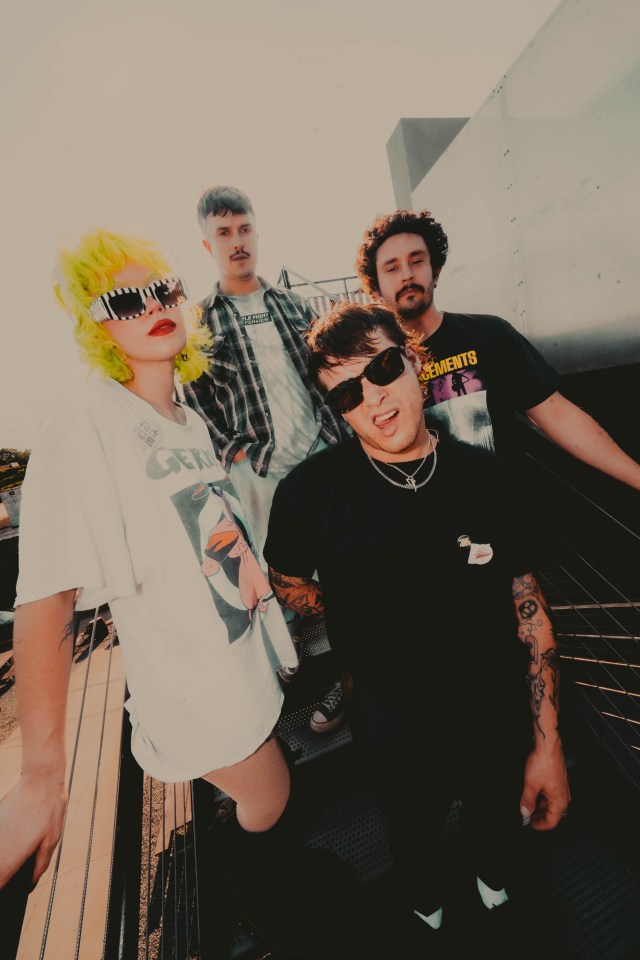
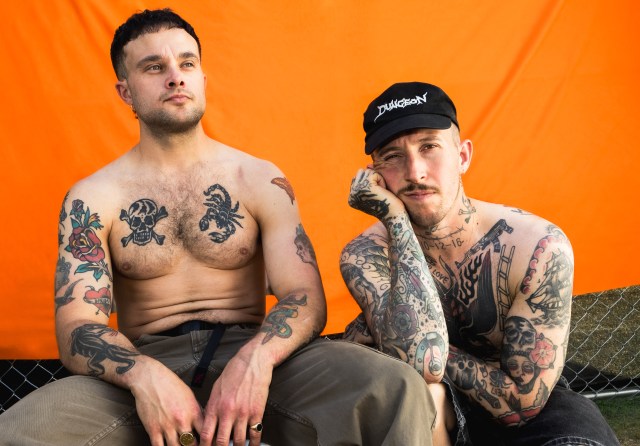
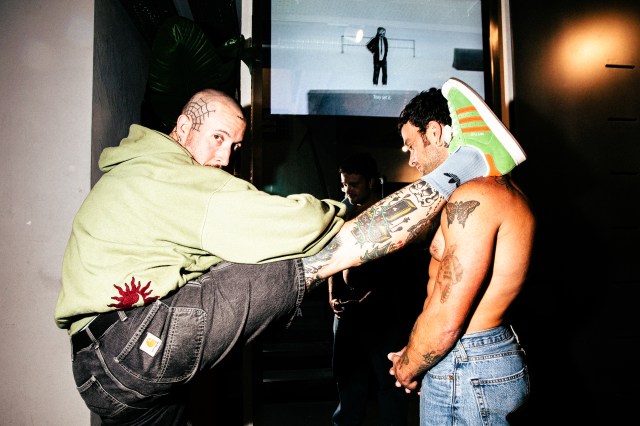
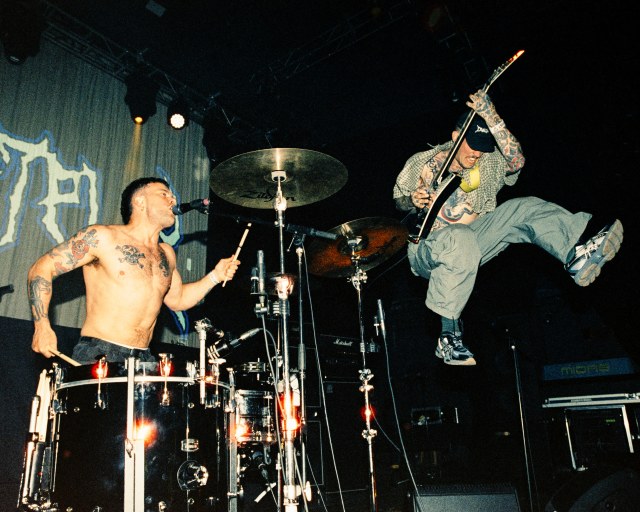
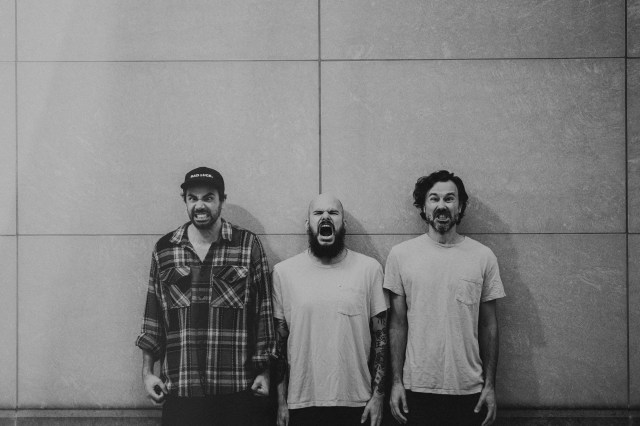
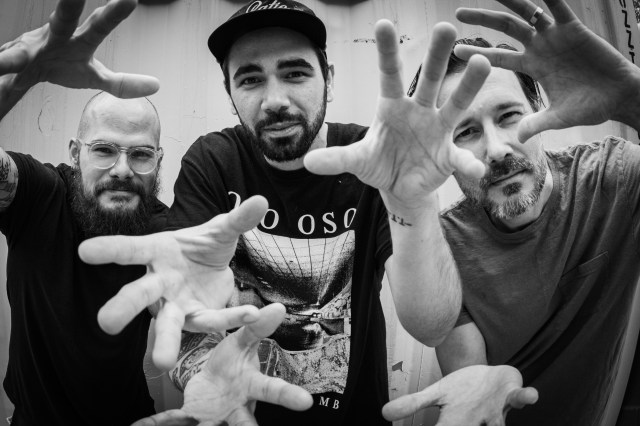
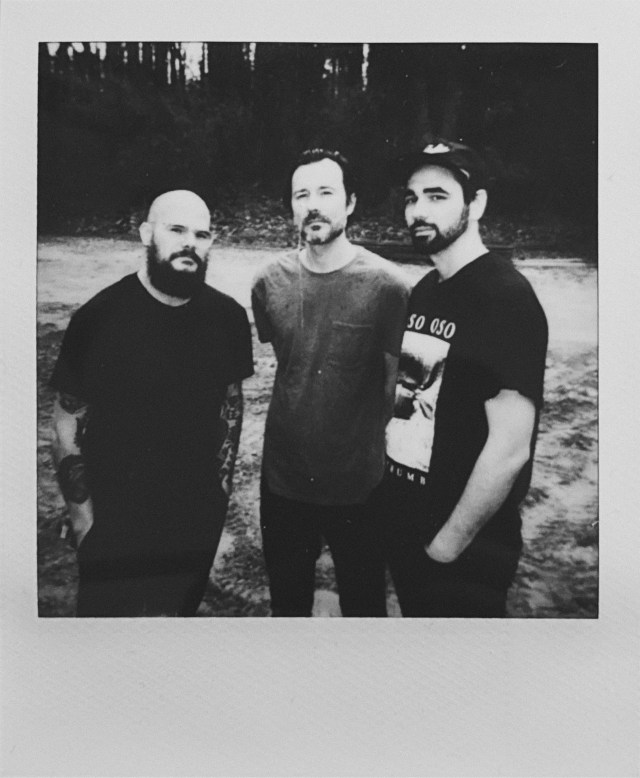
The LA-based quartet Hysteria lives between soft vulnerability and explosive catharsis. With a name referencing women historically being punished for feeling too much, they blend all corners of emo, incorporating both the heavy and the light. Hysteria recognizes the necessity of emotion and turns it to resistance and power. Their influences include Texas Is The Reason, Sunny Day Real Estate, and more, blending a Y2k aura with a modern edge.
Last year, the group made their debut with “Reason To Pray.” The single introduced fans to their urgent sound and confessional lyricism. Now, Hysteria has unleashed their newest single, “Angela.”
Produced by Photographic Memory (Wisp, Jane Remover), “Angela” lives as an emotionally compelling piece. Twinkly guitars frame the song while Dakota Cosgrove’s vocals slice through the center, building to a bursting chorus. The track is composed of tender honesty and raw energy, filling space with haunting ups and downs.
“Every moment is both an ascension and a decline, leaving you face down on the ground,” Cosgrove explains. “Angela is the year of your life you want to erase, a desperate cry to be loved, that sick desire to be broken and put back together. Angela is the girl who you let destroy you.”
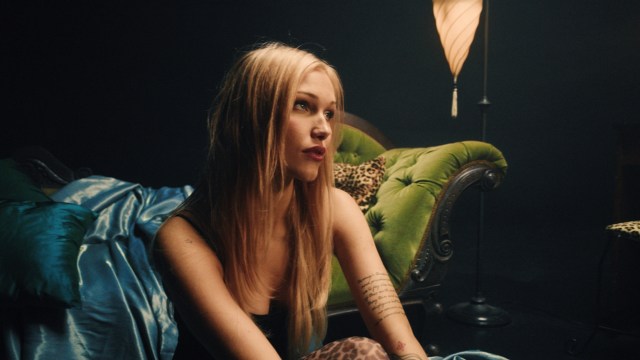
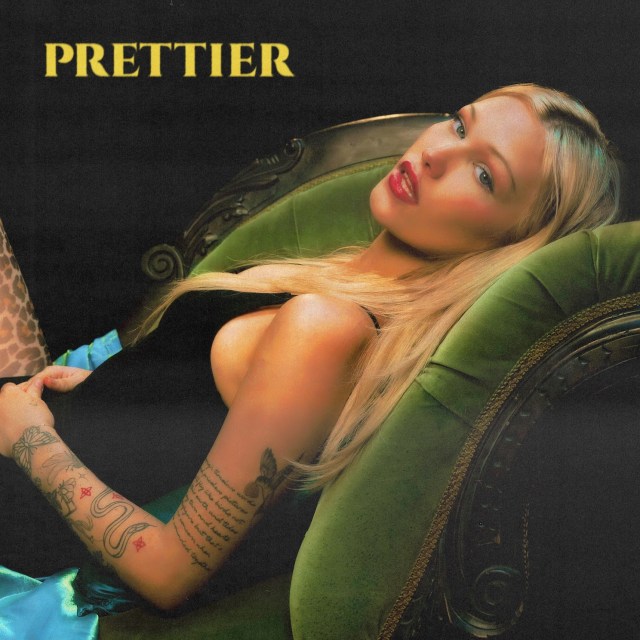
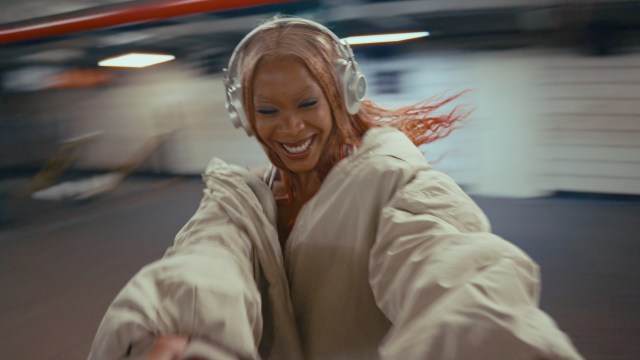
Grace VanderWaal is back with “Prettier,” a quietly devastating new single that interrogates admiration, intimacy, and the cost of being desired without being understood. Following last fall’s reflective “High,” the track finds VanderWaal leaning further into emotional precision, pairing restrained vocals with lyrics that cut deep.
Co-written with Julia Michaels, Grant Boutin, and Mark Schick, “Prettier” unfolds through vivid, unsettling imagery — crowded rooms, hollow praise, and a body treated like something fragile and ornamental. VanderWaal sings with calm resolve as the song circles its central question: “Do you feel prettier when you hold me?” It’s less accusation than realization, capturing the moment when affection reveals its imbalance.
“My new single ‘Prettier’ is written about being seen but not heard in a relationship, and wanting something more,” VanderWaal said in a statement.
The release continues VanderWaal’s evolution following CHILDSTAR, her critically praised album that confronted the realities of growing up in the public eye. Where that record reckoned with the past, “Prettier” lives squarely in the present — sharper, more self-aware, and unafraid to name the quiet loneliness that comes with being admired as an object rather than understood as a person.
An official lyric video accompanies the song, underscoring its emotional directness and minimalism. With “Prettier,” VanderWaal further defines a new chapter rooted in clarity, autonomy, and emotional honesty.
Mandy, Indiana have dropped “Sicko!,” a blistering new single featuring billy woods and the final preview of their forthcoming album URGH, out Friday via Sacred Bones (pre-order here). Built on a cold, relentless techno pulse, the track fuses the Manchester band’s punishing post-punk assault with woods’ unmistakable, incisive delivery, pushing both artists into darker, more confrontational territory.
The accompanying video leans into fragmentation and overload. Conceived as a multi-director collaboration, seven filmmakers each contributed a 30-second visual responding to the theme of “sickness,” released as both an interactive carousel and a full-length video (carousel below – full-length video here). The band says the format reflects how music is increasingly consumed online, turning the act of scrolling into a way of experiencing the entire song.
“We wanted to create something with an artist we love,” the band said of collaborating with woods. “He’s such a unique voice in hip hop — his words are so expressive, and this track adds a different dimension to the record.”
“Sicko!” arrives amid mounting anticipation for URGH, which expands on the feral intensity of Mandy, Indiana’s 2023 debut i’ve seen a way. Co-produced and co-mixed by guitarist Scott Fair and Daniel Fox of Gilla Band, the album was written during an intense residency outside Leeds and recorded across Berlin and Greater Manchester, shaped by personal trauma and physical recovery. Vocalist Valentine Caulfield’s lyrics — delivered largely in French — confront sexual assault, systemic indifference, and the omnipresence of pain, transforming private anguish into a visceral call to endurance. Their previous single, “Cursive,” made our list of “Top Ten Songs of January”.
Following the album’s release, Mandy, Indiana will tour across Europe this spring, with dates in London, Paris, Berlin, and beyond.
Mandy, Indiana Tour Dates
Wed. March 25 – London, UK @ Heaven * Fri. March 27 – Leeds, UK @ Brudenell Social Club * Sat. March 28 – Glasgow, UK @ Room 2 * Sun. March 29 – Liverpool, UK @ Rough Trade Liverpool Wed. April 8 – Dunkirk, FR @ Les 4 Ecluses Thu. April 9 – Paris, FR @ Petit Bain Sun. April 12 – Cologne, DE @ Bumann & Sohn Tue. April 14 – Copenhagen, DK @ Huset Wed. April 15 – Berlin, DE @ Urban Spree Thu. April 16 – Hamburg, DE @ MS Stubnitz Fri. April 17 – Tilburg, NL @ Roadburn Sat. April 18 – Rotterdam, NL @ Motel Mozaique
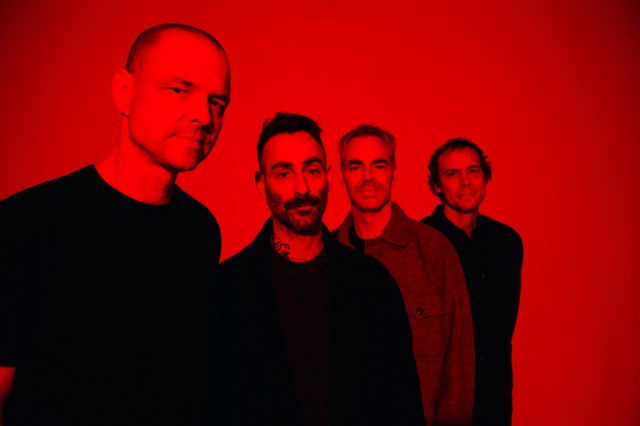
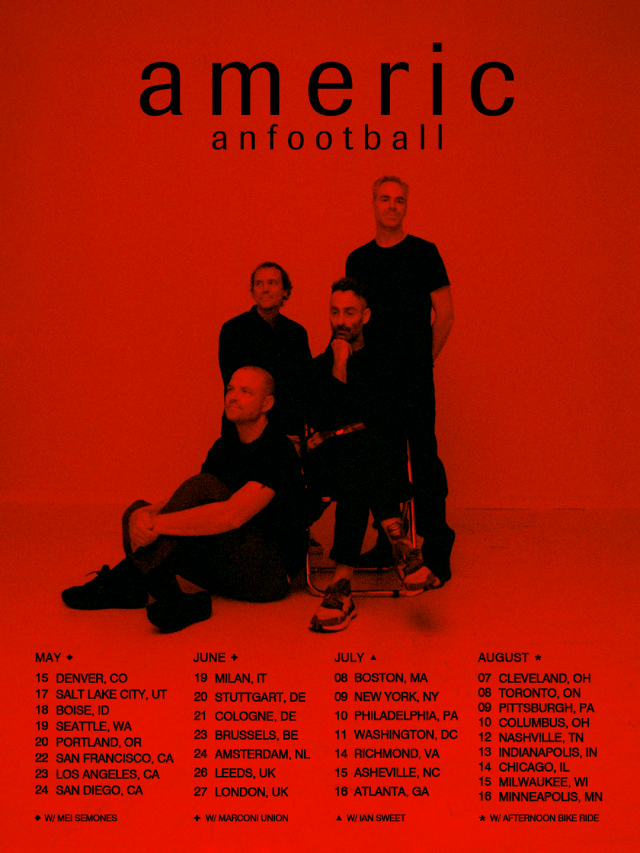
American Football are heading back out on the road. The Midwest emo touchstones have announced a 2026 world tour, marking their first full run of shows since wrapping up the extensive 25th-anniversary celebrations for their landmark 1999 debut, American Football (LP1). The four-month trek kicks off this May and stretches across the United States, Europe, the U.K., and Canada, with additional dates expected to follow.
Beyond the shows themselves, the band are tying the tour to a broader cause. Partnering with PLUS1, American Football will donate $1/£1/€1 from every ticket sold to Safe Passage International and the Illinois Coalition for Immigrant and Refugee Rights, organizations that support migrants, refugees, and deportees amid ongoing ICE-related violence and intimidation across the U.S.
The tour finds Mike Kinsella and company in a reflective but forward-looking moment. After reuniting in 2014 and releasing two more self-titled albums in 2016 and 2019, American Football have steadily expanded their sound beyond the twinkling melancholy that made LP1 a generational touchstone, folding in post-rock, post-punk, and experimental textures — and collaborating with artists like Hayley Williams, Rachel Goswell, and Ethel Cain along the way.
Artist presales begin Wednesday, February 4th, with general tickets on sale Friday, February 6th at 10 a.m. local time here. As the band looks toward 2026, the tour signals not just a return to the stage, but the next phase for a group whose once-modest legacy has continued to grow, decades after a handful of basement shows and a house on a quiet Midwestern street changed indie rock forever.
2026 Tour Dates
05/15 – Denver, CO @ Summit Music Hall * 05/17 – Salt Lake City, UT @ Kilby Block Party 05/18 – Boise, ID @ Treefort Music Hall * 05/19 – Seattle, WA @ Moore Theater * 05/20 – Portland, OR @ Crystal Ballroom * 05/22 – San Francisco, CA @ Regency Ballroom * 05/23 – Los Angeles, CA @ The Wiltern * 05/24 – San Diego, CA @ The Observatory North Park * 06/19 – Milan, Italy @ Alcatraz ! 06/20 – Stuttgart, Germany @ Im Wizeman ! 06/21 – Cologne, Germany @ Die Kantine ! 06/23 – Brussels, Belgium @ La Madeleine ! 06/24 – Amsterdam, NL @ Paradiso ! 06/26 – Leeds, UK @ O2 Academy ! 06/27 – London, UK @ O2 Kentish Forum ! 07/08 – Boston, MA @ Royale # 07/09 – New York, NY @ Brooklyn Paramount # 07/10 – Philadelphia, PA @ Union Transfer # 07/11 – Washington, DC @ 9:30 Club # 07/14 – Richmond, VA @ The National # 07/15 – Asheville, NC @ Orange Peel # 07/16 – Atlanta, GA @ Variety Playhouse # 08/07 – Cleveland, OH @ House of Blues ^ 08/08 – Toronto, ON @ The Concert Hall ^” 08/09 – Pittsburgh, PA @ Roxian Theatre ^ 08/10 – Columbus, OH @ Newport Music Hall ^ 08/12 – Nashville, TN @ Marathon Music Works ^ 08/13 – Indianapolis, IN @ Deluxe at Old National Centre ^ 08/14 – Chicago, IL @ The Salt Shed ^ 08/15 – Milwaukee, WI @ Turner Hall Ballroom ^ 08/16 – Minneapolis, MN @ First Avenue ^
* Mei Semones: 5/15 – 5/24 ! Marconi Union: 6/19 – 6/27 # IAN SWEET: 7/8 – 7/16 ^ Afternoon Bike Ride: 8/7 – 8/16
Before she adopted the moniker Rico Nasty, Maria Kelly was a teenager creating off-the-wall sounds, merging genres and spitting peerless rhymes in Washington, D.C. metro area basements.
Long before Nasty released her breakout hit, 2018’s riotous “Smak a Bitch,” or coined the genre “sugar trap,” her family would brag about her bizarre ability to memorize songs and poems after just one listen. “I didn’t need no paper, no nothing,” she recalls. “Growing up, I realized that’s not a normal thing. I’d hear a song and I could remember the melody and the key.”
Though Rico grew up in Palmer Park on the outskirts of Prince George’s County, Maryland, she was sent an hour away to school in Baltimore starting in fifth grade in the hopes she would attain a better education. Instead, she eventually got expelled for smoking weed.
“I lived on campus, and it was sad for me because I didn’t fit in there,” Nasty says of the school, which did not offer choir or other music-related courses. Luckily, her dorm counselor unlocked her penchant for writing after she found out Rico grew up listening to early 2000s R&B bellwethers such as Erykah Badu, Lauryn Hill, Jill Scott and India.Arie.
Photo: Devin Desouza
“She got me into writing poetry,” Nasty says. “She got me a little diary and I wrote about how I miss my family. It was always some gut-wrenching, painful art.” From there came her first song, a “lo-fi Cali swag lean” track that sounds nothing like what she makes now. Dubbed “Tumblr Famous” after Nasty’s then-love for the proto blogging platform, the track was made on GarageBand on a day she and her classmates decided to skip school to get high on the last day before winter break. She even remembers wearing her uniform in the woods and falling in the mud at one point.
“We got to the house and we made that song and everybody was like, ‘OK, what’s your rap name?’ I didn’t have a rap name – I was just going by my real name,” she says. Rico Nasty was born shortly thereafter, and she began work on her first mixtape. “It was a snowball effect,” she says.
Her influences in those days ranged from Rihanna (the first CD she spent her own money on was Loud) to Joan Jett. “I had the Shrek soundtrack,” she says. “I wanted to play ‘All Star.’ I wanted to play ‘Bad Reputation.’” Tyler, the Creator made an even deeper impact, to the point that Nasty admits she was “bsessed. It was bad. It was the first time I ever stanned someone.” In fact, if you followed the artist on SoundCloud before Rico Nasty blew up, her original handle was NailBog696, which renders the name of Tyler’s second album, Goblin, backwards.
Nasty’s newly released third album, Lethal, her first for new label Fueled by Ramen, shows off a more mature side to her music thanks to following herself instead of the crowd. “This album represents that it’s OK to stand alone,” she says. “It’s an ode to people who are too nice and then reclaiming their power. In everyone’s younger days, we’re constantly looking for approval. Am I doing this right? No one’s doing it right – not even the people we think are doing it right. So, just relieve that pressure off of yourself and worry about the shit you think is cool.”
Rico Nasty’s LETHAL and the extended LETHAL-ER are available now on Atlantic.
Read this story and more in the below issue of Hit Parader:
After months on the road, Amy Love and Georgia South felt the light inside them flickering. Performing as Nova Twins since they were teenagers, their trajectory went from a crawl to a sprint when their electrifying 2020 debut Who Are The Girls? pushed them into the spotlight, and its pace only accelerated when the 2022 follow-up Supernova landed. Having written that second album during the pandemic, they had gotten used to prolonged stillness, but they began experiencing life at a foreign, breakneck new pace when they began touring it.
“We loved every moment, but we weren’t experienced in touring that extensively,” says vocalist and guitarist Amy. “The end result was we ended up feeling rather a bit hollow. You’re away from home, you don’t have any center. You can’t see your friends and family as much as you want to. You’re going from being in the van for eight hours at a time, and suddenly you’re doing a gig. You’re reserving your energy for this moment, for this an hour-long adrenaline rush and then suddenly you just stop. That does something to your mental health.”
It’s a tumultuous experience for any touring band, but Nova Twins had shouldered a greater weight than most. “We always felt like we had to fight to exist, to be a rock band and two women of color doing it,” Amy continues. “We always felt we were on the outside looking in. We had to be strong, we had to be tough.” They were fighting to be seen, fighting racialized preconceptions of their band – particularly that they made hip-hop or R&B rather than rock – and then they fought for others. They platformed marginalized artists through Voices For The Unheard initiative, helped create an Alternative Music category at the MOBOs, even funding a scholarship at London music school ICMP.
Photo: Finn Frew
Whereas on Supernova, they became larger-than-life versions of themselves spreading an infectious confidence and joy, their new album Parasites & Butterflies sees them lay their armor down and breathe. Absconding to the lush surroundings of Vermont to work with producer Rich Costey, the British pair let the darkness pool forth, cathartically unpacking anxiety, fear and impostor syndrome in their most vulnerable moment captured to tape yet. “We wouldn’t have been vulnerable if it we felt like we weren’t ready to be,” says bassist Georgia. “It was also quite freeing to be able to talk about things that we needed to talk about. It’s always difficult being vulnerable but sharing the songs with people and hearing what they take from it is also very healing.”
Nova Twins had to tend to themselves first, but perhaps, within the personal, there lays buried new weapons for the revolution. Of course, they’re recalibrating, but they’re acknowledging that it is okay, vital even, to not constantly maintain an illusion of unshakable strength. “Everyone’s riding this rollercoaster of emotion,” says Georgia. “Nobody’s going to feel happy all the time. When we do feel down, I think we just allow ourselves to feel it, knowing that there’s only going to be happiness at the end of it soon.”
In this precarious political moment, it’s hardly a sin to feel shaken and vulnerable. “We want to make sure we’re being honest, that it’s okay to not feel that strong,” adds Amy. Now in a position of improved mental health (“I’ve done seven months of journalling!” remarks Georgia,”) they’re in fighting form again. Bursting forth at the peak of 2020’s Black Lives Matter protests, they’re now confronting an even more frightening world. During their recent appearance at the prestigious Glastonbury Festival in their home country, they gave a powerful speech expressing solidarity with the people of Palestine and Sudan, as well as the trans community.
“The people you’re supposed to rely on to bring hope and reason [aren’t doing it], so other public figures are having to raise their voice even louder,” notes Amy. “It’s a fucked up time, and we don’t have the answers, and we’re not going to pretend that we do. But when we’re on stage, we try and just use our platform just to spread love and unity and to remind people that we are stronger together when we are raising our voices.”
Read this story and more in the below issue of Hit Parader:
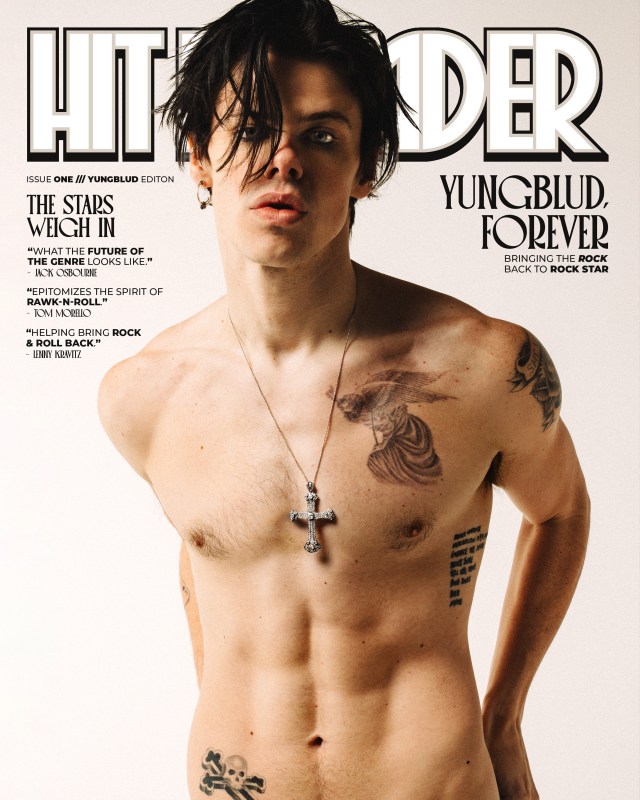
YUNGBLUD is bringing the rock star back to rock. At just 27, the British firebrand stunned 45,000 fans and the world at Ozzy Osbourne’s farewell show with a jaw-dropping, emotional cover of “Changes.” Critics and legends alike are calling it one of the greatest live performances of the past 25 years. In a genre starved…
In late July 2024, before Sleater-Kinney tore through music from their album Little Rope on an outdoor stage in front of the Rock & Roll Hall of Fame in Cleveland, the first band on that humid summer night, Die Spitz, was just as mesmerizing. As they’ve been doing ever since forming in early 2022, the Austin-reared quartet plowed through a set of sludgy hard rock and punk-ish metal that radiated heat and ferocity.
Reflecting back months later, vocalist/guitarist Ellie Livingston, guitarist/vocalist Ava Schrobilgen, bassist Kate Halter, and drummer Chloe De St. Aubin remember the gig well – after all, Halter was on mushrooms for the first time (“it was like Guitar Hero numbers were coming from my fretboard,” she laughs). If you were concerned Die Spitz doesn’t take its music and career very seriously, just ask Jack White, whose Third Man Records will release the group’s debut album later this year.
Photo: Anatheme
It has been a long time in the making. Livingston became friends with Schrobilgen nearly 20 years ago (they bonded in ballet class in Austin) and got close with Halter in middle school. The trio assembled a band inspired by Nirvana, Pixies, and Fiona Apple, and realized only after booking a show at local venue Hole in the Wall that they also needed a drummer. Through an early supporter, they met De St. Aubin, who was already familiar with (and liked) the band after seeing online footage.
“I thought they were so cool,” she says. “I always wanted to play music with them, but I was [a] nerdy percussion kid. I played marimba and timpani and [no] rock instruments.” Once she joined, De St. Aubin steered the band’s sound and helped bring focus. “We were playing these slow-ass, more country[-leaning] songs, but having the energy of a punk band,” Livingston says. Adds De St. Aubin, “I was getting confused. I wanted to play faster, so I was like, maybe we should try going above 80 BPM.”
These tweaks paid off, as Third Man signed Die Spitz before the group even had demos to showcase. “They saw us at a live show, and they liked our live sound, and even said, ‘I don’t think your recorded music right now is a good representation of the experience you give of a live show. And we agree with that wholeheartedly,” Halter says and laughs. “Them seeing that was a very green flag, because we knew that we were on the same page with how we wanted to get our music out there.”
Die Spitz has been compared to everything from Bikini Kill- and L7-style riot grrrl to ’90s hard rock, but resists being pigeonholed into gender or genre. “If you hear this album all the way through and you say that we’re a purely punk band afterwards, then you might need to get your ears checked,” says Schrobilgen. “I also really hope that after hearing our album, people will stop caring that we’re all girls,” De St. Aubin seconds. “No one’s going around being like, Nirvana, boy band, blah blah blah. That never happens. I don’t think people get why that’s frustrating.”
Die Spitz recorded the new album with producer Will Yip (Code Orange, La Dispute). In addition to introducing the group to picklebacks (shots of Jameson chased by pickle juice), Yip was an excellent creative partner, getting to know them as musicians and people so he could tailor his advice and direction.
“He would watch how we played, so he knew what he could and couldn’t ask of me,” says De St. Aubin. Adds Livingston, “He would give opinions as a producer, but then also would listen to you and treat you as a respected musician. Sometimes I feel like I have this vision of recording as some guy is going to tell me that I’m stupid for thinking some way. But Will is very open to everything and wanted it to sound as much like us as he possibly could.”
As for what the new record sounds like, “it has a lot of the same punky, metal-y overtones that our older music has, and like our live shows have, but there are songs that are softer, slower, and more intimate that make the album an experience,” Livingston says. “That’s way cooler than putting out an album where every song sounds the same. It’s not going to intrigue or move someone in the same way.”
Something To Consume is out now on Third Man Records.
Read this story and more in the below issue of Hit Parader:
When Scowl released Are We All Angels back in April 2025, the Santa Cruz band proved that they were ready to expand well beyond the conventional hardcore scene.
As a group that walked the line of what could be considered “hardcore” ever since their 2019 inception and was (often unjustly) scrutinized by the historically picky genre’s fanbase, Scowl’s sophomore album was a catchy alternative masterpiece that opened themselves up to a much wider audience than even their acclaimed Psychic Dance Routine EP.
In many ways, the progression makes total sense. Vocalist Kat Moss quickly blossomed into one of rock’s biggest rising stars over the last few years, and Scowl has shown its ability to blend heavy riffs with pop-leaning melodies time and time again. The quartet has seemed destined for greatness beyond any subgenre labels the same way that Turnstile has broken into the mainstream.
Now it’s Scowl’s opportunity to show the world that they’re ready for the mainstream limelight by hitting major multi-genre festivals around the world (as well as hardcore and rock festivals like Sound & Fury and Aftershock) ahead of their fall headlining tour with Sunami.
Hit Parader caught up with Moss and drummer Cole Gilbert to chat about the success of the new album, the evolution of hardcore, and more.
Photo: Jacki Vitetta
Hit Parader: What made you want to go such a different direction on Are We All Angels? Kat Moss: It’s one of those things that I think all of us mutually agreed on for a long time. We didn’t want to create something that was average — not to say that we think we’re above average or something, but more of a perspective of doing something that feels different to us both internally and sonically. We wanted to create a space for people who are seeking something that’s a little bit more unorthodox when it comes to the hardcore world and punk music.
HP: How has it felt to see the hardcore scene expand and explore new sounds over the last handful of years thanks largely to bands like Scowl? Cole Gilbert: It’s awesome. I feel very proud of the people getting out there with their music, but I’m even more proud that it’s so much more accepted now. Just 10 years ago, you had bands like Title Fight and Ceremony exploring new sounds, and people were posting online that they were smashing their CDs when Hyperview and The L-Shaped Man came out. People were like “How could you? You’re not playing a circle pit part anymore! You’re not playing a blast beat anymore! What’s going on?” That was silly to me at the time, and I think it’s something that’s always been there, but it’s just more socially acceptable within our world now to experiment. The whole point of making music is expressing your creativity, and the whole point of hardcore is to not follow the rules, so it’s like “What are we doing here?”
KM: The least surprising thing to do is something polarizing in a subculture that is built on polarization.
Photo: Jacki Vitetta
HP: What’s it like to play some of these massive pop festivals recently in addition to the more traditional rock and hardcore fests? KM: It’s really fun to be the band where when other artists or the crowd at a big festival see us, they’re like “What the fuck is this?” Then we walk into a hardcore festival and everyone’s like “Oh yeah, you guys again.” It’s fun to have that experience, and I like that we don’t sit comfortably anywhere. The festivals themselves are really fun for us because we all have such varied music tastes to begin with, so it really feeds the soul to be around all of these bands and artists from all over the place.
CG: We’re too hardcore for the poppy festivals, but we’re too poppy for the hardcore festivals, so we’re the odd ones out everywhere we go.
KM: I get a kick out of us being the weirdos, but it also feels like a “weird flex” moment internally. I’m an adult and I have green hair, so it’s like “We get it. You’re weird, bro,” but there’s also this feeling that it’s very hardcore or punk to just claim our weirdness and own it anywhere we go.
HP: Aside from the festivals, you’ve also done some major touring over the last few years, from opening stadium shows to headlining tours. Has anything unexpected changed as the stages have gotten bigger? KM: Well, it’s gratifying and rewarding for sure, but it’s also like “Damn, my back hurts now!” We’re grateful and it’s fucking awesome, but it also wears on your body to play longer sets and be on the road all the time. We’re getting served the punk pie right now in that we flew close to the sun and now we’re feeling the heat. It gets pretty exhausting, but it’s like when you go to the gym and feel the sweat. It can be hard and dirty, but I’m really grateful on a personal level because I think we’re all growing up in a really beautiful and interesting way with each other through it all.
CG: A lot of it has been moving so fast that it’s hard to even recognize some of the things that we’ve done as a band, so we’ve just been doing our best to mind our P’s and Q’s the whole time. It still feels like we’re that same band from five years ago, even through all of this. We’re still working as hard as ever, and I don’t think we’ve even begun to reach the point where we can look back and enjoy the fruits of our labors. We can see how far we’ve come, but we’re still climbing.
HP: What else would you like to see for Scowl in the future? KM: It’s funny, because we’re all thinking about that for the first time now. We’re all in our late 20s and early 30s, and finding balance in life is a lot harder and a very different definition than when the band started. Ideally, it’d be nice to just put out more and better music. I just want to keep writing music that feels good and gratifying and like it speaks to all of us on a really deep level. That and playing shows that have insane energy is all I ask. I don’t give a fucking shit if we’re making that much money or if we’re a big band. I just want to play really fun shows and feel like we’re making really good music for ourselves and for the people who care. Stripping it all down has been so good for me, because I was really obsessed with wanting to do this and this and this and this for a long time. Now, it’s not hard to make me happy. I don’t want to make it complicated. I just want to have fun and feel good.
CG: We’ve come way farther than I ever thought we would, so everything else is just a cherry on top. I want to take it as far as it can go. If it gets bigger? Cool. If we’re right here and it stays here? Cool.
KM: I’ll go bag groceries again if I need to, but I still want to go on tour for two weeks at a time. I’ll do whatever I need to do, but I just want to be happy and have fun and for everyone to be healthy and taking care of really baseline shit. I experienced some grief this year, and it made me really think about life on a much larger scale. I realized that I don’t need a lot from this. I just want to be happy, safe, healthy and experience love through this whole thing. Maybe I sound like a hippie, but it’s really not any more complicated than that.
Read this story and more in the below issue of Hit Parader:
YUNGBLUD is bringing the rock star back to rock. At just 27, the British firebrand stunned 45,000 fans and the world at Ozzy Osbourne’s farewell show with a jaw-dropping, emotional cover of “Changes.” Critics and legends alike are calling it one of the greatest live performances of the past 25 years. In a genre starved…
Life as a two-piece punk band comes with its pros and cons, but it’s also the only one that Isaac Holman and Laurie Vincent have chosen.
The English duo embraced the benefits of having fewer mouths to feed while sharing their additional multi-instrumental responsibilities when they got together in 2012. Then they spent a decade touring the world and releasing three albums as Slaves — often shown as Slaves (UK) in the States — before changing their name to Soft Play and releasing 2024’s Heavy Jelly to new levels of popularity and critical acclaim.
But regardless of what the band has called itself, Holman and Vincent have been embraced not only by the punk scene, but also everyone from rappers to metalheads. And as Soft Play has risen to larger stages not just in the UK but around the world, so has their genre-crossing sound and fan base.
Hit Parader caught up with the electrifying duo backstage to chat about their increased international popularity, getting beaten up in music videos, and desire to remain a duo.
Photo: Jude Harrison
Hit Parader: Soft Play has played and worked with so many different genres of artists. What do you think gives you that cross-genre appeal?
Isaac Holman: Last year, we played with Robbie Williams, Kneecap, IDLES, and Slipknot, so we can go from pop to metal to rap. There’s this continual dialogue where we say, “You need to watch us live,” and that’s been a battle for us because we’ve only just started making records that translate straight off the bat and that people get. People are often like, “Oh, I didn’t even realize you were a two-piece!” So it’s a challenge, but you know, that’s what life is.
HP:What went into the decision to keep Soft Play as a duo instead of adding more members? Laurie Vincent: We wanted more members. This was all a mistake. We were looking for more members.
Holman: We wanted a drummer, but we couldn’t find anyone that wanted to drum for us, so Laurie brought these drums to my house and was like “Bang on these until we find a drummer.” I’d never drummed before, so it was just like a happy accident.
Vincent: We had no friends, basically.
Holman: Now it’s gone too far [to add a member]. But if someone from Blue Man Group wants to join, that’s it. They’re in, but they have to stay blue.
Vincent: Would you go blue with them?
Holman: Fuck it, yeah. I want to know the secret to how they get so blue. Is it hard to wash off? In my drawer at home, I’ve got a swimming cap and blue paint, because I was going to go blue for a party once. I don’t think it was even that long ago — maybe like a year or so. I’ve got that ready to go. I’m ready to go blue. Maybe the next big gig, I’ll go blue. But I’ll have to make it clear that I’m not a Smurf.
Vincent: People will be like “Who the fuck are you and why are you playing with a Smurf?”
Holman: “Why is he wearing his swimming cap and got some of that shit blue paint on it?”
Vincent: “Because he’s a legend.”
Photo: Jack Foote
HP:How has it felt over the last few years with the name change and the international growth the band has seen? Vincent: Well, I think we’re disproportionately big in the UK, and that’s always been a frustration for us. We could play to 1,000 or 2,000 people a night in the UK and Russia, but nothing near that anywhere else.
Holman: We would come off the stage at these big festival slots, or headline shows selling out Brixton Academy — which is 5,000 people — and then play to 80 people in Boston, so it was quite a weird thing. Now it’s slowly catching up, and I think the new name, the new record, and the work we put in is paying dividends. It’s great, but it’s exhausting.
HP: Aside from the new record and the energy of the live shows, it feels like your wild music videos can draw people in. Vincent: If we had more money, they’d be even more wild. Our vision gets tapered drastically.
Holman: We just come up with these crazy ideas, and people try to facilitate them. I realized the other day that on a subconscious level, it’s heavily influenced by TheSlim Shady and Marshall Mathers [LPs and their music videos]. We grew up in the 2000s watching “My Name Is” and seeing Eminem in his Superman suit with his bum showing and putting it on people’s faces, so that’s the era of music videos that we hold highly.
Vincent: That’s the alter ego of our band — deadly serious, but also ridiculous.
Holman: The music videos have to be the way we get our message across, because the music itself can be pretty heavy at times. We want to have fun, and I guess our idea of fun is getting beaten up.
Vincent: I get beaten up in nearly every video.
Holman: I was quite pissed off in the “Act Violently” video. I didn’t like wearing that tracksuit.
HP:What else would you like to see the band do going forward? Holman: I’d like an equilibrium worldwide, where we can just be at the level we are at in the UK everywhere. I think that’s when everything will make sense, and touring will become a bit easier and more manageable.
Vincent: I just want to keep writing records we’re really proud of and be even heavier. We’re going to basically be a metal band when we come back.
HP:Is there anything you’d want to tell people who are unfamiliar with Soft Play? Holman: “Everything and Nothing” is our best crafted song, but you need to come see us live to understand it.
Vincent: I’d start with Heavy Jelly and work your way backwards, probably. And yeah, definitely come to a gig. Also, I don’t get Labubus.
Holman: That’s important. Laurie doesn’t get Labubus and I say “Free Palestine.”
Soft Play appears in our “What Does Punk Mean To You?” article in Issue #1 of Hit Parader:
YUNGBLUD is bringing the rock star back to rock. At just 27, the British firebrand stunned 45,000 fans and the world at Ozzy Osbourne’s farewell show with a jaw-dropping, emotional cover of “Changes.” Critics and legends alike are calling it one of the greatest live performances of the past 25 years. In a genre starved…
After breaking into the 2010s alternative scene with 2014’s Stovall and 2016’s acclaimed Much Love, it took nearly a full decade before the Atlanta guys in Microwave began to see the post-hardcore band as a realistic career path.
Having opened for a who’s who of the alt-rock world (from Jimmy Eat World to Joyce Manor, Motion City Soundtrack to the Wonder Years), vocalist/guitarist Nate Hardy, bassist Tyler Hill, and drummer Tito Pittard never questioned their choices with Microwave from a creative perspective, but the van-based life of a touring rock band wasn’t exactly paying their bills.
But following a pandemic-forced break after their 2019 release, Death Is a Warm Blanket, Microwave saw a shift in their trajectory, with the next generation of fans discovering the band (along with many of their peers). That push helped 2024’s Let’s Start Degeneracy and recent tours become the group’s biggest successes to date, with even more planned with the 10-year anniversary of Much Love to celebrate as well.
Hit Parader spoke with the band backstage about their recent growth, anniversary shows, and much more.
Photo: Bridget Craig
Hit Parader: Now firmly in your second decade as a band, what’s it been like to see your steady growth really starting to pay off? Tyler Hill: Honestly, we had a little bit of a gap before our last record because of COVID, and when we came back was really the first time the band was ever financially profitable or anything. So to us, it feels like more of a recent development.
Nate Hardy: We spent a long time just touring and sleeping on people’s floors and all sorts of different places. Motel 6 was as nice as it got. But yeah, it feels awesome to have that growth since the pandemic and be a viable thing that we can focus on. That’s always the fear when you start out as a band. You have to quit every job and find a new job every six months because you’re trying to “make it,” so you can’t focus on songwriting or trying to become a better band with your full energy and focus. I feel like it’s finally a viable life path for us right now.
Tito Pittard: It feels great. I love music and focusing on making the best music and performing the best that we can.
Photo: Bridget Craig
HP: How different was it to see this next generation of fans and bands that were introduced to you after the pandemic break? Hardy: We toured with Hot Mulligan and Mom Jeans before they popped off, and I feel like those bands and a handful of others were good at Twitter and being funny on the Internet, so they were able to attract a younger audience than we did. We got to be in the periphery of that as a band that tours with them, so we saw a bump around 2022 when those bands were popping off. We did a tour with Story So Far, Mom Jeans, and Joyce Manor in 2022, and that was when we could see this as a viable thing for us. It was like “OK, now people generally fuck with this realm of the music scene.”
Hill: We started to see bands like Free Throw and others from our 2010s scene get a new generation of fans. That was also when we started getting messages where people were like “You guys were my favorite band in high school” and now they graduated college and have successful careers.
HP: A lot of those bands from that 2010s scene — including Microwave — are celebrating big 10-year album anniversaries. What’s it been like to look back on those first couple albums? Hill: I definitely had a “Holy shit, I can’t believe it’s 10 years” moment. There was a point when we first started when I said to Nate, “Yo, the goal in 5 years should be to sell out the Tabernacle,” — which is the craziest thing for a band that was playing to 5-20 people in Atlanta. We didn’t do it in 5 years, but we did it in 10, and I don’t even know what the word is to describe how I feel about that.
Hardy: People are always conflicted between whether it’s like “Oh, if you do a nostalgia tour, then it feels like that was the golden era and your new music is less relevant,” but I feel like if you ask anyone in music what their favorite songs of theirs are, it’s always the most recent thing they did. To me, it’s like we’re refining and trying to get better all the time, so the more recent stuff is more of a representation of who I am now. But the nostalgia thing has a big place, and I feel like you do yourself a disservice as a band if you’re unwilling to relive that “golden era” for just a little bit and try to recapture that vibe. I think it’s cool to celebrate that.
HP: Speaking of new music, Let’s Start Degeneracy was a hit with both critics and fans. Did that surprise you after a handful of years between albums? Hardy: I don’t think it was a surprise, but it did feel good. It would be a little bit more depressing if the only songs people knew or cared about were the old ones.
HP: With a bunch of growing successes in your rear-view, what are some of the upcoming goals you all still have for Microwave? Pittard: It’d be cool to be a headliner at big festivals like Riot Fest, like our boys in Knocked Loose. They crush it every time.
Hill: Yeah, it’d be pretty cool to be able to level up the production and stuff. I think we’d probably have a lot of fun with that.
Hardy: I want flames on the stage. I’m trying to play some shows where we can afford flames. We already did the first 5-year plan of selling out the Tabernacle, so the next 5-year plan is to play shows that include flames.
Microwave appears in our “What Does Punk Mean To You?” article in Issue #1 of Hit Parader:
YUNGBLUD is bringing the rock star back to rock. At just 27, the British firebrand stunned 45,000 fans and the world at Ozzy Osbourne’s farewell show with a jaw-dropping, emotional cover of “Changes.” Critics and legends alike are calling it one of the greatest live performances of the past 25 years. In a genre starved…