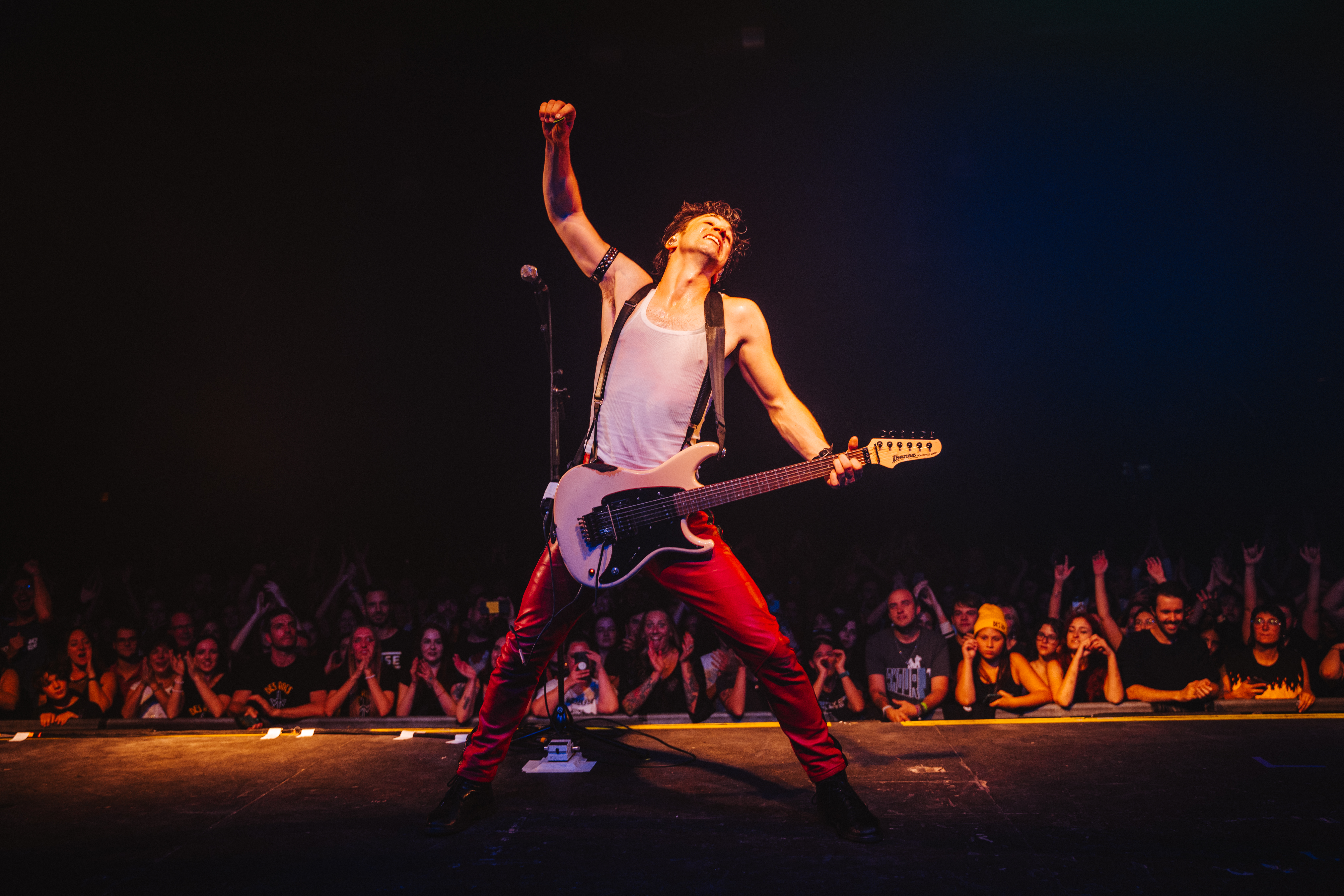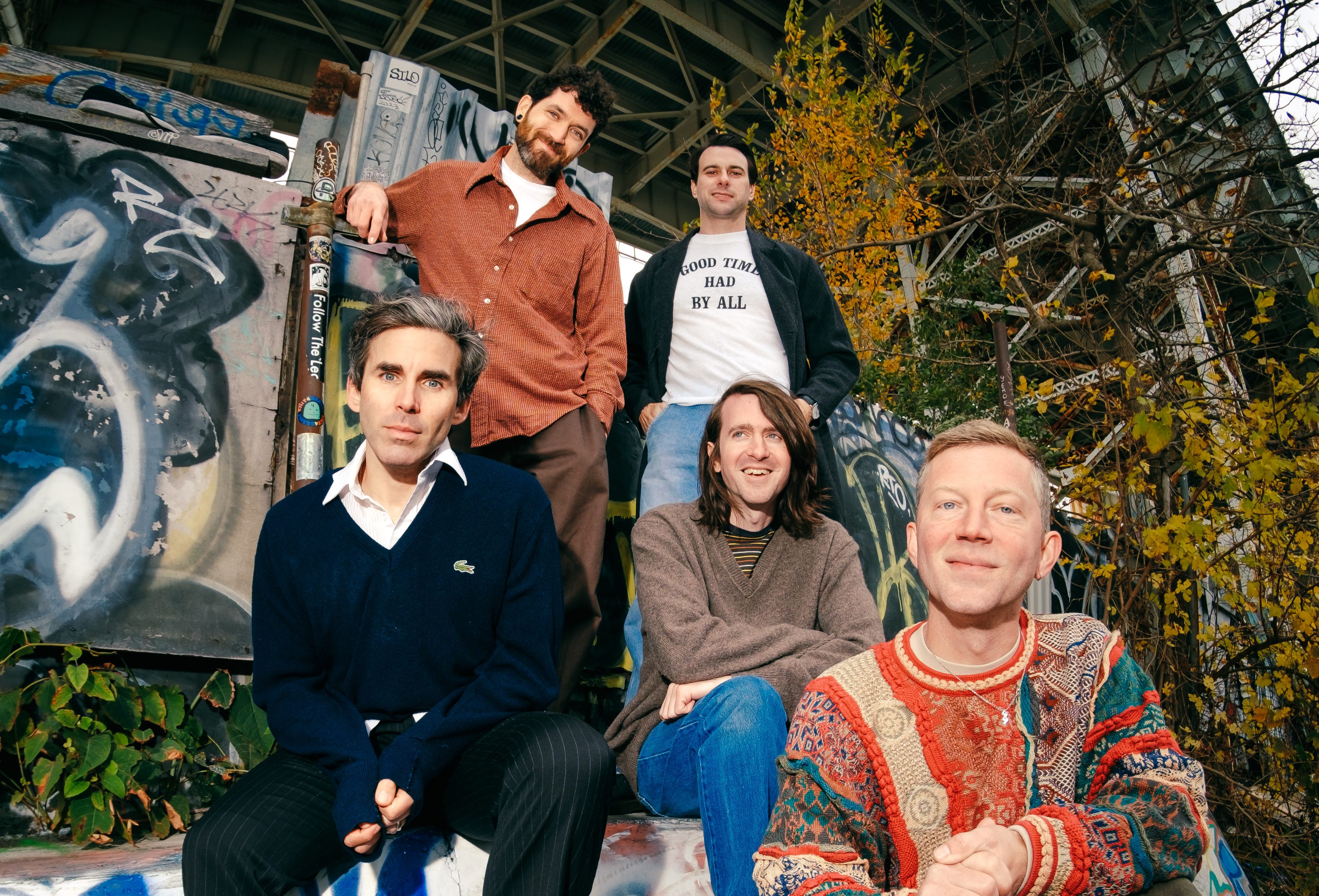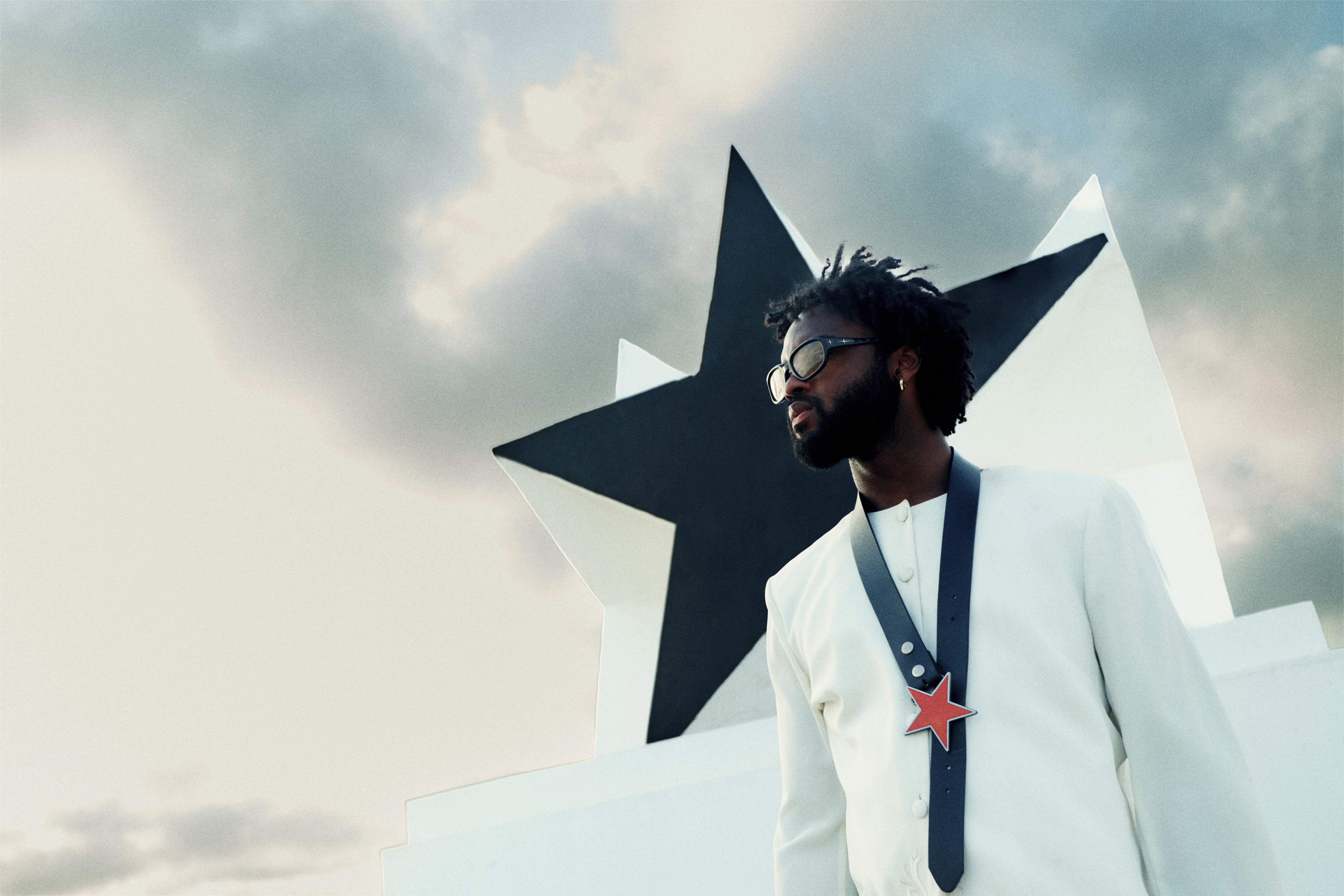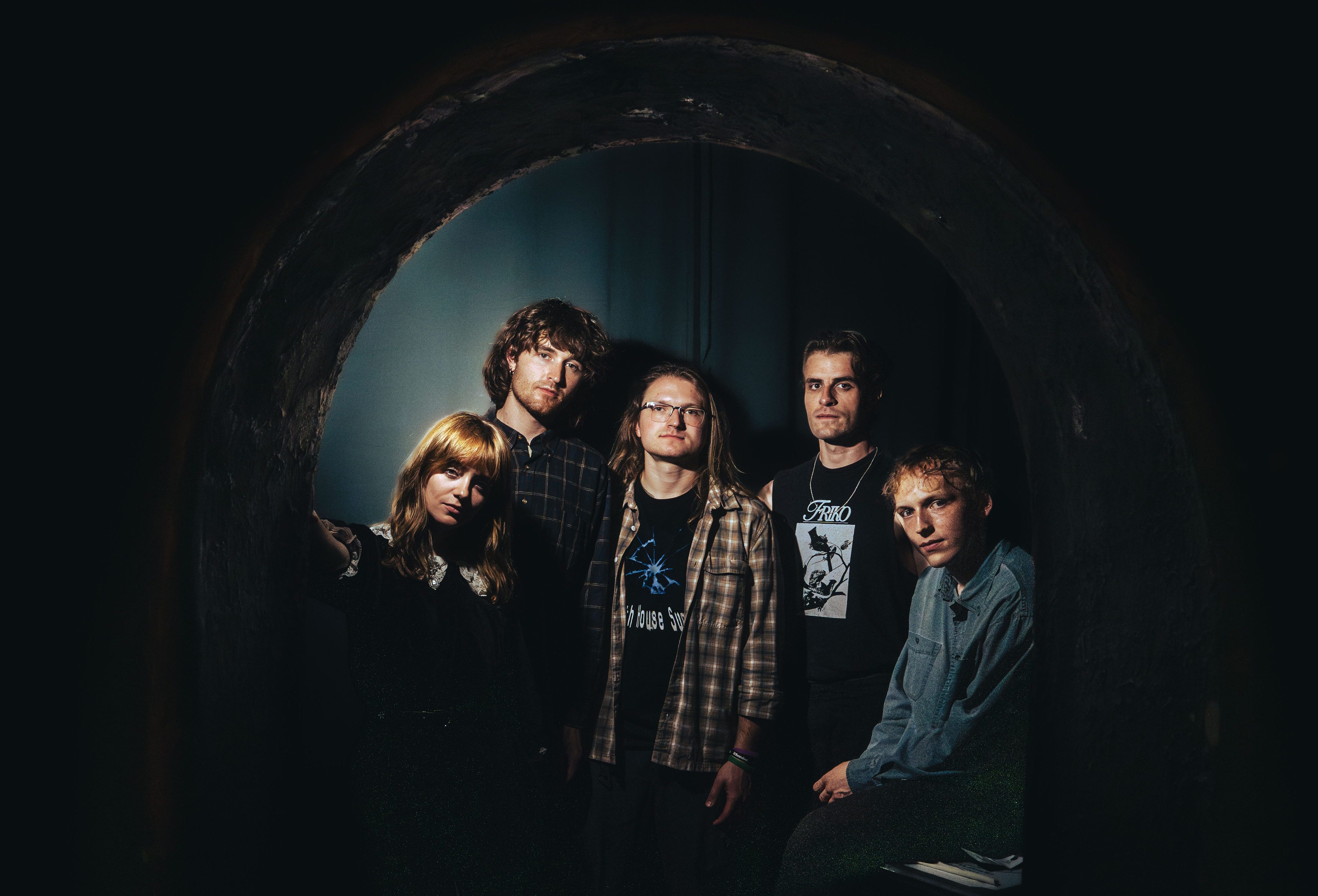
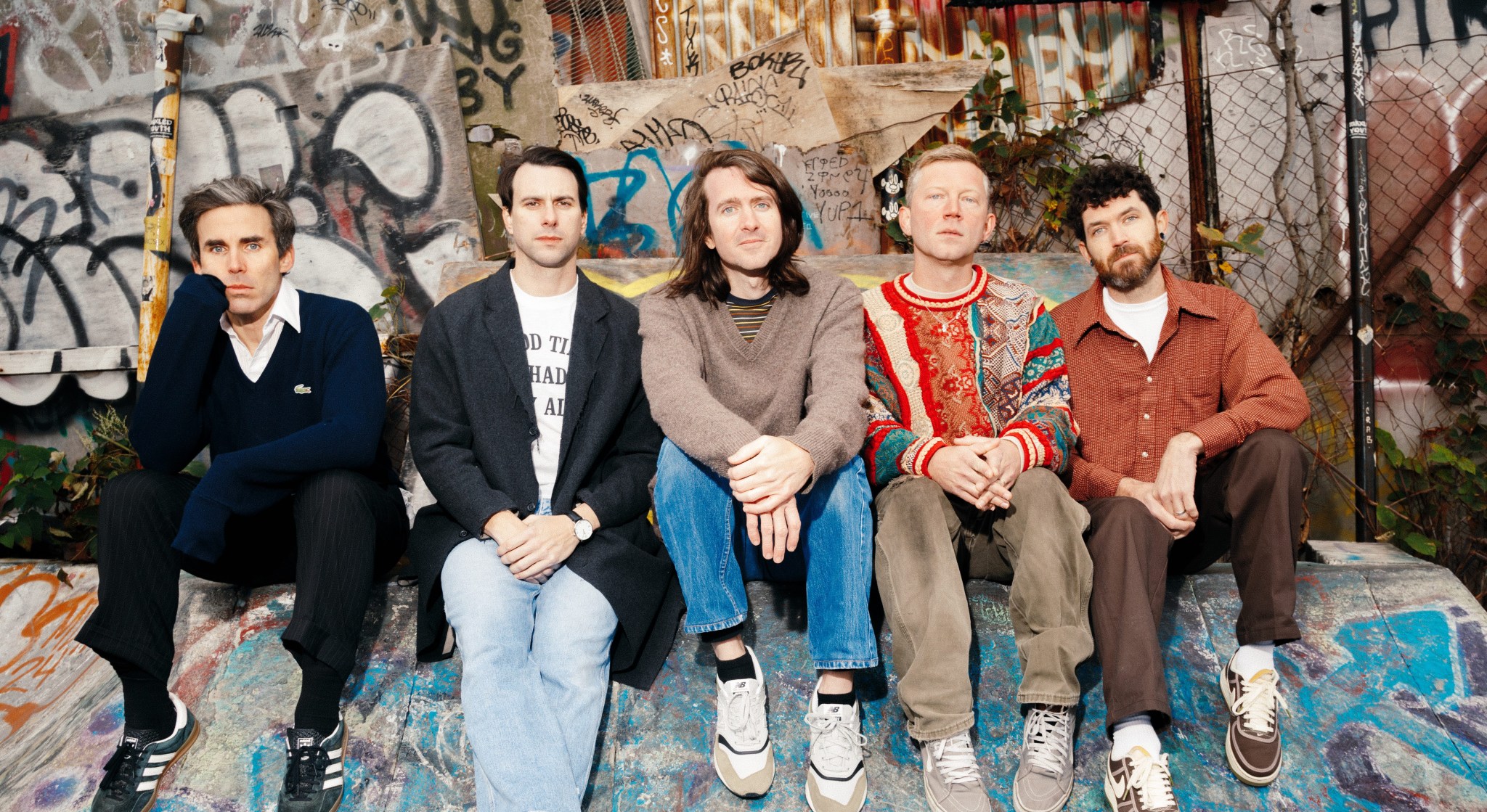
It is, and will always be, a major undertaking to write, record, mix, master, market, and release a full-length album to the public. The emotions, the lyrics, the musicianship, all the audio work, and the business side are an incredibly time-consuming process and will leave even the most well-oiled machine of an artist or band exhausted.
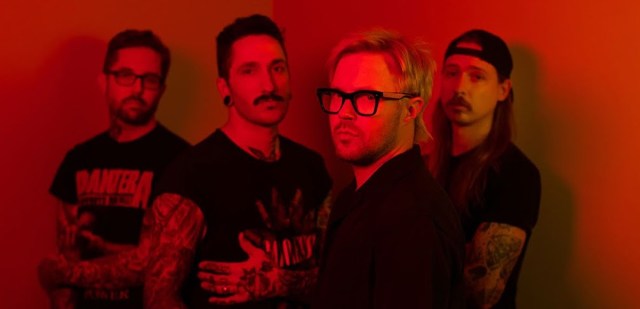
Imagine going into the studio to record half of an album, only to leave hellbent on going through the entire process of releasing an album, three whole times in succession, as part of a continuous trilogy of albums, all within a two-year period, all after being over two decades into their career, and all while playing countless shows on the road. What was once a very difficult and arduous process became a task that would drain even the most passionate of their craft, but even that wasn’t enough to slow down the face of third-wave emo, Tallahassee mainstays Mayday Parade.
It is just as obvious now as it was all those years ago, with all those records and tours, how committed they are to their craft and how in love with it they are. No better place to find proof than the first two installments of the trilogy, Sweet (released April 18th, 2025) and Sad (released October 3rd, 2025). The trilogy’s final chapter, Sugar, arrives on July 24th, 2026, and while bringing the tri-body work to a close, and being written after both Sweet and Sad, even lead singer and emo cornerstone Derek Sanders admits it: Sugar might be his favorite of the three releases. Hit Parader sat down with Derek to chat about the record, what it took to make the trilogy a reality, and what is happening next. Whatever they do after this, it’s a pretty sweet place to start.
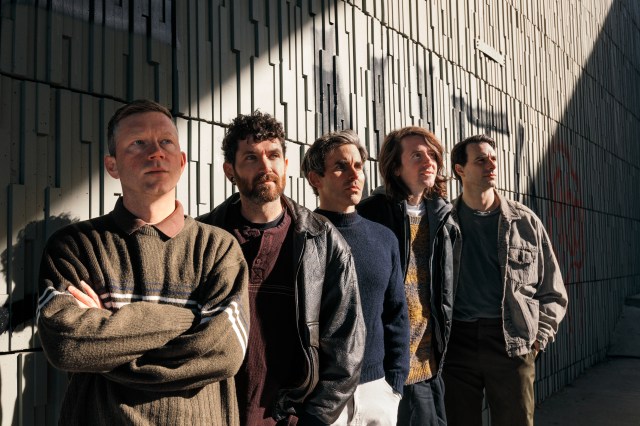
Hit Parader: The final part of the trilogy is coming out in approximately a month, which is super exciting. Congratulations. You’ve said that the three-part concept didn’t fully materialize until everything for Sweet was tracked. What kind of conversations or realizations during that period convinced you that the projects had to become a trilogy, and how did the themes of each project evolve from that starting point?
Derek Sanders: We were in the studio recording what would become Sweet Part One, and at the time our intention was to record basically half of an album, roughly seven songs, and then go back into the studio later and record another seven or so, and put together an album and B-sides out of that. That’s typically how we would have operated up until that point. We were actually discussing the album title early on, and at the time, there was a lyric with “Sweet Sad Sugar” as a line in a song. Somebody suggested that as an album title, and that just kind of sparked something. On top of that, we had the realization that this body of music was going to come out on our 20th anniversary, so it was like, what if we did Sweet Sad Sugar and made it a trilogy, a three-part release? There were a lot of things that were appealing about that. It was something bigger and grander than we had ever done before. It felt like the right time to do something like that, to celebrate 20 years as a band. It also meant that the seven or eight songs we were already recording could just be Part One, that’s Sweet. There’s something I really enjoy about going in, doing a whole project, wrapping it up, and it being done, versus coming back to it months later and trying to add to it and build upon it. So that was really appealing as well. It just kind of fell into place. It took a little bit of convincing for everybody; we were a little hesitant to fully commit to something as big as that, but I’m so happy and so proud of how it’s all turned out. I’m very excited about Sugar. It’s just cool to be able to switch it up and do something different. It can start to feel, especially after 20 years, like you just repeat these cycles of writing an album, recording it, releasing it, touring for a year or a year and a half, and then starting the whole cycle over again. It’s refreshing to break out of that a little bit and try something new.
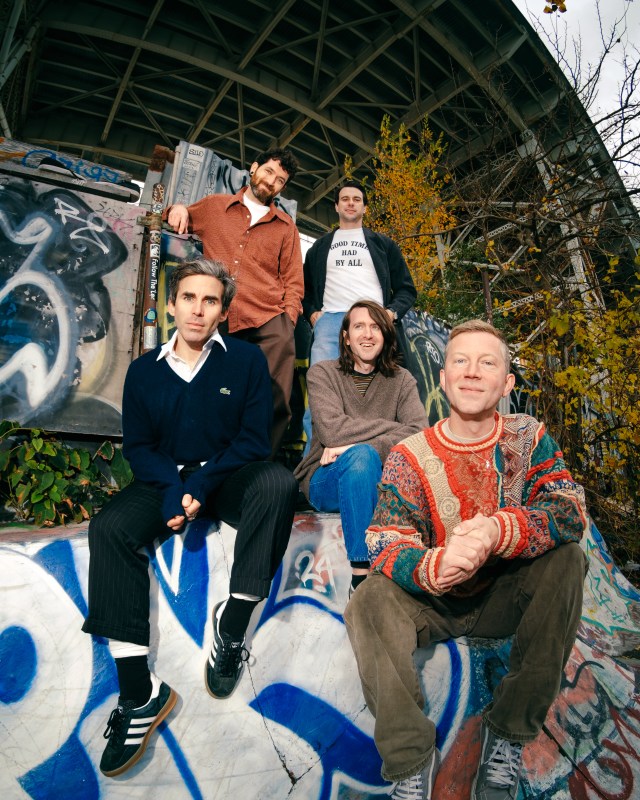
HP: And while you were going through the process of recording these three records, it’s not like you had an off year by any means. You were doing a lot of shows, playing with All Time Low, doing the North American Tour, returning to Warped [Tour], all of that. How did playing all those shows and doing all that work on top of working on nearly 30 songs sonically and lyrically affect what went into those three projects?
DS: It was tough, I’ll be honest. Right now things have finally chilled out and slowed down after what feels like at least two years of pretty consistently touring and playing shows, writing and recording, releasing music, shooting music videos, conference calls, brainstorming creative and artistic ideas, it’s been pretty go, go, go. When we started Part Three, Sugar, I was a little worried that we were just too burnt out. At that point, we probably didn’t have as much material going into the studio that we felt strong about as we typically would like to, and I was nervous about that. But we tend to, in those moments, pull it together , a handful of last-minute ideas came together that were really strong, that we all felt great about, and it kind of all worked out really well. To the point where Sugar might be my favorite of the three releases. It definitely pushed us and tested us, but that was part of the appeal; we wanted that challenge. It’s nice to get through it and know that we can do that, that we did do that. Now we get to take the rest of this year and have a little more downtime, a little more family time, while still going out and doing weekend shows and festivals and gearing up for this release. Then next year we’ll jump into all of the 20-year A Lesson in Romantics stuff, and I’m sure it’ll be a pretty busy year with everything that entails, and then we’ll kind of see what happens from there.
HP: That’s super exciting. With you talking about how the ideas felt a little wrung dry by the time you got to Sugar, apart from ‘Weekend Music’, which you mentioned was kind of a catalyst that made you realize things were still happening and still possible, were there other turning points during the recording process that made it clear in your mind that you were still ready to finish the trilogy?
DS: Yeah, for sure, I’d say there were a couple. ‘Weekend Music’ was one. ‘Blame It on the Youth’ was kind of a late idea that came in, and then there’s a song called ‘What Happens Next’ that is the last song on Sugar that didn’t exist at all on day one in the studio. We had listened to what we had and felt good about everything, but I had the realization that we did not have a piano ballad across Sweet, Sad, or Sugar. That first day in the studio, after we wrapped up around six, I just spent the rest of the afternoon and into late that night sitting at the piano, thinking I had to write some kind of piano ballad. By around two in the morning, I had the demo finished for ‘What Happens Next’, showed the guys, and it made it onto the album. It was a handful of those moments, right at the final moment, things came in and pulled it together, and sometimes that’s just how it operates. Maybe it’s the pressure, or whatever it is, but all of that together helped put me at ease, because I didn’t want the quality to suffer. I didn’t want it to be noticeable by the time we put out Sugar that the steam wasn’t there. It’s really nice that it all came together in a good way.
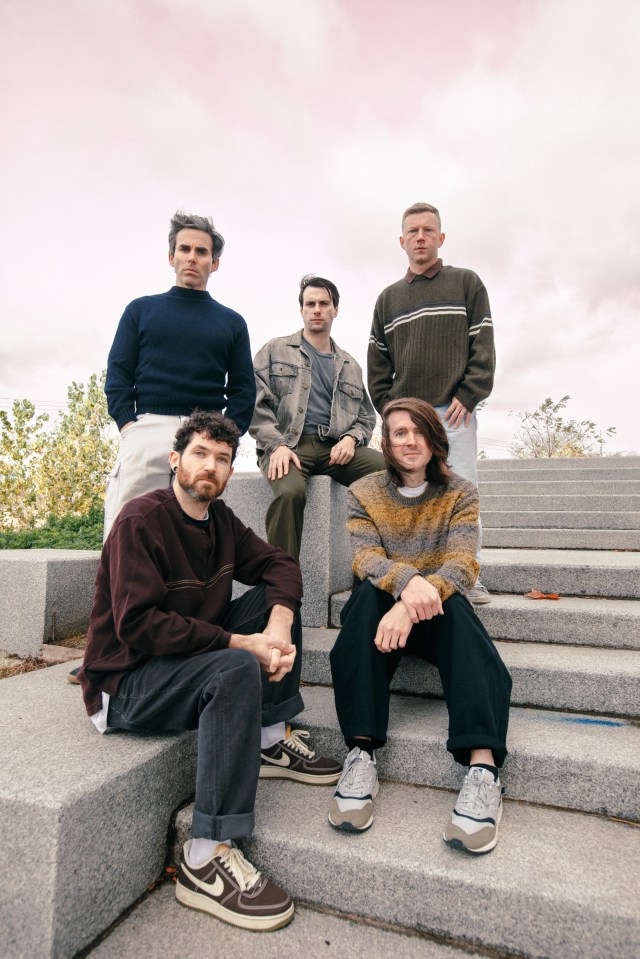
HP: Out of curiosity, how do the singles, ‘Weekend Music’ and ‘Blame It on the Youth’, show fans what to expect from Sugar, and how do they not fully paint the picture of what Sugar is as a complete project?
DS: In a lot of ways, ‘Weekend Music’ just kind of checks the boxes of a Mayday Parade song, hopefully a strong Mayday Parade song. Blame It on the Youth feels like a little bit of a venture into different territory. It feels very Green Day to me, a little different than what we’d usually do , just a very straightforward pop-punk song. It’s such a catchy song, and when the idea came in, it just immediately raised its hand, like there’s something good there, something special. There’s more of that Mayday Parade brand, what we’ve established and identified as just a Mayday Parade song, but there are also things where we’re incorporating new elements. Even the piano ballad, ‘What Happens Next’, when I sat down, my thought was something like ‘Miserable at Best’ or ‘Stay’, something in that wheelhouse, but it almost has this Adele-like quality, at least in the music. So yeah, that’s kind of always what we’re attempting to do, have those check-the-box Mayday Parade songs, and then not get too stuck within that. Always trying out new ideas, taking off down different paths, seeing what works, refining it. That’s kind of the idea.
HP: That’s awesome. With Sugar being described as a blend of that nostalgic Mayday Parade sound, forward momentum, and lyrical and career reflection, which of those three do you see as most prominent, and how do you hope that comes through to fans?
DS: It’s tough to say, honestly. I feel like we’re just trying to do our best with all of it. We can have ideas of what we want it to feel like, what we want it to say, but at the end of the day, it always just comes together how it comes together. When I or we collectively do have something in mind for what it’s supposed to be, it usually isn’t going to come together exactly how you imagined. There are going to be a lot of left turns; it’s a collaborative group effort between us and between Zach and Ken, the producers. It kind of just becomes what it becomes. It’s tough to answer that one.
HP: Fair enough! For a fun one, can you tell me a little about the evolution of the flowers across the album covers of the trilogy?
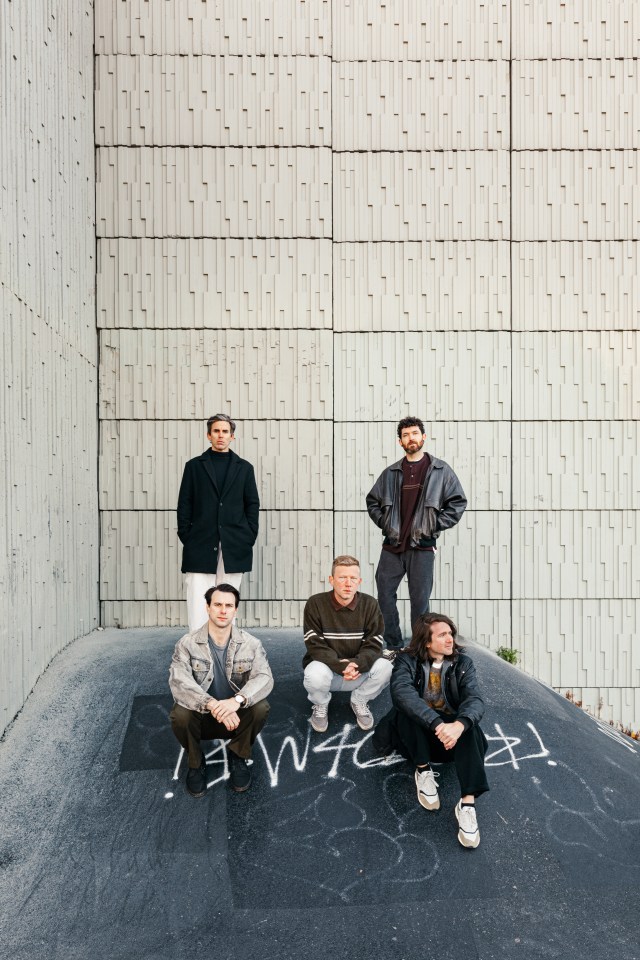
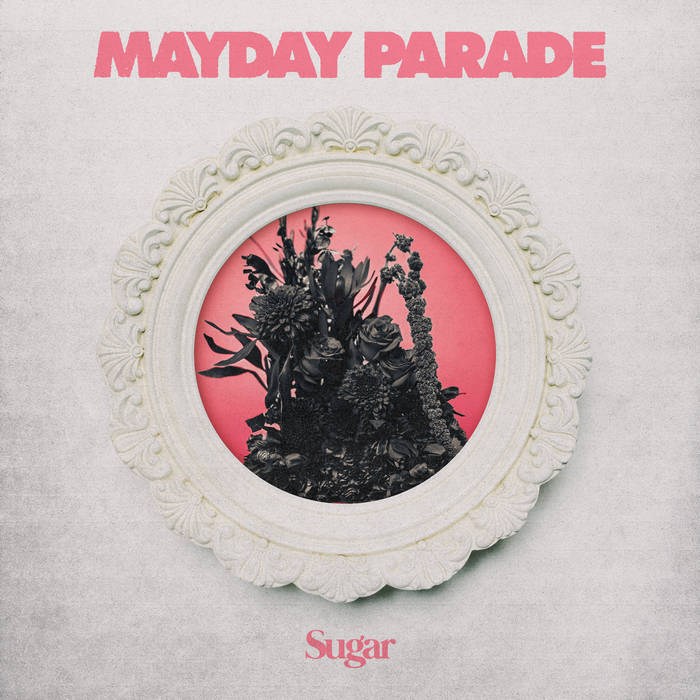
DS: I wish I knew more about all of it. We had Benjamin Lieber as our creative director artistically; he did all the album artwork across all three releases, and we kind of let him run with it. Once we started talking about the three-part release, I was brainstorming what that could look like artistically for the album covers. I really liked the idea of what we ended up with, this circle motif, with the pink background for Sweet, black for Sad, and white for Sugar, with something different within each circle. Originally, it was a very different concept: flowers in one, maybe someone with an umbrella in another, and I think I had a black cat or something. We presented that to Benjamin, and he took it and ran with it, coming up with the theme of the flowers. I know there’s meaning behind what each flower represents, but at this point it was so long ago I couldn’t tell you what type of flowers are on each one or what they’re meant to convey. I feel bad for not being able to articulate that better, but I know there was intention behind it and a real effort to capture a vibe.
HP: Don’t feel bad at all, It’s still very cool, and I love the way it all ties in. To wrap up, with all of the work you’ve been doing live, as well as putting out three albums in two years, how has juggling all of that helped you see what’s still possible for the band after 20 years, and how is it influencing what you want to do next, whether in music or shows or something else?
DS: I think it just solidifies things. We’ve been doing this for so long, and for a while, especially in the first 10 years, it felt so fast-paced. We were constantly working, putting out music and touring, and it felt like we were in this race where we had to pour everything into it, or it was going to fail. At a certain point, it felt like we had established strong enough roots that it wasn’t just going to fall apart overnight. There have been several things since then that have anchored that idea even more, and doing this trilogy feels like part of that. It was a challenge; there was uncertainty about whether it was the right thing to do or whether we’d be able to pull it off in a way that felt good. But the fact that we did just kind of solidifies the idea that we’ve built something meaningful, to us, and hopefully to a lot of people. It’s really cool to finish projects like this and take a step back and feel great about it. As I mentioned, we know what our focus is next year, but we really have no idea what comes after 2027, and 2028 feels like this wide-open future.
HP: A blank slate of sorts.
DS: Yeah, whatever we want to do, as much or as little as that might be. And knowing that, after 20 years, we’ve seen a lot of bands come up and go, and the fact that we can still play these big rock festivals alongside bands like Taking Back Sunday, Jimmy Eat World, and New Found Glory, bands that have been doing it even a little longer than us, and have our place there, and that it hopefully isn’t going anywhere anytime soon. It’s a really nice feeling.
HP: Super exciting! Thank you so much for taking the time to do this; it means a lot, seriously.
DS: Of course. Thank you for having me, it was a lot of fun.
Mayday Parade’s new album Sugar is out July 24th, 2026, distributed via Many Hats Endeavors.
See Mayday Parade + much more in this month’s issue of Hit Parader Magazine.
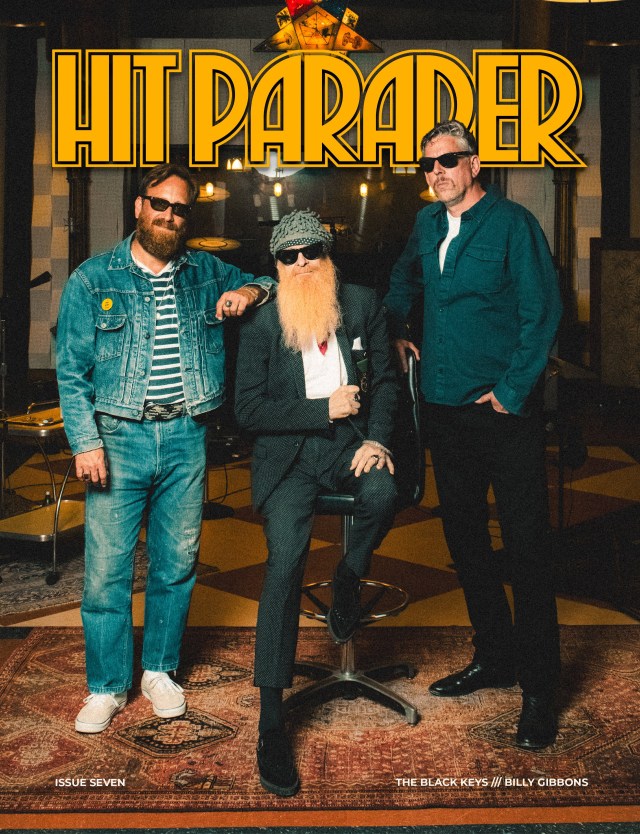
Hit Parader #7: The Black Keys x Billy Gibbons
July 2026 — $12.99