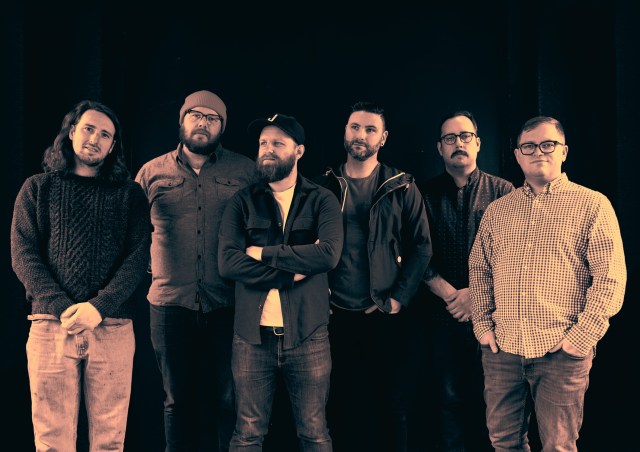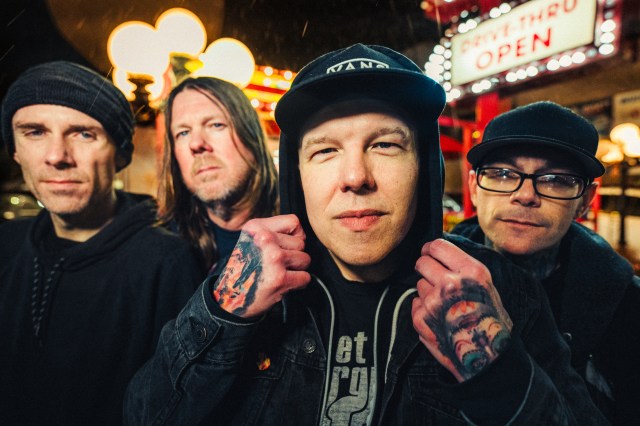
The Party Didn’t End: A Conversation With Dance Hall Crashers

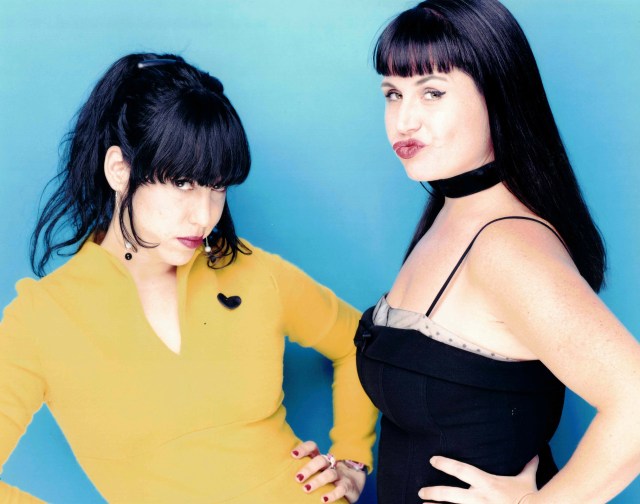
When Dance Hall Crashers disbanded (for a second time) in the early 2000s, most believed that the ska punk group had run its course and would just be a well-remembered part of the East Bay scene — much like the scene’s seminal stars, Operation Ivy, before them.

At the start of 2025, the band announced their return after more than two decades away, featuring major dates like Vans Warped Tour and Riot Fest (in addition to a smattering of headlining shows), but what no one expected was just how much Dance Hall Crashers’ popularity grew during their years off.

Following the modest success DHC had the first time around, the legacy of the ‘90s ska punk scene ebbed and flowed as the subgenre faded in and out of favor. But with each new generation of bands, Dance Hall Crashers’ impact grew even as the band remained on the sidelines.

Now that they’re industry veterans back playing shows exclusively on their own terms, Dance Hall Crashers is ready to bring their party to all who’ve missed them since 2004. 

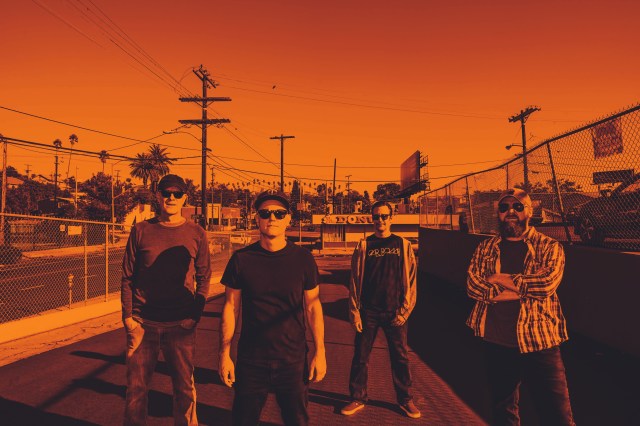
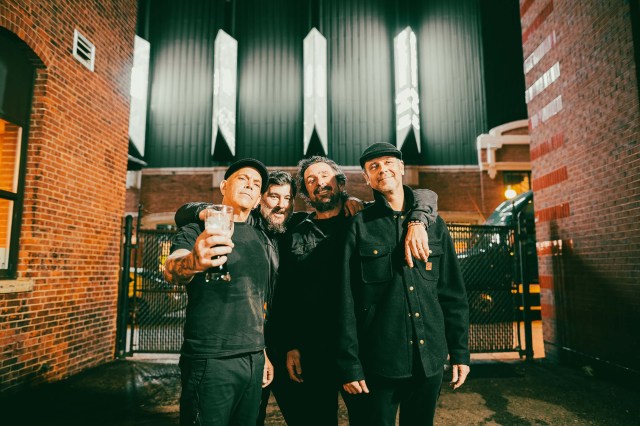
Hit Parader caught up with the band’s vocalists Elyse Rogers and Karina Deniké, as well as guitarist Jason Hammon, backstage to chat about


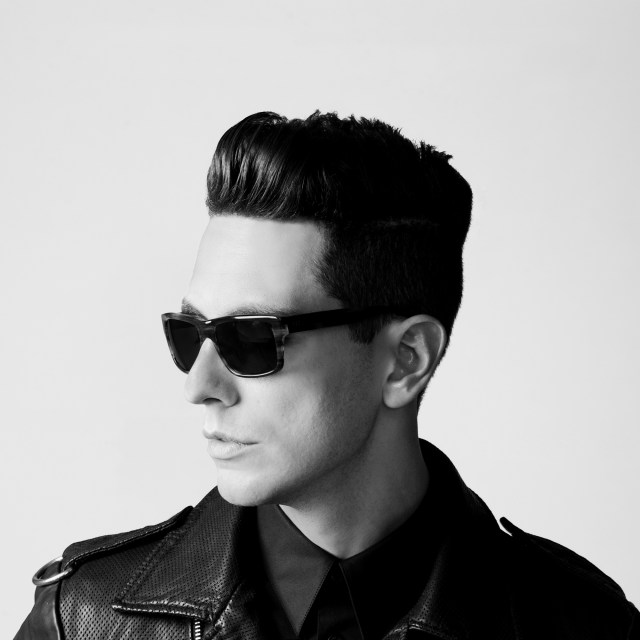
Photo: Alexander Ripa

Hit Parader: It always seems like Dance Hall Crashers are having a tremendous amount of fun at every show. What goes into that chemistry night after night?
Elyse Rogers: Well, we actually all get along off the stage, too.

Jason Hammon: We actually do. It’s crazy.

Karina Deniké: I think if you’re going to spend the time to write and create fun music and take people out of their home environment for a stage show, you want it to be a place where you can have a good time. The world is crazy right now, and the news is often tough to listen to, so you want to provide a place where you can have fun and forget everything else for a minute — forget your normal life, work life or whatever it is. So to me, a stage show should be a fun, good experience, and that’s what I try to think about when we’re on stage. “Let’s make this really fun. Let’s all be here together — meaning everyone that’s at a festival or everyone that’s at a show of ours — and just enjoy ourselves. That is definitely an attitude that I try to bring to our shows.

HP: Speaking of those festival shows, when you go to a festival now after taking a couple of decades away from the scene, what’s it like to see the next generation of bands that grew up listening to you as kids?
Deniké: It’s great. I think it’s really fun.

Rogers: I think it’s super inspiring. I love to see bands like the Linda Lindas who are killing it. There are a bunch of younger bands who are not only just carrying the torch, but also doing their own thing with it. There are different issues that they have to deal with today that we never had to deal with, and I think it’s awesome. The music scene is thriving.

Deniké: And then we selfishly get to see our favorites at the festivals too, like Jawbreaker, Weezer and Green Day [all of whom played Riot Fest 2025].

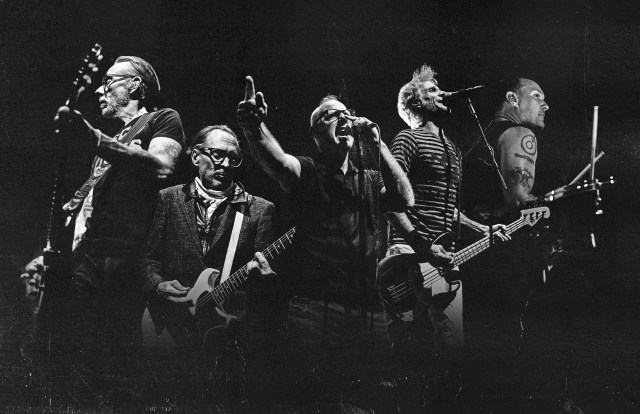
Photo: Chris Cuffaro

HP: Given the current divisive political climate throughout the world today, do you think it’s more important than ever for bands like Dance Hall Crashers to bring unity and joy to people through your shows?
Hammon: I think so.

Deniké: I totally do. I think that I appreciate it more than I used to because things are really tough right now. Any kind of sense that we’re all in this together and reminding people that there are forces of good that are trying to keep us all together feels more special than it ever has before. [Dance Hall Crashers] shows and festivals do that specifically, and it makes it feel like every moment is special right now, which is not always how I felt.

Rogers: And I also think that just bringing levity to the world is so important at the moment, so we do our best to do that as well.

HP: Having come out of the ska punk scene of the ‘90s, what’s it been like to come back and be able to play with so many different subgenres of bands and fans?
Deniké: It’s fun. Sometimes we’re the kind of random odd man out — or odd woman out — but I think that’s a really good balance for us. Having us on a bill for [a big show or festival] brings something different. We’re a little of this and a little of that, and we try to bring a little bit of our influences to every set — and I think it works.

Hammon: We’re like the misfit toys anywhere we go. When people hear us, they know it’s us because there are not a lot of bands like us. We used to always be the odd ones out, because the ska scene was kind of sour on us at various times and we never really fit in anywhere else. Now, it’s like everybody is just really happy that we’re playing again. It’s really fun.

HP: How does it feel to see that reception from fans and the scene and industry to have Dance Hall Crashers back and seemingly bigger than ever before?
Deniké: I think it’s incredible. I mean, it’s exceeded any of our expectations of what that could possibly mean, and it’s been really beautiful.

Hammon: More than anything else, I think it’s been totally humbling for us.

HP: Now that Dance Hall Crashers is back, what kinds of things would you like to see the band new both in the immediate future and 5 or 10 years down the line?
Deniké: I think we’re really just taking it day by day. Our ethos right now is that if something sounds fun and we all want to do it, then we will. We’re not making plans beyond that, you know?

Dance Hall Crashers appear in our “What Does Punk Mean To You?”
article in Issue #1 of Hit Parader:

Hit Parader #1: Yungblud Edition

October 2025 — $12.99

YUNGBLUD is bringing the rock star back to rock. At just 27, the British firebrand stunned 45,000 fans and the world at Ozzy Osbourne’s farewell show with a jaw-dropping, emotional cover of “Changes.” Critics and legends alike are calling it one of the greatest live performances of the past 25 years. In a genre starved…

Fast Food, Heavy Riffs: A Conversation With Mac Sabbath

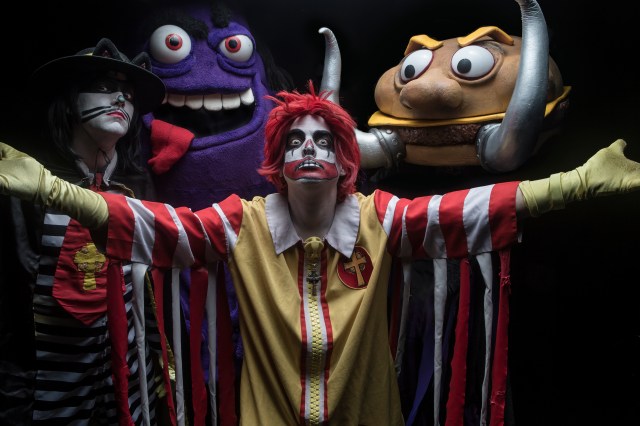
In the world of obscure subgenres of rock music, there’s likely only one act that can be described as “Drive-Thru Metal.” And that band is the grotesquely unique Mac Sabbath, the hard-rocking quartet of mutated fast food mascots composed of Ronald Osbourne, Slayer MacCheeze, Grimalice, and the Catburglar.

As the name might suggest, Mac Sabbath is a fusion of heavy metal songs (particularly Black Sabbath tunes, but they don’t rule out some of the other greats) redone with lyrics about food (particularly of the fast and cheap variety). It’s hilariously wild, heavily costumed, impressively entertaining, and walks a very strange, greasy line between performance art and hard rock in ways that rival the biggest four-letter names in that space (like KISS and GWAR, for instance).

On one hand, that combination is every bit as ridiculous as it sounds, but at the same time, simply referring to Mac Sabbath as a “parody” band almost doesn’t do them justice. The four mutants can rock as well as any non-fast-food-themed band out there, and arguably find ways to do some of the classic songs just as well, if not better than their original versions — just with ridiculous food-based lyrics.

Of course, seeing as they’re time-traveling mutants from another dimension (or something along those lines), they’re not exactly the easiest bunch to land an interview with. Thankfully, Hit Parader caught up with Mac Sabbath’s “manager,” Mike Odd (who’s definitely not also in the band) backstage for an entirely accurate interview (which is totally not full of in-universe jokes and stories, as per usual) about the band’s mysterious origins, their musical stylings, and much more.


Hit Parader: How did you get involved managing Mac Sabbath?
Mike Odd: Well, I got roped into it. I had an oddities museum in East Hollywood called the Rosemary’s Billygoat Odditorium, and they called me Mike Odd, because I’m a freaking weirdo. When you have a place like that, you put yourself into the world of strange, and you get all these calls. It’s always like ‘Oh, come out and see my two-headed otter skeleton in my shed’ and blah blah blah. So I get this call to come out to this burger place, and I’m like ‘Oh, it’s going to be a Virgin Mary toasted on a hamburger bun or something, and they’ll do an auction.’ Then I go out there, and they’re having this fight club in the middle of the night in the basement of this really large hamburger chain that the upper management does not know about. 

HP: Wait, what happened that evening at the basement fight club?
MO: Well, it was a lot of stuff I can’t talk about, but I’m there in the basement, and there’s this band playing these Black Sabbath riffs and screaming about Monsanto and GMOs — and the band is all these mutated fast food mascots. It’s just chaos. Then the band came up to me like ‘We want to be a real band and have you bring us above ground as our manager, because we saw that you had your own monster band [Rosemary’s Billygoat].’ They knew that I knew a couple of places in LA that I could put them, and they’re all talking about being time-travelers and crap. So I booked them this thing and shot a video of them as a goof, and then all of a sudden MTV picked it up, Black Sabbath posted it, and we went to England to play Download Festival with Kiss and Slipknot and Motley Crue. That was when I was like ‘I guess I have a new job that pays a little better than selling oddities.’

HP: Mac Sabbath feels like something that could only come to be among the weirdos of Los Angeles, and yet now it’s spread all over the world.
MO: Well, that’s where it got birthed, but they quickly shipped us off to England, which was very shocking to me. The word is getting out now, so the [non-weirdo] jerks will be there soon I guess. Already, we play some festivals that are way too big to be all weirdos. If there’s a big festival or we’re in a big city, there’s going to be a certain percentage of jerks even at Mac Sabbath shows. Sometimes we go places and I can’t believe how few jerks there are. The band will play to many thousands of people and seem very well-received — even if the stage is much further away from the weirdos than usual. I think we keep the jerks at bay.

HP: How difficult is it for Mac Sabbath to come up with all of these various food — and particularly fast food — references, while still fitting them into Black Sabbath and metal songs?
MO: That’s one of the things I’m always amazed by, because the original Black Sabbath only lasted like 10 years, and here we are in our 11th year. I just don’t even know how to feel about that, but it just keeps happening. They just come up to me like ‘This is our new song. It’s an Iron Mai-Denny’s song, and it’s about a fish sandwich.’ Then they told me it was called ‘The Grouper’ and I’m just like ‘How does this keep going? How much longer can this happen?’ It seems like they’re going to run out of foods sooner or later.

HP: With so much going on and the state of the world right now, it seems more important than ever for acts like Mac Sabbath to give some of the weirdos a little absurdity and levity. Is that something that goes into consideration for the band?
MO: I think it absolutely always has been 100% about that. It’s not all just jokes and good times though, because there’s a moment at the finale of the set where they actually close with a Black Sabbath song as a tribute to Ozzy. Things get a little serious at the end there, which freaks me out, because I’ve never seen that side of the band before.

Mac Sabbath appears in our “What Does Punk Mean To You?”
article in Issue #1 of Hit Parader:

Hit Parader #1: Yungblud Edition

October 2025 — $12.99

YUNGBLUD is bringing the rock star back to rock. At just 27, the British firebrand stunned 45,000 fans and the world at Ozzy Osbourne’s farewell show with a jaw-dropping, emotional cover of “Changes.” Critics and legends alike are calling it one of the greatest live performances of the past 25 years. In a genre starved…

Prolific by Design: A Conversation With James

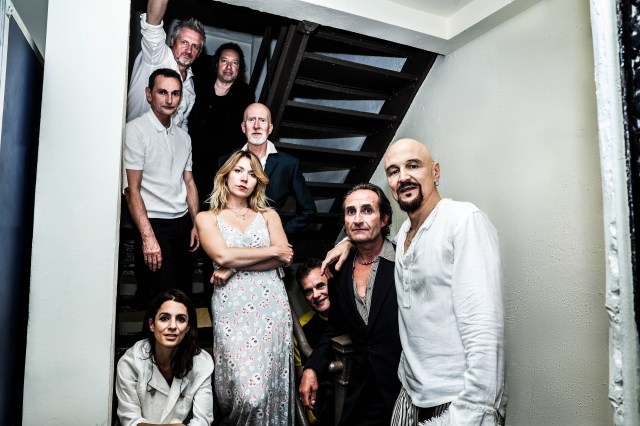
As a band with not one, but two massive platinum singles from the ‘90s, it would be perfectly understandable for James to just cash in on the nostalgia and fill venues with “Sit Down” and “Laid.”

Instead, they took about half of the 2000s off and returned with a mission to release a new album every couple of years that would rival their 20th century success. Roughly 400 songs across 18 albums later, the English indie rockers have reached a point where they can play for (nearly) any audience and put a uniquely catered set together every single night.

Hit Parader spoke with vocalist Tim Booth on his tour bus about the band’s prolific output and how they keep it interesting.


Hit Parader: Seeing as James has played at so many different festivals recently, what is it about the band that makes it fit in with so many different crowds?
Tim Booth: We don’t! Lollapalooza [1997] taught us that. We were opening for Korn, Tool, Snoop Dogg and Prodigy, and there was a lot of [homophobic] abuse coming our way. So we dressed up in mini dresses and sparkly, matching, pastel, mirrorball shirts, because we felt like “If they’re going to call us that, we may as well embody it.” But that was really the only tour where we struggled, and at the end of that tour, Korn said “You’re our favourite band! Will you come on tour with us across the States?” We went “Thanks, but we’re done with that.” It was very kind of them. But I think it’s because we’re good live, and we aren’t scared to go on at any time and win people over. We have 400 songs and 9 exceptionally talented multi-instrumental musicians, so we’re not afraid to adorn any stage. We quite like not being headliners.

HP: What’s helped James not just remain a band, but also be so prolific over the years?
TB: We went through some hell in the ‘90s with the usual clichés of addiction. I ended the band then because I thought someone would die. We came back in 2006, and virtually everyone’s been pretty clean since then. We worked out our psychological differences, and the last 6 years have been the most fun in our 44 years together. We stopped trying to be tortured artists and became a bit more of a love bomb. We still have the tortured artists in there, but I think we’re closer to Springsteen than indie music. We came a year and a half before The Smiths — although we have less difficult human beings to work with. Every band goes through shit, but we’re in an amazing place now. We’re still hungry. We had a No. 1 album last year and knocked Beyoncé off the charts in the UK. We still write all the time, and when we write, we will jam 120 pieces of music and then choose 15 for an album. Last album, we had so many left over that we put a second album out from demos that we didn’t develop.

Photo: Press Provided

HP: With that many songs, how do you decide which ones go on the album?
TB: Every song is improvised between the four of us, and that’s one of the most enjoyable parts. We hire a cottage in the middle of nowhere, jam for six days, and do that four times every two years to create a pool of music. Then we sift through it and work on which ones to develop into songs. Then we bring it to the band, and they contribute their parts. I don’t see people writing like that. I see one or two singer-songwriters, but this is four, and none of us control the process. I might try to drag the song one way, and then someone else will drag it another. We give each other permission to do that, and then we’ll vote in the end on what direction is better. Sometimes one of us gets upset, but it’s not a big upset. 

HP: How has the live show of James evolved with the additional members and hundreds of songs?
TB: We change the set every night, depending on who we’re playing to and what day of the week it is. We play safer with a festival audience, but we play a full two hours when we’re on tour. We do it our way, and that keeps it fresh. I can’t understand bands who play the same set every night. I don’t know what the guys are going to do each night. I don’t even choose the set list anymore, it’s all shared — and we may change it in the middle of a set. We may look at the audience and go “We’ve lost them, let’s pull them back in with some songs.” We pick a particular crew because the lighting man and sound man know that we might change the songs at any second, and they have to adjust — they can’t just press play on some computer programs and let it run throughout the whole gig, like most pop acts. It’s a living, breathing piece of communication dependent upon the mood of the audience, what’s going on in the world, what Trump’s done today, who got shot, which city is the National Guard invading and how far has the fascist takeover of America progressed.

HP: What drives James to keep cranking out new music instead of just relying on the nostalgia of your hits from the ‘90s?
TB: We’re turned on by difference. We’re turned on by the song we jammed that sounds like nothing we’ve ever done before. We’ll want to work on those songs and neglect the songs that come a little bit too easily. We’ll stop playing certain singles for years because they’re too easy. We like songs that take people on a journey, challenge people a bit more and give us room to improvise. We’ve always had to make music that could compete with anything we did in the ‘90s, and that’s why we make 120 songs and choose 15, so we can keep the standards really high. We have to accept that some of our audiences may slag us off because we don’t always play “Sit Down” or “Laid,” but when you’ve got 400 songs, there’s always going to be someone who didn’t get their favorite song.

James appears in our “What Does Punk Mean To You?”
article in Issue #1 of Hit Parader:

Hit Parader #1: Yungblud Edition

October 2025 — $12.99

YUNGBLUD is bringing the rock star back to rock. At just 27, the British firebrand stunned 45,000 fans and the world at Ozzy Osbourne’s farewell show with a jaw-dropping, emotional cover of “Changes.” Critics and legends alike are calling it one of the greatest live performances of the past 25 years. In a genre starved…

From CBGB to Everywhere: A Conversation With Helmet

Emerging as the alternative metal band from the ‘90s NYC scene, Helmet has always found its way as a unique icon of the hard rock world regardless of genre or other labels.

Across nine albums and countless tours, festivals and other massive shows, singer/guitarist Page Hamilton and his band have left a mark on anyone and everyone who was looking for something a little “different” in the rock world.

Hit Parader spoke with Hamilton backstage in Chicago to chat about the band’s history, legacy, and what’s next.


Photo: Press Provided

Hit Parader: After coming up in the New York City scene of the ‘90s, what’s it like to look back on that era now?
Page Hamilton: It was amazing. I think about interviews that John Stanier — my original drummer — and I had done, and people would ask us “Is there a scene in New York?” and we’d say “Nah.” But looking back now, it was an amazing scene. There were so many bands that were our brothers and sisters, like Surgery, the Honeymoon Killers, Das Damen and Skunk, and bands from all over New Jersey, New York and Connecticut would come in to play places like CBGB. We actually auditioned at CBGB. I went in there with a four-song demo tape when Louise Parnassus and Hilly Krisstal were just sitting there. I remember when Kim Deal or Frank Black would be in town and they would be hanging out at CBGB. There was another place called Max Fish where we ran into Gibby [Haynes] from Butthole Surfers one night with Scott [Weiland] from Stone Temple Pilots, who was opening for the Butthole Surfers. There was a great community in the Lower East Side and East Village at least. It was a fun time.

HP: Helmet has really floated between subgenres in the hard rock world for so long, what’s it like to play some of these giant festivals with such a wide range of acts?
PH: I love it. We’ve always felt like the awkward stepchild. We’ve played metal festivals with Motley Crue, Black Sabbath and Marilyn Manson, and we also played the Warped Tour when it was more emo and screamo bands like Thursday, Blink-182 and that whole world. I remember [Warped Tour leadership saying they were] standing in the crowd and seeing two 16-year-old boys watching us like “Wow, what is this? This is different but it’s amazing!” They didn’t know us at all, but they were into it. And I love bands like the Buzzcocks and the Sex Pistols and some of the punkier stuff. My old drummer hated it, but I fucking think they’re great songs.

Photo: Press Provided

HP: Having been in Helmet for 36 years now, how different does it feel at this point of your life as opposed to the early years?
PH: I feel very secure in my place in music as a singer, songwriter and guitar player now. I don’t have a guitar-shaped pool at my mansion in the hills or anything like that, but that was never my goal. My goal was to make music that I believed in and could be honest singing, and we still do that. My band has now been together with this current drummer for 20 years, and my bassist is the “new guy” for the last 15 years. I love them like little brothers. They were teenagers when Helmet came out. Being a rock star could last you two years, or — if you’re lucky — it could maybe last a lifetime. If you want to be a rock star, then don’t take any advice that I have for you, but if you want to be a musician that will never, ever, ever fade away, that’s what I want. You wake up and you play music. You play your guitar, you sing, you write songs. You do something because you have to be honest about it. I’ve always been honest about what I do. I’ve never wanted to be a rock star, I just wanted to be a musician. I’ve been so lucky to make a living doing what I love.

HP: Speaking of your songwriting, how different is that process for you now as opposed to three decades ago?
PH: I know so much more now, and I feel like when I sit down to write, I still have a lot of the same techniques. I always surround myself with books of poetry and everyone from Ezra Pound to E.E. Cummings and Sylvia Plath to William Butler Yeats. I still open books and read a line to get an idea from that or from personal experience. A lot of stuff from TV commercials and the consumer culture that we are part of as capitalists always inspires me to write some stuff. I’m also more confident in my singing now than I was back then. Back then I had two styles, I could sing in this range of about an octave and I could scream and belt out stuff really hard. Now, I feel like I have more like a three-octave range. I found my zone as a baritone. I know that and I love it. It’s still about developing a musical idea, not just stringing a bunch of riffs together.

HP: What’s it like to play with these major artists who were inspired by you?
PH: It’s cool. I’m totally honored and flattered that I’ve gotten to hear Chino [Moreno, from Deftones] say “These lyrics inspired me” or Dimebag [Darrell] from Pantera say “I told you that you’d influence me,”  or Serj [Tankian] from System of a Down say his brother and he were huge fans and we had a big impact on them. It makes you feel like you’re doing something right.

After 36 years, what’s left for Helmet to do?
PH: I don’t know. We put out an album, Left, about two years ago, so maybe we’ll do another album. We’ll definitely continue to tour, but a lot less intensely than we did back then. I have other musical projects that I need to do, and I like being home with my girlfriend now. I don’t want to tour for 18 months at a time anymore now that I’m old enough to be on Medicare.

Helmet appears in our “What Does Punk Mean To You?”
article in Issue #1 of Hit Parader:

Hit Parader #1: Yungblud Edition

October 2025 — $12.99

YUNGBLUD is bringing the rock star back to rock. At just 27, the British firebrand stunned 45,000 fans and the world at Ozzy Osbourne’s farewell show with a jaw-dropping, emotional cover of “Changes.” Critics and legends alike are calling it one of the greatest live performances of the past 25 years. In a genre starved…

Back on His Own Terms: A Conversation With Cobra Starship

Just a few short years ago, Gabe Saporta was happy working on the industry side of things by leading the unique TAG Music label. After all, even while his projects like Midtown and Cobra Starship were in full swing, he still enjoyed managing bands and exploring other roles in the music industry.

But while TAG is still his day job, it’s far from the only focus for the East Coaster-turned-Angeleno these days. With both of his bands reuniting (Midtown in 2022 and Cobra Starship in 2024) for the occasional short tour, major festival stage or other one-off opportunity, Saporta’s already spending more time onstage in his 40s than he did during the entire decade prior.

Combine all of his musical endeavors with his recent efforts to revolutionize men’s skincare with his Brotege line, and Saporta can frequently be considered among the busiest guys in the business.

Hit Parader caught up with the towering frontman and mogul backstage to chat about the music, skincare, and everything in between.


Photo: Press Provided

Hit Parader: After taking a decade off, what’s it been like to get back to performing with not one, but two bands?
Gabe Saporta: It’s been a lot — I’m not going to lie — especially because we’re not a fully operational thing. We’re not really touring. I’m not doing it full time. I’m still running my label. I just launched Brotege. So every time we do one of these shows, we’re revving the engine from zero. That can be a little bit daunting, but I’m also so grateful for the way we get to do it. One of the reasons why I stopped touring is because I wanted to have a family, and I don’t want to sacrifice my ability to do that for music. I did music for 15 years of my life, touring 10 months out of the year, almost every year. I didn’t want to have kids and then be away from them for that long, so I love the way that I get to do it now. I feel very grateful that we get to play these big festivals and get good slots. One of the things that touched me the most is how many young people I see out there. What gives a band longevity is having a new generation of kids coming in, and I see a lot of that with Cobra. I’m very excited about that and just thankful to everyone who’s listening.

HP: And with the bands being very different from each other — Midtown being more punk and Cobra being more pop…
GS: I was actually just talking about this before, but I just came across a Cobra fan — or maybe a Midtown fan, I don’t know — on TikTok, and she had a hot take about that. I don’t know if I agree with it, but she said that Cobra Starship is more punk rock than Midtown. Her thinking was that with Midtown, the lyrical content was very much part of the emo/post-hardcore emotional thing. It was always talking about relationships, the inner war, the struggles — everything on a very personal level. Whereas she said that Cobra Starship had a lot of societal critique in it, and that’s actually more of an attribute of punk rock than the personal lyrics Midtown had. (1:30) I don’t know if I agree with that, but I thought that was a hot take.

Photo: Bella Peterson

HP: …How are you going to balance the two going forward?
GS: I’m going to try to alternate years with them. We’re only doing Cobra this year, because there happens to be a lot of shows. I didn’t plan it this way, but we did Warped Tour, Riot Fest, and an Australia festival that unfortunately got in the way of a Midtown show I was planning to do. It’s really hard to schedule both, so if I can do one band one year, one the other year, that’s great. The goal for Midtown is to be able to at least do a great hometown show once a year. Cobra is obviously my bigger project, but Midtown was the project during my formative years as a high school kid, so it’s like your friends you make when you’re in high school. I don’t go to my high school reunion, I do Midtown shows to see all my friends again.

HP: How did it feel to come back — particularly with Cobra Starship — to bigger crowds than you played to the first time?
GS: Well, the last Cobra tour was opening for Justin Bieber in stadiums, so technically we played to 80,000 people in Chile, but there are more Cobra fans now. I think that’s the craziest part. Like at Warped Tour, they don’t tell you when you’re going to play or what stage you’re going to be on ahead of time, and we were literally the last band on Sunday. That could have been a death sentence for us. I was nervous about that, because I thought “Fuck, are people really going to stick around to see us? People are going to leave.” It was Ronnie Radke [with Falling in Reverse] and us as the last two bands when people are tired after a long weekend. But it was packed as far as the eye could see, and I was just so floored. It was just packed. (6:42) As far as the eye could see. I felt very lucky to have done that show and see all those people. Not only do people still give a shit about our music 10 years later, but it’s more people than ever. That’s probably the most rewarding thing any artist can hope for.

HP: Switching gears, what’s it been like to venture into skincare with Brotege?
GS: It’s been awesome, because it happened so organically. I had so many friends where once we got into our 30s, a lot of dudes start noticing that they’re getting older. There are tons of men’s products out there, but one is more confusing and expensive than the next, no one explains any of it, and it’s not really made in a way that’s talking to normal dudes. You have to be like a skincare sommelier to do it – even the word skincare makes me cringe. I felt like there was a real opportunity there, because people want to connect to brands that are coming from people like them. In the world we live in now, everything has become more democratized and niche-ified in a way, so you can really get something running pretty quickly. If you have that DIY ethos from the punk rock world, that’s also a quality you need to be an entrepreneur. And for me, it’s about more than the product. I want to build a community around Brotege to help dudes that don’t know what to do or where to start — and I want to do it in a fun way, so it doesn’t feel didactic and annoying.

Cobra Starship appears in our “What Does Punk Mean To You?”
article in Issue #1 of Hit Parader:

Hit Parader #1: Yungblud Edition

October 2025 — $12.99

YUNGBLUD is bringing the rock star back to rock. At just 27, the British firebrand stunned 45,000 fans and the world at Ozzy Osbourne’s farewell show with a jaw-dropping, emotional cover of “Changes.” Critics and legends alike are calling it one of the greatest live performances of the past 25 years. In a genre starved…

Generations of Dissent: A Conversation With Bad Religion

Bad Religion has been synonymous with punk rock for more than four decades now, yet the Los Angeles legends are still in pursuit of their perfect album.

With 17 albums across 37 years, most of the band’s supporters would say that at one point or another, the genre’s most thoughtful group hit perfection at least once or twice, but it’s the constant striving for greatness that has kept them together and relevant all these years later. 

Hit Parader caught up with founding bassist Jay Bentley and drummer Jamie Miller backstage to chat about the band’s legacy, logo, and goals for the future.


Photo: Jim Wright

Hit Parader: What is it about punk rock that makes it so multi-generational, where bands that you looked up to can play on the same shows as bands that look up to you?
Jay Bentley: Isn’t that how it’s supposed to be? That’s what a music scene should develop into. The most surprising part to me is the viability of this music as mainstream, which up until the ‘90s didn’t exist. Whether it was the advent of MTV or the success of Nirvana or the Vans Warped Tour, those things brought this culture out into the light and validated a lot of bands who had more to offer artistically than just a rock ‘n’ roll ethereal lifestyle with smoke and clouds and drugs. This is more attuned to folk music, and folk music hasn’t gone anywhere for hundreds of years. It’s just as valid as it’s ever been. Philosophically, the music isn’t just offering teen angst, but a direction for your teen angst that we could all sort of touch — which set everyone apart from the untouchable rock ‘n’ roll thing that other bands were offering.

Jamie Miller: Bands are like bugs. They’re not supposed to have a long lifespan. Generations before us, bands started that loved the Beatles, but they never got to play with or see the Beatles. Being a band that’s been around that long, maybe we were like the Beatles to one of these new bands, and now we get to see what we inspire and they get to see us.

Photo: Press Provided

HP: What do you think has kept Bad Religion not just together but relevant at the forefront of the scene for so long?
Bentley: Tenacity times naivety. We’re too stupid to quit. I refuse to quit, and you can’t make us stop. We’ll go when we damn well feel like it.

Miller: That, and there’s never a shortage of things to write about. The punk thing is sort of a generational lifestyle thing, too. You get your skateboard at 13, your Black Flag shirt, your Bad Religion patch, and you’re a punker now. It becomes a thing and it just keeps perpetuating, which is amazing.

Bentley: It’s the logo. The entire intention of the logo was to piss off our parents. We didn’t have an audience. We just had our parents going “Will you shut up?” Brett [Gurewitz] still says he drew it as a joke, and now we’re stuck with it forever. It worked out unintentionally.

HP: It feels like a lot of things for Bad Religion have just worked out unintentionally for decades now.
Bentley: Everything that’s worked out for us, has worked out unintentionally. When Jamie came into the band, he was the right tool for the job. When Brian [Baker] came into the band, he was the right tool for the job. You mesh with people in ways that are so much deeper than just musical, and those are the things that keep the band relevant. We’re moving forward by being like-minded. We don’t have irreconcilable differences. We had those in 1983 — and again in 1994 — but that difference was our immaturity in dealing with success. We just couldn’t deal with all of these things happening, so we went our separate ways, came back together and said
“We’re not doing that again.”

Photo: Press Provided

HP: Speaking of meshing with each other, what’s it like working and creating new music with the same people all these years later?
Bentley: It’s like playing poker with your friends on Wednesday night or going bowling with the guys in a league.

Miller: Bad Religion is really just our bowling league. That’s really all it is.

Bentley: The logo looks great on a bowling ball, by the way. But that cool hang is what keeps it fun, and we all want to pursue the next great thing. People ask us “What’s the best record you’ve ever made?” and hopefully, it’s the next one. Otherwise, what’s the point of making it? We all have that same philosophy. It doesn’t matter what we did in the past. If we make another record, it better be the best fucking record we’ve ever made. 

HP: With such a huge discography and so many classic songs across different albums, how do you go about putting together a set list?
Bentley: It’s intimidating and liberating at the same time, because having all of those choices is really just a freedom that most bands will never understand. I’ve got 400 songs to choose from, and it scares the hell out of these guys when I show up with a set list.

Miller: I think there’s only been one time where he wrote a set list and I was like “I don’t even know what that song is. We’ve never practiced this!” He goes “It’s this song, you’ll figure it out. Just play a punk beat and there’s a 50-50 chance it’ll be right.” 

Bentley: That’s pretty much it for every song. It’s 50-50 that we’re all going to start on the same note, but I guarantee you by the time we get to the chorus, we’re all playing the song.

HP: All these years later, is there anything left that you want to do with Bad Religion?
Miller: We want to win “Best New Artist” for the Grammys after 45 years. There’s still a chance. There’s no rule that says we can’t.

Bentley: That’s my goal. We should win “Best New Artist” and get a “Lifetime Achievement” award on the same night.

Miller: Then we put out an instrumental song and go for “Best Instrumental Band” to sweep the Grammys.

Bad Religion appears in our “What Does Punk Mean To You?”
article in Issue #1 of Hit Parader:

Hit Parader #1: Yungblud Edition

October 2025 — $12.99

YUNGBLUD is bringing the rock star back to rock. At just 27, the British firebrand stunned 45,000 fans and the world at Ozzy Osbourne’s farewell show with a jaw-dropping, emotional cover of “Changes.” Critics and legends alike are calling it one of the greatest live performances of the past 25 years. In a genre starved…

Nothing Left to Prove: A Conversation With the Bouncing Souls

Since forming in 1989, the Bouncing Souls have been unapologetically doing things their own way.

The Jersey punks — centered around vocalist Greg Attonito, guitarist Pete Steinkopf, and bassist Bryan Kienlen — have released a dozen albums (including a handful that frequently end up on “Best of” lists) and toured the world for the vast majority of the last 35 years. And even as the music industry has shifted, the veterans have found their diehard fanbase and DIY approach relatively unscathed by changes that have sunk many lesser bands.

Hit Parader spoke with the three founding members about their iconic albums and finding the right balance.


Photo: Alex Ilyadis

Hit Parader: As a band that does a lot of album plays of different albums, how do you go about learning basically every song you’ve ever done over again?
Pete Steinkopf: A while ago, we did a run where we did eight records in eight cities — two per night for four nights. By the end of that, you could just name a song and it would be like “Boom, done.” It was a good feeling, but to keep that up would be insane.

Bryan Kienlen: We got to the point where we could play any song, so right after that, we had a festival in our hometown where we bought a bingo machine with the little ping pong balls. We wrote song names on every ball, and we had a guy on the side of the stage get a ball and show it to us between every song. That was the whole show for three days. 

Greg Attonito: It was a band game show. He would pick it, write it on a dry erase board and show it to the crowd. We didn’t know what was coming. The song before it would end, he would show us, and we’d be like “1, 2, 3, 4.” It was super fun, but you can’t do that unless you know all your songs.

Kienlen: There are a lot of people who have favorite songs that never get played. I know I do from other bands, and it’s really special to see them play it, so we’ll probably keep doing it.

HP: How different is it playing shows and making music now compared to when you were just starting?
Attonito: Your perspective on the world and life is so different. As a kid, everything’s way too important. You’re driven in a different way. Now, we’re just really grateful for every day. I know what 55 years looks like, and I know the preciousness of life. You can’t know that when you’re 25. Being able to do this now, it’s so special. 

Kienlen: Grateful is the perfect word. We didn’t expect to be here at 55, but since we’re still here, I’m so glad that we have this band. It’s still my rock.

Attonito: We go around the world and see 40-somethings bringing their teenage kids out. The impact is just “Wow!” This is all the gold at the end of the rainbow.

Photo: Alex Ilyadis

HP: The Bouncing Souls never had a single big hit, but instead a bunch of beloved songs spread across multiple albums. How do you build a setlist from that?
Attonito: A lot of comedy, actually.

Kienlen: Sometimes it can take two hours, and then we end up writing the same set list.

Steinkopf: We’re like “Let’s do something totally different than we’ve ever done!” and then we spend hours going in circles. By the end of it, we’re like “That looks just like the set list we played last year…” That’s what happens, man. We do it to ourselves.

Kienlen: There are like 10 or 15 songs that we have to play. They’re staple songs. Then we try to fill in the blanks, and those end up being all the same songs. 

Steinkopf: And then it starts the conversation of “Are there staple songs we have to play?” You can argue about that all day long. 

HP: In addition to the staple songs, you’re still putting out new material. How different is it to put out an album at this point versus a decade or three ago?
Attonito: I used to think I knew a little something about the music industry, but now I know I have no fucking idea anymore. We’re just doing what we’re doing, and I’m grateful that people are interested in putting out our records and listening to our music.

Kienlen: We’ve stopped banging our heads against the wall, where we would sit in a room together like “We’ve got to write these songs!” Now we just let it happen, and we’ve been writing a lot more in the studio. We take our time, and there’s no rush. We have enough fucking songs already, so if we’re doing another one, it’s got to be good. So we just spend more time to make sure that every one of them is good.

Steinkopf: Everything just flows so much more now.

Attonito: Creatively, we’re free of having agendas with writing certain types of songs, and that’s what makes it super fun. When it’s done, we put it out into the world and move on to the next one. We barely think about it beyond that. The industry has changed a lot, but we just get back on the road and play what we like. Our audience is amazing, and we’re able to still get out there and do the same thing every night.

Steinkopf: It’s nice not giving a shit or trying to control any of it.

HP: How do you balance the band with everyone’s other adult responsibilities these days?
Kienlen: We figured out that we can tour in our own way. We never go away for more than 10 days. Sometimes on paper it looks like a lot, but it’s not really because it’s spread out. 

Attonito: We still do 40-50 shows a year, but compared to the past, we were doing 9 months a year for 10 years. Towards the end of that time, we started to really get burned out, so starting to do other things made me a better Bouncing Soul. We need to do other stuff and have a life, and then when we come back, we’re refreshed. It’s pretty simple math.

Bouncing Souls appears in our “What Does Punk Mean To You?”
article in Issue #1 of Hit Parader:

Hit Parader #1: Yungblud Edition

October 2025 — $12.99

YUNGBLUD is bringing the rock star back to rock. At just 27, the British firebrand stunned 45,000 fans and the world at Ozzy Osbourne’s farewell show with a jaw-dropping, emotional cover of “Changes.” Critics and legends alike are calling it one of the greatest live performances of the past 25 years. In a genre starved…

Still Swinging: A Conversation With The Wonder Years

While so many bands from the late 2000s and early 2010s have left their mark on the younger bands of today, few have been as directly influential as the Wonder Years.

Rather than just being a musical inspiration, vocalist Dan Campbell and the rest of the alternative band have established themselves as the veteran band supporting the youth movement. From helping emerging bands break through via opening slots on major tours to answering questions and offering advice about the industry for anyone who needs it, the Wonder Years have found themselves partially responsible for the success of more than a few emo, pop-punk, and other alternative bands today.

Of course, that’s not to say that the Pennsylvania natives are slowing on their own career at all, as many consider 2022’s The Hum Goes on Forever to be among their best work.

Hit Parader caught up with Campbell backstage to chat about the band’s impact on the next generation, unique fanbase, and more.


Photo: Kelly Mason

Hit Parader: The Wonder Years has really established itself as a band that supports the younger generation of artists. What made you take on that responsibility?
Dan Campbell: The way we look at our role in music right now is that we’re trying to put people on. The thing I’m proudest of for the Wonder Years is the fan base that we’ve curated and cultivated. The people that come to the shows are so kind and wonderful. They’re so thoughtful and forward-thinking, progressive and empathetic and fucking everything. So when bands come out to support us, they end up walking away with fans, because our fans want to listen and hear more art. We just try to make sure we’re putting people on. If we can give a leg up to a young band, we give them a chance. A lot of these kids call me “uncle,” which is funny, but also these kids — like Ryland [Heagy] from Origami Angel or Nathan [Hardy] from Microwave — hit me up like “Yo, how do we do taxes as a band?” I look at myself as a resource for younger bands, and I look at our role as trying to help shape the future of the genre through the people we help bring into it and give spotlight to.

HP: Speaking of genre, it feels like the Wonder Years appeals to everyone from the indie and emo kids to punk and hardcore fans. What do you think the key is to crossing those genre lines?
DC: I think the uniting thing behind our fan base isn’t genre, it’s ideology. It’s the way that people look at the world more than anything. All sorts of people come to the shows. I love the Mountain Goats so much and talk about it so much that we have a bunch of Mountain Goats fans that come to shows now. I was doing Aaron West [and the Roaring Twenties, Campbell’s other musical project] shows earlier this year, and the crowd was everyone from 17-year-old crustpunks in spiked jackets to double dates of couples in their late 50s or early 60s who came straight from work.

Photo: Kelly Mason

HP: How do you balance the nostalgia factor for playing classic Wonder Years songs with the urge to focus on newer material?
DC: It’s a fucking privilege to be a band so long that you can drop a new record and have your fans receive it as your best work to date, and then do a 10-year anniversary tour for a record that people say changed their lives. Having the option to flip back and do acoustic versions of songs and tour with a string section is a privilege.

HP: How different is it to put out a record these days as opposed to back in the 2000s?
DC: It’s exactly the same for me. The goal is to write songs that reshape the genre. I say this with the amount of humility you can say this with, and I know that’s not possible every time out, but I believe every band should put out a record that they think is the best record the genre has ever seen. You should be trying to raise the bar album over album. That’s my fucking goal. We always want to write a record that makes people think about the genre differently and expands what it can be. I want to write songs that people say, “That is my favorite song I’ve heard in my whole fucking life. That is a song I’m going to tattoo on my body forever.” That’s always been the goal, and nothing has ever changed about that.

HP: Are there any Wonder Years tattoos that stand out to you? 
DC: The ones that stand out the most are the people that have my face on them, because it just feels so fucking crazy to have a portrait of me on your body forever. That’s hard for me to comprehend, because that’s not the way that I look at myself. Most of the time, the lens through which I view myself is “Wyatt and Jack’s dad.” I’m at school drop-off. I’m coaching the baseball team. Then you go play a show, and someone’s like “Look, I have your face on my arm!” You’re like “What the fuck?! Did I just jump universes?”

HP: Do you have any goals left to accomplish with the Wonder Years?
DC: We have some bucket list venues. I’d love to do Red Rocks. I’d love to get a chance to play Madison Square Garden. I’d love to play anywhere in Africa, because it’s the only continent we haven’t played. I’d love to play Indonesia because it’s one of our highest listenerships, and we haven’t been able to make it there. And I want one song to go gold. A lot of bands recently have had viral moments that helped their songs go gold, and we aren’t really a band that does that on social media, but “Came Out Swinging” is not that far away. Everyone should listen to it 100 times while they sleep.

The Wonder Years appears in our “What Does Punk Mean To You?”
article in Issue #1 of Hit Parader:

Hit Parader #1: Yungblud Edition

October 2025 — $12.99

YUNGBLUD is bringing the rock star back to rock. At just 27, the British firebrand stunned 45,000 fans and the world at Ozzy Osbourne’s farewell show with a jaw-dropping, emotional cover of “Changes.” Critics and legends alike are calling it one of the greatest live performances of the past 25 years. In a genre starved…

From Gorillaz to Dorian Electra Here are our Top Songs of January 2026

January kicked the year into motion with a wave of strong releases. These are the tracks — big, bold, and unexpected — that rose above the rest, from a new Gorillaz collaboration where multiple features click seamlessly, to a Father John Misty song pulled from the vault, the return of Dorian Electra, and a punishing cut from Converge’s forthcoming record.


01:

Gorillaz – Damascus ft. Omar Souleyman & Yasiin Bey

Decades in, Damon continues to push the creative boundaries with Gorillaz. While admittedly, this feels more like an Omar Souleyman track than it does a Gorillaz track, it’s the creative trio of Damon, Omar, and Yasiin that just meshes together so well to make this one of the best tracks of all three artists. If you’re uninitiated to Omar, he’s a Syrian singer who first began singing at weddings and has come to fame with his modern form of traditional dabke. Take Yasiin Bey’s (formerly Mos Def) signature flow, with Souleyman’s dabke, and Damon’s production… yeah. This is sick.


02:

Viagra Boys – Therapy II

Hailing from the extended edition of one of 2025’s best records, this opening cut from disc two touches on therapy in a comedic way: “Was he drinking, or was he smoking on the PCP? Do they still make that? Yeah, man, they give it out in therapy.” The instrumental evokes DEVO and Talking Heads, while frontman Sebastian Murphy delivers his vocal run with that heavy rasp we love. Killer track continuing a generational run for the Boys.


03:

Father John Misty – The Old Law

Originally known as “God’s Trash” and played live previously as such, “The Old Law” evokes a cross between certain eras of The Beatles and Elliot Smith. Paired with two other singles from 2024’s ultra-solid Mahashmashana, “Josh Tillman and the Accidental Dose” and “I Guess Time Just Makes Fools of Us All”, the new(ish) single is a welcomed holdover for us fans while we sit patiently and wait for a new LP, EP, or just whatever Mr. Tillman wants to offer up.


04:

Dorian Electra – Fake Denim

Our lord has returned. Dorian Electra is back with this new sleazy track, evoking the best of Dorian and collaborator Boys Noize production and mixing it with The Strokes, Yeah Yeah Yeahs, and other indie acts. This cut was originally teased all the back on the Fanfare tour cycle in 2024, so we’re happy it’s finally released. Not to mention, we’re 100% here for this direction and hoping this means Electra 4 is on the horizon.


05:

Mandy, Indiana – Cursive

Really loving this one. Second single from their new album URGH (out on Wednesday), this one continues the dark industrial vibes they kill at, and throws in a jungle beat for good measure. While we might have no clue what vocalist Valentine Caulfield is saying (French), that’s the way we like it. Pairing the song with the below fisheye lens music video is a win-win. Don’t sleep on the new Mandy, Indiana album.


06:

Motionless In White – Afraid of the Dark

Now that’s a way to return. I’m not one of the people who will ever say a band needs to return to the sound of the first records that got them their base. I love it when bands experiment and push the boundaries of their sound. But Motionless had their fair share of “fans” who clamored for that old sound after the band produced the highly successful “Octane-core” albums Graveyard Shift, Disguise, and Scoring the End of the World. So cue the band returning with this fresh single that hits with blast beats right out of the gates alongside vocalist Chris Motionless’ signature yells. Combine the best of old and the best of the aforementioned trio of albums, and you get this track. I’m sure there will still be something for someone to complain about, but for what it’s worth, this track is solid.


07:

Fcukers – L.U.C.K.Y.

The third single from the duo’s upcoming record Ö (out March 27th on Ninja Tune), this one features production from two industry giants, Kenneth Blume (formerly Kenny Beats) and Dillon Brady. It continues the house vibes of single I Like It Like That and pairs it with a music video that quite possibly could be their most expensive to date. I say that while being certain it costs no more than a few grand to shoot. Their previous videos were probably shot on a Nintendo DS camera with either a green screen or on-site somewhere. Anyways, if it sounds like I’m being negative, I’m not. This is Fcukers, and they’re amazing. We’re L.U.C.K.Y. to have them.


08:

hemlocke springs – w-w-w-w-w

Prince, is that you? Geeze, hemlocke springs delivers again with this massive, funky cut. The third single from her new album, and spoiler alert, all three have been solid. The production, her vocal delivery, we could go on, but instead we’ll tell you that the apple tree under the sea, is available February 13th on AWAL.


09:

Converge – We Were Never The Same

The second single from the band’s new record Love Is Not Enough (due out February 13th on Epitaph), this one continues the ferocious riffs, pounding drums, and catchy melodies of the first single. The production in general is just incredible, the bass tone, Jacob’s vocals, I don’t know, man… Converge just hits the same in 2026 as it did in 2000. And that’s a damn good thing.


10:

underscores – Do It (Yves Remix)

Might be cheating a bit here since “Do It” was released late in 2025, but this new Yves remix from last week freshens up the track and gives it another much-deserved spotlight. While I’m a huge fan of everything underscores has released, especially 2023’s much-talked-about Wallsocket, I’m really loving this new synth-pop direction she’s been heading. Whether it’s the new direction or just another one-off track, the original “Do It” and this remix by Yves are definitely in our favorites.

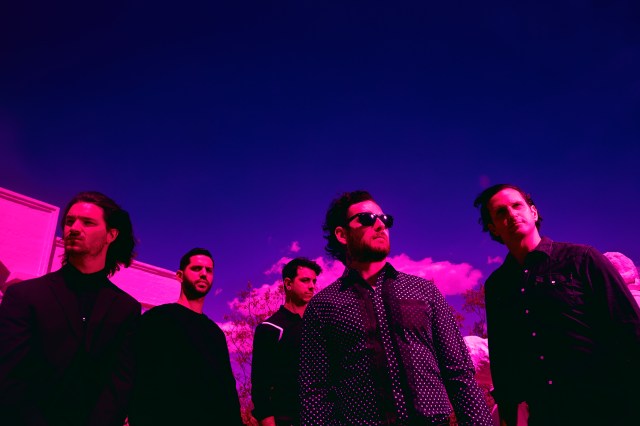
Just the Five of Us: A Conversation with The Paper Kites

After 15 years together, The Paper Kites are still finding new ways to let their songs breathe. This past year took the Melbourne five-piece farther than ever before, from first-ever shows in India to festival stages across Europe and North America, all while quietly finishing a new album shaped by space, patience, and trust. Written largely on a friend’s farm in Victoria’s Yarra Valley and recorded with a renewed focus on just the core lineup, the new record feels less like a reinvention than a reaffirmation. In this conversation with Hit Parader, guitarist David Powys reflects on a year of movement, the power of restraint, and why, even now, there’s still something a little magical about just the five of them in a room together.

Read the full interview with The Paper Kites in issue #3 of Hit Parader below:

Hit Parader #3: Zedd Edition

February 2026 — $12.99

In this issue of Hit Parader, Grammy-winning producer Zedd reflects on Telos, his most introspective release to date, and his decision to step away from algorithm-driven expectations to create a record meant for deep listening rather than passive consumption. Made for himself first, Telos emerges as a statement of creative autonomy rooted in vulnerability, balance, and long-term intention, even…

Photo: Tim Harris

HP: Tell me about your year so far. 

David:  We’ve been touring a bunch. We had our first tour in a new part of Asia earlier in the year. Our first time in India, which is really exciting. We did a short tour in Asia. Thailand and the Philippines. Then we’ve done a few other tours. We toured with Stephen Sanchez in North America, and we also just came home a few weeks ago from a tour where we did some dates with The Teskey Brothers and did a few festivals like Bourbon and Beyond, and we also did a few headline shows through that run as well. But most importantly, we finished recording, mixing, and mastering for the new album. It’s going to be out in January. So it’s been a pretty mixed bag this year. Next year it will be back to regular programming with headline touring. It’s been nice to mix it up and do a whole bunch of different things. 

HP: It’s got to be cool to see your music connecting with so many people across the globe. Has there been a stop on any tours recently or in the past where the crowd reaction has really just shocked you in terms of how involved it is?

D: Yeah, I mean, being in India was pretty special, being somewhere we’ve never been before, working with promoters for the first time over there. Seeing the global reach of music from an Australian band, I mean, for anyone, is pretty interesting. I think it’s all thanks to, I guess, the globalization of the streaming industry and the accessibility to music and art. It’s given us at least a way to connect with fans all over the place. The other standout for us was the mid-year tour we did. It was just a short tour, a few festivals, and a few headlines, and that saw us in Canada, mostly doing some summer festivals and folk festivals. Then we also flew over to the UK and Europe for a couple of shows. So in our winter, their summer, we played at Somerset House in London. That was on the 16th of July and was a real standout for us. London is one of those cities that constantly surprises us with support. So playing at Somerset House was a huge court surrounded by these old buildings, and it’s an Outdoor Show. So to fill that space was really special, and that felt quite momentous for us.

Photo: Tim Harris

HP:  The majority of the record was written on your friend’s farm in the Yarra Valley. Did the space and isolation influence the tone, lyrics, or songs on the new record? 

D: I think so. We’ve released three songs from the album already. “When The Lavender Blooms” was first. Even that song/title paints the picture of the area of Victoria. The video for that was filmed at the farm as well. A lot of the visuals, aesthetics, and even some song titles/content lean pretty heavily on that area. The farm where we rehearse has a lot of open space outside the building. So we rehearse in an old shed. We’ve set up in the storage area of the big shed. It’s quite a big space. It’s pretty rustic and dusty. We’ve been rehearsing and writing there for some time now. It came through on Roadhouse. We wrote a lot of that music there as well. We didn’t go away or seclude ourselves from our families for this album. We were writing and recording this album in parallel with our daily lives. The album really feels like a part of us. I would say the farm definitely reflects how the songs were arranged and written. It does get pretty cold in the winter, but a lot of writing was done in the warmer months early in the year. It came together really, really naturally. It reflects a lot of us as people and as a band who’ve been playing together for 15 years.  

HP: All of this was with the roots of the five-piece band, which you guys stripped back and described as a coming home of sorts in a past interview. How did that shift the dynamic in songwriting or the studio sessions as a whole? 

D:  Off the back of At the Roadhouse, we had three extra players join the band, who became The Paper Kites and the Roadhouse band for almost two years.  Both rehearsals, recording, and subsequent touring for that record, we became an eight-piece band, which was really fun. We all learned to lean on and leave space for each other in that way. Coming back to playing as five felt really naked at first. We all felt really exposed. So we had to learn to fill the space a little bit more and bring more of ourselves into the songwriting space. It took a little bit of getting used to after two years of tour and an eight-piece. It felt a lot easier to take a breath. There’s more space to explore, and it was really to get back in touch with that part of ourselves as a five-piece. Being able to fill those spaces ourselves and believe again that we can do that as a five-piece. There was almost a feeling of like, “Well, are we going to be able to do this just the five of us again?” We enjoyed playing as an eight-piece so much. It got a little bit of it.  It took a little bit of getting used to. Once we started arranging the songs, a song like “Shake Off the Rain” was a really good example of that. It’s really quite bare-bones, and that comes down to songwriting. You can make a song sound good with barely anything if you have to. That’s probably my favorite song off of the record. It feels like a really clear reflection of just the five of us playing a good song together. Everyone adds a bit of their own secret sauce, and it came out really nice. 

HP:You stated in another interview, “When i listened to the album, it felt like an honest reflection of who we are as people and as musicians. Is there a track on this record that you think best encapsulates a specific time period for you guys? 

D: When I say it’s an honest reflection of who we are as a band right now, of course, that includes where we’ve been and the experiences we shared. What I like about this album is that it shows the light and shade of what we do as a band. Both in the sunnier tunes and the darker or moodier songs as well. There’s a really nice balance of light and shade on this album. There are a few things we tried for the first time, like “Deep (In the Plans We Made).” That is just Sam, Christina, and me with one guitar singing live around a microphone. That’s something we do a lot at our live shows. We’ve done it tons of times over the years, but we’ve never recorded a track for an album like that. It was kind of scary, but it felt like the only way to do that song correctly.  That track is a landmark moment for us. It shows all the imperfections of our voices and our timing, but also captures a specific moment in time where we all were in one room and sang together like that. We can never recreate that, even if we tried. I mean, we’ll give it our best shot at the live shows. There were a few moments on the album that felt like it’s just the five of us playing live in one room. That’s something we wouldn’t have done in the early days — way more overdubs. This is the first time we’ve tried a lot of things and really believed that, “Hey, let’s just do this; we can do this.” We’ve been doing it a long time and just backing ourselves to give it a go. A lot of the songs are not the 10th or 11th take. It’s a third or fourth take. We’ll do five, six, maybe seven takes, but we’ll always come back to the third or fourth, where the magic happened. That was really satisfying to be a part of that and be reminded that “Okay, just the five of us.” It feels like, after 15 years, there’s still a lot of magic that happens in the studio together. I think we are all satisfied with how that sounds in each of the songs. 

Photo: Tim Harris

HP: If a fan were to just discover your music with the new record, what song would you want them to hear first, and why? 

D: I want to say, “Shake Off the Rain.” It’s the third single. It’s my favorite, so I’m kind of biased, but I think that song had both light and shade within it. For me, it’s the melody. I think Sam’s melody is so beautiful in that song. In some ways, it’s a little bit of new ground for us, but it’s also the classic part, melody and harmony, that we’ve always done really well. I think the other one would probably be that people tend to like our sad songs. So, generally, if someone is being introduced to our band, it’s usually a sad song that they hear first. I think “Strongly in Your Arms” is a pretty good flag bearer for us as well. That’s got banjo in that as well and some folk arrangements. Some of those early acoustic and folk tunes are still doing well for our fans. 

Read the full interview with The Paper Kites in issue #3 of Hit Parader below:

Hit Parader #3: Zedd Edition

February 2026 — $12.99

In this issue of Hit Parader, Grammy-winning producer Zedd reflects on Telos, his most introspective release to date, and his decision to step away from algorithm-driven expectations to create a record meant for deep listening rather than passive consumption. Made for himself first, Telos emerges as a statement of creative autonomy rooted in vulnerability, balance, and long-term intention, even…