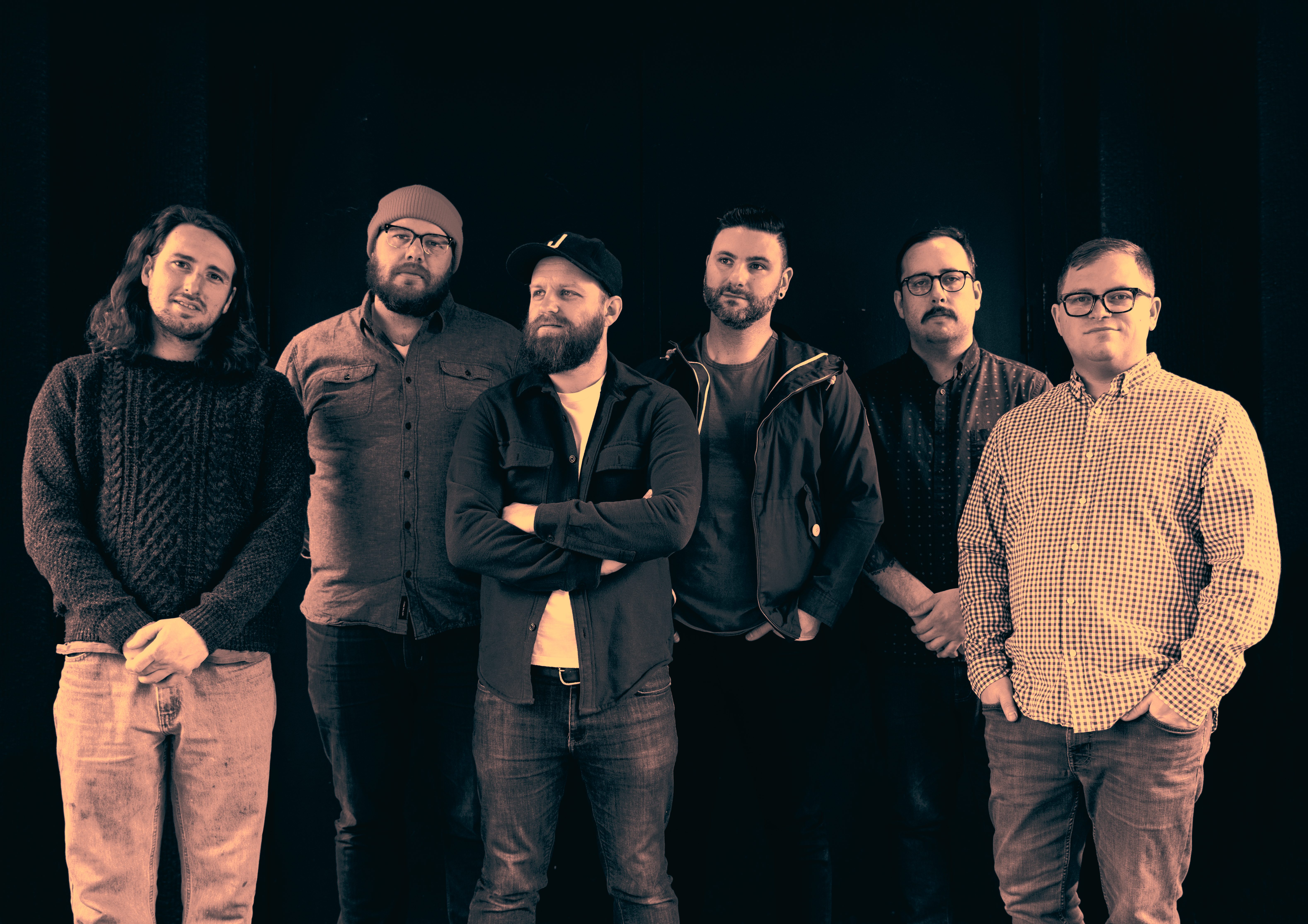
While so many bands from the late 2000s and early 2010s have left their mark on the younger bands of today, few have been as directly influential as the Wonder Years.
Rather than just being a musical inspiration, vocalist Dan Campbell and the rest of the alternative band have established themselves as the veteran band supporting the youth movement. From helping emerging bands break through via opening slots on major tours to answering questions and offering advice about the industry for anyone who needs it, the Wonder Years have found themselves partially responsible for the success of more than a few emo, pop-punk, and other alternative bands today.
Of course, that’s not to say that the Pennsylvania natives are slowing on their own career at all, as many consider 2022’s The Hum Goes on Forever to be among their best work.
Hit Parader caught up with Campbell backstage to chat about the band’s impact on the next generation, unique fanbase, and more.
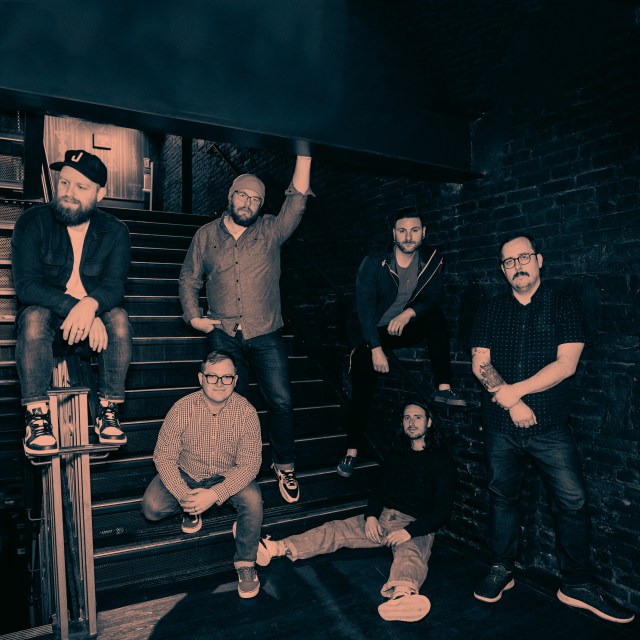
Hit Parader: The Wonder Years has really established itself as a band that supports the younger generation of artists. What made you take on that responsibility?
Dan Campbell: The way we look at our role in music right now is that we’re trying to put people on. The thing I’m proudest of for the Wonder Years is the fan base that we’ve curated and cultivated. The people that come to the shows are so kind and wonderful. They’re so thoughtful and forward-thinking, progressive and empathetic and fucking everything. So when bands come out to support us, they end up walking away with fans, because our fans want to listen and hear more art. We just try to make sure we’re putting people on. If we can give a leg up to a young band, we give them a chance. A lot of these kids call me “uncle,” which is funny, but also these kids — like Ryland [Heagy] from Origami Angel or Nathan [Hardy] from Microwave — hit me up like “Yo, how do we do taxes as a band?” I look at myself as a resource for younger bands, and I look at our role as trying to help shape the future of the genre through the people we help bring into it and give spotlight to.
HP: Speaking of genre, it feels like the Wonder Years appeals to everyone from the indie and emo kids to punk and hardcore fans. What do you think the key is to crossing those genre lines?
DC: I think the uniting thing behind our fan base isn’t genre, it’s ideology. It’s the way that people look at the world more than anything. All sorts of people come to the shows. I love the Mountain Goats so much and talk about it so much that we have a bunch of Mountain Goats fans that come to shows now. I was doing Aaron West [and the Roaring Twenties, Campbell’s other musical project] shows earlier this year, and the crowd was everyone from 17-year-old crustpunks in spiked jackets to double dates of couples in their late 50s or early 60s who came straight from work.
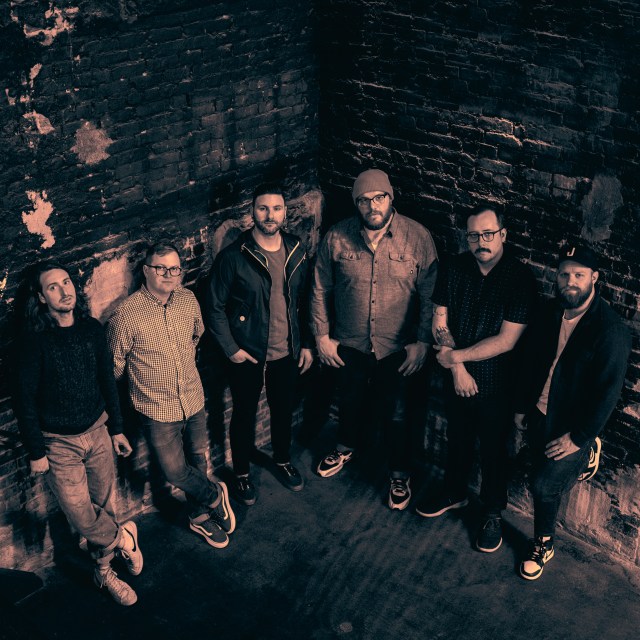
HP: How do you balance the nostalgia factor for playing classic Wonder Years songs with the urge to focus on newer material?
DC: It’s a fucking privilege to be a band so long that you can drop a new record and have your fans receive it as your best work to date, and then do a 10-year anniversary tour for a record that people say changed their lives. Having the option to flip back and do acoustic versions of songs and tour with a string section is a privilege.
HP: How different is it to put out a record these days as opposed to back in the 2000s?
DC: It’s exactly the same for me. The goal is to write songs that reshape the genre. I say this with the amount of humility you can say this with, and I know that’s not possible every time out, but I believe every band should put out a record that they think is the best record the genre has ever seen. You should be trying to raise the bar album over album. That’s my fucking goal. We always want to write a record that makes people think about the genre differently and expands what it can be. I want to write songs that people say, “That is my favorite song I’ve heard in my whole fucking life. That is a song I’m going to tattoo on my body forever.” That’s always been the goal, and nothing has ever changed about that.
HP: Are there any Wonder Years tattoos that stand out to you?
DC: The ones that stand out the most are the people that have my face on them, because it just feels so fucking crazy to have a portrait of me on your body forever. That’s hard for me to comprehend, because that’s not the way that I look at myself. Most of the time, the lens through which I view myself is “Wyatt and Jack’s dad.” I’m at school drop-off. I’m coaching the baseball team. Then you go play a show, and someone’s like “Look, I have your face on my arm!” You’re like “What the fuck?! Did I just jump universes?”
HP: Do you have any goals left to accomplish with the Wonder Years?
DC: We have some bucket list venues. I’d love to do Red Rocks. I’d love to get a chance to play Madison Square Garden. I’d love to play anywhere in Africa, because it’s the only continent we haven’t played. I’d love to play Indonesia because it’s one of our highest listenerships, and we haven’t been able to make it there. And I want one song to go gold. A lot of bands recently have had viral moments that helped their songs go gold, and we aren’t really a band that does that on social media, but “Came Out Swinging” is not that far away. Everyone should listen to it 100 times while they sleep.
The Wonder Years appears in our “What Does Punk Mean To You?”
article in Issue #1 of Hit Parader:
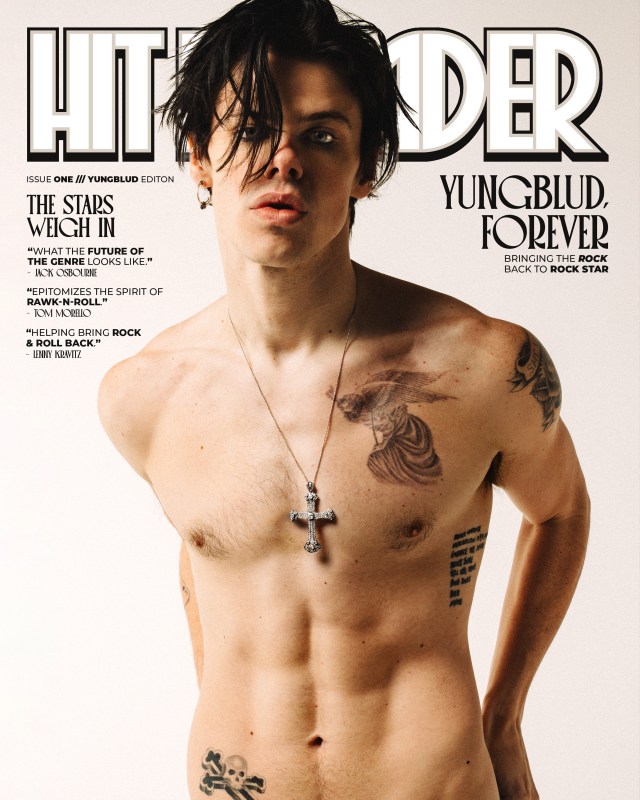
Hit Parader #1: Yungblud Edition
October 2025 — $12.99