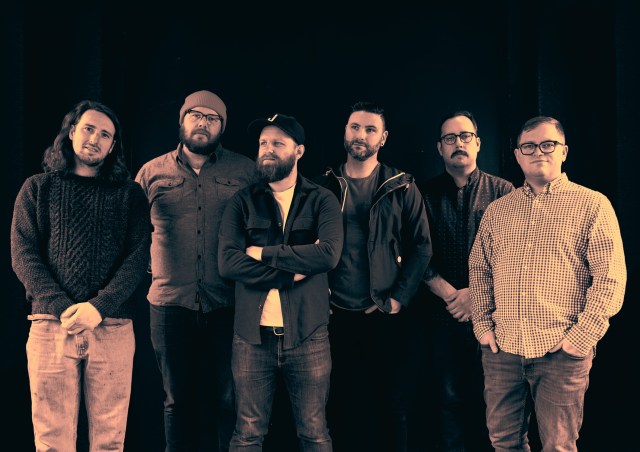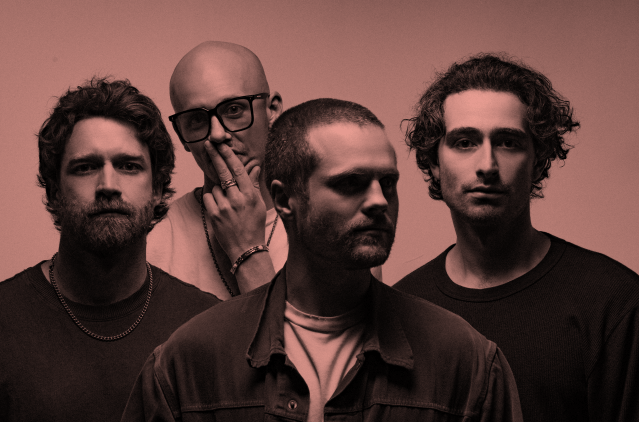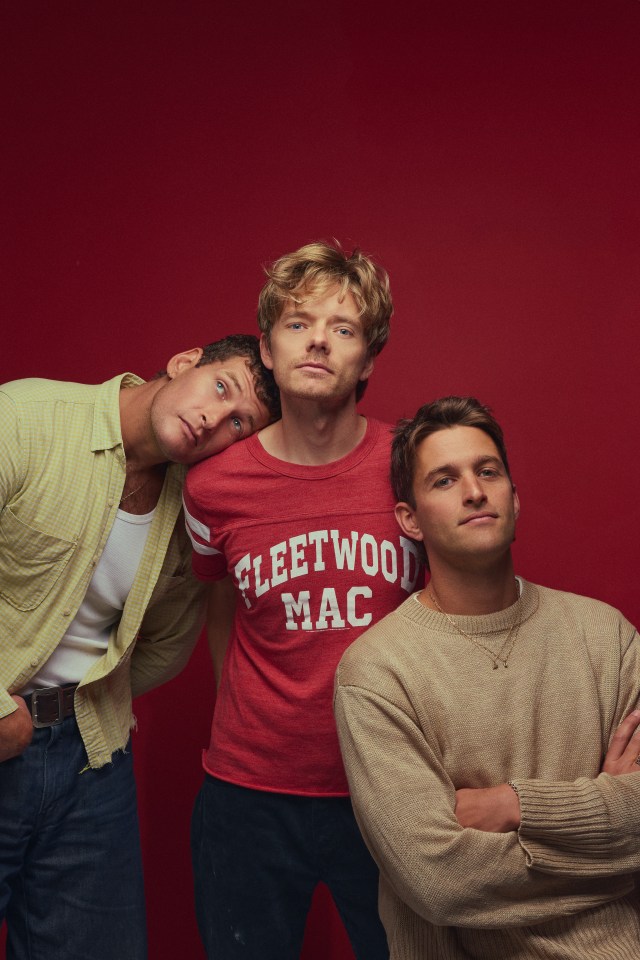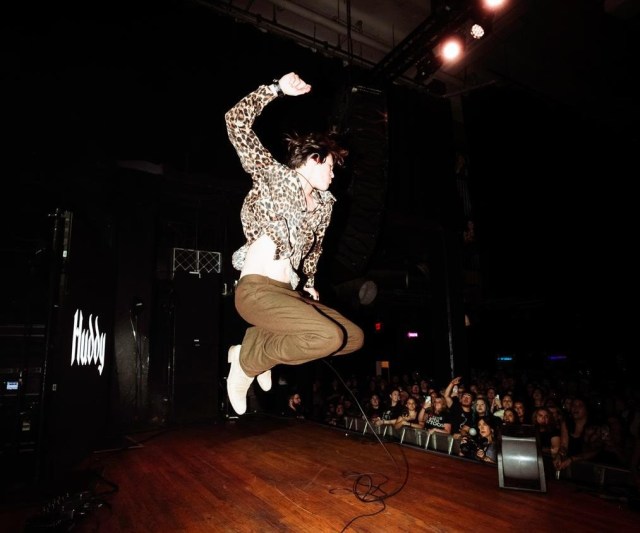
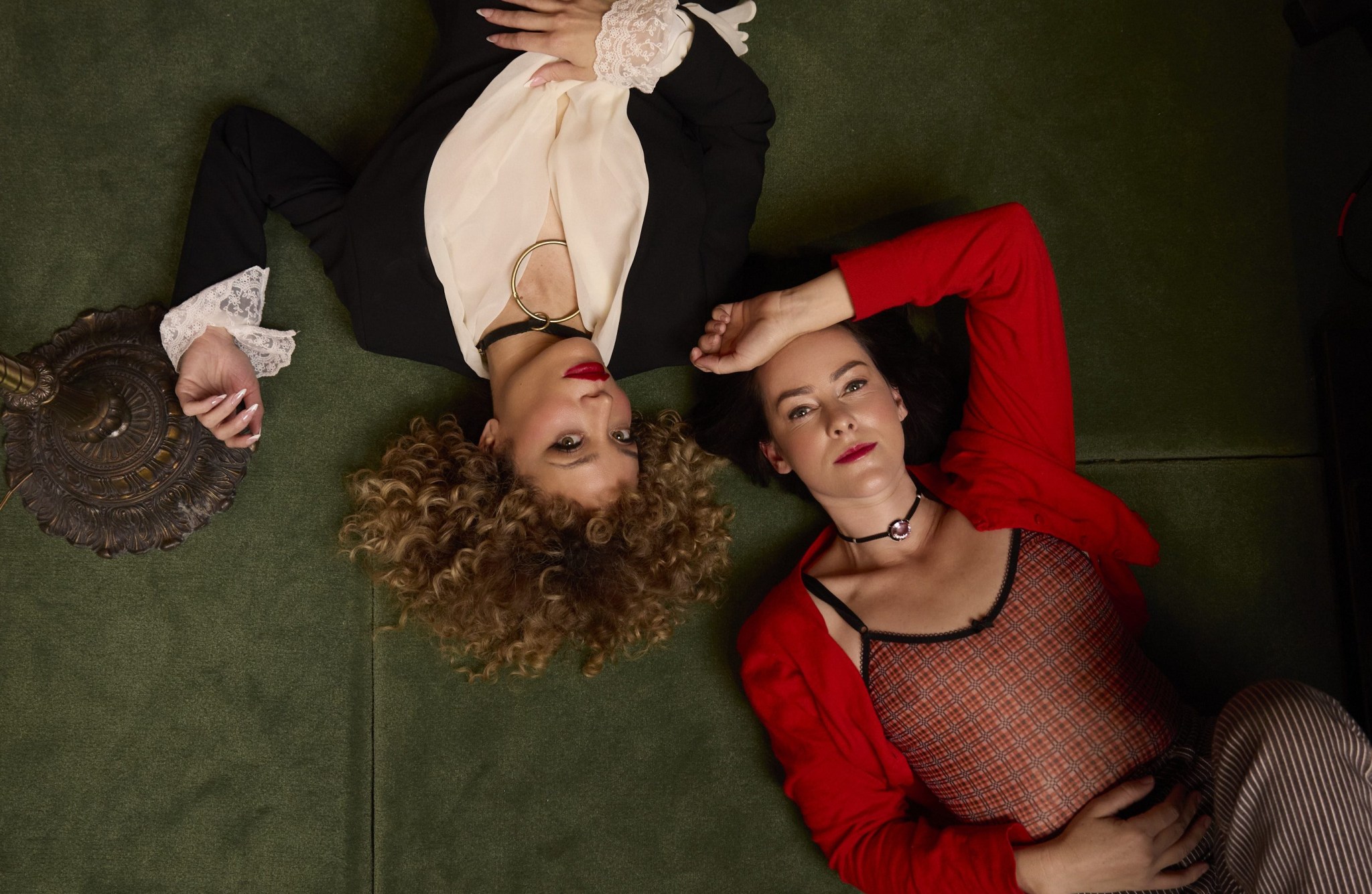
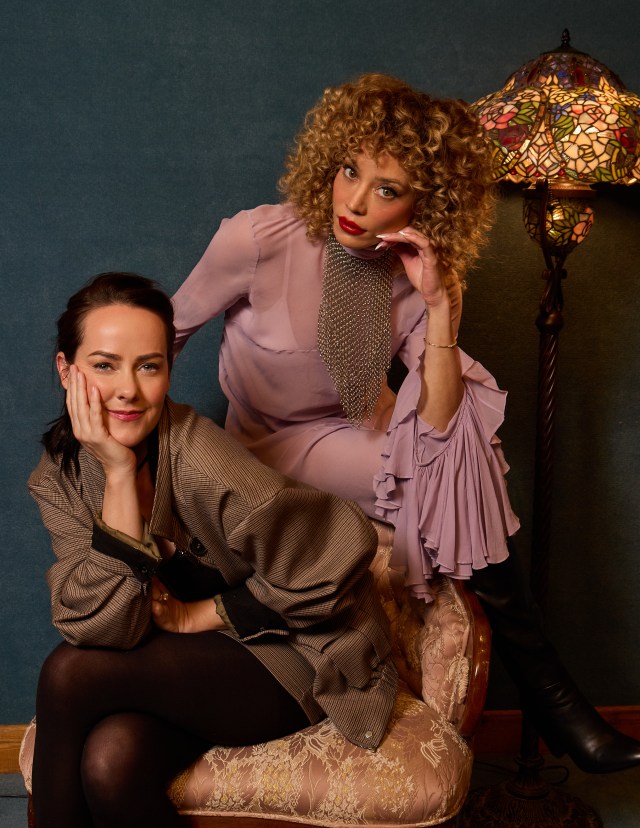
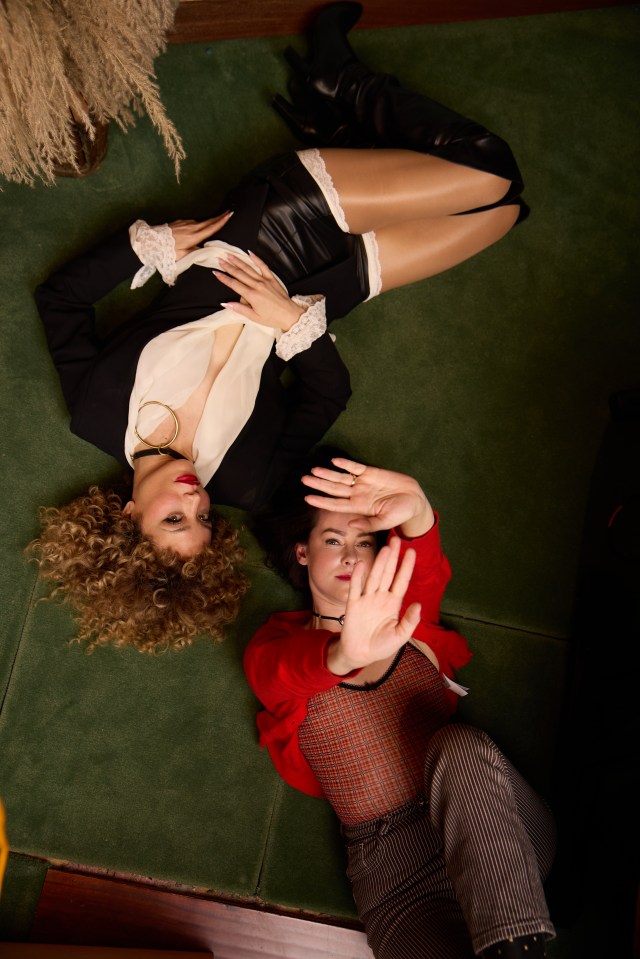
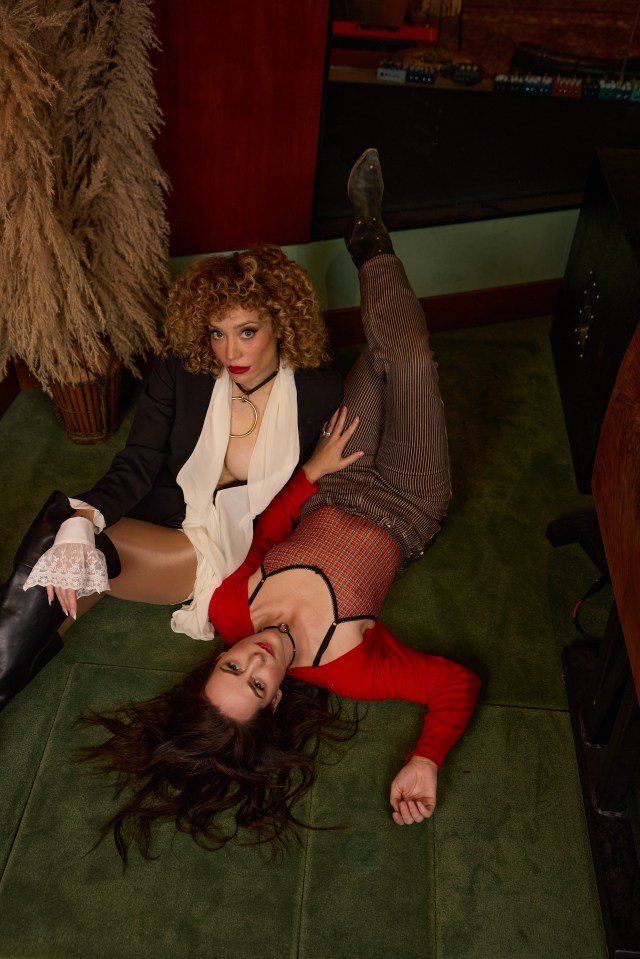
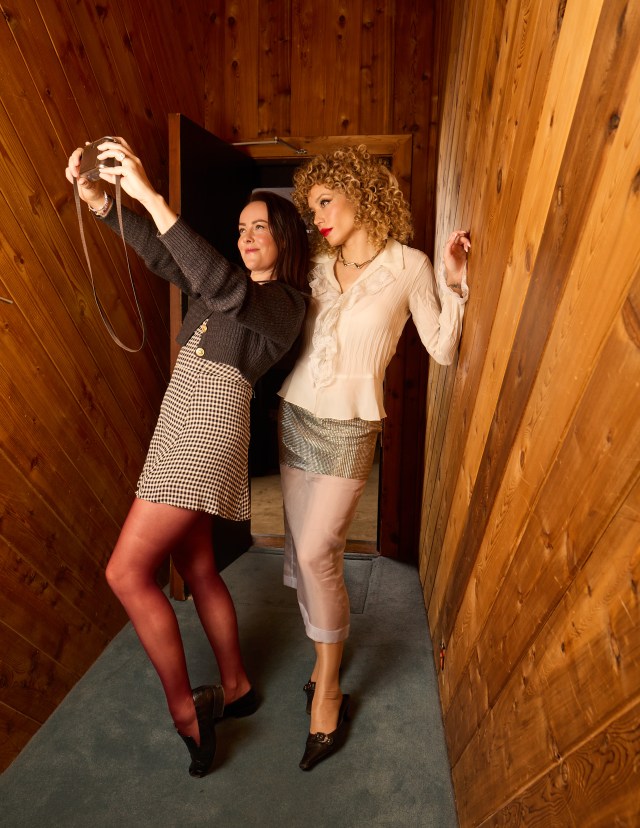
Acclaimed actress/musician Jena Malone and Cannons frontwoman Michelle Joy were mutual fans of each other who followed each other on social media. However, the two, who both live in L.A., had never connected until Hit Parader brought them together for this fascinating conversation.
At the time of this interview, both have superb new albums on the way. Malone releasing Flowers for Men (out this Friday), her first music in over a decade, while Cannons was on the eave of unveiling the sterling Everything Glows (released March 27). Though different in sound and style – Flowers being folkier and more experimental leaning, and Everything having a fantastical 70s vibe reminiscent of Earth, Wind and Fire’s classic hit “Fantasy” – both possess a deep healing quality in these troubling times.
Hit Parader just turned the recorder on and let the two of them talk for over an hour. This is the result.
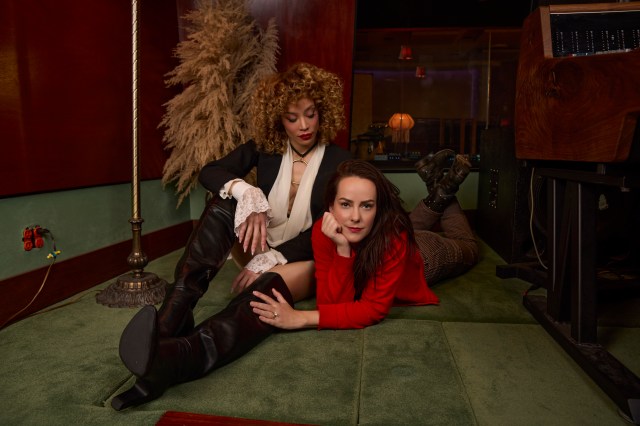
Photographer: Kristin Burns
Studio: OneOnOne
Digital Tech: Alicia Frew
Hair: Coco Alexander
Makeup: Gregory Arlt
Michelle Joy: So, you’re releasing a new album?
Jena Malone: In May.
Michelle: And you haven’t released music in quite some time? How long has that been?
Jena: Since I became a mom, which was 2016. So, I guess the last record I released was in 2014. Then we released a live something in 2015. It’s been an interesting recalibration of learning how to delegate time and shift time. Prior to having a child, I used to just sit in front of my computer and burn for weeks on music, writing, songs and collaborations. It would be three weeks later, I’d be like, “Oh, I guess I’ll leave my house now.” It’s been interesting trying to figure out how to schedule that spontaneity, that creative flow.
Michelle: How have you done that? Because I can’t imagine at this point, but I feel in my future soon, I hope to be able to start a family. And I don’t know how I’m going to tackle that space (chuckles).
Jena: Yeah. I don’t know how any woman tackles it. I find it to still be such a conundrum of like lack of support, lack of care and lack of real cheerleading. Everyone’s like, “Oh, it’s okay, hey, you don’t have to do everything.” Parenting is the most punk rock form of artistry you’ll ever engage in. It’s so wildly creative and no one talks about how many different things you have to create out of nothing spontaneously. Then also following someone else’s path, of predicting needs and whims and understandings. I feel like what I allow is like a little bit of writing time at the end of the day and whether it’s really angry or full of loss or lust or whatever it is that as a woman you’re containing at that moment I feel like as long as I allow myself to be like, “I’m so proud of the creation that we created today, whether it be like a Lego village that modeled a new form of democracy or whatever we’re doing.” I try to write poems and journal about it, which allows me a space to have some form of reflection and writing instead of just doing nothing and I think that’s where this new record came from. But I’m a weirdo. I don’t know how you are as a songwriter, but I’m constantly singing into my phone, different ideas and melodies and stuff like that. Do you have a similar process?
Michelle: Yeah, I’m always singing. I have a notes app, but my problem is that I don’t title. So, I’ll go through randomly, if I am sent a bunch of demos and I’m struggling for a melody, or I know I recorded something I really wanted to fit to music and I’ll sift through there and take a bunch of notes all day. If I just hear someone say a word or a phrase that really sticks with me, my notes app is crazy (laughs).
Jena: It’s such a sweet space because it’s always on us. We can do it in the car. So, all of the songs on the new record were while I was breast-feeding, crawling into a little closet while my son was sleeping, at the pick-up line at elementary school waiting in the car. It was all of those in-between moments. I went back and was like, “Okay, there are songs here that deserve to have attention.”
Michelle: How long did this album take to write?
Jena: We started last summer and then we pretty much finished last summer, 2025. But then all the finishing tiny little touches and mixes and things we pretty much finished in December.
Michelle: I watched the trailer video, which was so beautiful. I was listening to the words and was curious, writing from for this specific single or the album, what does this represent to you? Is that you or a different version of you that you are speaking to?
Jena: In “Create Your Name”? I think it’s both. I think a lot of this album, because I became single again when my son was one and it was a really interesting and heart-opening educational time of re-examining past patterns of things that had really failed me in the past. And I think because I was given an opportunity to see it from a new lens or a new perspective, it was really easy for me to be like, “Oh, wow, this is limerence, this is codependence, this is narcissism.” And I just wanted to do things differently. So, I started studying a lot of different intimacy styles and relationship styles and studying polyamory and relationship anarchy and was like a novice again in what my heart was wanting. So, I think a lot of the record became me navigating being a student at dating again but trying to push it in a more sacred way. If I had to redo it and was starting out again at 16, what books would I have wanted to be put in front of me and what would I want my elders to say to me? So, “Create Your Name” was talking about this divine lust and want that has nothing to do with sex sometimes. It’s more than just wanting a person’s body; it’s really wanting their spirit and wanting to collaborate with their mind. It was also at a time where I was discovering more of my sexuality. I came out as pansexual. I thought, “There are just not enough songs about like women thirsting after other women.” I wanted to at least have a space where the reveal is not talking about a man. But I’m so glad you liked it. That’s so sweet. I was actually looking through your trailer for the new record. What’s the title of the record, by the way?
Michelle: Everything Glows. It’s not a track, but it’s the idea behind the album as a whole. Once we finish the album, all of the songs revealed the title of the album, which is usually how it works for me, at least.
Jena: I loved the lore of your band where Craigslist was involved. What I wasn’t able to garner from just researching your band and the history was what you were doing musically before you put that Craigslist ad up.
Michelle: Originally, I grew up in Florida and spent enough time there to get to the point where I was like, “I need something new. I need to grow. I need to go somewhere new.” I had never spent time in Los Angeles, but I had been through some really intense things like growing up. My dad passed away. Both my parents had dealt with illness. My mom is better now, but my dad passed away. I just felt like I needed a fresh start in my life because everything was so heavy. So, I moved to Los Angeles, and one of my friends that lived out here was this sound designer for films. He taught me how to use Pro Tools. I remember going to see The Knife.
Jena: I love The Knife.
Michelle: Cool, I saw them and I was just so inspired by their music and electronic music and what you could do with a computer and a keyboard. So, I just started making my own songs on first GarageBand, then Ableton and Pro Tools and recording and not sharing them with anyone for a long time until I decided that I wanted to I guess grow with musicians because I felt like I didn’t know what I’m doing. I don’t know if this is good or bad. I have no perspective on what I’m doing because I’m doing because I haven’t shared it with anyone. So, I went to Craigslist because I didn’t know anyone out here to start a band with and I didn’t want to dive into this world on my own. It’s been like twelve years now since. And you started in a band as well? The Shoe, is that where you started?
Jena: I started in a really similar way to you. Being interested in music but not being educated in it necessarily. I grew up really poor, so college was never really on my radar. I love being a parent now where you realize giving them music lessons and things can really influence and help build skill sets that will only flourish in the future. But I always sung. I was constantly freestyling as a little kid and mostly everyone was like, “Okay could you please stop, it’s not for you.”
Michelle: (Laughing) I’m the same way.
Jena: It’s so interesting now having a child, as you see the things that they can’t help themselves but do. Whether it be good or bad or societally acceptable or a career choice it’s so beautiful to see those kinds of births. I love hearing that story of you had a friend and he taught you Pro Tools. I feel like that’s how young artists are able to bloom without mentors and free community that is not paid for and not gate kept. It really does hinder the flow of new emerging songwriters and storytellers to be able to emerge in their own way.
Michelle: And helps that confidence because it’s just like you said, being like, “I don’t know how to step into this world…”
Jena: But you want to try. And I love that you went, and you were making all these songs and learning as far as you could learn. I did the same thing where I just started growing. I started filming stuff when I was like 15 and as soon as I got into iMovie I realized, “Oh, I need sound and a score for this.” So, I opened up GarageBand and started playing and I never went back to video. I’ve been playing music since then. It’s been so fun because I think it’s also allowed me a space to take risks that acting hadn’t really offered me. It’s so structured. With music I love that I could be a four-year-old girl, I could be a leaf, I could be a man telling a story.
Michelle: That’s so cool.
Jena: Yeah, it was really fun. And I never would have done it without technology. It’s so interesting thinking about kids these days with TikTok, which is an amazing editing platform, and what SoundCloud offers. The small realm of having GarageBand and iMovie was enough to set me on a 20-year journey. I do think tech is such a beautiful thing to gift for free to emerging artists, but with mentors.
Michelle: I need teachers because I grew up and now looking back, I see why everything happened the way that it did happen. But I did wish that I took music lessons and learned how to play piano. Now I’m catching up. So, making all this music with my band over the past decade or so, we’ve reached a point where it was actually my worst nightmare to get on stage and sing in front of however many tens of thousands of people that we do, because I was the person that would sit in the back of the class and I wouldn’t raise my hand and I didn’t like attention or lights on me or anything. I found music; I liked writing. I liked singing like you. I couldn’t help it. It’s a relaxing thing for me. I feel like there’s a release that I get when I’m in my studio trying to write a song. And even if I didn’t share it with the world, I would still use my voice properly. I need to protect my instrument. I need to learn about it. So, this whole year I’ve actually been taking vocal lessons and going through the technical aspect. We toured for almost four years straight and I burnt myself out completely. And since I never took vocal lessons before stepping on stage, I didn’t know how to use my instrument properly. So, it was like, “I hope I hit these notes tonight. I hope I’m protecting my voice properly.” Now I’m finally catching up on like the technical stuff and trying to learn music theory and stuff. Very backwards experience (laughs).
Jena: I think learn it as it comes. It’s so cool that you’re doing this. When did you finish
writing your record?
Michelle: I think in August or September we finished. How do I shorten this story? I had a really intense year. Our song “Fire for You” blew up during COVID. Then we were asked to play literally right when COVID ended. It was the first festival, Lollapalooza. And we’d play main stage. I told you this was like my worst nightmare to get up on stage in front of a whole bunch of people. I’d only played shows in small venues in Los Angeles before that. But we did and since that moment, we toured for four years straight. When I got home from our last tour over a year ago, I was completely burnt out. I reached a point where I didn’t know what was wrong with me. I had no friends or anyone in my life that had done this job in the way that I had done it. I had no one to ask questions, especially as a woman because I was the only woman in the whole experience. So, I reached this point where I thought I was depressed because I couldn’t think positively. I couldn’t even breathe, honestly. I was out of breath, exhausted, and thought I was depressed, I saw a psychiatrist. They told me to get my blood work done. I found I was super anemic. Anemia can present itself as severe depression. So, I went through this in the worst shape ever, physically and mentally. I got my surgery in March. But I had been writing. I still went to the studio in January, February and March, I took a break. And then after I healed up a little bit, I just went hard with the album. It reflects this journey of me learning about what I need, paying attention to what my body is saying, connecting to my inner self and listening to my needs, which I had never done before. I’d been in survival mode; I guess is what it is. It’s cool to look back at this album and see how much transformation and growth has occurred over the past year. Because writing for me is, like I said, a therapeutic cathartic thing. I almost get scared that it’s so personal to me and so reflective of exactly what’s going on in my life that it makes me feel vulnerable and have a strange desire to have a separation from me and this person that’s going on stage and performing. I have a hard time separating that. Sometimes I think that’s fine, people want something raw and real and relatable. But sometimes I wish I had more of a separation because I feel like I’m sharing my diary and letting everyone read it. I’m still not used to that. This is all still new for me.
Jena: I really want to commend you for the work that you did this year because it’s so hard in the machine of industry to step back and advocate for yourself and learn how to become an ally to your journey. It’s one of the hardest journeys that any musician, artist, painter. Anyone that gets pushed into the machine, which is beautiful. The machine is a mechanism, it amplifies. But giving so much and not making receiving celebratory is so hard. So, I’m just so happy that you did that. Then to bring it back to what you were saying about vulnerability, it’s a muscle. It’s not something that people inherit; it’s not something you’re really good at. Some people might have a little bit more of the muscle work depending on how they were raised. The more you step into vulnerability the more you can receive from being vulnerable. A lot of people don’t take the risk to step into vulnerability, so it feels like too much giving. They’re not in the space of being able to receive. It’s like why does one song go cray and why does another song, you’ve only had one fan ever mention it or something? It’s because we’re all hungry for real experiences and vulnerability and when it hits us it we are able to give back, but it’s really hard to receive that when you’re not constantly practicing vulnerability. So I think the journey of taking time for yourself and then writing through that and then picking up a mic and being able to transmute it, I think potentially, and it’s just a hunch, hopefully we can check in when you’re on the tour. But I think that these songs might be tiny little torch songs of reminders to be like, “I’m not eating that. I’m going to say no to that. Not going to take that night flight.” They can burn brightly for you to be reminders you have the power to control your own story and how you navigate, you know. It’s just really commendable. I think it’s so hard, particularly as a woman in that space. I wish we all had more mentors and people to talk to because it is really rare. When I was younger, going to the Golden Globes at 15 or something who was I going to talk to about that? And if you don’t, you eat it. You swallow it and press it down.
Michelle: And you hope you’re doing everything properly. I have a voice in my head that existed forever and is very harsh. It’s gone away a lot this year after advocating for myself.
Jena: Isn’t that amazing? That there are other voices get to emerge.
Michelle: Yeah, it’s quieted itself because I didn’t have the support I needed. So, during the time where I didn’t even have oxygen going to my brain and I was depressed I knew I needed to revamp everything. This year I have a whole new management team. I have like four managers. I have new people at the label. Everything has been moved into a place that makes me feel safe and excited about this job. This album, entitling it Everything Glows, is because no matter what I have been through, there’s always a lesson to be learned in it. And there’s a light that comes from that. One of the first songs on the album, and one of the first songs we wrote, was called “These Nights.” That was me in that space where I felt like I was losing my soul or like it was being eaten up and there was nothing left when I came home.
Jena: I love that song by the way, that was one of them that I circled.
Michelle: Thank you. It’s cool to see that with music, at least when I’m in an awful place, I can go to my computer and start writing and singing and beauty can come from awful moments.
Jena: I love that.
Michelle: The title of your project, Flowers for Men. I just wanted to know what
that means to you and what kind of flowers are they.
Jena: The flower is a symbol of celebration of grief and the embodiment of holding space for someone whilst it’s also a celebration for a growth space; flowers for a job promotion, for a wedding, for a sickness. It’s all kinds of people wanting to hold space for a growth space. I think that this record, as I was saying, was me traversing a lot of my own reclamation of a feminine divine, of how to be a woman, how to be a mother, and also how to receive and give love in a new radical way that I had never really allowed myself to perceive or put into action or allowed myself to be clumsy and a student at. And I found that there was so much space in the masculine. Sometimes I feel more masculine, sometimes I feel more feminine, sometimes I feel bodiless, and just like an ever-flowing channel of energy. When I look into the masculine parts of myself, they’re often the ones that need the most healing. And the feminine parts are the ones that need more space and more celebration. So, it’s flowers for men as in yes, the gender of sex, the identity, but also flowers for the masculine for the feminine. But that was a little too clumsy to say.
Michelle: I feel like that’s really cool to think about. And I can relate to feeling like clearly having my parts of myself that feel very masculine, feminine and also completely bodiless.
Jena: This is so fun. I can’t wait. I can’t wait to come to a show.
Michelle: Our next hometown show is going to be at the Hollywood Bowl in July. You’re invited.