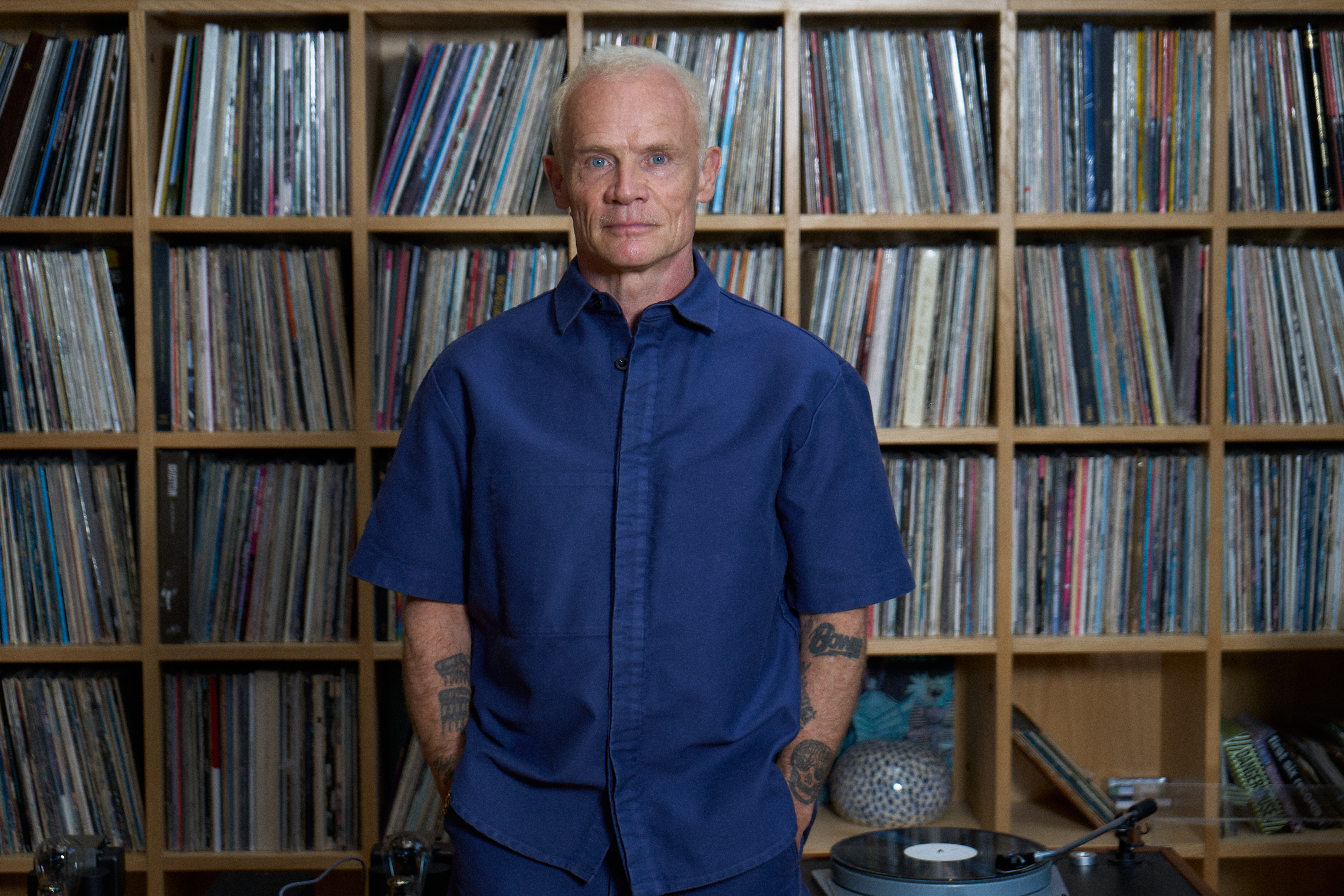
Red Hot Chili Peppers’ bassist Flea will release his first jazz album, Honora, March 27. The album, which features both giants of the jazz genre and friends of his like Nick Cave and Thom Yorke, is the culmination of a life-long love affair with jazz.
So, when he agreed to take me through a playlist of some of his all-time favorite jazz tunes, the list was deeper and more eclectic than I ever could have imagined.
In no particular order, here’s 12 tracks.
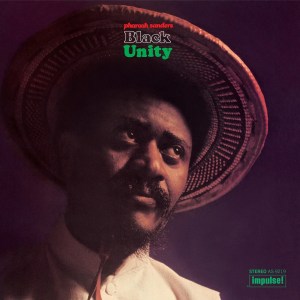
Pharoah Sanders – Black Unity
Impulse!, 1971
I chose that song because I don’t know how long that song is. It’s like 20 minutes long. And for 20 minutes, in a state of pure free improvisation over a very simple chord pattern that gets turned inside out and backwards and upside down, these guys wail their brains out. I think there’s like six or seven of them, including Stanley Clarke on bass; two bass players, Stanley Clarke on electric and Cecil McBee on upright. But it maintains dynamics. It’s entertaining, it’s so powerful and spiritual. It’s just an incredible feat. There’s been a lot of great free jazz. And this might be the pinnacle for me; just the sound of it, the ferocity, the poignant tenderness of it. It’s just fucking mind-blowing. I actually tried to kind of copy it on my record, and it just turned out being something totally different. It sounds nothing like “Black Unity,” but it’s a song called “A Plea.” It’s the first song I put out. It wasn’t like I tried to copy it, because I would never, but I liked the structure of it over this simple chord progression, this improvisation. And I ended up doing something totally different when I got in the studio. But when I heard it, that was the initial spark that made me go make “a Plea.”
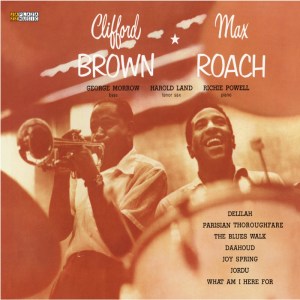
Clifford Brown and Max Roach Quintet – Joy Spring
EmArcy, 1954
This is a song that I first got into when I was about 12 years old. Clifford Brown on trumpet, of course, Max Roach on drums, George Morrow on bass, Richie Powell on piano and Harold Land on tenor saxophone. It’s the most beautiful… just the clarity, warmth and the presence of Clifford Brown and Harold Land playing the solo. The melody and the composition by Clifford, it’s just so beautiful to me. When I was a kid and I heard it, it just made me feel like human beings were beautiful and that human beings could be great. It’s the kind of thing that always makes me have faith in humans. Really there’s something that as a young boy started my love affair with Black America, too. all my life, from when I was a little boy and I heard it, and it was just like, “Well, the world is really cruel and fucked up, but here’s this beautiful thing. And this is the best of what people can be and it’s right there for you. I just love Clifford Brown, he’s my favorite trumpet player of all time. I love him. He’s the greatest. And Max Roach, what he did, what he continued to do from Charlie Parker until the 80s. What a career, man. What an evolving, beautiful guy.
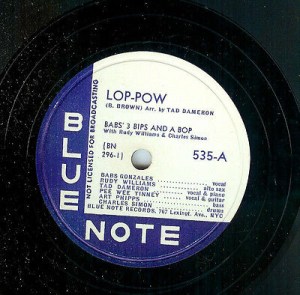
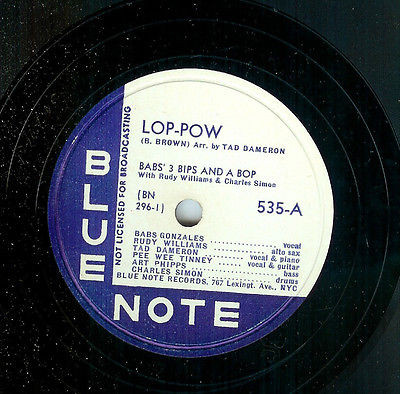
Babs Gonzales, 3 Bips & a Bop – Lop-Pow
Blue Note, 1947
There’s been a lot of happy music played, but you’d have to go into Louis Armstrong or the Earl Hines group, The Hot Sevens and Hot Fives, in order to reach this level of sheer unadulterated, whimsical joy. “Lop-Pow,” by Babs Gonzalez, and really all his recordings, but this one is the one I’m picking. It’s just so fun and lighthearted and this is the song that when I die, and if I hopefully die under circumstances where there are people in my life that love me and care about me at my funeral, this is the song that I want them to play and to listen to. It’s just so beautiful and as a celebration of life and of passing into whatever the next dimension is, I would like everybody to listen to “Lop-Pow” and dance. I always used to think that I wanted “Bold as Love,” by Jimi Hendrix, to be the song. Actually, I would like both of them to be played at my funeral, “Lop-Pow” and “Bold as Love,” Jimi’s is more heavy and melancholy and brave but Babs Gonzales let it all hang out. He was just such a character, he was a guy that was really on the scene there in the 40s and hanging out with everybody. He wrote a great book called Paid My Dues.” It might be the greatest music memoir of all time. He wasn’t a real serious musician, he was on the scene and he was just a real party guy who partied with everybody, Bird and everyone. He was beloved.
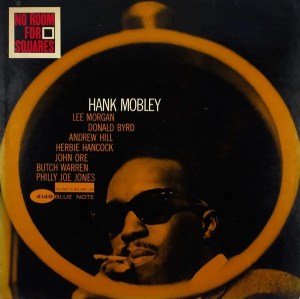
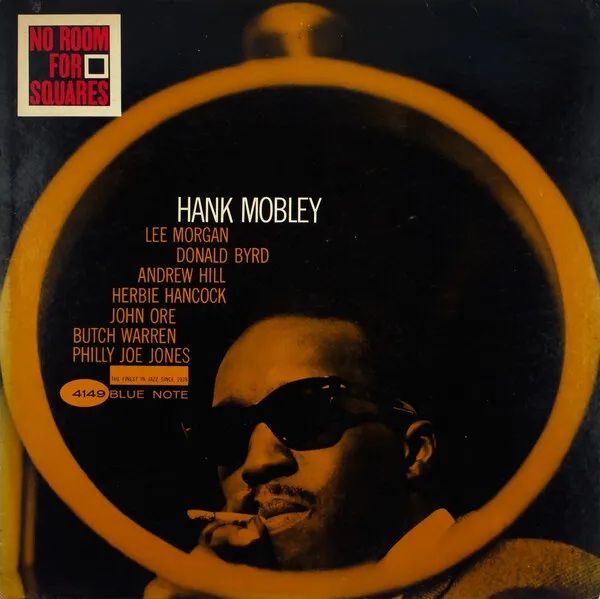
Hank Mobley – Old World New Imports
Blue Note, 1963
It’s really great. The album’s No Room for Squares. And yeah, it’s on this track, “Old World New Imports”, it’s Donald Byrd on trumpet as both he and Lee Morgan play on it. Herbie Hancock, Philly Joe Jones. For me, in the bebop time, it’s the most exciting one. That era is my favorite era. I guess it’s early 60s. And it has this incredible head. “Beep, bo, ba, da, ba, da, beep boop. Pa -par -da -pap -a -pap -da -pap -da -pap -da -pap -dap,” and it’s so exciting. When I was in high school, we had our friend Scood, who was the first guy we knew who had his own apartment. So, we’d all go over there and hang out. And he was a great music man with a great record collection. And he used to play this song, it’s straight bebopping. Me and my friends, man; me, Anthony, Patrick English, Tree, Scood, we would just dance around and listen to it and smoke weed. It was just incredible the sound of it. So, if you want to know what shaped me, and what me and my friends did right around the time we started the Chili Peppers, what we were listening to was Hank Mobley.
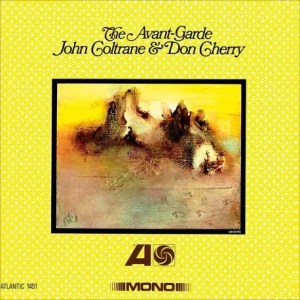
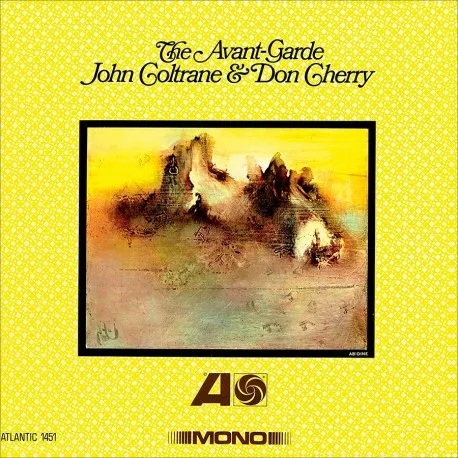
Don Cherry and John Coltrane – Bemsha Swing
Atlantic, 1960
This is something we listened to too, around the same time. It’s from the record the Avant-Garde by Don Cherry and John Coltrane. It’s just a great, funky, free jazz [tune], but I don’t even know what you call it. I guess free jazz is it. It’s Don Cherry and John Coltrane with Charlie Haden on bass and Ed Blackwell on drums. The way that Don Cherry plays his pocket trumpet on it, it’s so earthy and real and it’s not so virtuosic. He’s playing real free, and the way that he’s playing this shit, look, he could be out technically played by 10 million trumpet players, but none of them could ever sound like Don Cherry on this, the way he plays. Then Coltrane comes in and it’s that deep Coltrane, just fucking wild going for it. But it’s just the funkiness and the bass of the rhythm section and the way that Charlie Haden and Ed Blackwell laid down that rhythm, it’s just so funky and it just has this magical quality of space and melody and funkiness. It’s also something that we listen to constantly. Actually, it’s a song that we loved it so much that the Chili Peppers used to cover it all the time in this comedic, funny way. Because it goes, “Bop -b -b -b -b -da -b -da -b -da-da -da -da -da -da -da -da -da -da,” we called it “Fuck You.” And we’d always go, “Fuck you, fuck you and your mama and your grandma, too. Fuck you. Stick it, you know, whatever. It was this improvisational joke that we did all the time. Jesting aside, the thing that we were listening to was that version by John Coltrane and Don Cherry with Charlie Haden and Ed Blackwell.
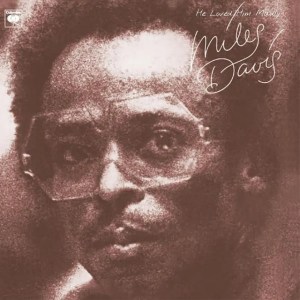
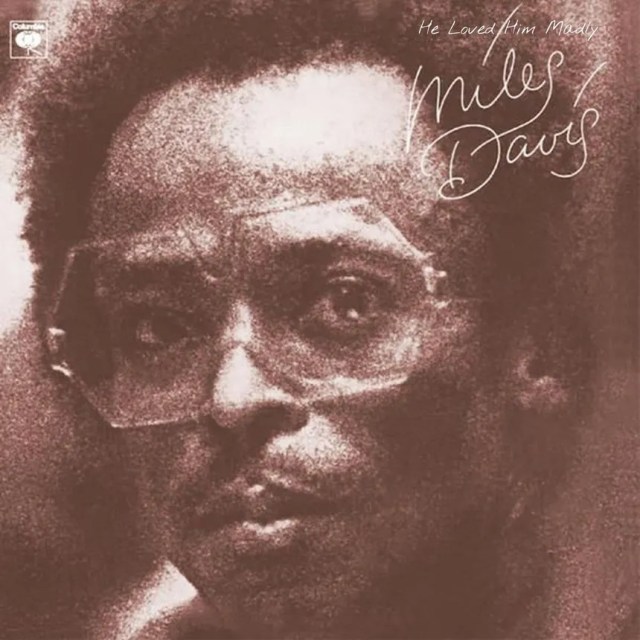
Miles Davis – He Loved Him Madly
Sony, 1974
I’ve loved Miles Davis since I was a kid, and I heard Kind of Blue when I was 12 or something. But Get Up Into It is a record that I got into about 10 or 15 years ago. Actually, Warren Ellis, he of the Bad Seeds and the Dirty Three and some other great music, turned me onto this album. I really love Warren and respect him, so when he told me to, I went and listened to it. Somehow, it’s like all the Miles records I listened to, and I listened to it all, from Birth of the Cool and Kind of Blue to On the Corner. It’s just a big fun record that got away from me. I skipped it, and it’s such a distinctly great record. And “He Loved Him Madly” is like a 20-minute ambient, psychedelic trip the fuck out beauty. Just put on “He Loved Him Madly,” and listen to it. Put the phone away, put it on and let your mind go. Free your mind and your ass will follow. Listen to “He Loved Him Madly,” by Miles Davis from the Get Up With It record, because it’s deep. It’s everything that I want in music. You can just take a bath in it. It’s so warm and just great. The musicians are so sensitive and the way that they relate to one another it’s super loving and warm, but also you feel this fucking power and the violence that is always lurking. It’s just beautiful, it encompasses humanity.
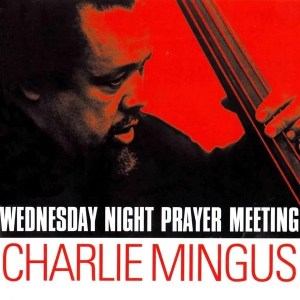
Charles Mingus – Wednesday Night Prayer Meeting
Atlantic, 1960
One of the greatest recordings of all time and one of my favorites, it has such a funky bluesy mean headbanging, a feeling of community, togetherness, intensity, spirituality and intellectual love. It says, “Wednesday Night Prayer Meeting,” it has a real church feeling to it, a gospel feeling, foot-stomping, banging [feel]. It’s in six, eight and they’re like getting down and you hear Mingus and whoever yelling and these guys are playing these wicked hard solos. It breaks down to this cool clapping pattern where it just goes into rhythm and back and you really feel the depth of the pain, the joy, the hope of black America in it, and I love that. It’s beautiful.
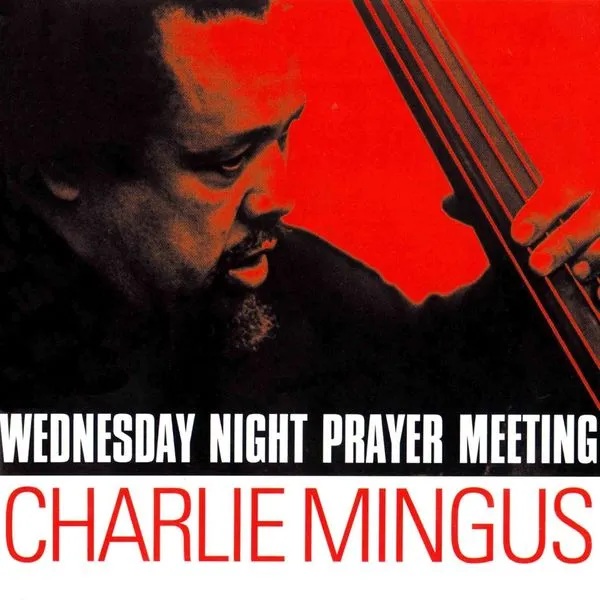
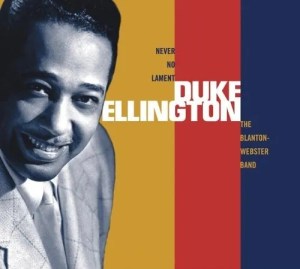
Duke Ellington – Never No Lament
RCA, 1940
It’s from my favorite recording era of Duke Ellington. They put out this box set of this period of time for Duke Ellington called the Blanton-Webster Band. It’s with Jimmy Blanton on bass and Ben Webster on saxophone. I really could have picked any song off this because it’s all great. But the box set is called Never No Lament. All of the songs, every track on it, every note they could just do no wrong. That band is so smoking. The arrangements are so good. The songs, the playing, the feeling. And this was a band that worked constantly. They were always on the road. They were just recording, working, going for it at their peak. It’s hard to say at the peak because they were always at their peak. Duke Ellington is just a national treasure who evolved constantly and grew and changed and did all this music from a very minimal [place], just by himself on the piano to the Money Jungle sessions with Mingus and Max Roach to all this stuff. I really love this music. This record, the Never No Lament box set, the Blanton-Webster years of Duke Ellington, it’s incredible. This is a great tune from that album. But listen to the whole thing. It’s just like the best of us, once again. I get carried away into that time.
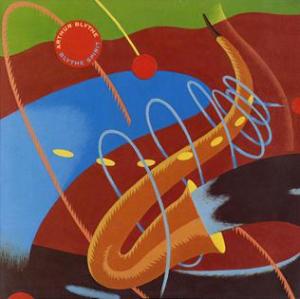
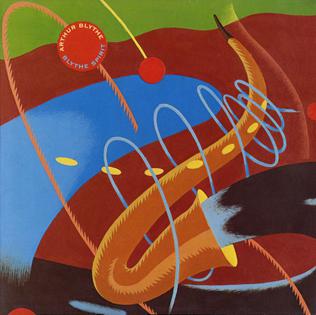
Arthur Blythe – Misty
Columbia, 1981
From his album, Strike Up the Band. It’s another one that we used to listen to early days before we started the Chili Peppers, during that period of time. We really love this album. I could have picked the song, “Strike Up the Band,” from the album, too. It’s really great. It’s this great tuba on it. It’s just really fucking righteous, man. I love Arthur Blythe. He’s an L.A. Alto saxophone player that really made a lot of great music. We really love this album. Actually, there’s a guitar player on it named Kelvyn Bell, who we really loved. And we really loved that first Defunkt album. He played in that band, too, on that album that Joe Bowie did. It’s just beautiful music, it’s so poignant. The song “Misty” itself being a real great song, and Arthur Blythe, what he does with it starts off real beautiful, then they just go real wild and out and super dynamic, incredible cuts right through the fucking air. Errol Garner, who wrote the song, “Misty,” couldn’t read or write music. And he’s up there for me with the greatest musicians of all time. I always feel like when I’m doing my jazz studies and I’m trying to fucking decipher all the way chords move and all this stuff and man Errol Garner just did it by sheer love and commitment and immersing himself in this language and world.
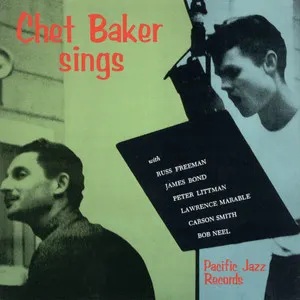
Chet Baker – I Get Along Without You Very Well (Except Sometimes)
Pacific Jazz, 1954
I couldn’t leave out Chet Baker because I just love him so much and I was fortunate enough to hang out with him a little bit towards the end of his life. His singing and trumpet playing is so lyrical and beautiful. The record is Chet Baker Sings. It’s just beautiful music. I love his voice, the way he plays. Put that record album on, it’s super romantic, sincere and beautiful. There’s always just this feeling with Chet, the underlying tragic feeling and vulnerability of the guy that was always strung out and suffering and trying to make it. But it’s just a beautiful album.
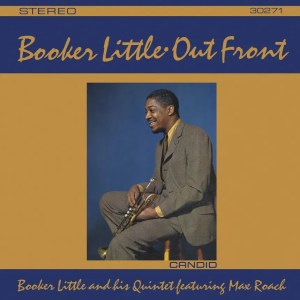
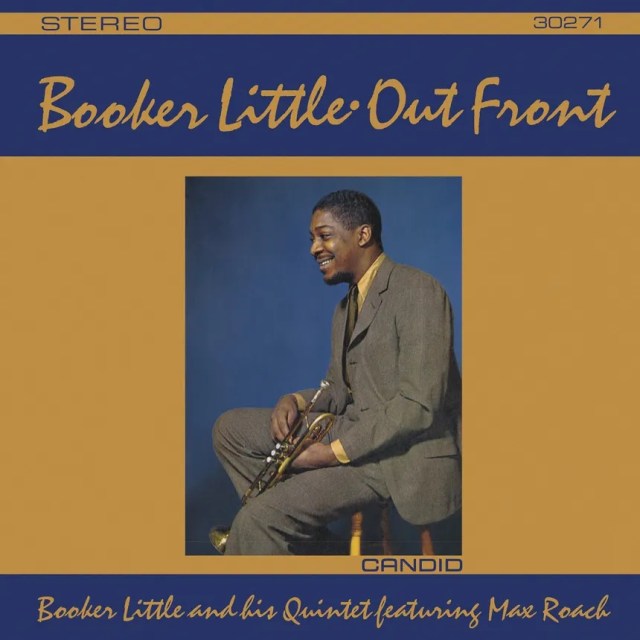
Booker Little – Man of Words
Candid, 1961
One of my favorite trumpet players of all time, Booker Little, who was an acolyte of Clifford Brown. Much like Clifford Brown, Booker died very young. Clifford died in a car crash. Booker Little died of uremia. I just love Booker Little. When I look at photos of him and listen to him, or hear anything about him, he just seems like such a beautiful cat. My son’s middle name is Booker after Booker Little. There’s so much that I could have chosen. He didn’t really record a lot because he died so young. But on his record, Out Front, the song, “Man of Words,” it’s a pretty simple harmonic context with him just blowing this beautiful trumpet playing. Man, it’s like a clarion call; it’s just this beacon of light, of beauty, and when I hang up, I’m gonna go cook my eggs before I got to fucking practice myself and I’m gonna go listen to it because it’s just so fucking awesome. It’s a cry of love.
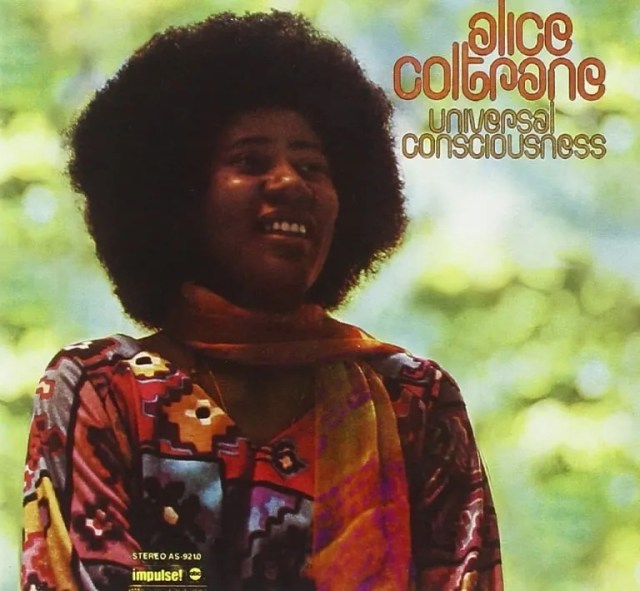
Alice Coltrane – The Ankh of Amen-Ra
UMG, 1971
It’s the last song on her album, Universal Consciousness. It’s just beautiful, I feel like as a kid I didn’t really get Alice Coltrane well enough, didn’t pay close enough attention to what she was doing, and I wish I would have, because I kind of got it late. I didn’t really get into Alice deeply until 10 or15 years ago. Man, these records are so incredible. Universal Consciousness is right around 1970, when she made her universal consciousness journey to Satchidanananda. I could have picked any song because it’s all beautiful. I chose “The Ankh of Amen-Ra,” just for the mode of “He Loved Him Madly.” It has this warm, ambient quality. You just put it on, and it just makes your house filled with love and beauty.
Flea’s solo jazz album, Honora, is out March 27. Enjoy the visualizer for “A Plea” below: