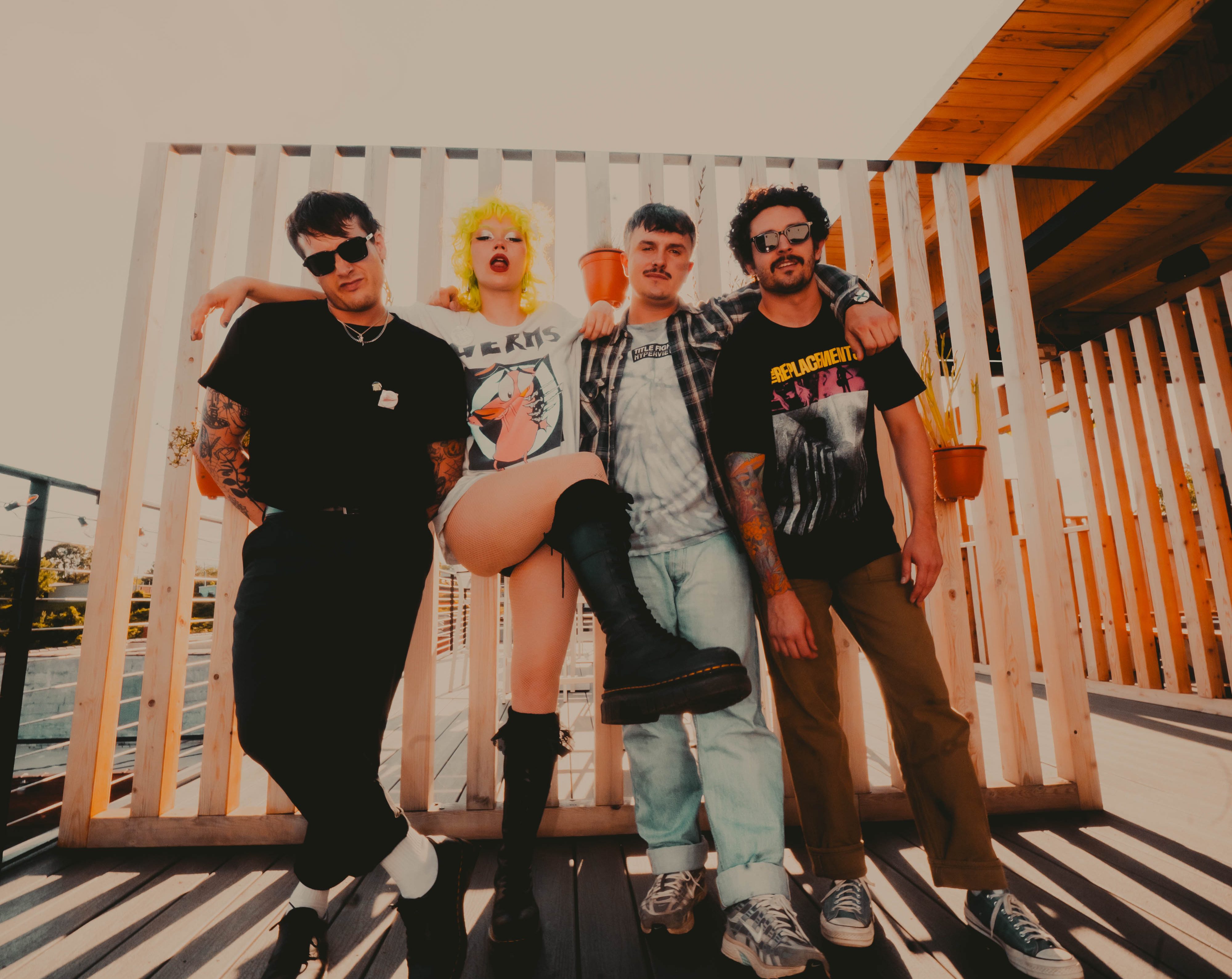
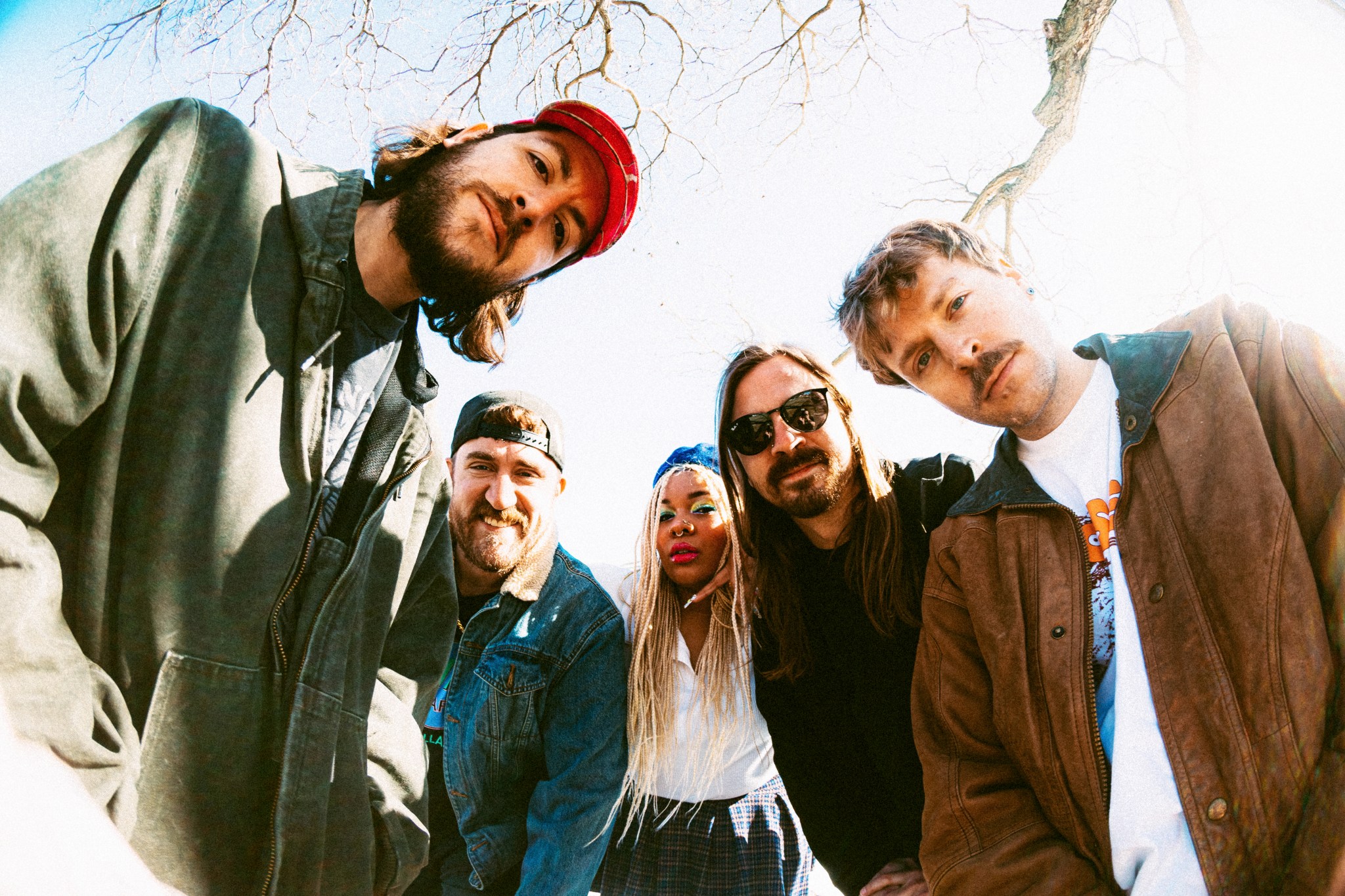
For a band that’s only two albums into their career, Cliffdiver has already been through more ups and downs than most acts with twice their tenure.
From quickly becoming the buzziest band out of Tulsa with 2022’s Exercise Your Demons to nearly dying in the most Final Destination van accident on their way to 2023’s Punk Rock Bowling festival (a chain link snapped off of a truck and burst through the window of their van, lodging itself in the neck of bassist Tyler Rogers, who was knocked unconscious and hemorrhaging blood while driving the van), most people’s first introduction to the pop-punk/emo band was sensational in one way or another.
And while Cliffdiver’s sophomore effort, 2024’s birdwatching, hasn’t led to quite as many dramatic headlines, it has seen them grow their fanbase, entrench themselves in the national scene, and refine their sound while dropping from a whopping seven band members down to five.
With more music on the way and a continued head of steam as the band continues to plow forward, Hit Parader caught up with co-lead vocalist Joey Duffy backstage to talk about the Oklahomans’ successes, goals, and how near-death experiences can shape a band.
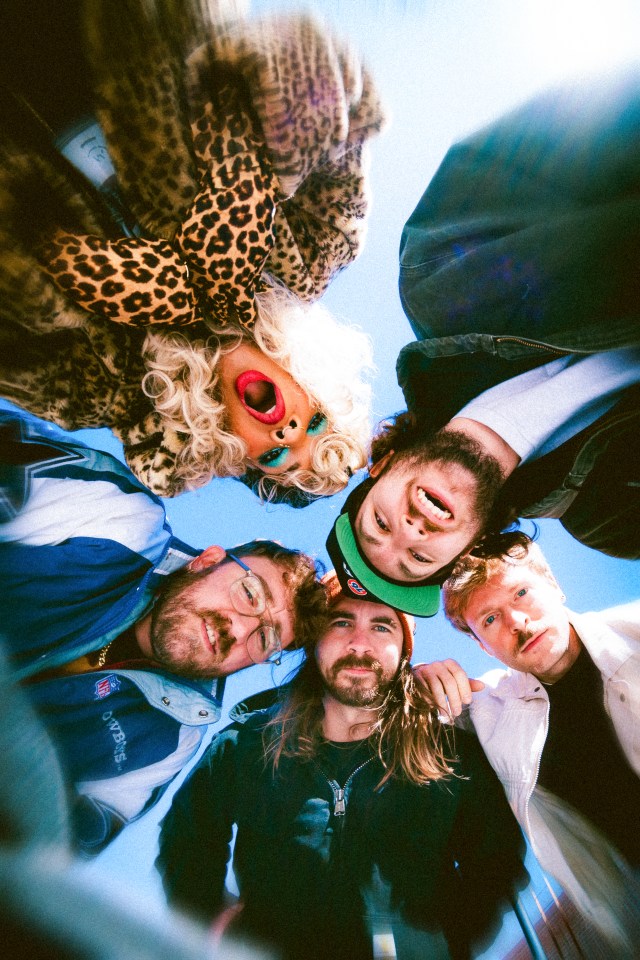
Hit Parader: How has the band grown since the release of birdwatching as opposed to the immediate jumpstart of Exercise Your Demons?
Joey Duffy: It’s been really interesting and transformative going from our first album with us all coming together, trying to learn each other and how to write together, to putting out birdwatching, which felt like a trauma response for a lot of us. After we all almost died in the accident, we had that perspective of sitting back down and saying, “OK, what do we really want to talk about? What’s important to us? How do we write an album about all of these different emotions, instead of the linear story that Exercise Your Demons was?” I think a lot of people have connected to the more personable nature of this album, and it’s more of a collection of moments than a story. It’s nice to see people go crazy for the new songs live, which isn’t what you always see. People are screaming the new songs, which is a beautiful thing. We’ve just got to get more people to listen to it.
HP: What was it like to get back in the van after the accident?
JD: We had to process a lot, but we made jokes about it because that’s what we do in Cliffdiver. You’ve got to laugh about the pain, or else it will overcome you and drown you in the ocean of regret. When we were in the hospital on the day of the accident, Tyler was like, “Are you guys going to keep going to Las Vegas?” We’re like “No, dude, we’re not going to go to Las Vegas right now — especially not without you.” But right when we got in the van a month later, Tyler drove first and said, “Alright, let’s try this again.” Now, there’s stress related to that accident that’s always present when you’re driving. When the van swerves twice, everybody’s clenched up, looking down the aisle, going, “Is this it? Is this Final Destination, and it’s finally catching up?” But it’s been an important meditation on the stoic nature of life that everything is so temporary. We were having the best day ever that day, playing Madden in our brand new van. We were driving to Zion National Park to hang out in the wilderness, and then all of a sudden, we’re all almost dead, even though we were all doing the right thing. But as someone who’s been very suicidal in the past, it’s a calcifying moment of “Oh, I don’t want to die.” In that moment, death is there. You have the opportunity, but you go “No, no, no. I’ve got to be here to watch my son grow up. He needs me.”
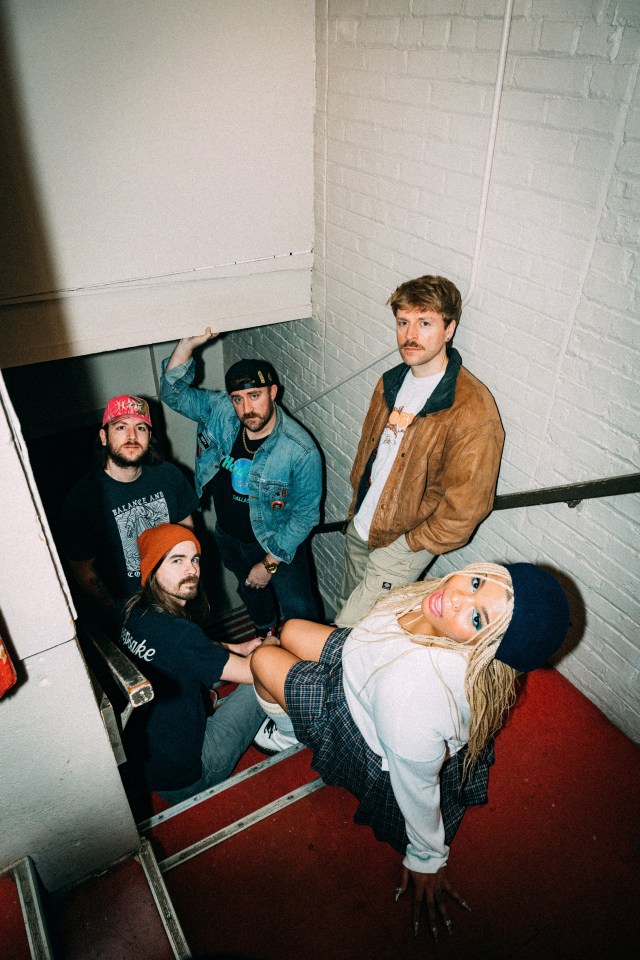
HP: How different is Cliffdiver as “only” a 5-piece band compared to your old lineup?
JD: Last year, when Gil [Erickson, guitarist] and Dony [Nickles, saxophonist] left the band to focus on their families, it was the question of “How are you going to bring that same energy and vibe and enthusiasm with a different sound?” We really came together to figure that out. That’s the good thing about having a band full of fabulous musicians. I’m happy to admit that I’m the least-talented member of the band, but I bring a lot of other stuff. Now, I’m picking up the guitar more, trying to write some guitar stuff for the next album that we’re working on right now, and we’re pretty excited about the opportunity to evolve again and push our own barriers to see what we’re capable of and what it’ll be like.
HP: Having played so many huge festivals and tours, where else would you want to perform?
JD: The goal is to go play all over the world. We want to play in Japan, Australia, England, South America, everywhere. We want to explore the world. I spent so much time not traveling because I spent all my money on getting messed up, so now I want to see everything. I want to breathe in all these new airs and see all these birds in different countries. I saw like 70 new birds in Ireland, and it was the greatest. That’s what rock and roll is about — not drinking and looking at birds. I also hope that we’re playing on the main stage at more festivals. I hope my son’s up there when he’s 23 playing guitar or piano with us, and I hope we do this forever because I think that the world needs as much hope as possible. That’s what Cliffdiver is to me. It’s being able to look at people and say, “It gets better, I promise. I’m an idiot, so if I can get a little bit better, you can too.”
HP: Are there any other messages you want to share through Cliffdiver?
JD: Just that it’s a weird time to be a musician. With the rise of authoritarianism, it’s never been more important for musicians to use their platform to speak out for disenfranchised groups, tell people that they’re going to be OK, and fight for people when they can’t. Be okay, you have to use your voice to call out this kind of bullshit when we see it. People should be free to be who they are, love who they want, and not have to worry about secret government hit squads kidnapping them in the streets. Fuck ICE. Fuck Trump. Trans rights matter. Free Palestine. Love your neighbors. That’s it.
Cliffdiver appears in our “What Does Punk Mean To You?”
article in Issue #1 of Hit Parader:
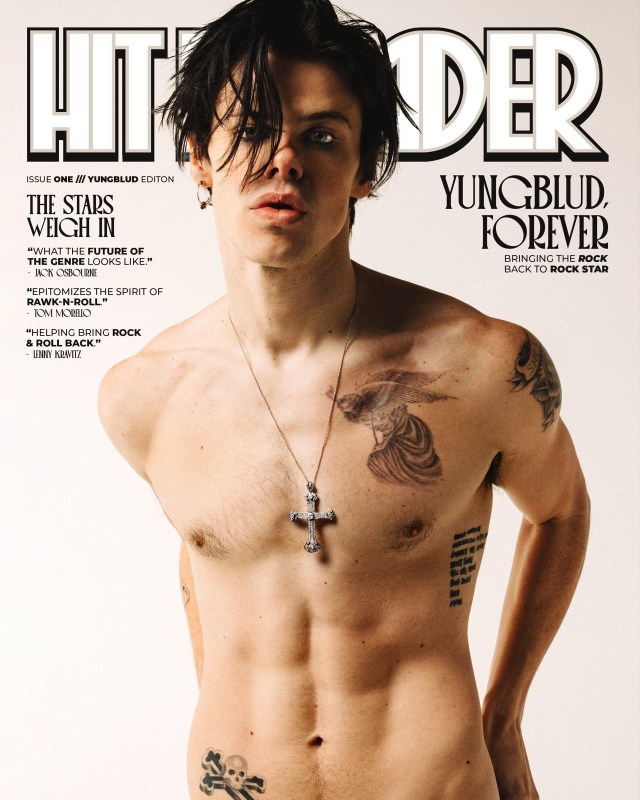
Hit Parader #1: Yungblud Edition
October 2025 — $12.99