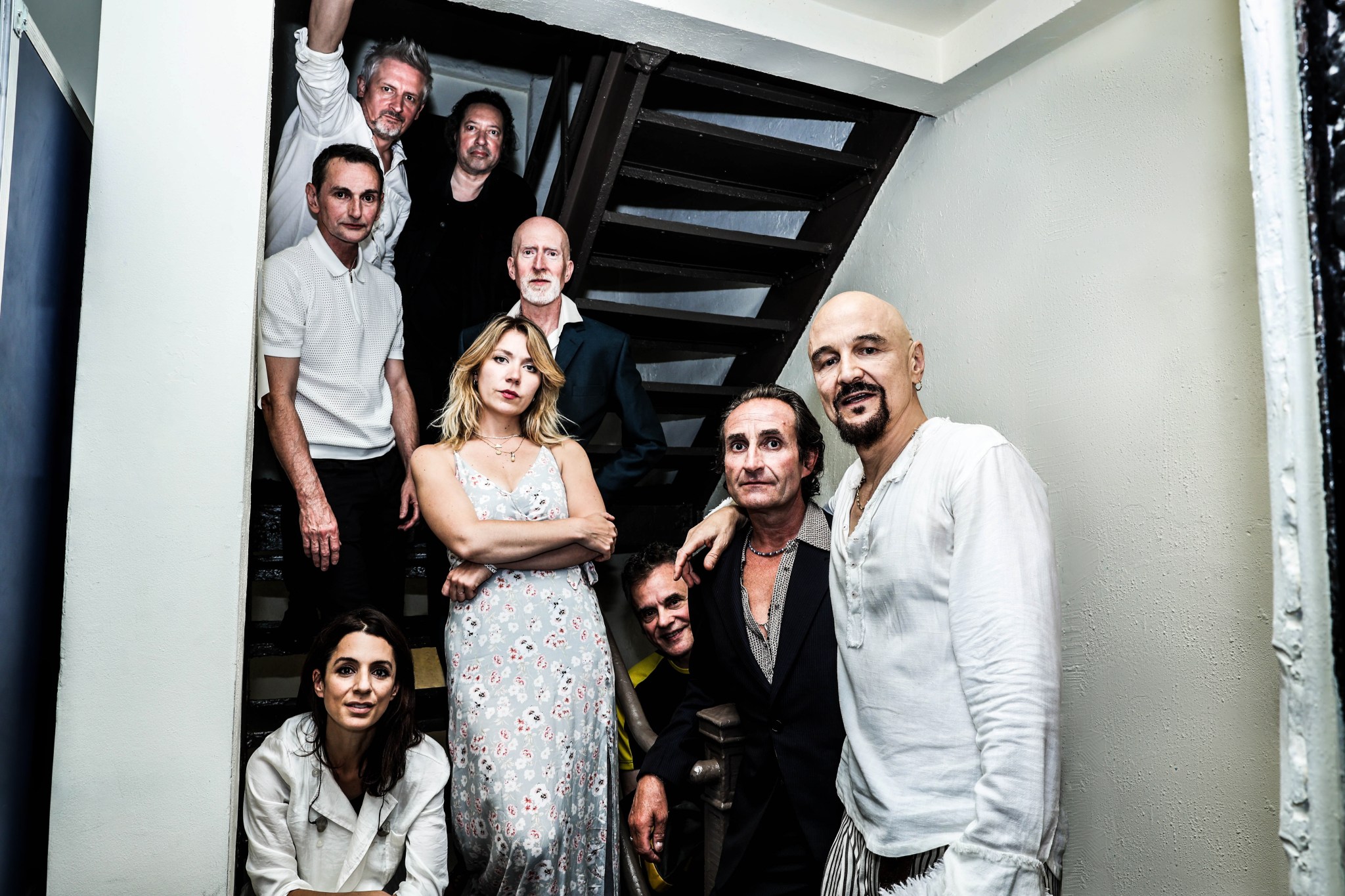
As a band with not one, but two massive platinum singles from the ‘90s, it would be perfectly understandable for James to just cash in on the nostalgia and fill venues with “Sit Down” and “Laid.”
Instead, they took about half of the 2000s off and returned with a mission to release a new album every couple of years that would rival their 20th century success. Roughly 400 songs across 18 albums later, the English indie rockers have reached a point where they can play for (nearly) any audience and put a uniquely catered set together every single night.
Hit Parader spoke with vocalist Tim Booth on his tour bus about the band’s prolific output and how they keep it interesting.
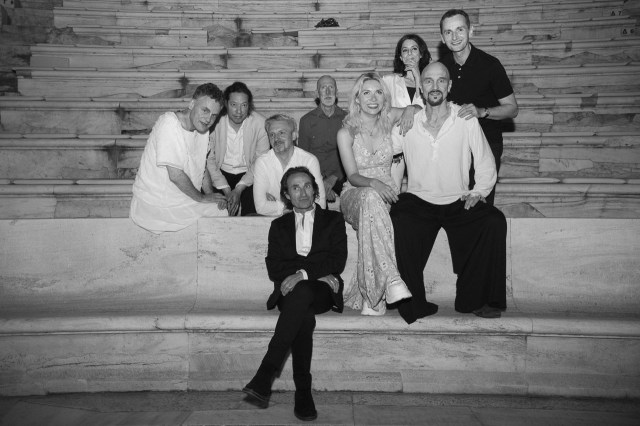
Hit Parader: Seeing as James has played at so many different festivals recently, what is it about the band that makes it fit in with so many different crowds?
Tim Booth: We don’t! Lollapalooza [1997] taught us that. We were opening for Korn, Tool, Snoop Dogg and Prodigy, and there was a lot of [homophobic] abuse coming our way. So we dressed up in mini dresses and sparkly, matching, pastel, mirrorball shirts, because we felt like “If they’re going to call us that, we may as well embody it.” But that was really the only tour where we struggled, and at the end of that tour, Korn said “You’re our favourite band! Will you come on tour with us across the States?” We went “Thanks, but we’re done with that.” It was very kind of them. But I think it’s because we’re good live, and we aren’t scared to go on at any time and win people over. We have 400 songs and 9 exceptionally talented multi-instrumental musicians, so we’re not afraid to adorn any stage. We quite like not being headliners.
HP: What’s helped James not just remain a band, but also be so prolific over the years?
TB: We went through some hell in the ‘90s with the usual clichés of addiction. I ended the band then because I thought someone would die. We came back in 2006, and virtually everyone’s been pretty clean since then. We worked out our psychological differences, and the last 6 years have been the most fun in our 44 years together. We stopped trying to be tortured artists and became a bit more of a love bomb. We still have the tortured artists in there, but I think we’re closer to Springsteen than indie music. We came a year and a half before The Smiths — although we have less difficult human beings to work with. Every band goes through shit, but we’re in an amazing place now. We’re still hungry. We had a No. 1 album last year and knocked Beyoncé off the charts in the UK. We still write all the time, and when we write, we will jam 120 pieces of music and then choose 15 for an album. Last album, we had so many left over that we put a second album out from demos that we didn’t develop.
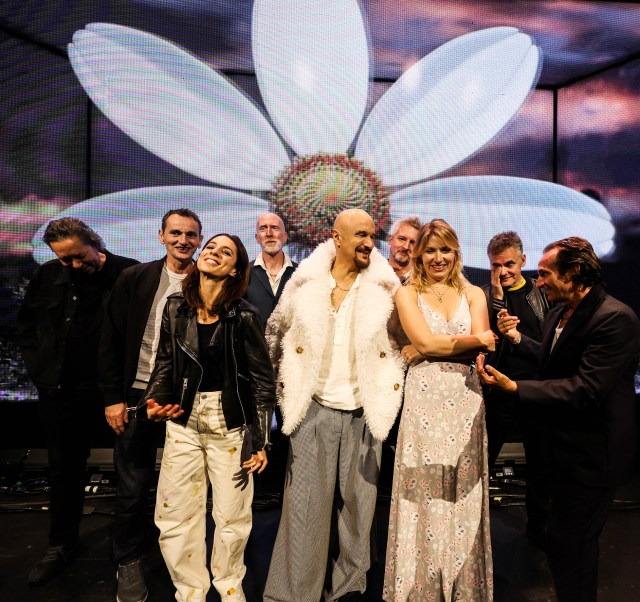
HP: With that many songs, how do you decide which ones go on the album?
TB: Every song is improvised between the four of us, and that’s one of the most enjoyable parts. We hire a cottage in the middle of nowhere, jam for six days, and do that four times every two years to create a pool of music. Then we sift through it and work on which ones to develop into songs. Then we bring it to the band, and they contribute their parts. I don’t see people writing like that. I see one or two singer-songwriters, but this is four, and none of us control the process. I might try to drag the song one way, and then someone else will drag it another. We give each other permission to do that, and then we’ll vote in the end on what direction is better. Sometimes one of us gets upset, but it’s not a big upset.
HP: How has the live show of James evolved with the additional members and hundreds of songs?
TB: We change the set every night, depending on who we’re playing to and what day of the week it is. We play safer with a festival audience, but we play a full two hours when we’re on tour. We do it our way, and that keeps it fresh. I can’t understand bands who play the same set every night. I don’t know what the guys are going to do each night. I don’t even choose the set list anymore, it’s all shared — and we may change it in the middle of a set. We may look at the audience and go “We’ve lost them, let’s pull them back in with some songs.” We pick a particular crew because the lighting man and sound man know that we might change the songs at any second, and they have to adjust — they can’t just press play on some computer programs and let it run throughout the whole gig, like most pop acts. It’s a living, breathing piece of communication dependent upon the mood of the audience, what’s going on in the world, what Trump’s done today, who got shot, which city is the National Guard invading and how far has the fascist takeover of America progressed.
HP: What drives James to keep cranking out new music instead of just relying on the nostalgia of your hits from the ‘90s?
TB: We’re turned on by difference. We’re turned on by the song we jammed that sounds like nothing we’ve ever done before. We’ll want to work on those songs and neglect the songs that come a little bit too easily. We’ll stop playing certain singles for years because they’re too easy. We like songs that take people on a journey, challenge people a bit more and give us room to improvise. We’ve always had to make music that could compete with anything we did in the ‘90s, and that’s why we make 120 songs and choose 15, so we can keep the standards really high. We have to accept that some of our audiences may slag us off because we don’t always play “Sit Down” or “Laid,” but when you’ve got 400 songs, there’s always going to be someone who didn’t get their favorite song.
James appears in our “What Does Punk Mean To You?”
article in Issue #1 of Hit Parader:
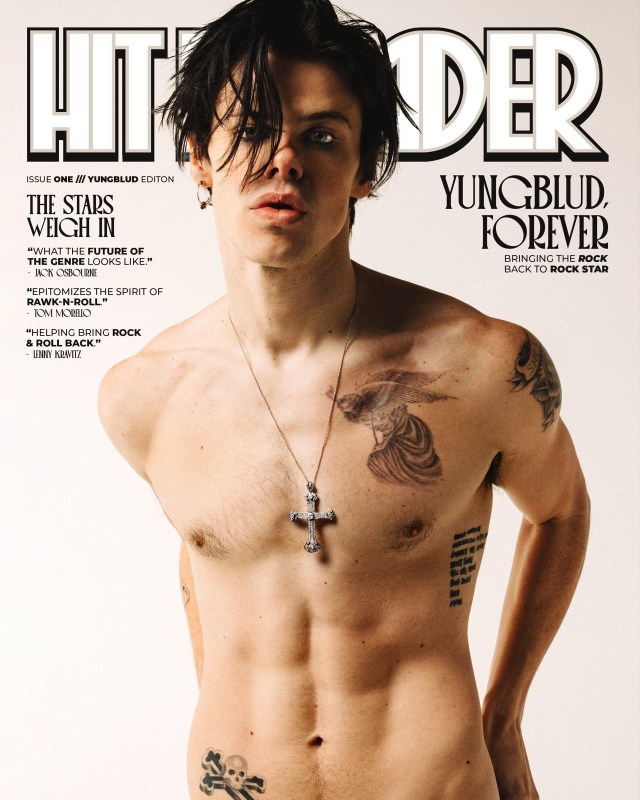
Hit Parader #1: Yungblud
October 2025 — $12.99